
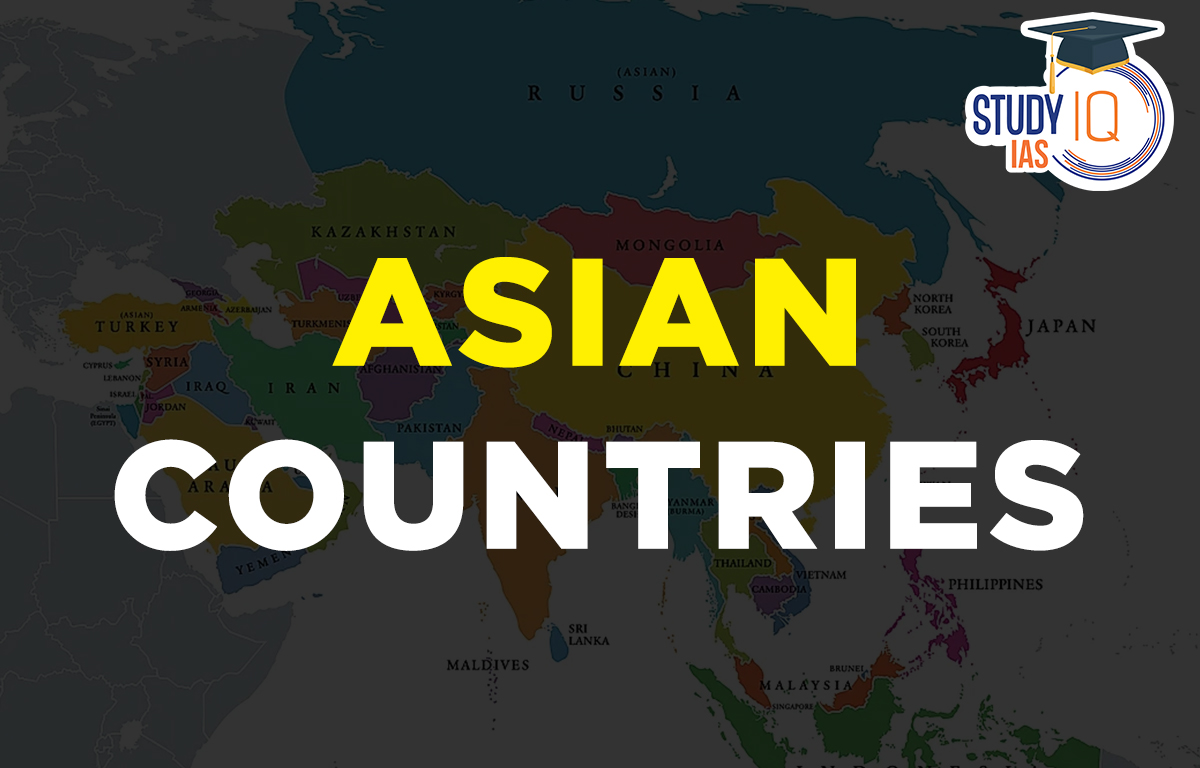
Asia is the world's largest and most populous continent, spanning over 44.5 million square kilometers and housing more than 4.7 billion people. This vast region is officially recognized by the United Nations Statistics Division as comprising 48 distinct sovereign states, each maintaining its own capital city, government administration, and cultural identity.
Understanding the geopolitical landscape of Asia requires a comprehensive breakdown of its nations, their officially designated capital cities, and their geographic sub-regions. Whether you are conducting geographical research, planning an international itinerary, or testing your trivia knowledge, having a complete, organized reference makes navigating the world's largest continent significantly easier.
Geopolitical Organization and Geographic Sub-Regions of Asia
To make sense of 48 sovereign nations, geographers and international bodies typically divide Asia into five distinct sub-regions: Central Asia, East Asia, South Asia, Southeast Asia, and Western Asia (often referred to as the Middle East). Each of these regions shares distinct cultural, historical, and economic ties, while also housing unique capital cities that serve as political and financial nerve centers.
Central Asia
Central Asia stretches from the Caspian Sea in the west to China in the east, and from Afghanistan in the south to Russia in the north. Dominated historically by the Silk Road, these landlocked nations gained independence following the dissolution of the Soviet Union in 1991. Their capitals often reflect a unique blend of Soviet-era architecture, traditional Islamic design, and modern nationalistic development.
- Kazakhstan: Astana
- Kyrgyzstan: Bishkek
- Tajikistan: Dushanbe
- Turkmenistan: Ashgabat
- Uzbekistan: Tashkent
East Asia
East Asia represents one of the most economically dynamic and densely populated regions on earth. It encompasses nations with ancient imperial histories alongside hyper-modern technological superpowers. The capitals in this region—ranging from Tokyo to Beijing—are massive global metropolises that drive international commerce, diplomacy, and cultural trends.
- China: Beijing
- Japan: Tokyo
- Mongolia: Ulaanbaatar
- North Korea: Pyongyang
- South Korea: Seoul
- Taiwan (Republic of China): Taipei
South Asia
South Asia, often referred to as the Indian subcontinent, is bordered by the Himalayas to the north and the Indian Ocean to the south. It is characterized by immense linguistic diversity, high population density, and deep historical roots. The capitals here, such as New Delhi and Islamabad, function as historic crossroads and administrative hubs for over a billion people.
- Afghanistan: Kabul
- Bangladesh: Dhaka
- Bhutan: Thimphu
- India: New Delhi
- Maldives: Malé
- Nepal: Kathmandu
- Pakistan: Islamabad
- Sri Lanka: Sri Jayawardenepura Kotte (Administrative) / Colombo (Commercial)
Southeast Asia
Southeast Asia is divided into two distinct geographic zones: mainland Southeast Asia (Indochina) and maritime Southeast Asia (the Malay Archipelago and island nations). Known for its tropical climates, rich biodiversity, and vibrant trade ports, this region includes dynamic emerging economies and ancient cultural centers.
- Brunei: Bandar Seri Begawan
- Cambodia: Phnom Penh
- Indonesia: Jakarta (transitioning to Nusantara)
- Laos: Vientiane
- Malaysia: Kuala Lumpur (Official) / Putrajaya (Administrative)
- Myanmar: Naypyidaw
- Philippines: Manila
- Singapore: Singapore
- Thailand: Bangkok
- Timor-Leste (East Timor): Dili
- Vietnam: Hanoi
Western Asia (The Middle East)
Western Asia sits at the intersection of Europe, Africa, and Asia. This region is historically renowned as the cradle of civilization and holds immense geopolitical and economic significance due to its vast energy reserves. Its capitals range from ancient historical sites like Damascus and Baghdad to ultra-modern financial hubs like Doha and Riyadh.
- Armenia: Yerevan
- Azerbaijan: Baku
- Bahrain: Manama
- Cyprus: Nicosia
- Georgia: Tbilisi
- Iran: Tehran
- Iraq: Baghdad
- Israel: Jerusalem (Note: Tel Aviv hosts most foreign embassies)
- Jordan: Amman
- Kuwait: Kuwait City
- Lebanon: Beirut
- Oman: Muscat
- Palestine: Ramallah (Administrative) / East Jerusalem (Claimed)
- Qatar: Doha
- Saudi Arabia: Riyadh
- Syria: Damascus
- Turkey (Türkiye): Ankara
- United Arab Emirates: Abu Dhabi
- Yemen: Sana'a
Master Reference Table: Countries of Asia and Their Capitals
For quick verification, the following table lists all 48 UN-recognized sovereign states of Asia alongside their primary capital cities, sub-regions, and notes on administrative nuances where applicable.
| Country | Capital City | Sub-Region | Notes |
|---|---|---|---|
| Afghanistan | Kabul | South Asia | Capital and largest city. |
| Armenia | Yerevan | Western Asia | Transcontinental nation in the South Caucasus. |
| Azerbaijan | Baku | Western Asia | Located on the Caspian Sea coast. |
| Bahrain | Manama | Western Asia | Island nation in the Persian Gulf. |
| Bangladesh | Dhaka | South Asia | High-density urban capital. |
| Bhutan | Thimphu | South Asia | Located in the eastern Himalayas. |
| Brunei | Bandar Seri Begawan | Southeast Asia | Constitutional sultanate on Borneo. |
| Cambodia | Phnom Penh | Southeast Asia | Located at the confluence of three rivers. |
| China | Beijing | East Asia | Political and cultural center. |
| Cyprus | Nicosia | Western Asia | Culturally tied to Europe; geographically in Western Asia. |
| Georgia | Tbilisi | Western Asia | Transcontinental nation bridging Europe and Asia. |
| India | New Delhi | South Asia | Federal capital within the National Capital Territory. |
| Indonesia | Jakarta | Southeast Asia | Relocation process underway to Nusantara. |
| Iran | Tehran | Western Asia | Located at the foot of the Alborz mountains. |
| Iraq | Baghdad | Western Asia | Historic capital on the Tigris River. |
| Israel | Jerusalem | Western Asia | Government seat; status is disputed internationally. |
| Japan | Tokyo | East Asia | World's most populous metropolitan area. |
| Jordan | Amman | Western Asia | Hillside capital city. |
| Kazakhstan | Astana | Central Asia | Relocated from Almaty in 1997. |
| Kuwait | Kuwait City | Western Asia | Coastal capital on the Persian Gulf. |
| Kyrgyzstan | Bishkek | Central Asia | Situated in the Chuy Valley. |
| Laos | Vientiane | Southeast Asia | Located on the Mekong River. |
| Lebanon | Beirut | Western Asia | Historic Mediterranean port city. |
| Malaysia | Kuala Lumpur | Southeast Asia | Federal capital; Putrajaya handles federal administration. |
| Maldives | Malé | South Asia | Island capital in the Indian Ocean. |
| Mongolia | Ulaanbaatar | East Asia | World's coldest national capital. |
| Myanmar | Naypyidaw | Southeast Asia | Official capital since 2006. |
| Nepal | Kathmandu | South Asia | Valley capital surrounded by the Himalayas. |
| North Korea | Pyongyang | East Asia | Political capital on the Taedong River. |
| Oman | Muscat | Western Asia | Historic port city on the Gulf of Oman. |
| Pakistan | Islamabad | South Asia | Purpose-built capital constructed in the 1960s. |
| Palestine | Ramallah | Western Asia | De facto administrative center. |
| Philippines | Manila | Southeast Asia | Capital located within Metro Manila. |
| Qatar | Doha | Western Asia | Financial hub on the Persian Gulf. |
| Saudi Arabia | Riyadh | Western Asia | Inland capital on the Najd plateau. |
| Singapore | Singapore | Southeast Asia | City-state serving as a global financial hub. |
| South Korea | Seoul | East Asia | High-tech metropolis and cultural capital. |
| Sri Lanka | Sri Jayawardenepura Kotte | South Asia | Legislative capital; Colombo handles commerce. |
| Syria | Damascus | Western Asia | One of the world's oldest continually inhabited cities. |
| Taiwan | Taipei | East Asia | De facto independent democratic state. |
| Tajikistan | Dushanbe | Central Asia | Capital situated in the Hisor Valley. |
| Thailand | Bangkok | Southeast Asia | Primate city and economic center. |
| Timor-Leste | Dili | Southeast Asia | Coastal capital on the island of Timor. |
| Turkey (Türkiye) | Ankara | Western Asia | Transcontinental nation; capital in Anatolia. |
| Turkmenistan | Ashgabat | Central Asia | Known for white marble-clad architecture. |
| United Arab Emirates | Abu Dhabi | Western Asia | Federal capital and political center. |
| Uzbekistan | Tashkent | Central Asia | Major hub of the historic Silk Road. |
| Yemen | Sana'a | Western Asia | Ancient highland capital city. |
Nuances, Disputed Territories, and Special Administrative Designations
When studying Asian geography, it is important to recognize that political boundaries and capital designations are occasionally subject to administrative shifts, international disputes, or dual-capital arrangements. Understanding these nuances prevents geographic errors and clarifies how different nations govern.
Dual Capitals and Administrative Relocations
Several nations maintain separate administrative and commercial capitals, or have intentionally relocated their seats of government for strategic reasons:
- Sri Lanka: While Colombo remains the commercial capital and home to major financial institutions, the official legislative and administrative capital is Sri Jayawardenepura Kotte, a suburban city located just southeast of Colombo.
- Malaysia: Kuala Lumpur remains the constitutional and royal capital where the national parliament sits. However, the federal government administrative functions were moved to Putrajaya in the late 1990s to alleviate urban congestion in Kuala Lumpur.
- Indonesia: Indonesia initiated a long-term capital relocation project away from sinking and congested Jakarta on the island of Java, transitioning government functions to Nusantara, a purpose-built smart city currently under development in East Kalimantan.
Disputed Status and Recognition
Certain territories in Asia have complex international status regarding sovereignty and statehood:
- Taiwan (Republic of China): Operates as a self-governing democratic entity with Taipei as its capital, though its political status remains a subject of international debate.
- Palestine: Recognized as a non-member observer state by the United Nations, administering governmental functions primarily from Ramallah, while claiming East Jerusalem as its capital.
- Cyprus: Geographically located in Western Asia, the island is politically divided, with the Republic of Cyprus (recognized globally) administering Nicosia, while Northern Cyprus operates a separate administration recognized only by Turkey.
Frequently Asked Questions
What is the largest country in Asia by land area?
Russia is the largest country in Asia by a wide margin, covering approximately 17.1 million square kilometers across both Eastern Europe and Northern Asia (Siberia). However, the vast majority of Russia's landmass lies within Asia, while its capital, Moscow, is located in Europe. Excluding transcontinental nations lying primarily in Europe, China is the largest strictly Asian nation.
Which Asian capital is the most populous?
Tokyo, the capital of Japan, is widely recognized as the most populous metropolitan area in the world, housing over 37 million residents within its greater metropolitan region. Other massively populated Asian capitals include Beijing, Dhaka, Manila, and Seoul, all serving as dense urban hubs for millions of citizens.
Are there any landlocked countries in Asia?
Yes, Asia contains several landlocked countries that do not possess a coastline along any ocean or open sea. These include nations such as Kazakhstan, Uzbekistan, Kyrgyzstan, Tajikistan, Turkmenistan, Mongolia, Nepal, Bhutan, Laos, and Armenia. Managing international trade without direct maritime access presents unique economic and logistical challenges for these states.
Why do some countries have more than one capital?
Countries establish multiple capitals to decentralize administrative duties, manage urban overpopulation, or separate legislative, judicial, and executive powers. For instance, South Africa (outside Asia) famously has three capitals, while Asian nations like Sri Lanka and Malaysia divide legislative and administrative responsibilities between two cities to streamline governance.
How many countries are officially recognized in Asia?
The United Nations recognizes 48 sovereign states whose primary territory lies within the continent of Asia. This count can occasionally vary slightly depending on whether transcontinental nations (such as Turkey, Russia, Georgia, and Azerbaijan) or disputed territories (such as Palestine and Taiwan) are included in specific geopolitical rosters.
Conclusion and Practical Next Steps
Reviewing the countries of Asia and their capitals provides a foundational understanding of the world's most populous and economically influential continent. Whether your goal is academic study, international business planning, or general geographic literacy, keeping this master list handy ensures quick and accurate reference. To expand your knowledge further, examine the regional economic partnerships, historical trade routes, or currency systems associated with these 48 distinct nations.
Image Gallery
Select an image to open it in a new tab.
Simon Caldwell
Enterprise Technology and Systems Editor
