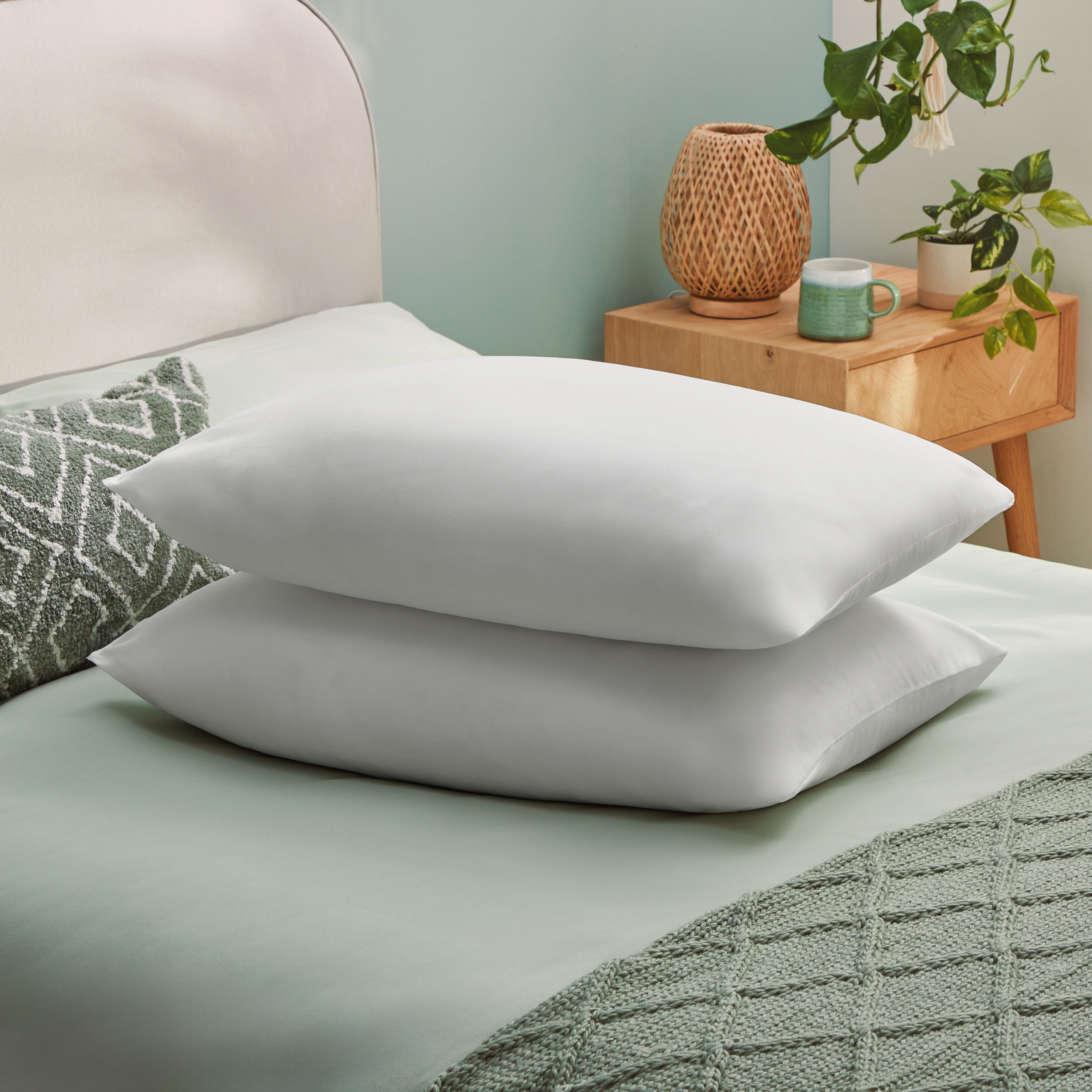
Anti allergy pillows, often categorized as hypoallergenic, are specialized sleep products engineered to minimize the accumulation of common household allergens such as dust mites, pet dander, and mold spores. By utilizing tightly woven fabrics and non-porous synthetic or treated natural materials, these pillows create a physical barrier that prevents micro-particulates from penetrating the sleeping surface, thereby reducing nighttime allergic reactions and supporting healthier respiratory function.
The Science of Allergens in Bedding
To understand why anti allergy pillows are an essential investment for many, one must first recognize the environment of a standard bedroom. Beds are natural breeding grounds for house dust mites—microscopic arachnids that feed on human skin cells. These mites do not bite, but their waste products contain proteins that trigger allergic rhinitis, asthma, and eczema in sensitized individuals.
Standard cotton or down-filled pillows often feature loose weaves that allow these microscopic particles to burrow deep into the cushion. Once inside, they are difficult to remove with standard laundering. Anti allergy pillows disrupt this cycle through two primary mechanisms: density of weave and material composition. High-thread-count covers or synthetic microfiber membranes serve as a physical blockade, while the synthetic cores (often polyester hollowfiber or specialized foams) are inherently less hospitable to mites than organic down or feathers, which may trap moisture and organic matter.
Key Benefits of Using Anti Allergy Pillows
For those suffering from persistent morning congestion, itchy eyes, or unexplained sneezing fits, the transition to specialized bedding offers several measurable improvements to sleep hygiene.
1. Reduction in Allergic Triggers
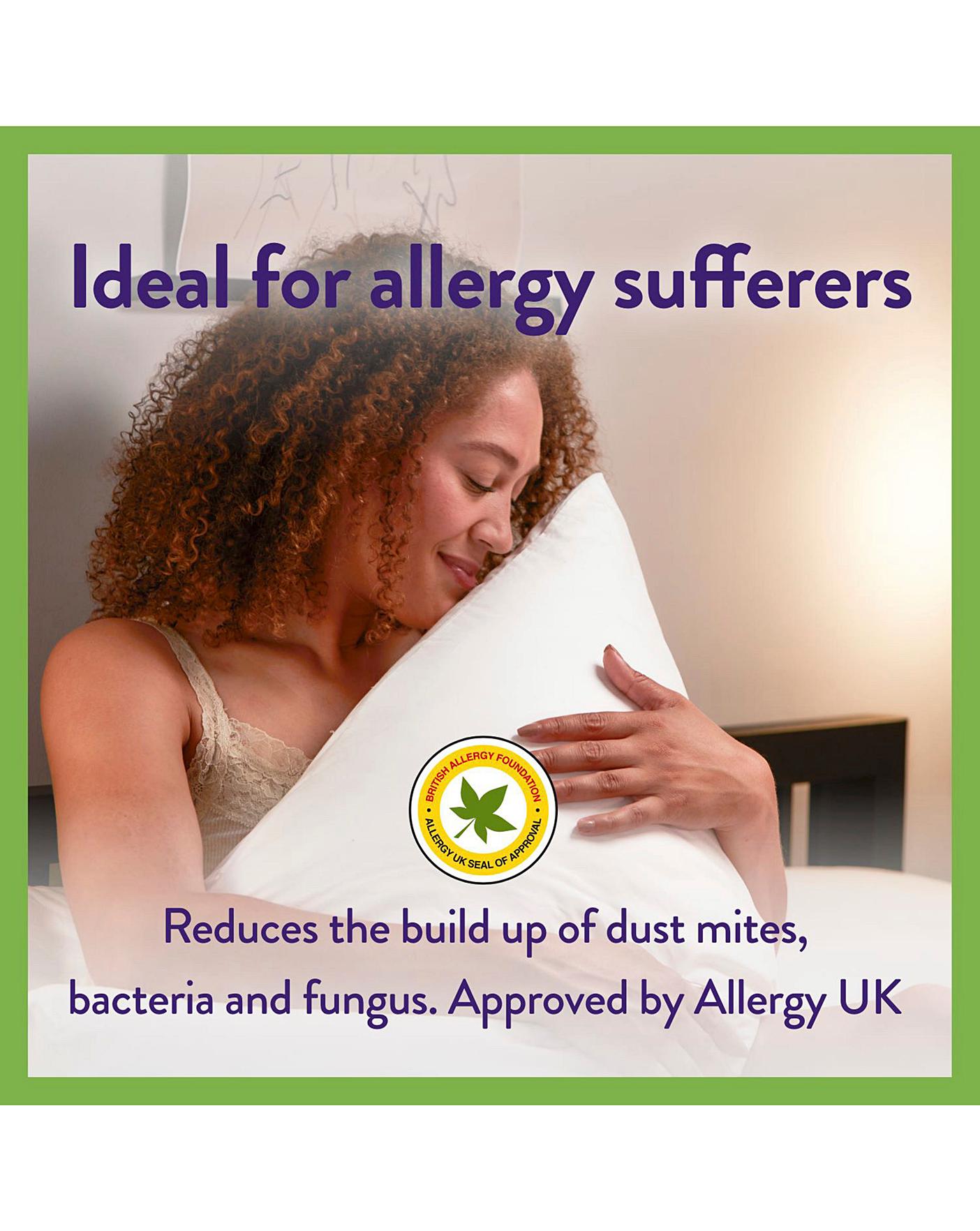
The primary benefit is the significant reduction in exposure to allergens. By preventing dust mites from colonizing the interior of the pillow, the user experiences a lower concentration of airborne proteins while sleeping. This leads to a marked decrease in symptoms like post-nasal drip, sinus pressure, and nocturnal coughing.
2. Ease of Maintenance and Hygiene
Most anti allergy pillows are designed to withstand frequent hot-water washing. High-temperature washing—typically at 60°C (140°F)—is the most effective way to neutralize dust mites. Because these pillows are crafted from durable synthetics, they maintain their structural integrity through repeated cleaning cycles, unlike down pillows that may lose their loft or clump when wet.
3. Long-Term Material Stability
Unlike natural fills, which can degrade or break down over years, high-quality anti allergy synthetic fills offer consistent neck and head support. This stability is crucial for those with allergies who also require orthopedic alignment. The materials are often certified as chemically inert, meaning they do not off-gas volatile organic compounds (VOCs) that can further irritate sensitive respiratory systems.
Material Analysis: What Should You Look For?
Not all products labeled "anti-allergy" provide the same level of protection. Consumers should evaluate the specific materials used in the cover and the internal fill.
| Material Type | Allergy Resistance | Breathability | Maintenance Requirements |
|---|---|---|---|
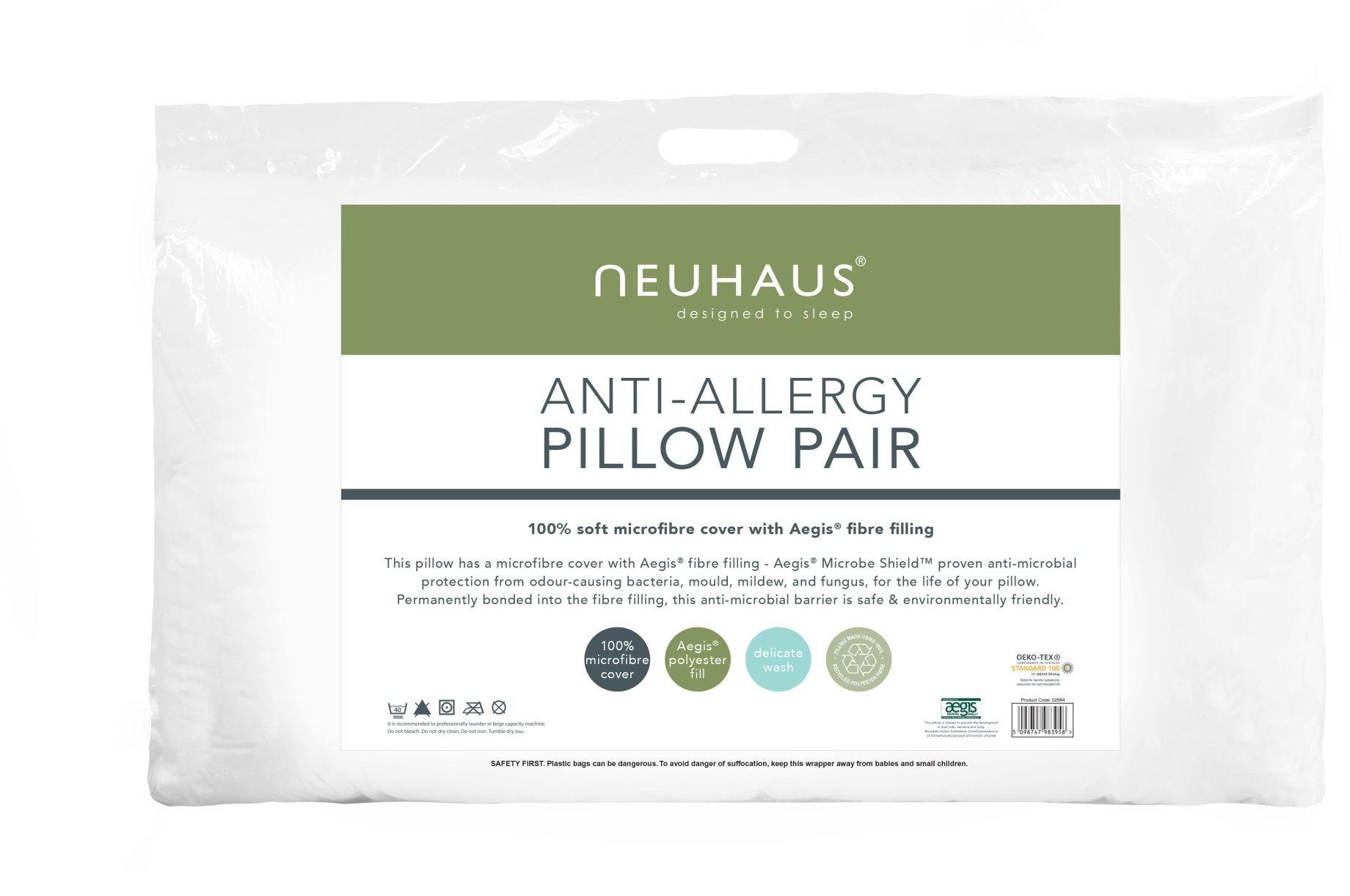
| Microfiber/Polyester | High | Moderate | Machine washable, quick dry |
| Memory Foam | High (Hypoallergenic) | Low | Spot clean only (covers washable) |
| Latex (Natural) | High (Antimicrobial) | High | Do not machine wash |
| Organic Cotton | Low (Unless treated) | Very High | Requires frequent washing |
For optimal results, prioritize pillows that explicitly mention an "allergy-proof" or "dust mite-resistant" weave. A high thread count alone is insufficient if the fabric is not specifically engineered as a physical barrier.
Addressing Common Misconceptions
A common error among consumers is the assumption that a pillow marked "hypoallergenic" is a cure-all for respiratory issues. "Hypoallergenic" is a marketing term indicating that a product is less likely to cause an allergic reaction, but it does not equate to a medical device. If your allergies persist despite switching to a new pillow, the source of the irritation may be your mattress, carpeting, or bedroom curtains.
Furthermore, buyers often overlook the importance of the pillowcase. An anti-allergy pillow is only as effective as the barrier between the user and the dust mites. Using a non-breathable, standard pillowcase over an anti-allergy pillow can negate the benefits of the specialized cover. It is advisable to use a secondary, breathable, anti-allergy protective encasement that zips shut to fully seal the pillow.
Guidelines for Maintenance and Replacement
In 2026, industry standards for bedding hygiene remain consistent: even the best anti-allergy pillow requires a disciplined maintenance schedule.
- Weekly Washing: Wash the pillowcase and protective encasement weekly in hot water (at least 60°C).
- Periodic Cleaning: Depending on the manufacturer's care instructions, the pillow itself should be washed every three to six months to remove accumulated skin cells and perspiration.
- The Replacement Cycle: Despite their protective qualities, pillows eventually lose their loft and support. Plan to replace your anti-allergy pillow every 18 to 24 months. Over time, even the most durable materials accumulate environmental dust and debris that can no longer be effectively cleaned, rendering them less effective at managing allergies.
Impact on Sleep Quality
The correlation between allergy management and sleep quality is well-documented in sleep medicine. When the airways are restricted by allergic inflammation, the body struggles to enter deep, restorative REM sleep. By clearing the path of allergens, users often report a reduction in the time it takes to fall asleep and a decrease in the number of times they wake up throughout the night. This cumulative effect leads to higher daytime alertness and improved cognitive function.
Frequently Asked Questions
Are anti allergy pillows effective against pet dander? Yes. Because pet dander is a microscopic particulate, the same tightly woven fabrics that block dust mites effectively trap pet dander, preventing it from migrating into the pillow core where it would otherwise settle and remain for long periods.
Should I buy a memory foam or synthetic fiber pillow for my allergies? Both are effective, but they serve different needs. Memory foam is naturally resistant to dust mites because it is a solid-state material, but it is not breathable. Synthetic fiber pillows are machine-washable, making them easier to deep-clean, which is often preferred for those with severe asthma.
Does price correlate with the effectiveness of an anti-allergy pillow? Higher-priced pillows often utilize more advanced fabric technology, such as silver-ion treatments or more breathable cooling membranes. However, the most important factor is the density of the weave, which can be found in a variety of price brackets. Always check for independent certification labels regarding mite-proofing.
Can these pillows help with eczema? Yes. Eczema (atopic dermatitis) can be triggered by dust mites. By reducing the presence of these allergens in the bed, you decrease the environmental triggers that contribute to skin flare-ups.
Do I need a doctor's recommendation to use these pillows? No, these are consumer goods. However, if your allergy symptoms are severe, disrupt your daily life, or include symptoms of anaphylaxis, you should consult an immunologist. Anti-allergy pillows are a management tool, not a medical replacement for allergy immunotherapy or prescribed medication.
Final Recommendations for Selection
When shopping for an anti-allergy pillow in 2026, start by identifying your primary physical discomfort—is it neck pain, or is it strictly respiratory? If you need orthopedic support, look for high-density foam with an allergy-proof cover. If you prefer a soft, plush feel, opt for high-quality synthetic hollowfiber that specifies "dust-mite proofing" in its technical description.
Always ensure the product provides a clear care label. If the pillow cannot be washed at a high enough temperature to kill mites, or if it lacks a removable, washable outer layer, it will eventually become a liability rather than a solution. Invest in a high-quality zippered pillow protector to seal the pillow completely, and commit to a consistent washing schedule to maintain a truly allergen-free sleeping environment.
Image Gallery
Select an image to open it in a new tab.




Vivian Cho
Executive IT and Emerging Technologies Reporter
