Comprehensive Guide to Business Entity Analysis: Purpose, Process, and Frameworks
Business entity analysis is the systematic examination of a commercial organization's legal structure, operational framework, ownership hierarchy, and financial liabilities to evaluate its stability, compliance, and suitability for specific transactions or partnerships. This rigorous evaluation determines how an enterprise is organized under state or national law, how tax obligations are distributed, and how liability is apportioned among stakeholders.
Foundations of Business Entity Analysis
A thorough review begins with understanding what a business entity is and why its architecture matters. Every commercial enterprise operates within a specific legal framework. This framework dictates its interactions with customers, vendors, regulatory bodies, and tax authorities.
Defining the Core Subject
At its core, a business entity is an organization created by legal or regulatory frameworks to engage in commercial activity, enter into contracts, own property, and incur liabilities separate from its human operators. Business entity analysis evaluates this structure to uncover potential risks and operational realities. Analysts examine formation documents, operational agreements, and regulatory filings to understand the true nature of the organization.
Why Structure Matters for Risk and Compliance
The legal structure of a business directly impacts risk management. For instance, a sole proprietorship offers no legal shield between business debts and personal assets. In contrast, a corporation or a limited liability company (LLC) establishes a formal barrier, protecting owners from many types of personal liability. Analysis helps stakeholders—such as prospective lenders, insurance underwriters, corporate legal teams, and prospective business partners—understand their exposure to risk. If an entity is improperly structured or lacks appropriate documentation, the legal veil can be pierced, exposing owners to unforeseen liabilities.
Primary Business Structures Subject to Analysis
Different legal structures present unique profiles during an evaluation. Analysts must account for the specific statutory rules governing each type of organization.
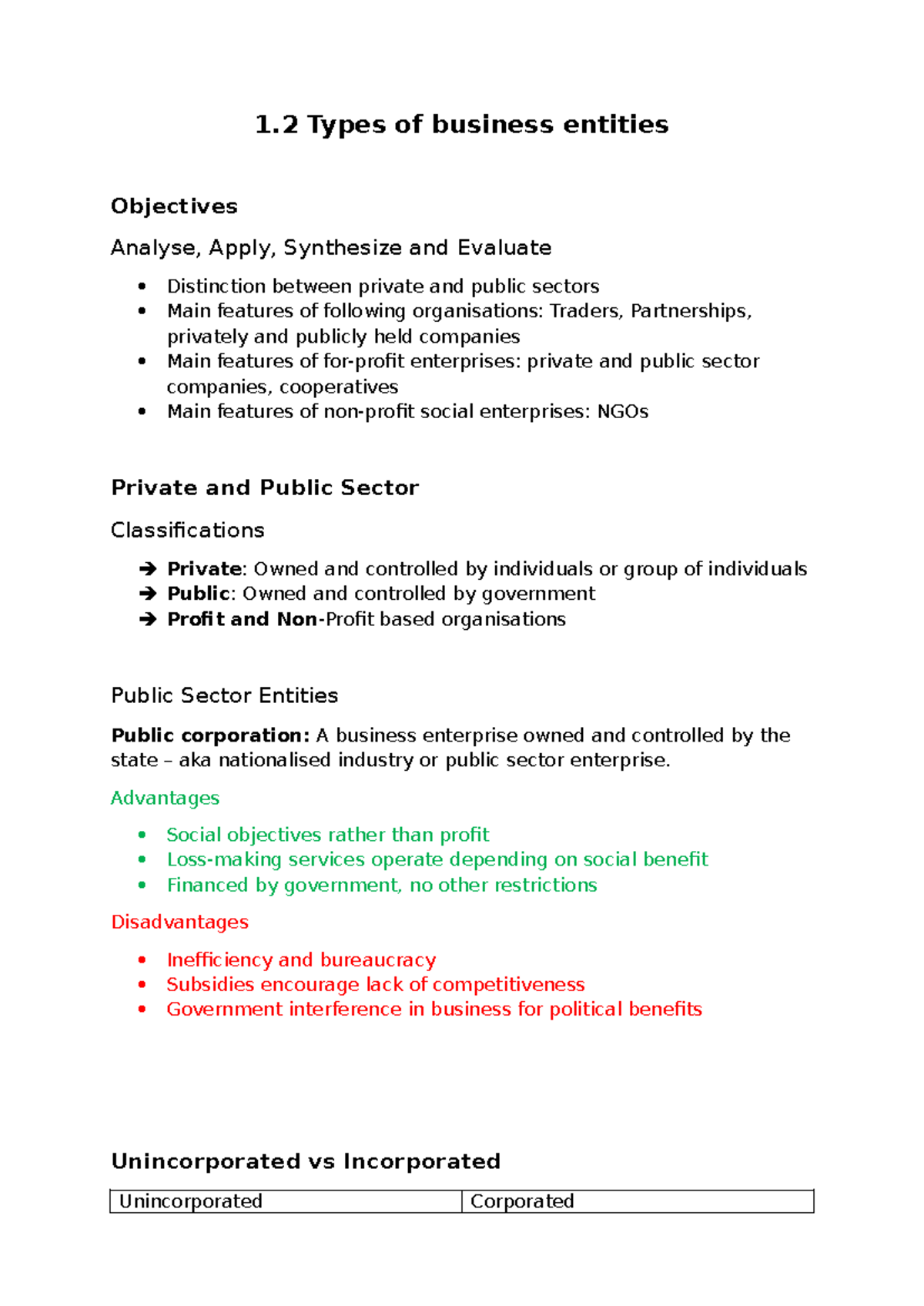
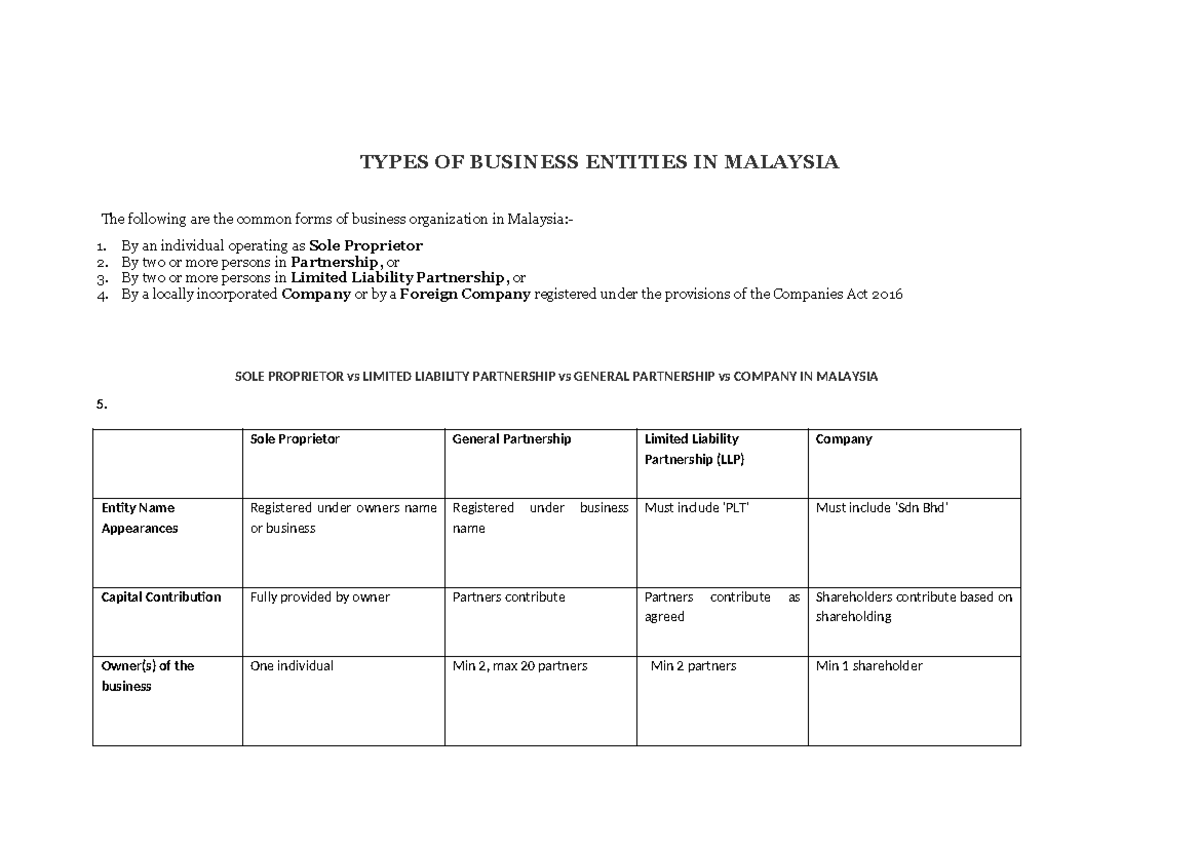
| Entity Type | Primary Liability Profile | Taxation Method |
|---|---|---|
| Sole Proprietorship | Personal / Unlimited | Pass-through (Schedule C) |
| Partnership | Joint and Several | Pass-through (Form 1065) |
| Limited Liability Co. | Limited to Investment | Pass-through or Corporate |
| C-Corporation | Limited to Investment | Entity-level (Form 1120) |
| S-Corporation | Limited to Investment | Pass-through (Form 1120S) |
Sole Proprietorships and Partnerships
Sole proprietorships are the simplest form of business, where the individual owner and the business are legally synonymous. Partnerships involve two or more individuals sharing ownership. During an analysis, these entities reveal high personal exposure for the owners. General partnerships, in particular, expose partners to joint and several liability, meaning one partner's actions can create personal debt for the others.
Limited Liability Companies (LLCs)
LLCs combine elements of corporate liability protection with partnership tax flexibility. Analysts reviewing an LLC must look closely at its operating agreement. This document outlines member voting rights, profit distributions, and procedures for adding or removing members. The absence of a clear operating agreement is a common red flag during entity analysis.
Corporations (C-Corps and S-Corps)
Corporations are distinct legal persons. C-corporations are subject to double taxation—once at the corporate level and again on shareholder dividends. S-corporations elect pass-through taxation status while maintaining corporate formalities. Analysis of corporations requires inspecting bylaws, shareholder agreements, minutes of annual meetings, and stock ledger records to ensure statutory compliance.
Step-by-Step Framework for Conducting an Entity Analysis
Conducting an effective evaluation requires a structured, repeatable methodology. Whether assessing a target for a merger, evaluating a vendor, or vetting a commercial insurance client, analysts follow a standardized sequence of investigative steps.
Step 1: Verification of Legal Existence and Standing
The first step is confirming that the target entity legally exists and is authorized to do business in its jurisdiction of formation and any foreign jurisdictions where it operates.
- State Registries: Review records maintained by the Secretary of State or equivalent corporate registry.
- Certificate of Good Standing: Request official documentation proving the entity is up to date on required state filings and franchise taxes.
- Assumed Names (DBAs): Identify any fictitious business names or "doing business as" designations tied to the primary entity.
Step 2: Ownership and Control Structure Review
Understanding who owns and controls the organization is critical for governance and compliance, particularly regarding anti-money laundering (AML) and know-your-customer (KYC) regulations.
- Beneficial Ownership: Identify individuals who own or control 25 percent or more of the company, or exercise substantial control.
- Subsidiary Trees: Map out parent-subsidiary relationships to understand the broader corporate family tree.
- Voting Rights: Examine class structures of stock or membership units to determine where ultimate control resides.
Step 3: Financial and Tax Classification Audit
The structural review must align with how the business reports its income and liabilities.
- Tax Elections: Verify whether an LLC is taxed as a disregarded entity, a partnership, or a corporation.
- Employer Identification Number (EIN): Confirm the validity of the federal tax identification number via IRS confirmation letters.
- Audited Financial Statements: Review balance sheets and income statements in the context of the entity type to spot irregularities.
Key Metrics and Verification Checklist
When evaluating an enterprise, analysts rely on a specific set of verification criteria to ensure accuracy. The checklist below outlines essential data points gathered during a comprehensive review.
- Legal Name Accuracy: Match the exact legal name across tax documents, bank accounts, and state registrations.
- Date and State of Formation: Verify the longevity and home jurisdiction of the enterprise.
- Active License Status: Check industry-specific operating licenses (e.g., contractor licenses, health permits).
- Litigation History: Search public court records for active lawsuits, judgments, or bankruptcy filings involving the entity or its principals.
- UCC Filings: Search state Uniform Commercial Code registries for existing liens against business assets.
Common Challenges and Pitfalls in Entity Analysis
Analysts frequently encounter obstacles that obscure the true nature of a business entity. Recognizing these pitfalls helps prevent costly miscalculations.
Outdated State Records
State business registries are not always updated in real time. An enterprise may show as "active" on a state website while actually being administratively dissolved or delinquent on local taxes. Relying solely on a basic database search without pulling a fresh Certificate of Good Standing introduces significant risk.
Complex Multi-Tiered Structures
Largely driven by tax planning or asset protection strategies, some businesses use complex webs of holding companies, trusts, and foreign subsidiaries. Untangling these multi-tiered structures requires specialized legal and forensic accounting expertise to identify the ultimate beneficial owners and isolate liabilities.
Unrecorded Operational Changes
Operating agreements and corporate bylaws are sometimes amended informally without proper documentation. An entity analysis that relies only on initial formation documents may miss crucial changes in voting thresholds, profit splits, or officer authorities.
Frequently Asked Questions
What is the primary purpose of a business entity analysis?
The primary purpose is to verify an organization's legal existence, ownership hierarchy, tax classification, and liability exposure. This protects stakeholders from fraud, regulatory penalties, and unforeseen financial losses.
How do I check if a business entity is in good standing?
You can verify an entity's status by visiting the official Secretary of State website in the state where the business was formed or registered. Most states offer online search tools or allow you to order an official Certificate of Good Standing for a nominal fee.
What is the difference between an EIN and a state entity number?
An Employer Identification Number (EIN) is issued by the federal government (IRS) for tax administration purposes. A state entity number is issued by a state's filing office upon the successful formation or registration of the business within that state.
Why is identifying beneficial owners important?
Identifying beneficial owners ensures compliance with federal anti-money laundering laws and reveals who ultimately controls the company's assets and decision-making processes.
Can a business operate in multiple states under one entity registration?
While a business is formed in one home state, operating physical locations, hiring employees, or maintaining a permanent presence in other states typically requires registering as a "foreign entity" in those additional jurisdictions.
Next Steps and Professional Guidance
For organizations conducting due diligence, partnering with specialized corporate attorneys, forensic accountants, or compliance officers ensures that complex structural risks are properly identified. Always consult qualified legal and financial professionals before finalizing major commercial transactions, mergers, or lending agreements based on business entity analysis.
Image Gallery
Select an image to open it in a new tab.

Declan O'Connor
Higher Education and Campus Culture Reporter
