On June 14, 2017, a targeted attack occurred at Eugene Simpson Stadium Park in Alexandria, Virginia, during a practice session for the annual Congressional Baseball Game for Charity. The assailant, James T. Hodgkinson, opened fire on Republican lawmakers and their staff, wounding five individuals, including House Majority Whip Steve Scalise, before being neutralized by law enforcement officers.
Context and Prelude to the Incident
The Congressional Baseball Game is a long-standing tradition in Washington, D.C., dating back to 1909. It serves as a bipartisan event designed to foster camaraderie between members of the House and Senate while raising funds for local charities, such as the Boys and Girls Clubs of Greater Washington and the Washington Literacy Center. By 2017, the game had grown into a highly anticipated spectacle, often attracting thousands of spectators and serving as a rare moment of unity in an otherwise polarized political climate.
On the morning of June 14, 2017, the Republican team was holding a final practice session in anticipation of the game scheduled for the following day at Nationals Park. The setting—a public park in a residential neighborhood—was chosen for its accessibility and proximity to Capitol Hill. Security at such practice sessions was historically minimal, reflecting the tradition of lawmakers engaging with the public and each other in a relaxed environment.
The Sequence of Events on June 14
At approximately 7:00 a.m. EDT, the perpetrator approached the practice field and began firing with a rifle. The rapid onset of the violence caught the lawmakers and staff, who were positioned on the field and in the dugout, largely off guard.
The presence of Capitol Police officers—who were assigned to protect Steve Scalise due to his leadership position—proved to be the decisive factor in preventing a significantly higher death toll. Special Agents Crystal Griner and David Bailey, despite being wounded in the initial exchange, engaged the shooter and provided cover for others to seek safety. Their decisive action initiated a prolonged firefight, allowing other local police units from Alexandria to arrive on the scene.
The shooter was struck by return fire from the officers and succumbed to his wounds shortly after being transported to a medical facility. The entire encounter lasted roughly ten minutes, leaving a lasting impact on the survivors, the families involved, and the institution of Congress.
Medical Impact and Recovery
The casualties of the attack included Representative Steve Scalise, who sustained a life-threatening gunshot wound to the hip. He was transported to MedStar Washington Hospital Center, where he underwent multiple surgeries and spent several weeks in intensive care. His recovery was monitored closely by the public, and his eventual return to the House floor served as a significant moment of personal and institutional resilience.
Other individuals wounded in the attack included:
- Zachary Barth: A congressional staffer.
- Matt Mika: A lobbyist and former congressional staffer.
- Crystal Griner: A Capitol Police Special Agent.
- David Bailey: A Capitol Police Special Agent.
The psychological toll on those present—many of whom witnessed the events from the dugout or the field—was profound. Post-traumatic stress and the necessity of re-evaluating the physical safety of public officials became central themes in the aftermath of the tragedy.
Security Protocols and Institutional Changes
Prior to 2017, the security posture for members of Congress outside of the Capitol complex was relatively informal. Lawmakers frequently attended public events and traveled with minimal or no personal security details. The 2017 shooting fundamentally altered this calculus.
Following the investigation conducted by the Federal Bureau of Investigation (FBI) and local law enforcement, the United States Capitol Police (USCP) underwent a strategic review of their protective operations. Key changes implemented in the years following include:
- Enhanced Protective Detail: Increased the frequency and size of security details for leadership and members deemed to be at elevated risk.
- Threat Assessment Capabilities: Strengthened the Intelligence and Interagency Coordination Division to better identify and mitigate potential threats originating from social media or public communications.
- Regional Coordination: Formalized protocols for rapid response between the USCP and local municipal police departments in the D.C. metropolitan area.
- Security Briefings: Increased the frequency of safety training and situational awareness briefings for members of Congress and their staff.
Comparative Security Measures
The following table illustrates the shift in security awareness and protocol for members of Congress following the 2017 incident compared to historical standards.
| Feature | Pre-2017 Standard | Post-2017 Standard |
|---|---|---|
| Public Event Security | Minimal to none | Pre-event threat assessment required |
| Lawmaker Protection | Leadership-focused | Risk-based individual protection |
| Staff Training | General safety | Active shooter preparedness |
| Law Enforcement Liaison | Ad-hoc communication | Formalized multi-agency response |
Investigation and Findings
The FBI’s investigation concluded that the attacker was a politically motivated individual who had traveled from his home state to the D.C. area with the specific intent of targeting Republican members of Congress. The investigation analyzed the shooter’s digital footprint, communications, and historical grievances, confirming that the attack was a case of targeted political violence.
The incident was officially classified as a domestic violent extremism event. The findings underscored the vulnerability of public figures to individuals who radicalize in isolation, a challenge that remains a focal point for federal law enforcement agencies in 2026.
Public and Political Response
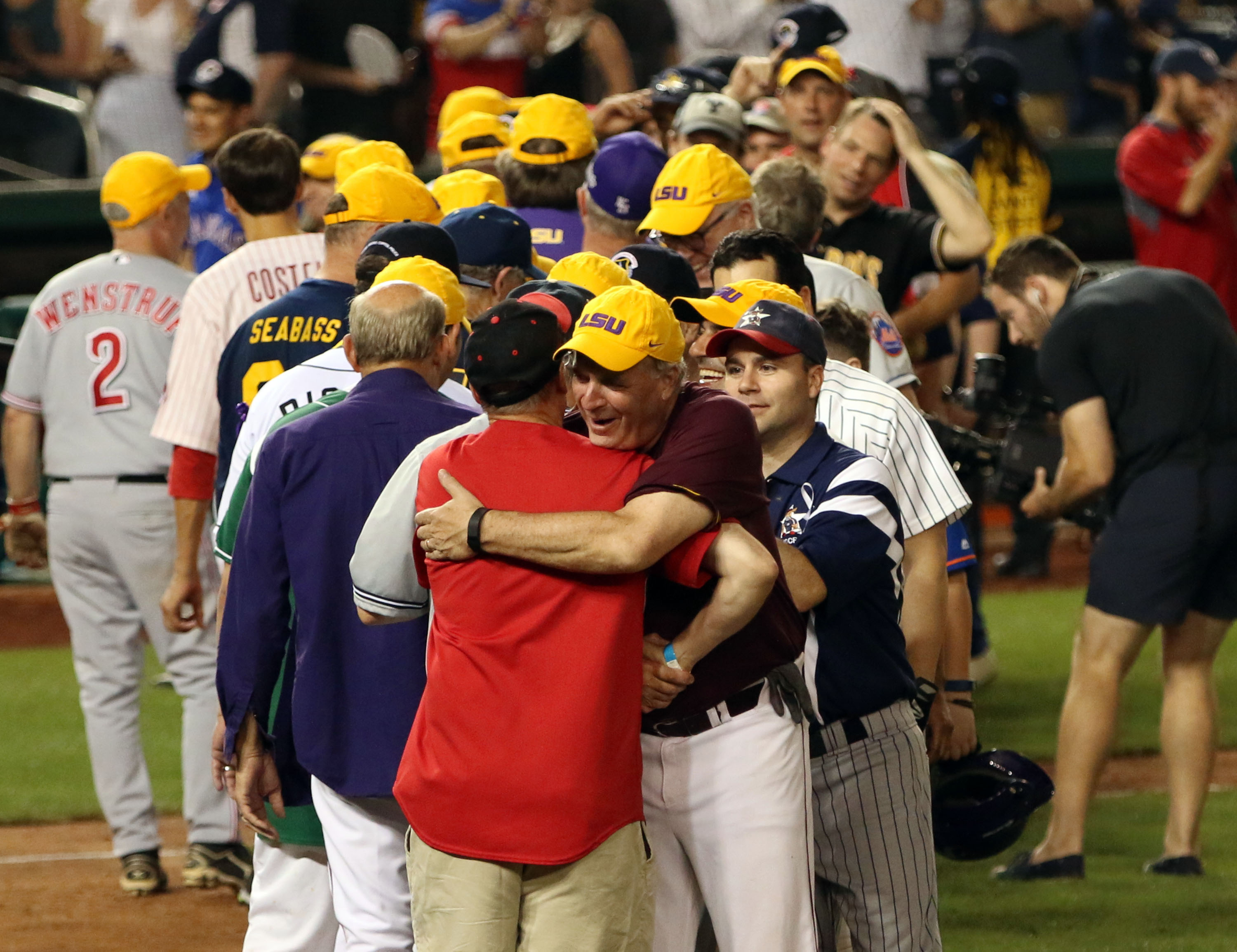
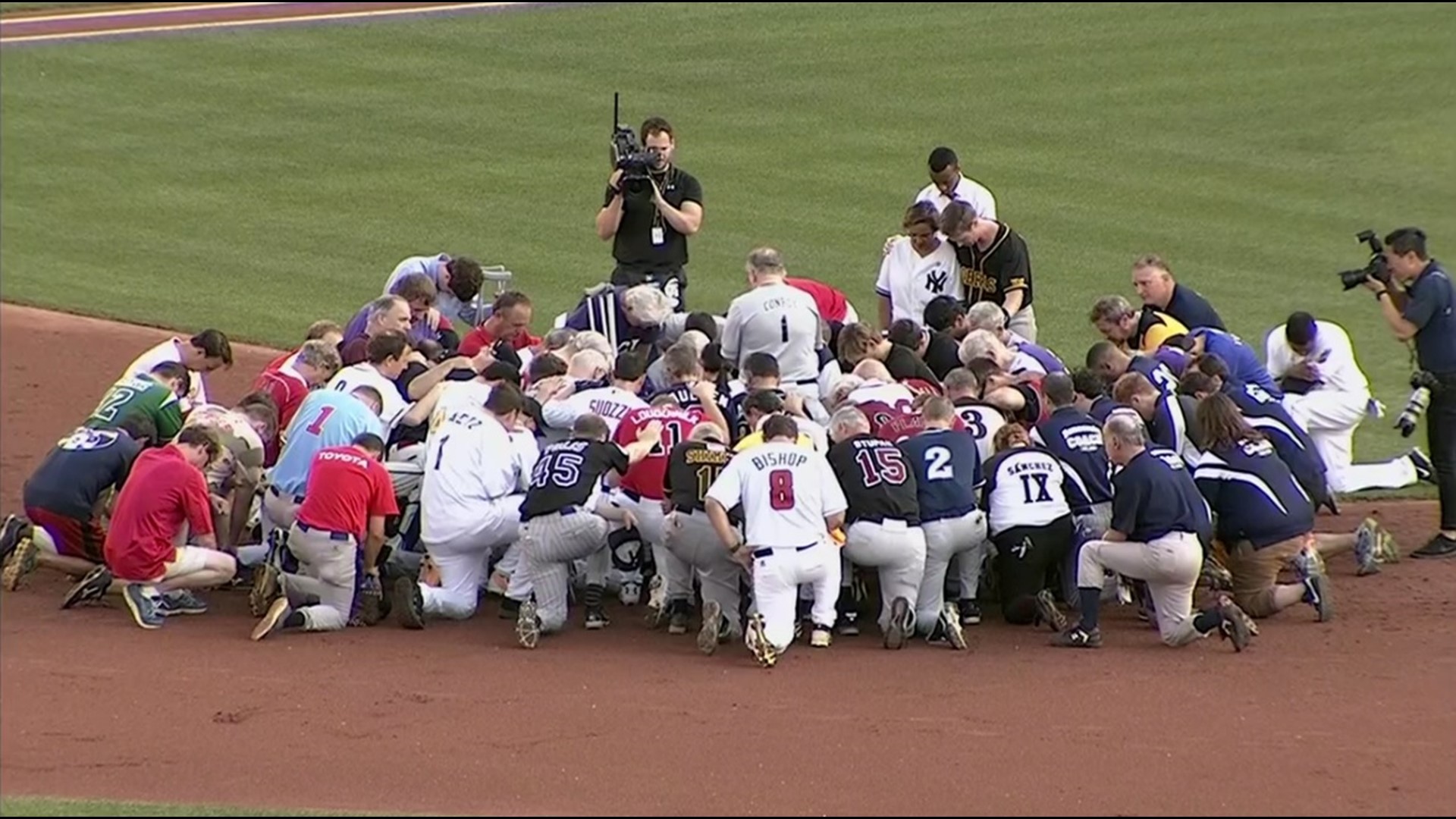
In the immediate aftermath, the 2017 Congressional Baseball Game proceeded as planned. The event, held at Nationals Park, drew a record-breaking crowd of over 24,000 spectators and raised over $1 million for charity. This act of public defiance was widely interpreted as an attempt to restore a sense of normalcy and reinforce the democratic principle that violence cannot deter the representative process.
Leaders from both the Republican and Democratic parties issued statements condemning the violence, emphasizing that political disagreements should never manifest as physical harm. While the event initially fostered a brief period of unity, it also ignited intense debate regarding gun control, the rhetoric used in political discourse, and the degree to which security should be integrated into the private lives of elected officials.
Long-term Legacy
By 2026, the 2017 shooting remains a defining moment in the history of the United States Congress. It stands as a reminder of the inherent risks faced by those in public service and the evolving nature of domestic threats. The legislative community continues to navigate the balance between maintaining accessibility to constituents—a core tenet of American democracy—and ensuring the survival of the institution’s members.
The events of June 14, 2017, are now studied as a case study in executive protection, emergency medical response in active shooter scenarios, and the resilience of democratic institutions under pressure.
Frequently Asked Questions
What was the specific motive identified for the attack? The FBI investigation concluded that the shooter held strong anti-Republican political views and intentionally targeted the baseball practice to attack Republican lawmakers.
How did the event affect the security of other public figures? The attack necessitated a broader review of protective services for both federal and state-level officials, leading to more rigorous threat assessment and the hardening of public schedules.
Are Capitol Police officers present at all congressional events now? While not all events have a heavy police presence, the protocol for evaluating the risk associated with a member's public appearance has become far more formalized and comprehensive than it was before 2017.
Was the 2017 Congressional Baseball Game cancelled? No, the game went ahead the following day. It became a symbol of national unity and resilience, with players from both teams choosing to wear hats representing the victims' teams to demonstrate solidarity.
What is the current status of the victims? Most victims recovered and returned to their professional duties, though the physical and psychological impact of the incident remains a significant part of their public service narrative.
Recommendation for Further Understanding
For those interested in the official record, the United States Capitol Police and the Department of Justice have published numerous reports on the security advancements made in the years since 2017. Additionally, survivors have periodically shared their experiences in various forums, which provide critical insight into the impact of the attack on the legislative process and the importance of continued vigilance in public safety.

Image Gallery
Select an image to open it in a new tab.


Declan O'Connor
Higher Education and Campus Culture Reporter
