
Radiohead’s 1992 debut single, "Creep," is a seminal exploration of self-loathing, unrequited longing, and the profound feeling of alienation. The song centers on the narrator’s intense obsession with a person they deem "perfect," while simultaneously grappling with an overwhelming sense of inadequacy, viewing themselves as an outsider who does not belong in the presence of someone so idealized.
The Narrative Core of Creep
At its heart, "Creep" is a character study of a person trapped in a cycle of self-deprecation. The lyrics follow a specific narrative arc: the narrator observes an idealized woman from afar, feeling both mesmerized by her beauty and entirely unworthy of her attention. This dynamic establishes a power imbalance, not necessarily inflicted by the woman, but rather self-imposed by the narrator.
The chorus serves as the emotional release of the track, where the narrator explicitly identifies as a "creep" and a "weirdo." This admission is a form of preemptive defense; by labeling oneself as undesirable or aberrant, the narrator attempts to process the pain of being unnoticed or rejected. The song captures the specific, visceral ache of wanting to be seen, while simultaneously fearing that being truly seen would lead to immediate rejection. It is this duality—the desire for intimacy coupled with the conviction that one is fundamentally flawed—that resonated with listeners and turned the track into an anthem for the disillusioned.
Historical Context and Creative Origin
"Creep" was released as a single in 1992 and later appeared on the band’s debut studio album, Pablo Honey (1993). While it eventually became an international hit, its initial reception was lukewarm. The song's composition involved a blend of Radiohead's internal creative tensions and the influence of external musical motifs.
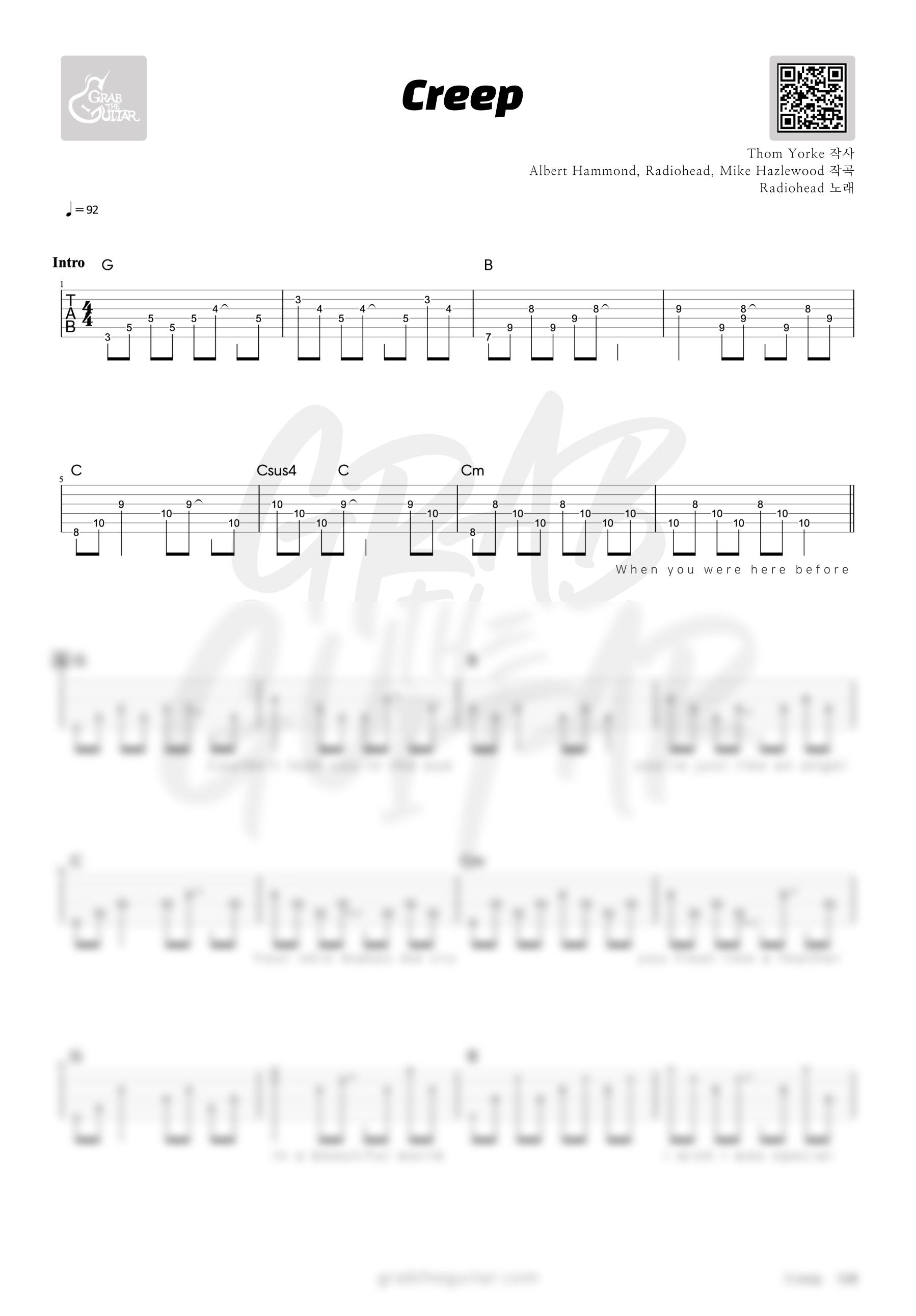
Thom Yorke, the band’s lead singer, has frequently spoken about the inspiration behind the track. He has described it as being based on an experience with a woman he followed to a local bar, a situation that highlighted his own insecurities. The song emerged from this moment of vulnerability, written during the band’s early rehearsals. The distinctive "crunching" guitar sound, provided by Jonny Greenwood, was an intentional intervention. Greenwood, feeling the song was too soft, played the aggressive, jarring guitar stabs before the chorus to signal his dissatisfaction with the track's tempo and perceived fragility. These guitar licks became the song's defining technical feature, anchoring the emotional intensity of the lyrics.
Psychological Themes: Alienation and Idealization
The enduring relevance of "Creep" lies in its raw portrayal of human insecurity. By analyzing the lyrical content, we can identify several psychological themes that contribute to its "anthemic" status:
- The Idealized Other: The lyrics describe a person who seems to exist on a different plane of reality, possessing a grace or "specialness" that the narrator lacks. This elevation of the subject is a classic symptom of infatuation, where the observer projects their own needs onto another.
- The Self-Concept Gap: The narrator’s identity is built around the "creep" persona. This represents a significant gap between who they are and who they believe they should be to deserve love.
- Voluntary Isolation: The narrator does not just feel like an outsider; they act as one. The insistence on being a "weirdo" functions as a wall, preventing the very connection they crave. By claiming the status of an outcast, the narrator avoids the risks associated with genuine vulnerability.
Comparative Analysis of Lyrical Intensity
To understand the impact of "Creep," it is helpful to look at how it fits into the broader landscape of early 90s alternative rock. While many bands of the era were exploring themes of angst, "Creep" stood out due to its relentless focus on internal, rather than external, conflict.
| Feature | Radiohead: Creep | Generic Alternative Rock (c. 1992) |
|---|---|---|
| Primary Focus | Internal self-loathing | External social rebellion |
| Tempo | Slow, building tension | High energy, fast-paced |
| Instrumentation | Clean verses, aggressive bridge | Consistent distortion |
| Vocal Style | Vulnerable to explosive | Shouted or aggressive |
| Key Emotion | Inadequacy | Frustration/Anger |
The distinction is clear: while other tracks of the period sought to tear down societal structures, "Creep" sought to explore the crumbling internal state of a single individual. This shift toward the introspective was one of the factors that allowed the song to age differently than much of the aggressive rock of the period.
The Evolution of the Song’s Reception
By 2026, "Creep" has transcended its origins as a grunge-adjacent hit to become a cultural artifact. For years, the band had a famously strained relationship with the track. As Radiohead evolved into an experimental, highly technical group with albums like OK Computer and Kid A, "Creep" began to feel like an albatross—a representation of a band that no longer existed.
However, the song’s legacy has since stabilized. It is now viewed as an honest moment of creative expression from a young band rather than a definitive statement of their entire body of work. The song’s ubiquity in films, television shows, and covers has ensured that new generations remain familiar with its hook, regardless of whether they have engaged with the band's later, more abstract output.
Common Misconceptions
One frequent error in interpreting "Creep" is the assumption that it is a love song. It is, in fact, a song about the impossibility of love caused by a lack of self-worth. Another misconception is that the song’s intensity is purely performative. While the composition is highly crafted—utilizing the "loud-quiet-loud" dynamic popularized by the Pixies—the emotional core is rooted in genuine, albeit magnified, youthful experience.
Furthermore, some critics initially dismissed the track as derivative. While there are undeniable structural similarities to earlier songs like The Hollies' "The Air That I Breathe," Radiohead’s execution was sufficiently distinct to redefine the tropes of the genre for a new decade. The resolution of this specific dispute resulted in the addition of Albert Hammond and Mike Hazlewood as co-writers for the track, a legal acknowledgment of the musical lineage rather than a denigration of the band's creative intent.
Frequently Asked Questions
Is Creep considered a grunge song?
While it emerged during the height of the grunge era and shares some aesthetic traits with the genre—such as distorted guitar and themes of alienation—it is more accurately classified as alternative rock. It lacks the specific stylistic hallmarks of Seattle-based grunge, though it fit perfectly into the radio climate of the time.
Why did Radiohead stop playing Creep?
For many years, the band felt "Creep" did not represent their artistic maturity. They grew weary of audiences demanding the hit at the expense of their newer, more experimental material. However, they have performed it live sporadically in later years, suggesting a more comfortable reconciliation with the song's place in their history.
What is the significance of the "crunching" sound?
The aggressive guitar stabs before the chorus were improvised by guitarist Jonny Greenwood. He has stated that he felt the song was too quiet and needed a more visceral, physical element to properly punctuate the lyrics about being a "creep." It acts as a sonic manifestation of the narrator's self-hatred.
Did Radiohead write "The Air That I Breathe"?
No. The song shares a chord progression and melodic phrasing with "The Air That I Breathe," written by Albert Hammond and Mike Hazlewood. Due to these similarities, Radiohead reached an agreement to include Hammond and Hazlewood as writers on "Creep," granting them a portion of the royalties.
How does the song resolve?
The song does not offer a resolution for the narrator. It ends on the same note of longing and confusion as it begins. This is intentional; it refuses to provide a "happy ending," staying true to the theme of persistent, unrequited insecurity.
Final Perspective
"Creep" remains a masterclass in capturing a specific, often painful, human emotion. Its longevity is not the result of a complex intellectual puzzle, but rather the clarity with which it expresses a feeling that most people have experienced at some point in their lives. To truly understand the song, one must look past the 1990s production values and recognize that the narrator’s struggle is less about the woman they are watching and entirely about the internal narrative they have built for themselves. For those interested in the song’s technical construction, listening to early live versions highlights the raw, unpolished energy that allowed the studio recording to capture the world's attention.
Image Gallery
Select an image to open it in a new tab.

Ingrid Bjornson
Global Cyber Policy and Regulation Analyst
