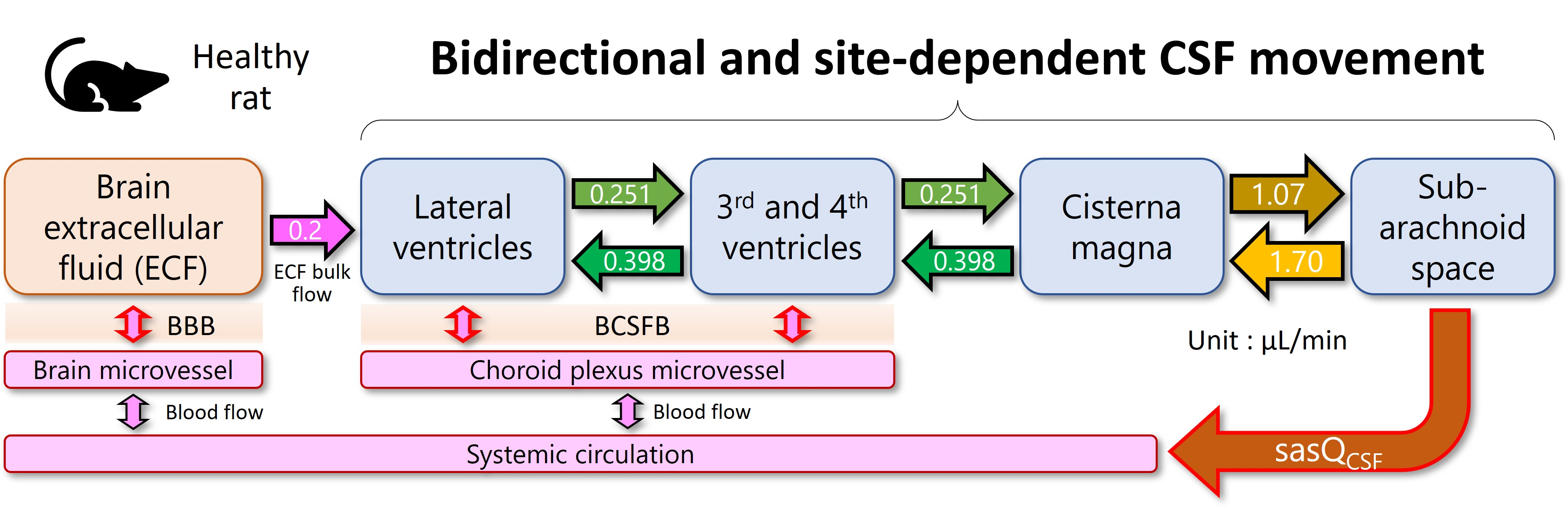
Pharmacokinetics, often abbreviated as PK, is the study of how a biological system—specifically the human body—affects a drug. It systematically maps the journey of a pharmaceutical substance from the moment it enters the body until it is completely eliminated, focusing on four primary processes: absorption, distribution, metabolism, and excretion.
By analyzing these pathways, researchers and clinicians can determine the correct dosage, frequency of administration, and potential for drug interactions, ensuring that therapeutic treatments are both effective and safe for patients.
The Core Concept: ADME Framework
To understand what PK does in a clinical or research setting, one must examine the ADME acronym. This framework describes the time course of drug concentration in the body, which dictates the intensity and duration of the pharmacological effect.
Absorption
Absorption is the process by which a drug enters the systemic circulation. This stage is heavily influenced by the route of administration, such as oral, intravenous, intramuscular, or transdermal. For oral medications, the drug must dissolve in the gastrointestinal fluids, pass through the intestinal wall, and resist initial degradation by liver enzymes before reaching the bloodstream. Factors such as stomach pH, the presence of food, and the physical formulation of the pill (e.g., extended-release coatings) play critical roles in determining the rate and extent of absorption.
Distribution
Once the drug reaches the systemic circulation, it must travel to its target site—such as an organ, tissue, or specific cell type—to exert its effect. Distribution is not uniform throughout the body. It depends on factors like blood flow to specific tissues, the drug’s lipid solubility, and its affinity for binding to plasma proteins like albumin. A drug that binds heavily to plasma proteins may have a slower onset of action because only the "free" or unbound fraction of the drug is typically able to cross cell membranes to reach its target.
Metabolism
Metabolism represents the chemical alteration of the drug, primarily occurring in the liver. The body views most drugs as foreign substances (xenobiotics) and utilizes specialized enzymes, most notably the Cytochrome P450 (CYP) system, to transform them. The goal of metabolism is usually to make the drug more water-soluble, which facilitates its removal from the body. This process can convert an inactive "prodrug" into an active form, or conversely, deactivate an active drug to terminate its therapeutic effect.
Excretion
Excretion is the final clearance of the drug or its metabolites from the body. The kidneys are the primary organs of excretion, filtering substances through the urine. However, other pathways exist, including bile, feces, sweat, and exhaled air. Measuring the rate of excretion—often expressed as the elimination half-life—is vital for determining how frequently a patient needs to take a medication to maintain therapeutic levels without reaching toxicity.
Why Pharmacokinetics Matters in Clinical Practice
PK is the bridge between a chemical compound and a clinical outcome. Without an understanding of these processes, medical professionals would be unable to predict how a drug behaves in diverse populations, including children, the elderly, and individuals with organ impairment.
Determining Dosage Regimens
The "therapeutic window" is the range between the minimum concentration required for a drug to be effective and the concentration at which it becomes toxic. Pharmacokinetic modeling allows doctors to calculate a dosing schedule that keeps the drug concentration within this window. If a drug is excreted very quickly, it requires more frequent dosing or a specialized formulation. If it is metabolized slowly, less frequent dosing is necessary to prevent accumulation and potential side effects.
Analyzing Drug Interactions
Many drugs compete for the same metabolic pathways. If a patient is taking two drugs that are metabolized by the same enzyme (such as CYP3A4), one drug may "block" the metabolism of the other, causing the second drug to build up to dangerous, toxic levels in the bloodstream. Understanding the PK profile of a patient’s entire medication list is a standard safety protocol to avoid these interactions.
Personalization and Precision Medicine
In 2026, the field of pharmacokinetics is increasingly integrated with pharmacogenomics. Genetic testing can reveal if an individual possesses variants in their metabolic enzymes—essentially making them "fast," "normal," or "slow" metabolizers of certain drugs. By adjusting dosages based on an individual’s specific genetic profile, providers can maximize efficacy while minimizing adverse reactions, moving away from a "one-size-fits-all" approach.

Comparison of Common Administration Routes
The choice of administration route significantly alters the pharmacokinetic profile of a drug, as shown in the table below.
| Route | Onset of Action | Absorption Issues | Main Use Case |
|---|---|---|---|
| Intravenous (IV) | Immediate | None (100% bioavailability) | Critical care, emergency |
| Oral (PO) | Slow to Moderate | Dependent on digestion/food | Daily maintenance, home use |
| Intramuscular (IM) | Moderate | Dependent on blood flow | Vaccines, depot injections |
| Transdermal | Very Slow | Skin permeability | Chronic management |
| Inhalation | Rapid | Surface area of lungs | Asthma, anesthesia |
Frequently Asked Questions
1. How does pharmacokinetics differ from pharmacodynamics?
Pharmacokinetics is what the body does to the drug (absorption, distribution, metabolism, excretion). Pharmacodynamics is what the drug does to the body (the physiological or therapeutic effect). They work together to define the total relationship between the medicine and the patient.
2. What is a "half-life" in terms of PK?
The half-life of a drug is the time required for the concentration of the drug in the blood to decrease by 50%. It is a critical metric for determining how long a drug stays in your system and how long it takes to reach a "steady state" where the input of the drug equals the output.
3. Can food affect how a drug works?
Yes, food can significantly alter absorption. Some drugs need the presence of fat to be absorbed properly, while others must be taken on an empty stomach because food can decrease their bioavailability or cause chemical interactions that render the drug ineffective.
4. Why are elderly patients more sensitive to drugs?
As the body ages, kidney and liver function often decline. Because these organs are responsible for metabolism and excretion, drugs may stay in an elderly patient's system longer than intended. Clinicians often adjust dosages downward for older patients to account for this reduced clearance.
5. What happens during "first-pass metabolism"?
When a drug is taken orally, it travels from the gut to the liver via the portal vein before it reaches the rest of the body. The liver may metabolize a significant portion of the drug during this first pass, reducing the amount that eventually enters the systemic circulation. This is why oral doses are often higher than IV doses for the same medication.
Practical Considerations for Patients
When you are prescribed a new medication, your physician is applying pharmacokinetic principles to determine your dosage. To ensure the medication performs as intended, it is essential to follow the administration instructions precisely. Taking a medication "with food" or "on an empty stomach" is not a suggestion; it is a clinical requirement based on the drug’s PK profile to ensure that the optimal amount of the substance is absorbed into your bloodstream.
If you suspect that a medication is causing adverse effects or failing to provide relief, consult your healthcare provider rather than altering your dose yourself. Because drugs have specific half-lives, erratic dosing can lead to unstable concentration levels, which can either leave you unprotected or push the drug concentration into a toxic range. Always provide a full list of your current medications and supplements to your doctor, as these may contain ingredients that interfere with the metabolic pathways your new prescription relies on.
By respecting the underlying biology that dictates how your body processes medicine, you contribute to safer and more predictable therapeutic outcomes.
Image Gallery
Select an image to open it in a new tab.


Ingrid Bjornson
Global Cyber Policy and Regulation Analyst
