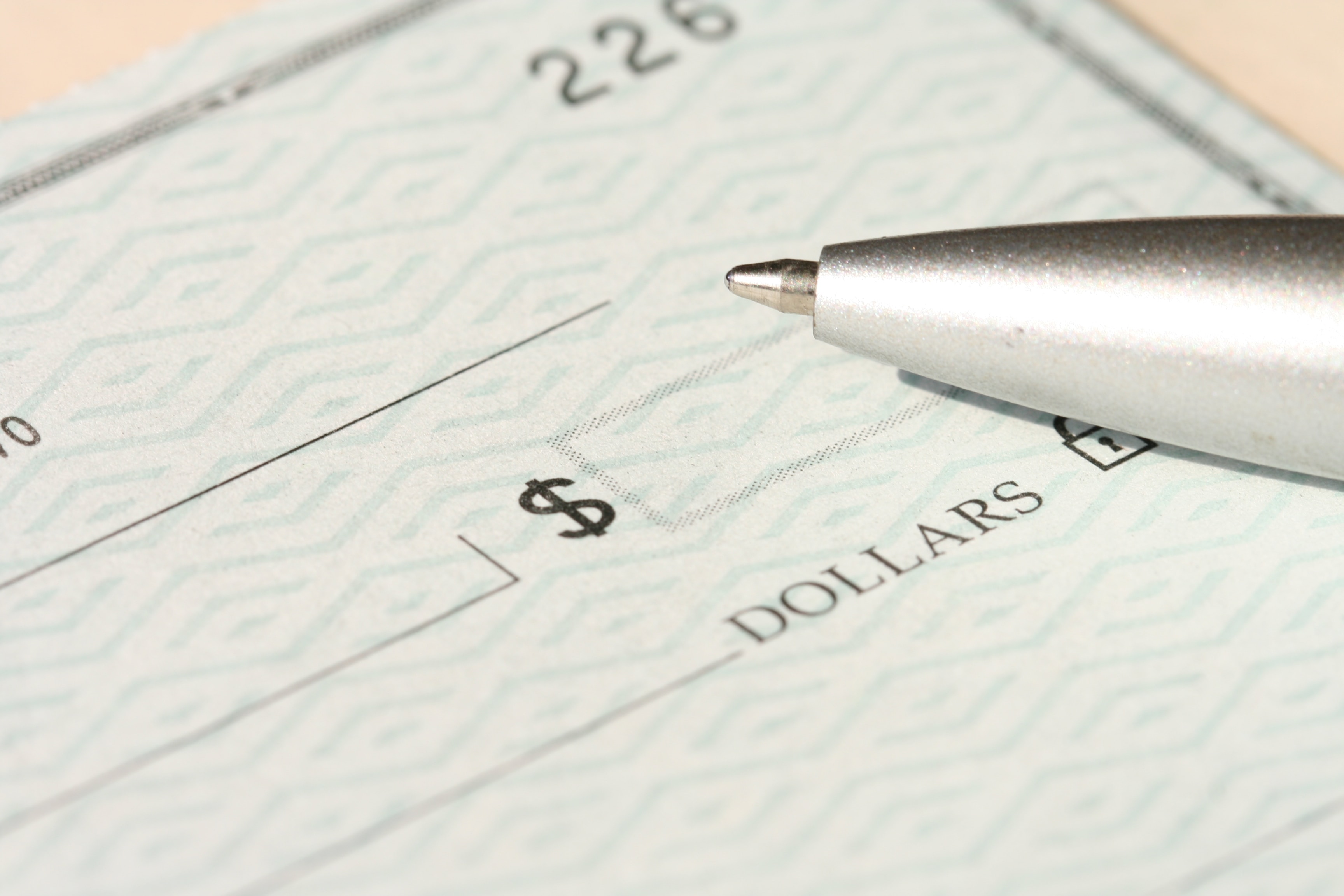
A personal check is a written, dated, and signed instrument that directs a financial institution to pay a specific amount of money from the payer’s checking account to a designated payee. Despite the rise of instant digital payments, personal checks remain a fundamental, legally recognized tool for secure, traceable transactions, particularly for high-value purchases, rent payments, and formal business obligations.
The Anatomy of a Personal Check
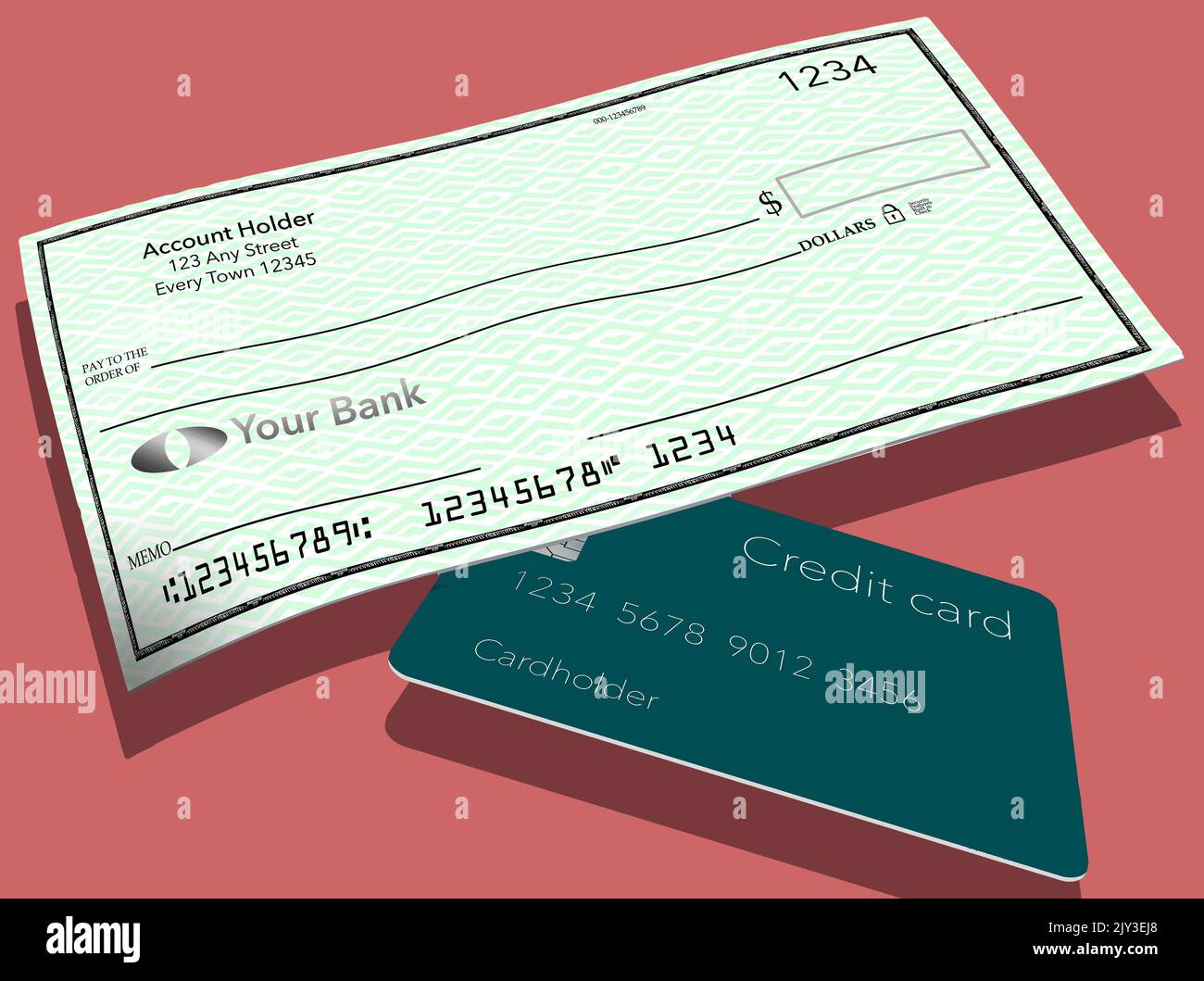
To utilize a personal check effectively, one must understand its standardized physical components. Every check serves as a legal document containing specific data fields that allow banks to process the transfer of funds reliably.
- Payer Information: Located in the top-left corner, this displays your name, address, and contact information.
- Check Number: Usually found in the top-right corner and again in the MICR (Magnetic Ink Character Recognition) line at the bottom, this helps you track payments in your register.
- Date Line: Crucial for legal validity. A check must be dated to be processed, though post-dating a check—writing a future date on it—does not technically prevent a bank from cashing it early in many jurisdictions, so it should not be relied upon as a payment delay mechanism.
- Payee Line: The "Pay to the Order of" line is where you designate the recipient. It is critical to write this clearly to prevent unauthorized tampering.
- Amount Box and Amount Line: You must write the numeric amount in the box and the written-out amount on the long line. In the event of a discrepancy, the written-out words generally take precedence in banking law.
- Memo Line: An optional field for reference, such as an account number or invoice identifier, which assists both the sender and receiver in reconciling the payment.
- Signature Line: The bottom-right corner must bear the authorized signature of the account holder. Without this, the check is null and void.
- MICR Line: The series of numbers at the bottom, printed in magnetic ink, contains the bank’s routing number, your account number, and the check number. This allows high-speed automated sorting and clearing by the Federal Reserve and commercial banks.
How Personal Checks Facilitate Fund Transfer
When you hand a check to a payee, the process begins a journey known as the clearing cycle. Understanding this workflow helps you avoid common pitfalls like non-sufficient funds (NSF).
- Presentment: The payee deposits or cashes the check at their own financial institution or via a mobile check deposit service.
- Encoding and Transit: The payee’s bank captures the MICR data and transmits the information electronically to the paying bank.
- Verification: Your bank verifies your signature and confirms that sufficient funds are available in your account.
- Settlement: The funds are debited from your account and credited to the payee’s bank account. This can take anywhere from one to three business days, depending on the institutions involved and the time of deposit.
Security and Fraud Prevention
Because a personal check contains your name, address, and account numbers, it is a target for identity theft. Managing your checks responsibly is an essential part of everyday banking hygiene.
- Keep Records: Always maintain a check register. Writing down every check number, date, payee, and amount ensures you have an audit trail for your finances.
- Never Sign in Blank: A signed check is as good as cash to anyone who finds it. Only sign a check once you have filled in all other fields.
- Secure Storage: Keep your checkbook in a locked location. If you lose your checkbook, notify your bank immediately to stop payment on any uncashed checks.
- Destroy Spoiled Checks: If you make a mistake while writing a check, write "VOID" in large letters across the face of the document and tear it up or shred it before discarding it.
- Monitor Your Account: Regularly reconcile your bank statement with your register. In 2026, most banking apps provide instant transaction alerts, which are the most effective way to detect unauthorized check activity early.
Comparing Payment Methods
While personal checks are indispensable for certain transactions, they are not always the fastest or most convenient option. The table below outlines how personal checks compare to other common payment vehicles.
| Feature | Personal Check | Debit Card | Wire Transfer | Peer-to-Peer App |
|---|---|---|---|---|
| Speed | 1–3 Business Days | Instant | 24–48 Hours | Instant |
| Traceability | High | High | High | Moderate |
| Cost | Usually Free | Free | High Fees | Low to Free |
| Best For | Rent, Taxes, B2B | Daily Retail | Large Transactions | Friends/Family |
| Security | Medium | Medium | Very High | Variable |
Common Pitfalls and Troubleshooting
Even experienced banking customers occasionally face issues with checks. Proactive management can mitigate these risks.
Non-Sufficient Funds (NSF) or "Bouncing" a Check: If you write a check for an amount exceeding your account balance, the bank may return it unpaid. This triggers an NSF fee from your bank, and the recipient may charge a "returned check fee" as well. Always verify your available balance—not just your ledger balance—before issuing a check.
Stale-Dated Checks: A check is generally considered "stale" after six months. While some banks may still honor a check older than six months at their discretion, they are not legally obligated to do so. If you receive a very old check, contact the issuer to request a new one rather than attempting to deposit it.
Stop Payment Orders: If you lose a check or suspect fraud, you can request a "stop payment" through your bank. Be aware that this service usually incurs a fee and must be processed before the check is presented for payment. Most banks now allow you to initiate this request via online banking or mobile apps.
Altered Checks: If you notice an alteration on a check you have already issued, contact your bank immediately to freeze the account and investigate the discrepancy. Security features on modern check paper, such as chemical sensitivity and micro-printing, make it harder to change the amount, but vigilance remains necessary.
Practical Steps for Everyday Use
- Regular Reconciliation: Review your monthly bank statements against your personal records. Ensure every check you wrote has cleared for the exact amount you recorded.
- Use Ink: Always use a dark, permanent ink pen—preferably black or blue—to write checks. Never use a pencil, as it can be easily erased and altered.
- Fill the Space: When writing the amount in words, draw a line through any remaining blank space on the line. This prevents someone from adding numbers to the written amount (e.g., changing "Ten" to "Ten Thousand").
- Keep Supplies Limited: Only carry a few checks with you at a time. Do not keep your entire checkbook in your car or purse.
Frequently Asked Questions
Can I write a check for less than one dollar? Yes, you can write a check for any amount, including cents. Simply write the amount as a fraction or decimal, such as "0.50" in the box and "Fifty cents" on the line. However, be mindful that some recipients or banks may refuse very small checks due to processing costs.
What should I do if my checkbook is stolen? Contact your financial institution immediately. They will close the specific account number associated with the stolen checks and issue you a new account number. You should also report the theft to local law enforcement to create a record in case your identity is used fraudulently.
Do I need to keep canceled checks? In 2026, most banks provide digital images of cleared checks via your online banking portal. These images serve as legal proof of payment. While keeping physical copies is unnecessary for most, maintaining digital records or storing physical checks for a tax year is a prudent practice for audit readiness.
Why does my bank take so long to clear my check? Clearing times are determined by the bank’s internal policies and the time it takes to verify funds with the issuing bank. Large checks or deposits made on weekends and holidays may be subject to a "hold," which is a standard regulatory measure to prevent fraud and ensure that funds are actually available.
Is there a difference between a personal check and a cashier’s check? A personal check is drawn on your own account and relies on your available balance. A cashier’s check is drawn directly from the bank’s own funds after you pay the bank the amount upfront. Cashier’s checks are considered more secure for large transactions because the bank guarantees the funds.
Final Recommendation
Personal checks remain a vital, secure, and permanent method for managing financial obligations in 2026. While they lack the instant gratification of mobile payment platforms, their ability to provide a durable, paper-based audit trail makes them superior for record-keeping and formal transactions. Treat your checkbook with the same security protocols as your cash, keep diligent records of every issuance, and use modern digital banking tools to monitor your account activity daily to ensure complete oversight of your financial health.

Image Gallery
Select an image to open it in a new tab.
Akira Tanaka
International Academic Trends Correspondent
