
Figs are a nutrient-dense fruit recognized for their unique texture and sweet, complex flavor profile. One of the most common questions regarding their nutritional composition involves understanding the fig iron content and how this mineral contributes to a balanced diet. While figs are often cited as a plant-based source of iron, evaluating their actual impact requires a nuanced look at bioavailability, portion sizes, and the presence of synergistic nutrients that influence iron absorption.
The Nutritional Reality of Iron in Figs
Iron is an essential mineral required for the synthesis of hemoglobin, a protein in red blood cells that transports oxygen throughout the body. When discussing the iron content of figs, it is critical to distinguish between fresh and dried varieties, as the dehydration process significantly concentrates nutrients by weight.
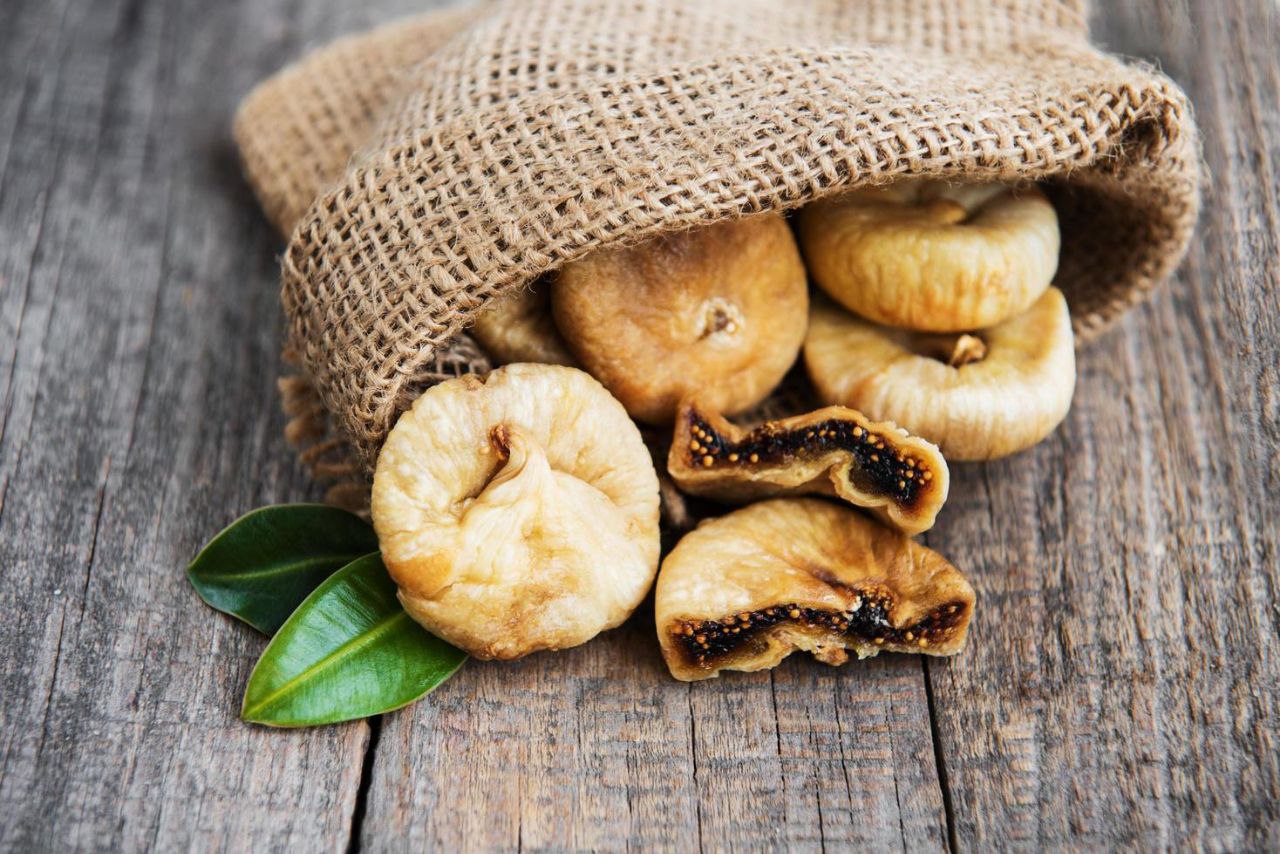
According to standard nutritional databases, a 100-gram serving of raw, fresh figs contains approximately 0.37 milligrams of iron. In contrast, 100 grams of dried figs—the form most commonly consumed as a concentrated snack—provides roughly 2.03 milligrams of iron. This difference arises because removing the water content makes the dried fruit more nutrient-dense per unit of mass. For an adult, the Recommended Dietary Allowance (RDA) for iron varies significantly by age and biological sex, typically ranging from 8 milligrams for adult men to 18 milligrams for adult women of reproductive age. Consequently, while figs are not a "high-iron" food in the same category as red meat or fortified cereals, they function as a useful supplemental source, particularly for those adhering to plant-based diets.
Non-Heme Iron and Bioavailability
To properly understand the fig iron content, one must distinguish between the two types of iron found in food: heme and non-heme. Heme iron, which is found in animal products, is absorbed by the human body with high efficiency. Non-heme iron, which is the type found in figs and all other plant-derived foods, is absorbed at a lower rate.
Several factors dictate how much of the iron in a fig is actually utilized by the body:
- Absorption Inhibitors: Figs contain compounds such as oxalates and polyphenols. While these are antioxidants that provide various health benefits, they can also bind to non-heme iron, potentially reducing the total amount absorbed in the digestive tract.
- Absorption Enhancers: The most potent way to increase the absorption of iron from figs is by consuming them alongside foods high in Vitamin C. Ascorbic acid chemically transforms non-heme iron into a more soluble form, allowing the body to take up more of the mineral during digestion.
- Meal Composition: Consuming high-calcium foods simultaneously with iron-rich foods like figs can sometimes inhibit iron absorption, as calcium competes for the same uptake pathways.
Comparing Figs to Other Plant-Based Iron Sources
When incorporating figs into a diet aimed at meeting iron requirements, it is helpful to compare them against other common plant-based sources. The table below provides a general overview of iron content per 100-gram serving for various plant foods.
| Food Item | Typical Iron Content (mg per 100g) |
|---|---|
| Dried Figs | 2.03 mg |
| Dried Apricots | 2.66 mg |
| Pumpkin Seeds | 8.82 mg |
| Spinach (Raw) | 2.71 mg |
| Lentils (Cooked) | 3.33 mg |
| Raisins | 1.88 mg |
This comparison illustrates that while figs offer a respectable amount of iron, they are most effective when consumed as part of a diverse diet that includes legumes, seeds, and leafy greens. Relying on any single fruit to meet total daily iron needs is rarely practical or nutritionally optimal.
Factors Influencing Nutritional Density
The iron content in figs is not static. It can be influenced by several agricultural and processing variables that impact the final product consumers purchase in 2026.
Soil Composition The iron content of any fruit is largely dependent on the soil in which the tree grows. If the soil is rich in minerals and the tree is able to effectively translocate those minerals into the fruit, the resulting figs may show slight variations in iron density. Industrial farming methods often prioritize yield and size, which can sometimes result in a dilution of mineral density compared to organic or heirloom varieties grown in mineral-rich soil.
Dehydration Methods The method used to dry figs affects not only their iron concentration but also their structural integrity. Sun-dried figs generally retain more of their natural phytochemical profile than those dried in industrial heat tunnels, which may use higher temperatures that can degrade heat-sensitive nutrients. However, from a strictly mineral perspective, the iron content remains relatively stable during the dehydration process because minerals are not volatile like some vitamins.
Ripeness and Variety Different cultivars of figs, such as Black Mission, Kadota, or Calimyrna, may have subtle differences in their mineral profiles. Furthermore, fruit harvested at peak ripeness may contain higher concentrations of sugars and minerals, whereas under-ripe fruit may be less nutritionally dense.
Maximizing Iron Intake Through Dietary Integration
Understanding the iron content of figs is the first step toward effective dietary planning. To make the most of this nutrient, consider the following strategies:
- Pairing with Citrus: Incorporate sliced dried figs into a salad with citrus-based dressings (e.g., lemon or lime vinaigrette). The acidity and Vitamin C content of the dressing will help unlock more iron for absorption.
- The "Iron-Boosted" Snack: Combine figs with a handful of pumpkin seeds or almonds. Seeds are among the best plant-based sources of iron, and the combination creates a snack that is significantly more effective than eating the fruit alone.
- Avoiding Interference: If you are actively trying to boost iron levels, avoid drinking tea or coffee at the exact same time as your fig-inclusive meal. The tannins in tea and the chlorogenic acids in coffee can bind to iron and inhibit absorption.
Common Misconceptions Regarding Fig Iron
A recurring myth in nutrition circles is that "darker" figs contain more iron than lighter-colored varieties. While it is true that darker-colored fruits often contain higher levels of anthocyanins (antioxidants), there is no direct correlation between the pigment of the fig skin and its iron content. The iron is found throughout the pulp and skin, and current data does not suggest that a Black Mission fig is significantly higher in iron than a golden Kadota fig of the same weight.
Another misconception is the idea that eating a high volume of figs can treat iron-deficiency anemia. While figs are a healthy addition to a diet, they do not contain enough concentrated iron to serve as a clinical treatment for anemia. Individuals diagnosed with iron-deficiency anemia should work closely with a healthcare provider to determine if supplementation is necessary, as high-dose oral iron supplements are often required to replenish depleted stores, a task for which dietary intake alone is often insufficient.
Health Limitations and Considerations
For most, figs are a safe and nutritious food. However, individuals with certain medical conditions should exercise caution:
- Digestive Sensitivity: Figs are very high in fiber. While this is excellent for gut health, a sudden, significant increase in fiber intake can cause gastrointestinal distress, including bloating and gas.
- Oxalates: For individuals prone to calcium-oxalate kidney stones, it is worth noting that figs contain oxalates. If you have a history of kidney stones, consult with a nutritionist regarding the appropriate frequency and serving size for your diet.
- Diabetes and Blood Sugar: Dried figs are a concentrated source of natural sugars. While the fiber helps mitigate the impact on blood glucose, individuals managing diabetes should monitor portion sizes to ensure that the sugar intake aligns with their overall dietary targets for 2026.
Practical Advice for Daily Consumption
To effectively integrate figs into a routine, focus on consistent, moderate consumption rather than massive, infrequent intake. A standard serving of 3–5 dried figs provides a convenient way to add iron, fiber, and potassium to a breakfast bowl, a post-workout snack, or a salad.
If you find that your iron levels are a primary concern, keep a simple food diary for one week in 2026. Log your intake of iron-rich foods, including your servings of figs, and note the accompanying foods. If you find your energy levels lagging or your iron panels show a downward trend despite a "healthy" diet, speak with a registered dietitian. They can provide an analysis of your overall intake to see if absorption inhibitors or an imbalance in your nutrient profile is preventing you from reaching your goals.
Frequently Asked Questions
Does cooking figs destroy the iron content? No, iron is a mineral and is not destroyed by the heat levels used in standard home cooking, such as baking or roasting. While some heat-sensitive vitamins like Vitamin C may be reduced during high-heat cooking, the iron content remains stable.
Are canned figs as nutritious as dried or fresh figs? Canned figs often contain added syrups or sweeteners, which increase the sugar content. While the iron content remains present, it is often diluted by the heavy syrup in the can. When possible, opt for fresh or unsweetened dried figs to avoid unnecessary sugar intake.
Can children benefit from the iron in figs? Yes, figs are an excellent, nutrient-dense snack for children. They provide fiber and essential minerals in a format that is generally well-accepted by children. As with any food, introduce them in moderation to ensure they are tolerated well by the child's digestive system.
How many figs should I eat to meet my daily iron needs? Because you should not rely on a single food source for iron, there is no "target" number of figs. Instead, aim to include figs as one of several iron-containing foods in your daily routine. Eating 3–5 dried figs can provide a meaningful contribution to your daily mineral intake without excessive calorie consumption.
Is organic fig iron more bioavailable? There is no current scientific evidence to suggest that "organic" iron is inherently more bioavailable than "non-organic" iron. The chemical structure of the iron molecule is identical. The primary difference between organic and conventional farming relates to agricultural practices, pesticide use, and soil management, rather than the intrinsic absorption of the mineral itself.
Next Steps for Your Nutritional Plan
To optimize your iron intake using figs, begin by assessing your overall diet. If you suspect you are not consuming enough iron, do not merely add more figs; instead, audit your entire weekly intake of legumes, seeds, nuts, and greens.
Start by introducing a serving of 3 dried figs daily as part of a meal that includes a source of Vitamin C—such as orange segments or bell peppers. By pairing these foods, you maximize the efficiency of your intake. If you continue to experience symptoms of fatigue or lightheadedness, schedule a blood test with your healthcare provider to check your ferritin levels, as this is the only definitive way to assess your iron status in 2026.

Image Gallery
Select an image to open it in a new tab.


Simon Caldwell
Enterprise Technology and Systems Editor
