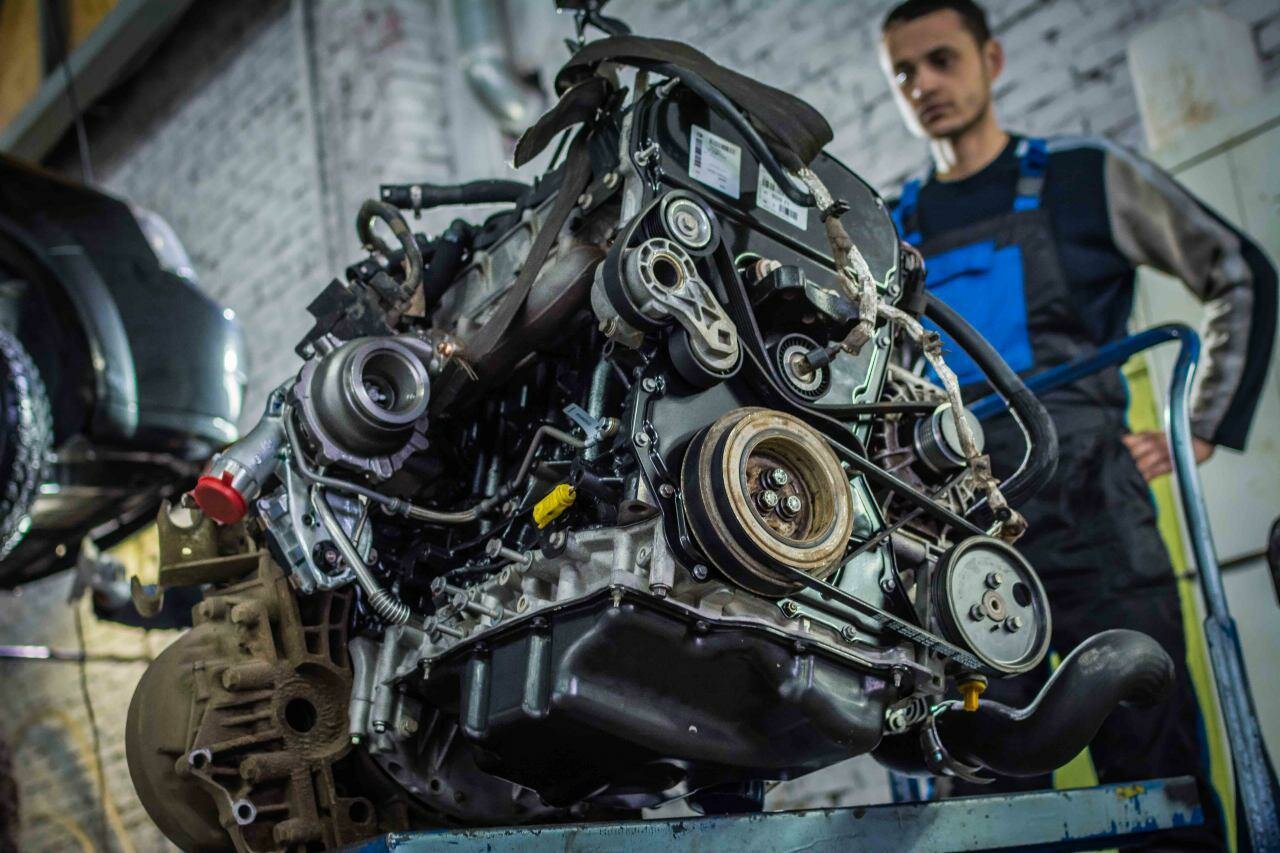
The Honda CR-V 1.6 i-DTEC diesel engine is widely praised for its exceptional fuel economy, refinement, and impressive power output, but it is not entirely immune to mechanical issues. Understanding the realities of carbon buildup, timing chain wear, injector failures, and Diesel Particulate Filter (DPF) blockages helps prospective buyers and current owners maintain long-term reliability.
Introduction to the Honda CR-V 1.6 i-DTEC Engine
The Honda CR-V has long been a staple of the compact SUV market, offering family-friendly practicality and robust build quality. When Honda introduced the 1.6-liter i-DTEC diesel engine—available in both single-turbo (120 PS) and twin-turbo bi-turbo (160 PS) configurations—it aimed to replace the older, heavier 2.2-liter i-DTEC unit. This smaller powerplant delivered lower CO2 emissions, reduced road tax brackets, and remarkable fuel efficiency, frequently exceeding 50 miles per gallon on long journeys.
However, as these vehicles have aged and accumulated significant mileage, real-world ownership patterns have exposed specific vulnerabilities. Modern diesel engines rely heavily on complex emissions control systems and tight manufacturing tolerances. When driven primarily on short, urban trips, the 1.6 i-DTEC can develop distinct mechanical ailments. Evaluating the truth about these problems requires looking past online forum rumors to examine the underlying engineering causes, symptom recognition, preventative maintenance, and repair realities.
1. Carbon Buildup in the Intake System
One of the most frequently discussed issues with modern diesel engines, including the Honda 1.6 i-DTEC, is carbon accumulation inside the intake manifold and on the intake valves.
Causes and Mechanics
In any modern diesel vehicle, Exhaust Gas Recirculation (EGR) systems route a portion of burned exhaust gases back into the intake manifold to lower combustion temperatures and reduce nitrogen oxide ($NO_x$) emissions. At the same time, oil vapor from the crankcase ventilation system enters the intake tract. When hot exhaust gases mix with oil vapor, a sticky, carbon-rich sludge bakes onto the cooler walls of the intake manifold and valve stems.
Symptoms and Diagnosis
As the layer of carbon thickens, it restricts airflow into the cylinders, disrupting the optimal air-fuel ratio. Drivers typically notice:
- Sluggish throttle response and reduced engine power.
- Increased fuel consumption.
- Rough idling or hesitation during acceleration.
- Illuminated check engine light accompanied by EGR-related diagnostic trouble codes (DTCs).
Prevention and Resolution
Preventing severe carbon buildup requires avoiding a strict diet of short, stop-and-start urban driving. Regularly taking the vehicle on extended highway runs allows the engine to reach optimal operating temperatures, which helps naturally mitigate rapid soot accumulation. If severe restriction occurs, professional intake manifold removal and chemical or walnut-blasting cleaning are often required to restore proper airflow.
2. Diesel Particulate Filter (DPF) Clogging
The Diesel Particulate Filter is a mandatory emissions component designed to trap microscopic soot particles before they exit the exhaust tailpipe.
The Regeneration Process
The 1.6 i-DTEC DPF relies on active regeneration to burn off accumulated soot. When the engine control unit (ECU) detects that the filter is filling up, it alters fuel injection timing and injects extra diesel into the exhaust stroke to raise exhaust temperatures. This thermal spike incinerates the trapped soot into harmless ash.
Urban Driving Pitfalls
Active regeneration requires sustained driving conditions—typically speeds above 40 mph for 15 to 20 minutes continuously. Owners who use their Honda CR-V 1.6 diesel exclusively for short school runs or local commutes prevent the vehicle from completing these regeneration cycles. Consequently, the DPF becomes overwhelmed with soot, triggering warning lights and eventually forcing the car into "limp mode" to protect the engine.
Management Strategies
Ignoring a DPF warning light can lead to complete filter failure, which is costly to replace. Drivers experiencing frequent short trips should periodically drive on open roads to facilitate passive and active regenerations. Furthermore, using low-ash engine oils that meet Honda's strict specifications is vital to prevent premature ash accumulation within the filter matrix.
3. Timing Chain Wear and Tensioner Concerns
While timing chains are generally designed to last the lifetime of an engine, premature wear has been reported in various high-mileage small-displacement diesel units across the automotive industry, including iterations found in European and Asian applications.
Recognizing the Symptoms
Timing chain wear typically announces itself audibly before catastrophic failure occurs. A distinct rattling noise from the passenger side of the engine bay, particularly during cold starts when oil pressure takes a moment to build, is the primary warning sign. If left unaddressed, stretched chains or failing tensioners can cause valve-to-piston contact, resulting in severe engine damage.
Maintenance Best Practices
The single most effective defense against premature timing chain wear is strict adherence to oil change intervals. Using incorrect oil viscosities or neglecting regular fluid changes degrades the hydraulic tensioners and accelerates friction on the chain links. Mechanics recommend changing the oil every 10,000 miles or annually, rather than relying on extended manufacturer intervals, especially for vehicles operated in severe stop-start conditions.
4. Fuel Injector and High-Pressure Pump Issues
The fuel delivery system on the 1.6 i-DTEC operates under extreme pressures—often exceeding 2,000 bar—to atomize diesel fuel efficiently for clean combustion.
Vulnerabilities to Contamination
Precision components within common-rail diesel injection systems have microscopic tolerances. The introduction of contaminated fuel, water in the diesel tank, or microscopic metal shavings from a failing high-pressure fuel pump can quickly ruin the fuel injectors.
Common Symptoms
- Engine misfires or uneven idling.
- Black or gray smoke from the exhaust under acceleration.
- Difficulty starting the engine, particularly when warm.
- Fuel smell in the cabin or engine bay.
Using reputable fuel stations, changing the fuel filter at every recommended service interval, and occasionally using a high-quality diesel fuel additive help maintain injector cleanliness and longevity.
| Component | Primary Cause of Failure | Common Symptoms | Prevention / Maintenance |
|---|---|---|---|
| Intake Manifold | EGR soot mixed with crankcase oil vapor | Reduced power, rough idle, poor fuel economy | Periodic highway driving, professional cleaning |
| DPF | Short urban trips preventing regeneration | DPF warning light, limp mode, reduced performance | Sustained high-speed driving, correct low-ash oil |
| Timing Chain | Degraded oil quality, extended service intervals | Cold-start rattling noise, check engine light | Frequent oil changes (max 10,000 miles), correct spec oil |
| Fuel Injectors | Contaminated fuel, high-pressure pump wear | Misfires, hard starting, exhaust smoke | Quality fuel, timely fuel filter replacement |
5. Turbocharger Reliability in Single-Turbo vs. Bi-Turbo Models
The Honda CR-V 1.6 diesel was offered in two distinct power variants: the 120 PS single-variable-geometry turbocharger and the 160 PS twin-turbo setup paired with the i-DTEC's all-wheel-drive system.
Single-Turbo (120 PS) Dynamics
The 120 PS version is generally regarded as mechanically simpler and robust. Its single turbocharger experiences standard operational stresses and proves durable when the engine is properly warmed up and cooled down after hard driving.
Bi-Turbo (160 PS) Complexities
The 160 PS bi-turbo utilizes a sequential two-stage turbocharger system—a small turbo for low-end responsiveness and a larger turbo for high-end power, managed by a complex array of electronic actuators and bypass valves. While it transforms the driving dynamics of the heavier CR-V, the added complexity introduces more potential points of failure. Sticking actuator arms or solenoid valve malfunctions can cause sudden loss of boost, triggering fault codes and reduced power output. Allowing the engine to idle for a minute before shutting down after motorway driving helps protect turbocharger bearings from oil coking.
Comparing the Honda 1.6 i-DTEC to Alternatives
When evaluating the reliability of the Honda CR-V 1.6 diesel, perspective is essential. Compared to competing compact SUV diesels of the same era—such as the Ford 2.0 TDCi, Volkswagen 2.0 TDI, or Nissan 1.6 dCi—Honda's unit generally ranks favorably for overall mechanical durability and refinement, provided it escapes the DPF and carbon-clogging traps associated with urban misuse.
Unlike some competitor engines plagued by frequent head gasket failures or catastrophic oil pump seizures, the core mechanical block of the i-DTEC is stout. Its aluminum cylinder block and lightweight rotating assembly deliver impressive longevity, making well-maintained examples capable of surpassing 200,000 miles without major internal engine rebuilds.
Frequently Asked Questions
Is the Honda CR-V 1.6 diesel reliable for daily city commuting?
No, the Honda CR-V 1.6 diesel is poorly suited for exclusively short, urban commutes. Like almost all modern diesel vehicles equipped with a Diesel Particulate Filter (DPF) and an Exhaust Gas Recirculation (EGR) valve, frequent short trips prevent the engine from reaching operating temperatures necessary to clear soot buildup. Owners who drive less than 10 to 15 miles per trip should consider the gasoline (petrol) or hybrid alternatives.
How often should the oil be changed on a 1.6 i-DTEC engine?
While manufacturer guidelines may suggest extended intervals under ideal conditions, experienced mechanics recommend changing the engine oil and filter every 10,000 miles or once a year. Fresh, high-quality oil matching Honda's exact specifications is critical for protecting the timing chain, turbocharger bearings, and hydraulic valve components.
What causes the Honda CR-V 1.6 diesel to go into limp mode?
Limp mode is a protective ECU feature triggered when a significant fault is detected, such as a clogged DPF, low turbo boost pressure, EGR valve failure, or severe fuel rail pressure drops. Reading the diagnostic trouble codes with an OBD2 scanner is necessary to identify the exact root cause before replacing parts.
Does the 1.6 i-DTEC engine have a timing belt or timing chain?
The Honda 1.6 i-DTEC engine uses a timing chain rather than a rubber timing belt. While timing chains are designed to last the life of the engine, they still require clean oil to prevent premature wear, stretching, and tensioner failure.
Which is better: the 120 PS or 160 PS version of the 1.6 diesel?
The 120 PS single-turbo version offers simpler mechanics and lower long-term maintenance overhead, making it a safer bet for budget-conscious buyers. The 160 PS bi-turbo provides superior pulling power and is paired exclusively with all-wheel drive, but its complex dual-turbo plumbing and actuator systems introduce additional points of potential failure.
Final Recommendations for Buyers and Owners
The truth about Honda CR-V 1.6 diesel engine problems is that most issues stem from application mismatch and deferred maintenance rather than inherent manufacturing defects. If you primarily drive long distances, maintain strict service intervals with high-grade oil, and avoid short urban hops, the 1.6 i-DTEC is an exceptionally efficient, durable, and refined powerplant. Prospective buyers should carefully review service histories, verify highway usage patterns, and listen closely for cold-start timing chain rattles before purchasing a used model.
Image Gallery
Select an image to open it in a new tab.
Omar Farooq
EdTech Innovation and Virtual Pedagogy Journalist
