Who Is the Real Owner of the Mavericks? Ownership Structure, Control, and Governance Explained
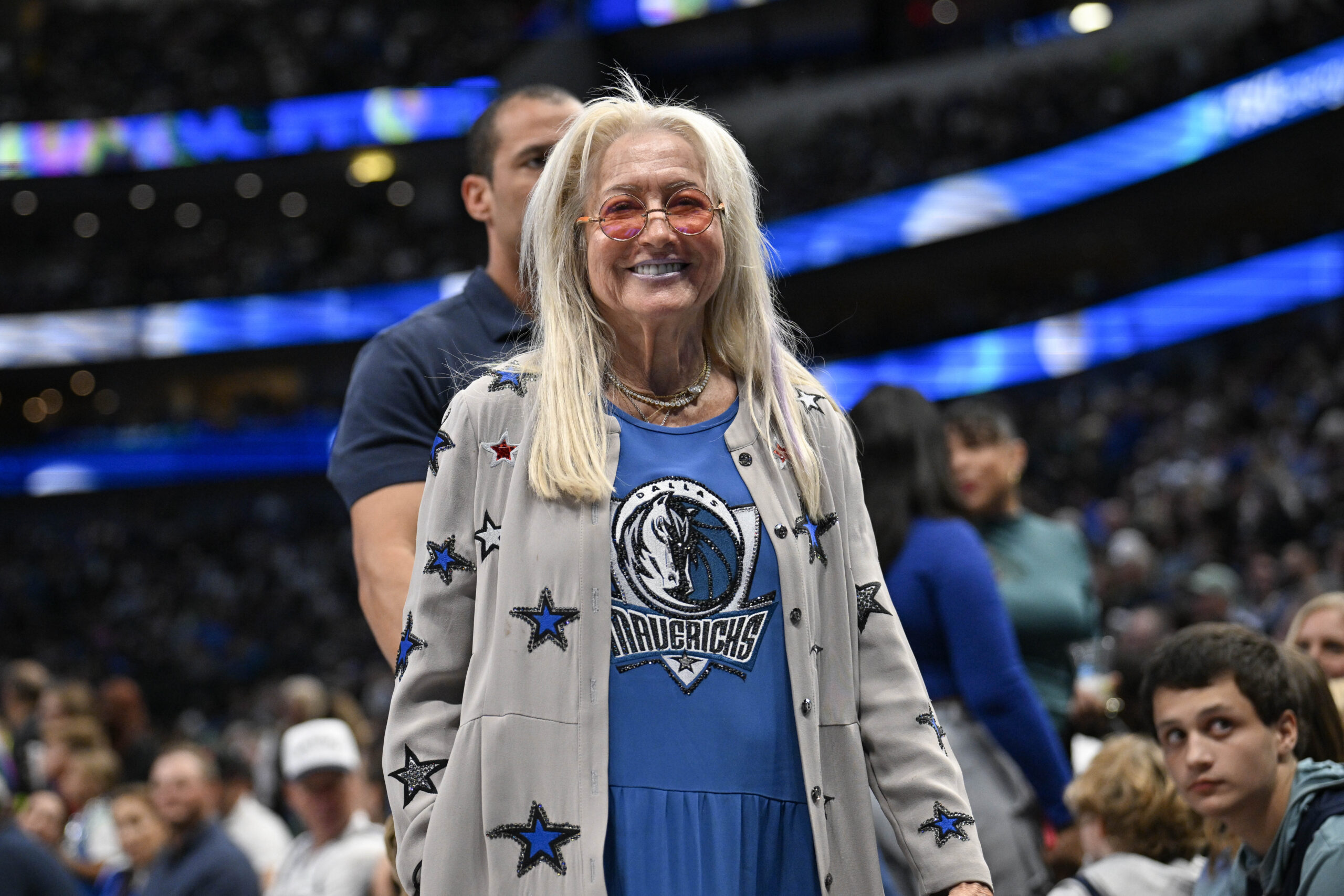
The real majority owner and controlling authority of the Dallas Mavericks is the Adelson and Dumont family, led by Miriam Adelson and her son-in-law Patrick Dumont, who serves as the team’s official NBA Governor. High-profile billionaire Mark Cuban, who previously held controlling interest for over two decades, now retains a minority stake of roughly 27 percent.
Understanding the Mavericks' Ownership Transition
For more than twenty years, the public identity of the Dallas Mavericks was synonymous with Mark Cuban. After purchasing the franchise in 2000, Cuban became one of the most visible and outspoken owners in professional sports history. However, a major structural transaction redefined the leadership, governance, and financial backing of the franchise.
In late December 2023, the NBA Board of Governors officially approved the sale of a majority stake in the Dallas Mavericks from Mark Cuban to the Adelson and Dumont families. The transaction valued the franchise at approximately $3.5 billion to $3.8 billion. Through this deal, the Adelson-Dumont family group acquired roughly 68 to 69 percent of the team's equity, establishing them as the majority owners with legal controlling authority.
While Mark Cuban maintained an equity share of approximately 27 percent alongside minor limited partners, supreme corporate and operational authority shifted to the new majority owners. Understanding who really owns the Mavericks requires analyzing the distinction between media visibility, executive governance roles required by the NBA, and actual equity control.
Key Figures in Dallas Mavericks Ownership
To understand the decision-making pipeline of the Dallas Mavericks, it is essential to delineate the roles of the primary equity holders and executives.
- DALLAS MAVERICKS OWNERSHIP
- Adelson / Dumont Family Group
- ~68%–69% Equity
- Patrick Dumont (NBA Governor)
- Mark Cuban (Minority Owner)
- ~27% Equity
- Alternate Governor
- Advisory Role
- Adelson / Dumont Family Group
1. Patrick Dumont (NBA Governor and Managing Owner)
Patrick Dumont is the President and Chief Operating Officer of Las Vegas Sands Corp. and the son-in-law of Miriam Adelson. Upon completion of the acquisition, Dumont was designated as the Mavericks' Governor on the NBA Board of Governors. In the structure of professional basketball governance, the Governor holds the ultimate vote, legal accountability, and final operational veto for the franchise. Dumont represents the organization in official league matters, collective bargaining discussions, and major capital investments.
2. Miriam Adelson (Principal Shareholder)
Dr. Miriam Adelson, widow of Las Vegas Sands founder Sheldon Adelson, provided the primary capital funding for the acquisition. To finance the purchase, the Adelson family liquidated over $2 billion in Las Vegas Sands stock in late 2023. As one of the wealthiest individuals in the world, her backing gives the Mavericks unprecedented financial liquidity for major capital projects, luxury tax expenditures, and organizational expansions.
3. Mark Cuban (Minority Owner and Alternate Governor)
Mark Cuban remains a significant minority owner with approximately 27 percent equity. When the sale was finalized, Cuban transitioned from Governor to Alternate Governor. While initial public commentary suggested Cuban would retain total control over basketball operations, legal authority in professional sports franchises ultimately resides with the majority equity holder and designated Governor. Cuban serves as a strategic advisor and operational consultant, but final financial approvals—including executive hiring, roster payroll maximums, and infrastructure spending—require the approval of Patrick Dumont and the majority ownership group.

NBA Ownership Structure and League Governance Rules
To clarify how franchise control functions, it is helpful to examine the governance mechanisms required by the National Basketball Association. The NBA does not treat team ownership as a casual corporate partnership; it enforces strict structural definitions to ensure single-point accountability.
The Role of the NBA Board of Governors
The NBA Board of Governors consists of one designated representative from each of the 30 member franchises. This board establishes league policy, approves team sales, oversees expansion, negotiates collective bargaining agreements (CBAs) with the National Basketball Players Association (NBPA), and votes on major rule changes.
- Governor: Each team must designate one individual as its Governor. This person must possess ultimate fiduciary and operational authority for the team. For the Mavericks, this position is held by Patrick Dumont.
- Alternate Governor: Franchises may designate Alternate Governors to act on the team's behalf when the Governor is unavailable. Mark Cuban serves in this capacity, allowing him to attend league meetings and represent the organization without holding ultimate voting power.
Operational Authority vs. Equity Ownership
In sports management, operational authority can be delegated by contract, but ultimate authority cannot be separated from majority equity indefinitely. In the initial months following the 2023 transaction, Mark Cuban maintained direct day-to-day oversight of basketball operations working alongside General Manager Nico Harrison. However, as in any corporate structure, delegated authority is subject to the review of the majority owners.
General Manager Nico Harrison handles player personnel decisions, draft strategy, and trade negotiations, while Patrick Dumont oversees corporate strategy, budget approvals, media rights, and long-term facility planning.
Historical Ownership Timeline of the Dallas Mavericks
The Dallas Mavericks have undergone three distinct ownership eras since joining the NBA as an expansion team in 1980.
| Ownership Era | Primary Owner / Leader | Stake / Role | Key Organizational Focus & Legacy |
|---|---|---|---|
| 1980 – 1996 | Donald Carter | Founder / Majority Owner | Established the franchise in Dallas; early success in the 1980s followed by significant rebuilding in the 1990s. |
| 1996 – 2000 | H. Ross Perot Jr. | Majority Owner | Focus on real estate development; secured funding and approval for the construction of the American Airlines Center. |
| 2000 – 2023 | Mark Cuban | Majority Owner & Governor (~100% initial, later reduced) | Modernized team facilities, increased brand visibility, won 2011 NBA Championship, established player-first culture. |
| 2023 – Present | Adelson & Dumont Families | Majority Owners (~68%-69%); Patrick Dumont (Governor) | High-liquidity financial backing; focus on long-term real estate development, potential destination resort/arena, luxury tax capability. |
Strategic Motivations Behind the Ownership Change
The transition of the Mavericks from Mark Cuban to the Adelson and Dumont families was driven by macroeconomic factors in professional sports, media rights, and commercial real estate.
| FINANCIAL LIQUIDITY | REAL ESTATE & ARENA PLANS |
|---|---|
| • Absorbs rising luxury tax | • Long-term DFW development |
| • Sustains elite payrolls | • Mixed-use entertainment |
| • Capital for modern tech | • Destination resort vision |
1. Real Estate and Destination Resort Development
The Adelson family's background via Las Vegas Sands Corp. centers on large-scale integrated resort development, combining sports, entertainment, hospitality, and commercial real estate. A primary long-term objective of the new ownership group is building a new arena complex for the Mavericks anchored by a multi-billion-dollar entertainment and resort district in the Dallas-Fort Worth metroplex.
Mark Cuban explicitly cited this vision as a key factor in selecting the Adelson and Dumont families, noting that sports franchises increasingly rely on real estate monetization and venue control rather than traditional broadcast rights alone to maintain competitive revenue streams.
2. Rising Capital Demands in the Modern NBA
The cost of competing at the highest level in the NBA has escalated due to restrictive apron rules in the league's Collective Bargaining Agreement. Teams that consistently spend above the luxury tax line face steep financial penalties and roster building restrictions. The Adelson family's access to capital provides the Mavericks with the financial resources necessary to absorb luxury tax burdens, re-sign premier talent, and fund state-of-the-art practice facilities without financial strain.
3. Media Landscape Shifts
Local sports media networks have experienced widespread disruption as traditional regional sports networks (RSNs) face financial distress. Transitioning ownership to a capital-rich group insulates the Mavericks from short-term fluctuations in local media revenue while the franchise explores direct-to-consumer and modern broadcast models.
Frequently Asked Questions
Does Mark Cuban still own the Dallas Mavericks?
Mark Cuban owns a minority stake in the Dallas Mavericks of approximately 27 percent. He sold his controlling interest (roughly 68 to 69 percent) to the Adelson and Dumont families in late December 2023.
Who makes final decisions for the Dallas Mavericks?
Patrick Dumont, serving as the official NBA Governor and representative of the majority ownership group, holds ultimate legal and financial authority over the team. General Manager Nico Harrison oversees basketball operations, while Mark Cuban functions as an Alternate Governor and strategic advisor.
How much did the Adelson and Dumont families pay for the team?
The transaction valued the Dallas Mavericks at approximately $3.5 billion to $3.8 billion. To fund the purchase of the majority stake, the Adelson family sold more than $2 billion worth of equity in Las Vegas Sands Corp.
Why did Mark Cuban sell majority control of the franchise?
Cuban sold the majority stake to align the team with partners who possess deep expertise in real estate development, hospitality, and mega-infrastructure projects. Cuban noted that modern sports revenue models increasingly require integrated real estate complexes and destination resorts—areas where the Adelson and Dumont families hold significant global experience.
Who represents the Mavericks at NBA Board of Governors meetings?
Patrick Dumont acts as the official Governor and primary voter for the Dallas Mavericks on the NBA Board of Governors. Mark Cuban is designated as an Alternate Governor, allowing him to represent the team when necessary without holding final voting control.
Key Takeaways for Following Mavericks Ownership
When reviewing news, trades, or corporate announcements involving the Dallas Mavericks, keep the following governance principles in mind:
- Verify Official Roles: Differentiate between media spokespersons and legal authorities. While Mark Cuban remains active in public commentary, official business filings and league votes are conducted under the direction of Patrick Dumont.
- Track Capital Expenditures: Major organizational moves—such as arena lease decisions, new practice facility construction, or deep luxury tax payrolls—are managed by the majority ownership group's financial strategy.
- Distinguish Equity from Governance: Equity distribution (~68-69% Adelson/Dumont, ~27% Cuban) directly dictates governance power. In professional sports, operational delegations exist at the discretion of the majority share holder.
Final Summary: The real majority owner and official NBA Governor of the Dallas Mavericks is Patrick Dumont, representing the majority-owning Adelson and Dumont family. Mark Cuban remains a key figure in the organization as a high-profile minority owner and advisor.
Image Gallery
Select an image to open it in a new tab.




Omar Farooq
EdTech Innovation and Virtual Pedagogy Journalist
