How to Obtain Letters of Testamentary for Your Estate
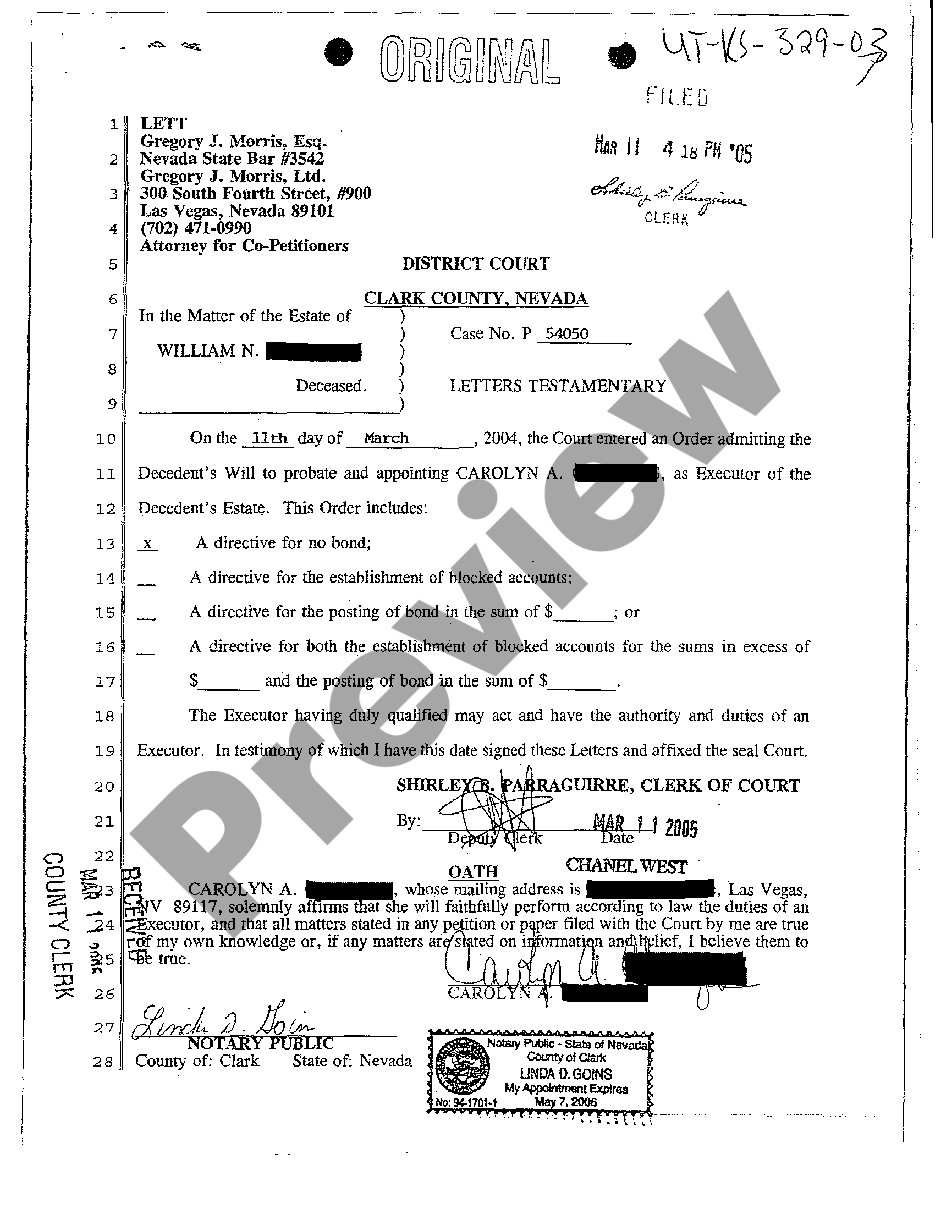
Obtaining letters of testamentary is a fundamental legal step for an executor or personal representative tasked with settling a deceased person's affairs. These court-issued documents grant the formal legal authority required to access bank accounts, sell property, pay debts, and distribute assets to heirs according to the decedent’s will or state intestacy laws.
When a person passes away, their assets—such as real estate, financial accounts, and personal belongings—often become "frozen" to protect them from unauthorized access. To unlock these assets, the court must officially recognize the individual appointed to manage the estate. Letters of testamentary (or letters of administration, if there is no will) serve as this official "proof of authority."
While the process is rooted in probate law and varies significantly by jurisdiction, it generally involves filing a petition with the probate court, notifying interested parties, and participating in a hearing. Because this process involves legal and fiduciary responsibilities, it is essential to approach it with precision to avoid delays or personal liability.
The Role of the Executor and the Probate Process
Before you can obtain letters of testamentary, you must understand the role you have been asked to fulfill. If you are named the executor in a Last Will and Testament, you are essentially a fiduciary. This means you are legally obligated to act in the best interest of the estate and its beneficiaries.
Probate is the court-supervised process of authenticating a will and overseeing the distribution of a decedent’s property. The letters of testamentary are the specific instruments that turn your nomination in the will into actual legal power. Without these letters, financial institutions will generally refuse to release funds, and title companies will not record the transfer of real estate.
Prerequisites for Applying
You cannot simply walk into a courthouse and request these documents. You must meet specific jurisdictional prerequisites:
- The Will must be filed: The original Last Will and Testament must be lodged with the local probate court in the county where the decedent resided at the time of their death.
- Standing: You must be the person specifically named as the executor in the will. If the named executor is deceased, unwilling to serve, or disqualified, the court will appoint an administrator (often the alternate executor named in the will or a surviving spouse/heir).
- Jurisdictional Compliance: Every state—and often every county—has its own set of forms and filing fees. You must ensure you are filing in the correct venue; filing in the wrong county can lead to an immediate rejection of your petition.
Step-by-Step Procedure to Secure Letters
The process for obtaining letters of testamentary is administrative but rigorous. Following these steps helps ensure your petition moves through the court system with minimal friction.
1. File the Petition for Probate
You must prepare and file a "Petition for Probate" (or a similarly titled document, depending on your state). This document formally notifies the court of the death, requests that the will be admitted to probate, and asks for your appointment as the personal representative. You will typically be required to pay a filing fee at this time.
2. Notify Interested Parties
Probate law requires that you provide notice to all "interested parties." This typically includes beneficiaries named in the will and, in some jurisdictions, the decedent’s legal heirs (the people who would inherit if there were no will). This ensures that those with a potential claim against the estate have an opportunity to object to your appointment.
3. Attend the Court Hearing
In many jurisdictions, a brief hearing is scheduled. If the will is "self-proving" (meaning it was signed with the required notarized affidavits at the time of execution), the process is often straightforward. If not, the court may require testimony regarding the validity of the document. If the judge approves the petition, the court clerk will issue the letters of testamentary.
4. Certified Copies
Once the judge signs the order, the clerk will issue the letters. You should request several certified copies immediately. Most banks, brokerage firms, and government agencies will require a certified copy with the court’s raised seal to process requests; they will rarely accept a plain photocopy.
Comparing Legal Authorities
Depending on the circumstances of the estate, the court may issue different types of documents. It is important to know which one applies to your situation.
| Document Type | When It Is Issued | Legal Effect |
|---|---|---|
| Letters of Testamentary | Issued when there is a valid will and an executor is named. | Confirms authority to act as executor. |
| Letters of Administration | Issued when there is no will (intestate) or the named executor cannot serve. | Confirms authority to act as administrator. |
| Letters of Administration with Will Annexed | Issued when a will exists but no executor was named or the named person cannot serve. | Confirms authority to act as administrator per the will’s terms. |
Important Considerations and Common Pitfalls
Obtaining letters of testamentary is not merely a bureaucratic task; it initiates a period of legal accountability. Many executors make common mistakes that can jeopardize their status or the estate's health.
- Filing Delays: In many jurisdictions, there is a statute of limitations for filing a will for probate. Failing to act promptly can complicate the process, potentially requiring more expensive court procedures.
- Asset Management: Do not attempt to sell or distribute property before receiving your letters. Doing so can be seen as "intermeddling" in the estate, which may lead to personal liability.
- Communication: Keep beneficiaries informed. A significant percentage of probate disputes arise from a lack of transparency. Regular updates regarding the status of the estate can help prevent litigation.
- Professional Counsel: Probate law is highly technical. If the estate has complex assets (such as a business, foreign property, or significant tax liabilities), consult with a probate attorney. The cost of legal counsel is typically paid out of the estate’s assets, not your personal pocket, provided you are acting within your fiduciary duties.
Troubleshooting: What If Your Petition Is Denied?
If your petition for letters of testamentary is denied, it is rarely the end of the road. Common reasons for denial include incorrect documentation, missing signatures from heirs, or challenges to the validity of the will itself.
If the will is challenged (a "will contest"), you may need to seek counsel to defend the document. If the court finds the will invalid, the estate will proceed under the laws of intestacy, and the court will appoint an administrator based on state-specific priority lists (usually starting with the surviving spouse). If you believe the court’s denial was based on a misunderstanding of the law or the facts, you may have the right to file an amended petition or, in limited circumstances, appeal the decision.
Frequently Asked Questions
How long does it take to get letters of testamentary? The timeline varies significantly based on court backlogs and the complexity of the estate. In simple cases, you might receive the letters within a few weeks of filing. In contested estates or jurisdictions with high volume, it could take several months.
Do I need a lawyer to get letters of testamentary? While you are not always required by law to have an attorney, it is highly recommended. Probate court procedures are rigid. A single error in the petition or a failure to provide proper notice to a creditor can lead to the rejection of your application and wasted time.
Can I pay for my own expenses while waiting for the letters? You should keep a meticulous log of any out-of-pocket expenses you pay (such as funeral costs or court filing fees). Once the estate is opened and you have access to the accounts, you can generally reimburse yourself from estate funds, provided you have receipts for everything. Never commingle your personal money with estate funds.
What happens if I lose the certified copies of the letters? Certified copies of letters of testamentary are public records. If you lose yours, you can contact the probate clerk’s office in the county where the estate is being administered to request additional certified copies for a small fee.
Are letters of testamentary valid in other states? Generally, no. If the decedent owned real estate in another state, you may need to open an "ancillary probate" proceeding in that state to obtain authority over that specific property. Always consult with a professional regarding assets held outside your home state.
Next Steps for the Executor
Once you obtain your certified letters of testamentary, your focus should shift immediately to identifying and securing the estate’s assets. Open a dedicated estate bank account using the estate’s Employer Identification Number (EIN) and the certified letters. Deposit all estate funds into this account and use it to pay legitimate estate debts. Maintain a strict ledger of every dollar that enters or leaves the estate, as you will eventually be required to provide a final accounting to the court and the beneficiaries.
Image Gallery
Select an image to open it in a new tab.
Simon Caldwell
Enterprise Technology and Systems Editor
