
As a general rule under federal law, life insurance death benefits paid to a beneficiary are not considered gross income and are therefore not subject to federal income tax. Whether the policy is a term life or a permanent life policy, the Internal Revenue Service (IRS) typically treats the lump-sum payout as a tax-free event, provided the policy was not sold for profit or held in a way that generates taxable interest.
When a loved one passes away, the financial support provided by a life insurance policy is often the primary safety net for the surviving family. Navigating the tax implications of this payout is a common concern during an already difficult time. In 2026, the fundamental tax-free status of these proceeds remains a cornerstone of the U.S. tax code, specifically under Internal Revenue Code Section 101(a). However, while the principal amount is usually tax-free, there are specific scenarios involving interest, estate structures, and policy transfers where taxes may apply.
The Statutory Basis for Tax-Free Life Insurance Payouts
The primary reason you do not have to pay taxes as a life insurance beneficiary is that the federal government does not classify death benefits as "income" in the traditional sense. Unlike a salary or capital gains from a stock sale, life insurance proceeds are viewed as a reimbursement for a loss. The IRS treats the payout as a mechanism to replace the financial value of a human life, rather than a profit-generating event for the recipient.
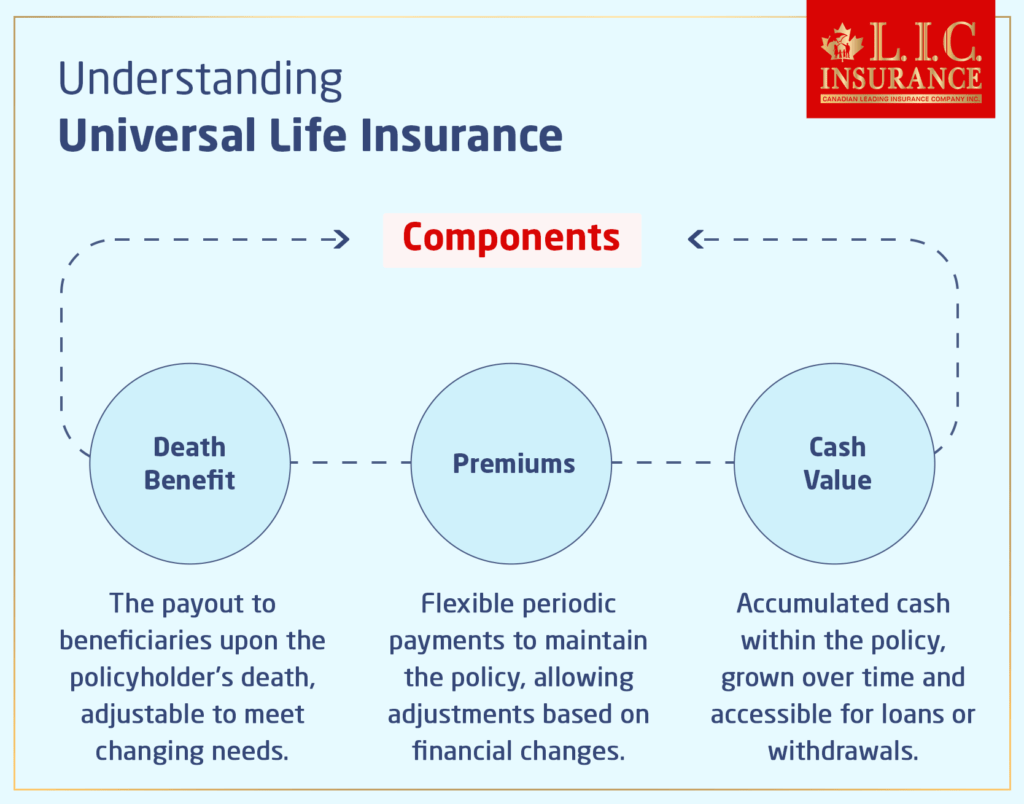
This tax-exempt status applies regardless of the size of the death benefit. Whether you receive $50,000 or $5,000,000, the federal income tax treatment remains the same for the beneficiary. It is important to note that this exemption applies to the "death benefit" itself—the face value of the policy. If the policy was a whole life or universal life policy that accumulated cash value over many years, that entire accumulated amount is typically paid out as a tax-free death benefit to the named beneficiaries.
Situations Where You May Owe Taxes
While the core death benefit is exempt from income tax, there are several "secondary" factors that can trigger a tax bill. Understanding these exceptions is crucial for accurate financial planning in 2026.
Interest Earned on the Death Benefit
The most common scenario where a beneficiary owes taxes is when the insurance company pays interest on the proceeds. This usually occurs if there is a delay between the date of death and the date the claim is paid. Many states require insurance companies to pay interest on the death benefit starting from the date of death until the claim is settled.
In this case, the principal amount remains tax-free, but the interest portion is considered taxable income. For example, if you receive a $500,000 payout that includes $2,000 in accumulated interest, you will report that $2,000 on your federal income tax return. The insurance company will typically issue a Form 1099-INT detailing the interest paid.
Installment Payouts and Annuity Options
Not every beneficiary chooses a lump-sum payment. Some opt for a "settlement option," where the insurance company holds the principal and pays it out over a set number of years (an annuity) or as a life income stream. When you choose an installment plan, each payment consists of two parts: a portion of the tax-free death benefit and a portion of interest earned on the remaining balance.
The IRS uses an "exclusion ratio" to determine how much of each payment is taxable. The interest portion of each installment is subject to federal income tax at your ordinary income tax rate.
The Transfer-for-Value Rule
If a life insurance policy was sold or transferred to another person for "valuable consideration" (money or something of value) before the insured person died, the tax-free status may be lost. This is known as the Transfer-for-Value Rule. In these cases, the death benefit is only tax-free up to the amount paid for the policy plus any subsequent premiums paid by the new owner. Any amount above that "basis" is taxed as ordinary income.

Estate Taxes and the "Incidents of Ownership"
While income tax is rarely an issue for beneficiaries, estate tax can be a significant hurdle if the policy is not structured correctly. As of 2026, the federal estate tax landscape has shifted following the expiration of several provisions from the Tax Cuts and Jobs Act of 2017.
If the deceased individual owned the life insurance policy at the time of their death—meaning they had "incidents of ownership" such as the power to change beneficiaries or borrow against the cash value—the full value of the death benefit is included in their gross estate. If the total value of the estate exceeds the 2026 federal exemption limit, the estate may owe taxes on those proceeds before the beneficiary receives their share.
Strategies to Avoid Estate Tax on Life Insurance
To prevent the death benefit from being taxed as part of an estate, many policyholders use an Irrevocable Life Insurance Trust (ILIT). By naming the trust as the owner and beneficiary of the policy, the proceeds are removed from the taxable estate. The trust then distributes the funds to the final beneficiaries according to the terms of the trust document, maintaining the tax-advantaged nature of the payout.
Comparing Payout Methods and Tax Impacts
The method you choose to receive the funds determines when and if you will see a tax liability. In 2026, insurance companies offer various settlement options to suit different financial needs.
| Payout Method | Income Tax Status of Principal | Tax Status of Interest/Gains | Common Use Case |
|---|---|---|---|
| Lump Sum | Tax-Free | N/A (unless delayed) | Immediate debt payoff or investment. |
| Interest Only | Tax-Free | Fully Taxable | Preserving capital for future heirs. |
| Fixed Period | Tax-Free | Taxable on interest portion | Replacing a monthly salary for a set time. |
| Life Income | Tax-Free | Taxable on interest portion | Ensuring the beneficiary never outlives the money. |
| Retained Asset Account | Tax-Free | Taxable as interest accrues | Using the payout like a checking account. |
The Impact of State Taxes
While federal law is uniform regarding the tax-free nature of life insurance, state laws can vary. Most states follow the federal lead and do not tax life insurance proceeds as income. However, some states have their own estate or inheritance taxes with lower exemption thresholds than the federal government.
In states with an inheritance tax, the tax is often based on the relationship between the deceased and the beneficiary. Spouses are generally exempt, but children or more distant relatives might face a state-level tax on the proceeds. It is vital to consult the specific revenue department guidelines for the state where the deceased resided.
Documentation and Reporting Requirements
Even though you usually do not have to pay taxes as a life insurance beneficiary, you must still ensure you have the proper documentation to prove the nature of the funds to the IRS if audited.
- Form 1099-INT: If the payout included more than $10 in interest, the insurer will send you this form. You must report this on your tax return.
- Form 712: This is the "Life Insurance Statement" provided by the insurance company. It provides the value of the policy at the time of death. This is primarily used for estate tax returns (Form 706) rather than individual income tax returns.
- Claim Confirmation: Keep the letter from the insurance company that breaks down the final payment amount. This helps distinguish between the non-taxable death benefit and any taxable interest.
Common Pitfalls to Avoid
Even with a clear tax-free mandate, beneficiaries can run into complications. One common mistake is assuming that "tax-free" means the money doesn't affect other financial areas. For example, while the payout isn't income, the sudden increase in your net worth could affect your eligibility for certain asset-based government benefits or financial aid for students (FAFSA).
Another pitfall involves "Cash Value" withdrawals. If you are the beneficiary of a policy where the policyholder withdrew more cash value than they paid in premiums before they died, there could be complex tax calculations regarding the "cost basis." However, for most beneficiaries receiving a standard death benefit, this is not a concern; the burden of those taxes usually falls on the policyholder during their lifetime if they surrender the policy.
Next Steps for Beneficiaries
If you have recently become a beneficiary, your first step should be to contact the insurance company to start the claims process. You will generally need a certified copy of the death certificate and a completed claim form.
Once the claim is processed, consider the following:
- Consult a Tax Professional: Especially if the payout is large or if you are choosing an installment option. They can help you calculate the taxable portion of any interest.
- Review Estate Plans: If the payout significantly increases your own estate, you may need to update your will or trust to account for these new assets.
- Evaluate Settlement Options: Do not feel pressured to take a lump sum if a structured payout better fits your long-term financial security goals, even if the interest portion is taxable.
For more detailed information on how the IRS views these payments, you can refer to IRS Publication 525, which covers taxable and nontaxable income.
Image Gallery
Select an image to open it in a new tab.



Akira Tanaka
International Academic Trends Correspondent
