Why McDonald’s Stopped All Day Breakfast: The Full Story and Current Status in 2026
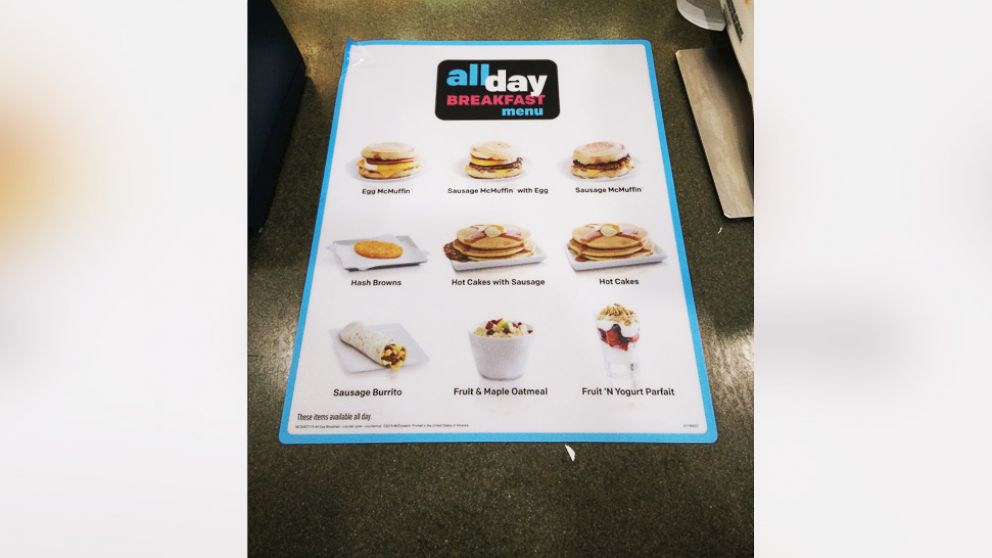
McDonald’s officially suspended its national All Day Breakfast menu in March 2020 to simplify kitchen operations during the COVID-19 pandemic. The decision aimed to improve service speed and order accuracy by reducing complexity for staff during a time of high drive-thru demand. While the brand has since evolved its menu, as of 2026, All Day Breakfast remains discontinued as a mandatory national standard, though individual franchisees retain the right to offer limited breakfast items at their discretion.
The Evolution and Rise of McDonald's All Day Breakfast
The launch of All Day Breakfast in October 2015 was one of the most significant strategic shifts in the history of McDonald’s. For decades, the "10:30 AM cutoff" was a cultural touchstone—a deadline that consumers famously raced against to secure an Egg McMuffin or a stack of hotcakes. When the company finally yielded to years of customer requests, the move was hailed as a massive win for consumer choice.
Initially, the program was a resounding success. In the first year following the launch, McDonald's saw a significant lift in same-store sales and a boost in its stock price. It successfully attracted "lapsed" customers who preferred breakfast flavors over the traditional lunch and dinner menu. However, this consumer-facing success masked a growing operational strain within the kitchens. To serve both a Quarter Pounder and a Sausage Biscuit simultaneously, crews had to manage two entirely different sets of ingredients, cooking temperatures, and equipment configurations. This dual-menu reality laid the groundwork for the eventual decision to scale back.
The Catalyst for Change: March 2020 and the Pandemic
The definitive turning point for All Day Breakfast occurred in March 2020. As the COVID-19 pandemic forced dining rooms to close globally, McDonald’s transitioned almost exclusively to drive-thru, delivery, and curbside pickup models. This shift placed an unprecedented burden on the speed of service.
In a high-volume drive-thru environment, every second counts. McDonald's corporate leadership, in consultation with the National Franchisee Leadership Council (NFLC), determined that the complexity of maintaining the breakfast menu alongside the core lunch and dinner offerings was creating "friction" in the kitchen. By removing All Day Breakfast, the company was able to:
- Simplify the Supply Chain: Reducing the number of unique SKUs (stock-keeping units) meant fewer delivery complications during a time of global logistics instability.
- Increase Drive-Thru Velocity: A streamlined menu allowed kitchen staff to focus on a smaller set of products, leading to faster assembly times and shorter queues for customers.
- Improve Order Accuracy: With fewer items to manage, the margin for error decreased significantly, which was vital when face-to-face interactions were minimized.
While initially framed as a temporary measure to navigate the "emergency" phase of the pandemic, the operational benefits were so stark that the company chose not to mandate its return once dining rooms reopened.
Technical and Operational Constraints: The Kitchen Reality
To understand why All Day Breakfast is difficult to maintain, one must look at the technical layout of a standard McDonald’s kitchen. Most locations are designed for "sequential" cooking rather than "parallel" cooking of vastly different product lines.
The Grill Space Dilemma
One of the primary technical hurdles is grill temperature management. Beef patties and fresh-cracked eggs require different cooking surfaces and temperatures. McDonald’s uses "clamshell" grills that sear meat from both sides. While some newer locations have dedicated zones, many older restaurants have limited grill real estate. Attempting to cook eggs in the middle of a lunch rush often meant taking a grill offline for beef production, creating a bottleneck that slowed down the entire restaurant.
The Hash Brown vs. French Fry Conflict
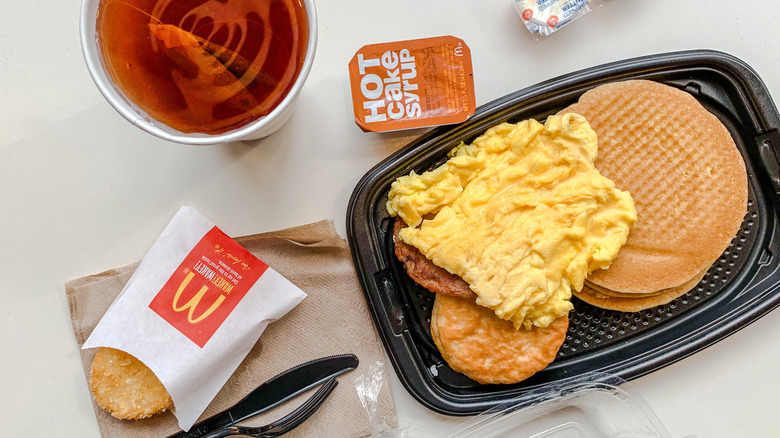
Perhaps the most overlooked technical constraint is the deep fryer. McDonald's French fries and hash browns are both iconic, but they are typically cooked in the same type of vat. Because hash browns and fries have different cook times and oil recovery requirements, trying to maintain a steady supply of both during peak lunch hours frequently led to "fryer gridlock." In many stores, the equipment simply wasn't designed to produce both at the volume required for a national 24/7 rollout.
The Universal Holding Cabinet (UHC)
McDonald’s uses Universal Holding Cabinets to keep food at safe, appetizing temperatures after it is cooked. These cabinets have a finite number of slots. All Day Breakfast required dedicated slots for folded eggs, round eggs, sausage patties, and bacon. When these slots were filled with breakfast items, there was less room for nuggets, McChicken patties, and various burger components. This often forced managers to choose between running out of a core lunch item or making a breakfast customer wait 5-10 minutes for a "cook-to-order" egg.
Franchisee Feedback and Business Strategy
While customers lamented the loss of the midnight McMuffin, the owners of the restaurants—the franchisees—were largely in favor of the change. In the United States, roughly 95% of McDonald’s restaurants are owned and operated by independent businessmen and women. These operators are focused on labor costs, waste reduction, and throughput.
According to various reports from the National Franchisee Leadership Council, the simplified menu allowed for better labor management. During a period of historic labor shortages that persisted through 2023 and 2024, having a less complex menu meant that new employees could be trained faster and existing staff were less likely to be overwhelmed during "peak" hours.
By 2026, the corporate strategy has shifted toward "Accelerating the Arches," a plan that prioritizes core products like the Big Mac, Chicken McNuggets, and the expansion of the McCrispy chicken line. Within this framework, All Day Breakfast is viewed as a "niche" offering that detracts from the efficiency of the core menu.
Comparing the All-Day Era vs. The Simplified Era
The following table outlines the operational differences between the period when All Day Breakfast was a national mandate and the current simplified operations of 2026.
| Feature | All Day Breakfast Era (2015–2020) | Simplified Operations (2020–2026) |
|---|---|---|
| Menu Complexity | High (Full breakfast + full lunch/dinner) | Low (Focus on core "Gold Standard" items) |
| Kitchen Throughput | Lower (Average drive-thru times were higher) | Higher (Focus on "Minutes to Seconds" speed) |
| Grill Configuration | Split-use (High risk of bottlenecks) | Dedicated to core proteins |
| Franchisee Autonomy | Limited (National mandate required) | High (Individual choice to offer items) |
| Inventory Waste | Higher (Due to slow-moving items) | Lower (Higher turnover of fresh ingredients) |
| Staff Training | Extensive (Required knowledge of all items) | Streamlined (Focused on high-volume items) |
Is All Day Breakfast Returning? The 2026 Outlook
As we move through 2026, the question remains: will it ever come back? The short answer is: not in its original, mandatory form. However, the "disappearance" of All Day Breakfast is not absolute.
The Rise of Digital and App-Only Offers
McDonald's has increasingly moved toward digital-first sales. In 2026, the McDonald's App serves as the primary gateway for many customers. Some regions have experimented with "App-Only Breakfast After Dark" or specific breakfast bundles available through McDelivery. By limiting these items to digital channels, restaurants can better manage the "flow" of orders, pacing them out to avoid kitchen gridlock.
Regional Variations
It is important to note that McDonald's did not "ban" breakfast after 10:30 AM; they simply stopped requiring it. This means that if you are in a market with a high demand for breakfast and a kitchen equipped to handle it, your local operator might still serve a limited selection of McMuffins or Burritos throughout the day. These are often referred to as "local options" and are not advertised on national television.
Automation and Future Kitchens
The future of All Day Breakfast may lie in the "Kitchen of the Future" initiatives. As McDonald's integrates more automation—such as automated beverage systems and robotic fryers—some of the labor and complexity hurdles may diminish. If a restaurant can automate the cooking of a hash brown without human intervention, the "complexity" argument loses some of its weight. However, wide-scale retrofitting of thousands of restaurants is a multi-year, multi-billion-dollar endeavor that is still ongoing in 2026.
Common Misconceptions About the Cancellation
Several myths have persisted regarding why the menu was changed. It is helpful to clarify these points:
- "It wasn't selling": This is false. All Day Breakfast was popular. The cancellation was an operational decision, not a demand-based one.
- "It was a health decision": While McDonald's has made strides in nutritional transparency, the removal of the breakfast menu was purely logistical and financial.
- "It's because of the egg prices": While egg prices have fluctuated significantly between 2022 and 2026 due to various factors like avian flu, the decision to stop All Day Breakfast predates these specific price spikes.
Strategic Alternatives for Breakfast Lovers
For those who still crave breakfast flavors outside of traditional hours, several strategies have emerged in 2026:
- The "Brunch" Window: Many locations have extended their breakfast hours until 11:00 AM or even 12:00 PM on weekends. This "extended breakfast" is a compromise that satisfies late risers without clogging the kitchen during the dinner rush.
- Bakery Items: McDonald’s expanded its McCafé bakery line (including items like Apple Fritters and Blueberry Muffins) which are available all day. While not a replacement for a McGriddle, they offer a sweet breakfast alternative.
- Check the App: The McDonald's App is the most accurate way to see what your specific local store is offering. Some franchisees use the app to toggle breakfast items "on" during slow afternoon periods.
FAQ: Understanding the 2026 Menu Landscape
What time does McDonald's officially stop serving breakfast in 2026?
Most McDonald's locations transition to the lunch menu at 10:30 AM on weekdays and 11:00 AM on Saturdays and Sundays. These times can vary by 30 minutes depending on the specific franchise and local demand.
Can I still find any locations that serve All Day Breakfast?
Yes, but they are the exception rather than the rule. Some franchisees in high-traffic urban areas or specific regions with unique "breakfast cultures" continue to offer a truncated version of the breakfast menu. It is best to use the store locator in the official app to verify.
Why are hash browns sometimes available when the rest of the breakfast menu is gone?
Hash browns are often kept on the menu longer than eggs because they can be cooked in the same vats as fries (with proper separation). Because they are a "fan favorite" with a long shelf life in the holding cabinet, some managers find them easier to maintain than fresh-cracked eggs.
Did the McCrispy expansion play a role in the death of All Day Breakfast?
Indirectly, yes. As McDonald’s prioritized winning the "Chicken Wars," they needed to dedicate more kitchen resources and holding cabinet space to chicken products. This increased competition for space within the kitchen made it even harder to justify keeping breakfast items on the line.
Is there a "secret menu" to get breakfast after hours?
There is no official secret menu. However, items that don't require the grill—such as parfaits (where available) or certain bakery items—can often be purchased all day. Trying to order a McMuffin during the dinner rush is generally not possible unless the store specifically lists it on the digital menu.
Next Steps for Consumers
If you are looking for your breakfast fix, the most practical action is to download and check the McDonald's mobile app. The app provides real-time menu availability for your specific location. Additionally, if you have a local "favorite" McDonald's, consider asking the manager about their specific breakfast hours, as many stores have shifted to "Extended Breakfast" on weekends to accommodate the 11:00 AM to 1:00 PM crowd.
Image Gallery
Select an image to open it in a new tab.

Lars Thomsen
Global Labor Markets and Economic Strategy Editor
