Why Whole Life Insurance for Expats Is Rarely Worth It

Whole life insurance policies marketed to expatriates frequently combine high fees, complex cross-border tax liabilities, and rigid long-term commitments that make them a poor financial choice. For most individuals living or working abroad, these products fail to meet liquidity needs, deliver lower inflation-adjusted returns than alternative investment vehicles, and create severe administrative hurdles when changing countries of residence.
Understanding Whole Life Insurance and the Expat Context
Permanent life insurance, commonly known as whole life insurance, is a financial product designed to provide a lifetime death benefit alongside a savings component called cash value. This cash value grows at a guaranteed minimum rate, occasionally supplemented by dividends declared by the insurance company. Domestic buyers often purchase these contracts for estate planning or permanent income replacement. However, when expatriates—individuals living outside their home countries for work, retirement, or lifestyle reasons—are targeted by cross-border financial advisors, the equation changes dramatically.
Expats face unique financial pressures. They must manage foreign exchange risk, navigate unfamiliar tax systems in their host and home countries, and secure portable retirement solutions. Insurance brokers operating in international hubs often position whole life policies as an ideal vehicle to solve these challenges. They highlight tax-deferred growth, asset protection, and forced savings. Beneath these marketing claims, however, lies a product structure ill-suited to the transient and dynamic nature of modern expatriate life.
The Structural Pitfalls of International Whole Life Policies
High Upfront Fees and Surrender Charges
The primary hurdle with whole life insurance lies in its cost structure. During the first several years of a policy, a significant portion of the premiums paid goes toward broker commissions, administrative expenses, and underwriting costs. Consequently, the cash value of the policy remains near zero for the initial years.
For expatriates, who frequently relocate every three to five years, this creates a dangerous liquidity trap. If an expat needs to cancel the policy early—known as surrendering the contract—they may lose all or most of the money paid in. International policies often carry even steeper surrender penalties and administrative layers than domestic counterparts, reflecting the higher costs of cross-border policy administration.
Currency Mismatch and Inflation Risk
Expatriates often earn in one currency, spend in another, and plan to retire in a third. Purchasing a whole life insurance policy locked into a single currency—such as US dollars, British pounds, or Euros—exposes the policyholder to severe exchange rate risks.
Furthermore, the guaranteed returns on whole life cash values rarely keep pace with global inflation. While the nominal value of the policy is safe, its purchasing power erodes over decades. Because expats often face higher-than-average inflation volatility depending on their host countries, tying up substantial capital in a low-yield fixed-income instrument reduces long-term wealth accumulation.
Cross-Border Tax Complications
One of the most persistent myths promoted by international insurance salesmen is that whole life policies are universally tax-free havens. While certain jurisdictions offer tax deferral on cash value growth, the reality for expatriates is far more complex and legally precarious.
- Home Country Tax Compliance: Citizens of countries like the United States are taxed on worldwide income, regardless of where they live. US-controlled foreign corporations and foreign insurance products (PFICs or foreign trust rules) can trigger complex reporting requirements and punitive taxation if the policy does not meet strict legal definitions.
- Host Country Residence Rules: Local tax authorities where the expat currently resides may view the policy differently. Some countries tax the annual growth of foreign life insurance cash values as deemed income, destroying the primary tax advantage of the vehicle.
- Estate and Inheritance Tax Traps: Cross-border estates face overlapping tax jurisdictions. A whole life policy designed to bypass probate in a home country may still be subject to inheritance taxes in the host country, leaving beneficiaries with unexpected liabilities.
Regulatory Deficits and Consumer Protection Abroad
Purchasing financial products across international borders often exposes expatriates to regulatory gray areas. Advisors targeting expats frequently operate out of loosely regulated financial centers (such as parts of Southeast Asia, the Middle East, or offshore islands), selling products issued by entities domiciled in tax havens.
If an insurance provider becomes insolvent or a broker engages in misrepresentation, local ombudsmen and national guarantee funds (such as the UK’s Financial Services Compensation Scheme or state guaranty associations in the US) rarely cover policies purchased offshore or through non-resident channels. This leaves policyholders with minimal legal recourse if disputes arise over fees, policy performance, or contract terms.
Comparative Analysis: Whole Life vs. Term Insurance and Portfolios
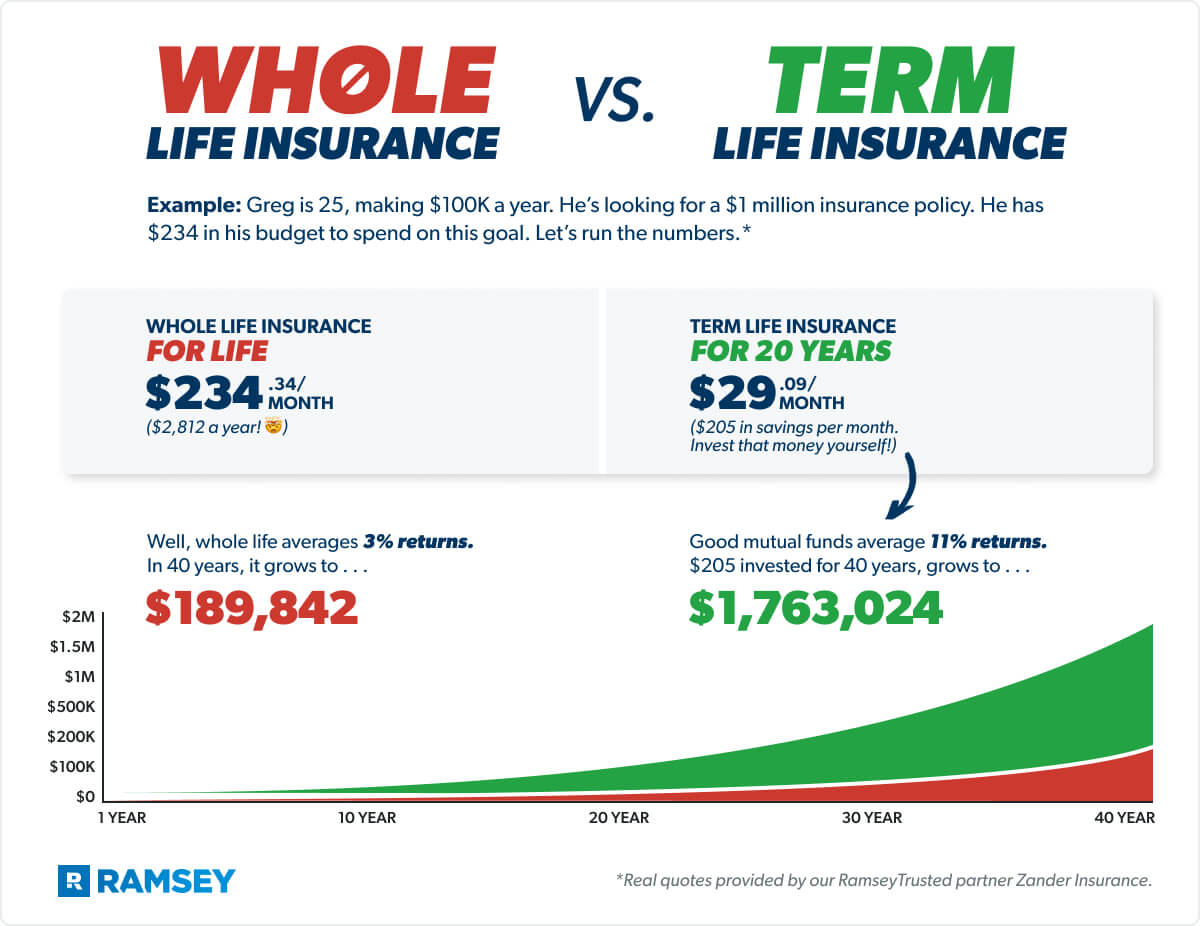
To understand why whole life insurance rarely pencils out for expats, it helps to compare it against a "Buy Term and Invest the Difference" (BTID) strategy, which separates insurance protection from wealth accumulation.
| Feature | International Whole Life Insurance | Term Life Insurance + Global Investment Portfolio |
|---|---|---|
| Primary Purpose | Lifetime coverage + forced savings | Pure risk protection + flexible investing |
| Upfront Costs | Extremely high (heavy broker commissions) | Low (pure mortality cost) |
| Liquidity | Highly restricted; severe surrender penalties in early years | High; ETFs and mutual funds can be sold at any time |
| Portability | Difficult; changing tax jurisdictions can trigger penalties | High; brokerage accounts move easily across borders |
| Historical Returns | Low to moderate (after fees and inflation) | Historically higher (tied to global equities and bonds) |
| Complexity | High; cross-border tax and legal hurdles | Moderate; standard international brokerage framework |
Frequently Asked Questions
Can I keep my whole life insurance policy if I move to another country?
Usually yes, but maintaining the policy from abroad can introduce logistical challenges. Premium payments may incur international wire fees or currency conversion losses. More importantly, your new country of residence may impose tax reporting burdens or levy taxes on the policy's internal growth, altering the financial viability of the contract.
Are offshore life insurance policies legal for expats?
Purchasing a life insurance policy while living abroad is generally legal, but compliance depends entirely on your citizenship and residency. For example, US citizens must navigate strict IRS rules regarding foreign non-qualified annuities and life insurance contracts. Failing to report these accounts on Foreign Bank and Financial Accounts (FBAR) or FATCA forms can result in severe financial penalties.
Why do financial advisors in expat hubs push whole life insurance so aggressively?
Commission structures drive this behavior. Whole life and universal life policies often pay brokers massive upfront commissions—sometimes ranging from 5% to 10% or more of the face value or premium commitments over the term. This creates a strong financial incentive for advisors to recommend permanent insurance over low-cost term insurance and independent investment portfolios.
What is the best alternative for expat income replacement?
For most expatriates, term life insurance provides the necessary financial protection for dependents at a fraction of the cost. By purchasing a level-term policy for a specific duration (such as 10, 20, or 30 years) and investing the remaining capital into low-cost, globally diversified index funds through an international brokerage account, expats retain total control, liquidity, and portability.
Practical Next Steps for Expats
If you are currently evaluating your insurance and financial strategy as an expatriate, take a systematic approach before committing capital to a long-term contract:
- Audit Existing Policies: If you already own an international whole life policy, calculate your exact surrender value and compare it against the projected fees and long-term returns. Consult an independent, fee-only cross-border financial planner who does not sell insurance products for a conflict-free review.
- Separate Protection from Investing: Purchase standalone term life insurance only if you have financial dependents who rely on your income. Keep your investment capital in portable, low-fee brokerage accounts rather than locking it inside an insurance wrapper.
- Verify Regulatory Standing: If you work with an advisor abroad, verify their credentials with recognized international regulatory bodies and ensure the product issuer is backed by a reputable sovereign jurisdiction with robust consumer protection laws.
Image Gallery
Select an image to open it in a new tab.

Declan O'Connor
Higher Education and Campus Culture Reporter
