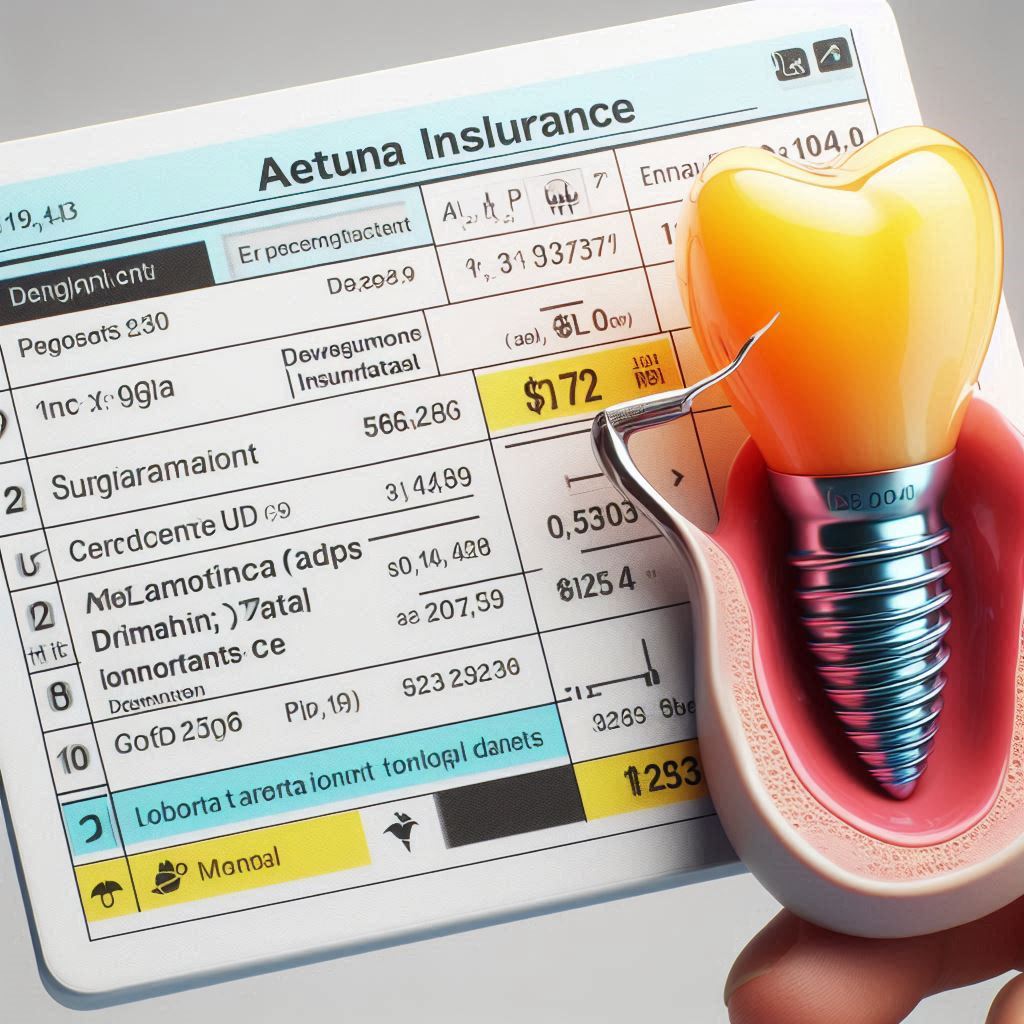
Dental code D6059 represents a specific procedure within the Current Dental Terminology (CDT) system, specifically designating an "abutment supported porcelain fused to metal crown." This code is used by dental professionals to bill for the laboratory-fabricated restoration placed over an implant abutment. It serves as a vital communication tool between dentists, oral surgeons, and insurance carriers to ensure accurate claims processing and standardized record-keeping during the restorative phase of implant dentistry.
The Role of CDT Codes in Implant Dentistry
The Current Dental Terminology (CDT) is a standardized code set developed by the American Dental Association (ADA). Its purpose is to provide a uniform language for reporting dental services to third-party payers. In the complex world of dental implants, which involves multiple stages—from the surgical placement of the implant fixture to the final prosthetic restoration—using the correct code is essential for financial transparency and clinical accuracy.
Dental code D6059 falls under the category of implant-supported prosthetics. Unlike a standard crown placed on a natural tooth, an implant-supported crown involves a more intricate connection to the underlying dental hardware. The D6059 code specifically identifies a porcelain-fused-to-metal (PFM) crown that is secured to an abutment. The abutment is the component that connects the implant fixture (the part embedded in the jawbone) to the crown (the visible tooth replacement).
Because implant procedures are often subject to specific coverage limitations, deductibles, and annual maximums, miscoding can lead to denied claims or delayed treatment. Understanding exactly what D6059 entails helps patients and administrative staff anticipate coverage hurdles and prepare the necessary documentation for insurance pre-authorizations.
Defining the Procedure: What is D6059?
To fully understand D6059, it is necessary to break down the technical components involved in the procedure. A PFM crown is a traditional, durable restoration consisting of a metal substructure (the "frame") onto which porcelain is layered and fired to provide a natural tooth color and shape.
Key Components of a D6059 Restoration:
- The Implant Fixture: This is the screw-like metal post (usually titanium or zirconia) that has integrated into the bone.
- The Abutment: A distinct piece that screws into the implant. It acts as the anchor for the crown.
- The PFM Crown: The final restoration covering the abutment. D6059 explicitly notes that the crown is "abutment supported," meaning it is specifically designed to sit on the abutment rather than being screw-retained directly to the fixture.
The choice of a porcelain-fused-to-metal crown is often based on the patient's bite force, the space available, and the history of success with metallic substructures. While newer materials like monolithic zirconia or lithium disilicate are becoming more common, D6059 remains a standard classification for the PFM technique.
Differences Between D6059 and Similar Codes
The CDT codebook contains several codes for implant-supported crowns, and it is easy for patients to become confused by the subtle differences. The distinction usually lies in the material composition of the crown or the method of attachment.
| Code | Description | Material/Method |
|---|---|---|
| D6058 | Abutment supported porcelain/ceramic crown | All-ceramic, no metal |
| D6059 | Abutment supported porcelain fused to metal | Metal substructure with porcelain |
| D6060 | Abutment supported porcelain fused to noble metal | Specific high-noble metal frame |
| D6065 | Implant supported porcelain/ceramic crown | Usually refers to screw-retained |
By distinguishing D6059 from others, dental offices ensure that the laboratory costs—which are significantly higher for noble metals versus non-precious metals—are appropriately reflected in the bill. Patients should review their treatment plan to verify that the dentist has selected the correct code based on the specific laboratory requirements for their case.
Prerequisites and Preparation
Before a patient reaches the stage of receiving an implant-supported crown, several prerequisites must be met. The placement of the implant fixture (D6010) must be fully integrated with the jawbone, a process known as osseointegration. This typically takes several months, depending on the patient's bone density and health status.
Prior to scheduling the appointment for the restoration (D6059), the dentist will perform:
- Tissue Health Assessment: Ensuring the gums around the implant site are healthy and inflammation-free.
- Impression/Digital Scan: Creating a high-precision model of the implant site and the opposing teeth to ensure the bite is aligned correctly.
- Abutment Selection: Selecting the specific abutment height and angulation to support the final crown.
- Insurance Pre-determination: Many insurance providers require a pre-determination of benefits for implant procedures. This involves sending the treatment plan and relevant radiographs to the insurance company to confirm the eligibility of D6059 under the patient's specific plan.
Navigating Insurance Coverage for D6059
Insurance coverage for dental implants has historically been complex. Many plans consider implants "major services," which often carry lower reimbursement percentages compared to "basic services" like fillings or routine cleanings.
Why Claims Get Denied
A common reason for the denial of D6059 is the "missing tooth clause" in many insurance policies. Some insurance plans will not cover an implant procedure if the tooth was lost before the patient enrolled in the insurance policy. Additionally, some carriers may bundle the cost of the abutment with the crown, whereas others may require separate billing for the abutment (D6056 or D6057) and the crown (D6059).
Tips for Successful Processing:
- Submit Radiographs: Clear digital X-rays showing the integrated implant fixture are almost always required to validate the claim.
- Narrative Documentation: If a patient has an unusual clinical situation, such as a trauma-induced loss or a failed bridge that necessitated an implant, a brief clinical narrative can help the insurance reviewer understand the medical necessity.
- Check Annual Maximums: Because D6059 can be an expensive procedure, ensure the patient has enough of their annual dollar limit remaining to cover the restorative portion of the treatment.
Common Mistakes and Troubleshooting
When dealing with dental billing, precision is paramount. A common mistake occurs when a dental office uses an "implant-supported" crown code for a "tooth-supported" crown. If the crown is attached to a natural tooth that is acting as an anchor for a bridge, it is not an implant procedure. Conversely, if the crown is attached to an implant, it must use the implant code series.
If a patient receives a "denied" notice for D6059, the first step is to call the insurance company to determine the Reason Code. Common reasons include:
- Coordination of Benefits: If the patient has dual insurance, the claim may be stuck in the coordination process.
- Non-covered Procedure: The plan may exclude implant prosthetics entirely.
- Lack of Information: The insurance carrier may simply be missing a copy of the diagnostic report or the date of the original tooth extraction.
Clinical Success and Longevity
The success of a D6059 restoration depends on several factors, including the quality of the laboratory work, the precision of the seating, and the patient’s home care habits. Porcelain-fused-to-metal crowns are well-regarded for their strength, but they do require regular monitoring.
Over time, the porcelain can chip, or the underlying metal may become visible if the gum line recedes. Patients should treat an implant-supported crown much like a natural tooth. While the crown cannot decay, the gums surrounding the implant can still develop peri-implantitis—an inflammatory condition similar to gum disease. Professional cleanings, at least twice a year, are essential to maintain the integrity of the implant-crown complex.
Frequently Asked Questions
Is D6059 the same as a regular crown code (D2740)? No. D6059 is specifically for a crown supported by a dental implant abutment. D2740 is used for a crown supported by a natural tooth. Insurance carriers reimburse these codes differently because the complexity and the biological interface differ significantly.
Does insurance always cover D6059? Not necessarily. While many modern dental plans include implant coverage, many "basic" plans exclude it. You must check your specific policy’s table of allowances to see if "implant-supported prosthetics" are a covered benefit.
What happens if the crown feels loose? If the crown feels loose, you should contact your dentist immediately. It is possible the screw securing the abutment to the implant has loosened. Attempting to glue it yourself or waiting could result in damage to the implant fixture or the screw itself.
How long does a D6059 crown typically last? With proper oral hygiene and regular dental check-ups, a PFM crown on an implant can last 10 to 15 years or longer. Factors like teeth grinding (bruxism) and the location of the implant (front vs. back of the mouth) influence its lifespan.
Can I upgrade my D6059 to a different material? Yes, but you should discuss this with your dentist before the crown is fabricated. Switching from a PFM crown to an all-ceramic or zirconia crown may change the laboratory costs and potentially the CDT code used, which could affect your insurance reimbursement.
Final Recommendations for Patients
If you have been presented with a treatment plan including code D6059, request a formal "Pre-determination of Benefits" from your dental office. This process involves submitting the plan to your insurance provider before the work begins. The provider will respond with an estimate of what they will pay and what your out-of-pocket responsibility will be.
Always verify the financial details with your office manager. Because D6059 involves both the dentist's time and the laboratory’s fabrication costs, ensure you understand the warranty policies offered by the practice for their prosthetic work. Maintaining rigorous oral hygiene after the crown is placed—specifically focusing on interdental cleaning—is the single most important action you can take to protect your investment and ensure the long-term health of your dental implant.
Image Gallery
Select an image to open it in a new tab.
Celine Dubois
Contemporary Living and Global Arts Columnist
