Why the Toyota Corolla Still Matters in 2026
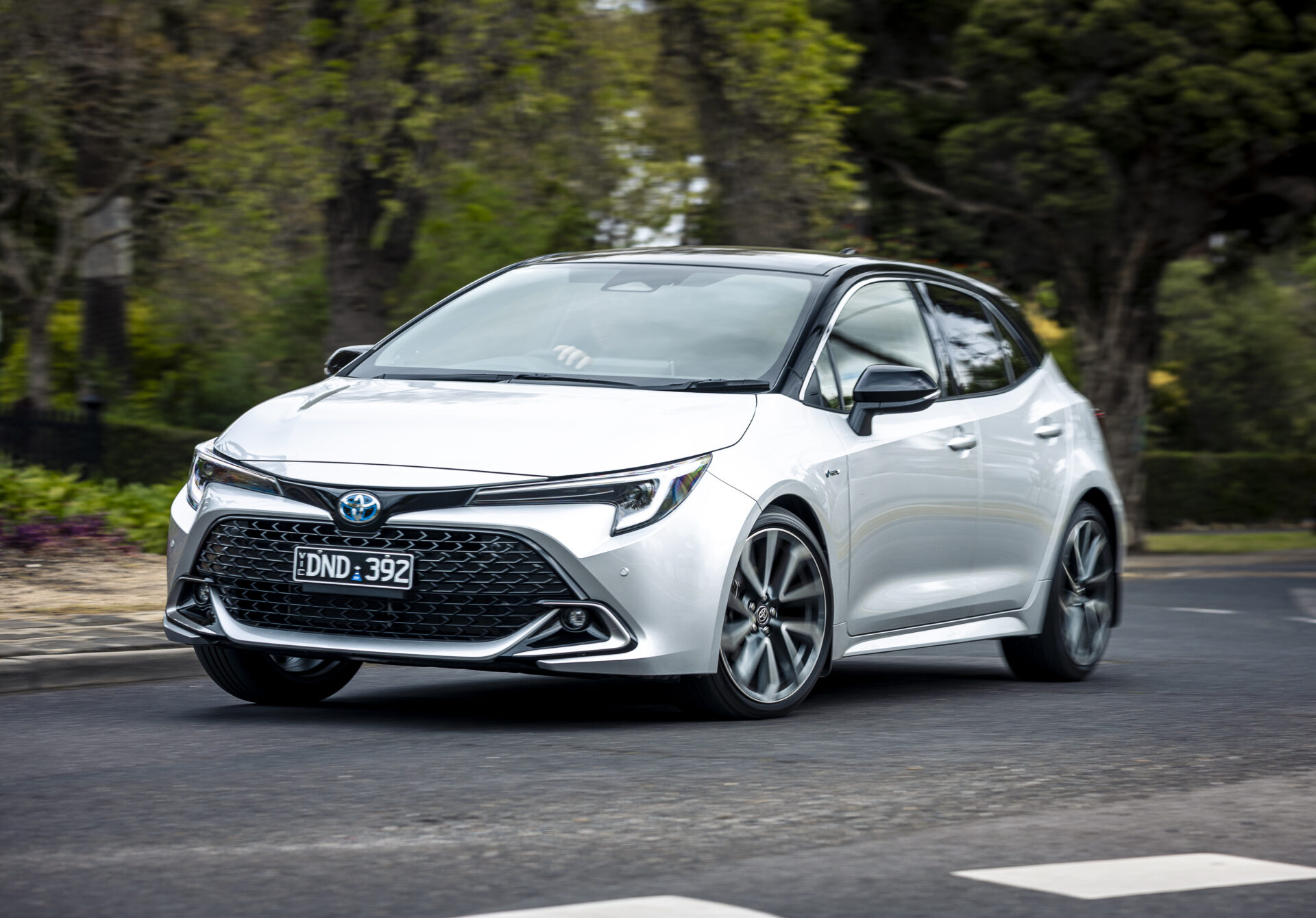
The Toyota Corolla remains the world’s most relevant vehicle by offering a rare combination of mechanical longevity, class-leading fuel economy, and predictable ownership costs. In an era of volatile energy prices and complex automotive transitions, the Corolla provides a low-risk, high-utility solution that serves as the global benchmark for sensible transportation.
For over six decades, the Toyota Corolla has occupied a unique space in the automotive landscape. While supercars capture the imagination and electric trucks dominate the headlines, the Corolla quietly continues to move more people than any other nameplate in history. As of 2026, the automotive industry is undergoing a massive shift toward electrification and software-defined vehicles, yet the Corolla’s importance has arguably never been higher. It represents the "goldilocks" of the car world: not too expensive, not too complex, and remarkably efficient.
The Foundation of Mechanical Immortality
The primary reason the Corolla still matters is its reputation for bulletproof reliability. This is not a matter of marketing; it is a result of the Toyota Production System (TPS) and the philosophy of Kaizen, or continuous improvement. Unlike manufacturers that frequently redesign engines from scratch, Toyota tends to iterate on proven designs.
By 2026, the internal combustion and hybrid powertrains found in the Corolla are the result of decades of refinement. The 1.8-liter and 2.0-liter Dynamic Force engines utilize both direct and port injection to balance power with cleanliness, minimizing carbon buildup—a common failure point in rival direct-injection engines. This mechanical conservatism means that a Corolla purchased today is statistically likely to remain on the road well into the 2040s with basic maintenance.
Furthermore, the Corolla’s simplicity facilitates a global infrastructure of parts and service. Whether a driver is in suburban Ohio or rural Thailand, finding a mechanic who understands a Corolla and a supplier that stocks its components is nearly guaranteed. This "universal compatibility" makes it the world’s most practical vehicle for those who view a car as a tool rather than a status symbol.
Economic Value and the Total Cost of Ownership
In the current 2026 economic climate, the Total Cost of Ownership (TCO) has become the most critical metric for the average buyer. High interest rates and fluctuating insurance premiums have made car ownership more expensive. The Corolla counters this trend through three specific economic pillars:
- Depreciation Resistance: The Corolla consistently ranks at the top of its class for resale value. Because there is always a high demand for used Corollas, the "cost" of owning one for five years is significantly lower than that of a cheaper car that loses half its value the moment it leaves the lot.
- Fuel Efficiency via Hybrid Integration: By 2026, Toyota’s fifth-generation hybrid system has become the standard for the Corolla line. Achieving over 50 miles per gallon (MPG) in combined driving, the Corolla Hybrid allows owners to hedge against spikes in gasoline prices without the high entry price or charging infrastructure requirements of a full Battery Electric Vehicle (BEV).
- Insurance and Maintenance: Because the Corolla is equipped with advanced safety suites as standard equipment, and because its repair costs are predictable, insurance companies often rate it more favorably than high-performance or luxury alternatives.

The Hybrid Powerhouse: Bridging the Gap to Electrification
While the world moves toward full electrification, the Toyota Corolla remains the most effective bridge for the "mass market." Not every driver has access to a home charging station, and the cost of long-range BEVs remains a barrier for many working-class families. The Corolla Hybrid delivers the benefits of electrification—instant torque, regenerative braking, and massive fuel savings—without requiring a change in consumer behavior.
The 2026 Corolla Hybrid utilizes a lithium-ion battery pack that is lighter and more energy-dense than previous nickel-metal hydride versions. This allows for a more compact design that does not sacrifice trunk space or rear-seat legroom. For many, the Corolla Hybrid is the "greenest" car they can realistically afford, offering a significant reduction in carbon footprint compared to traditional internal combustion vehicles while remaining affordable for the average household.
Safety as a Standard Requirement
Another reason the Corolla still matters is Toyota’s commitment to democratizing safety technology. In previous decades, features like adaptive cruise control, lane-keeping assist, and automatic emergency braking were reserved for luxury brands. Toyota upended this model by including Toyota Safety Sense (TSS) as standard equipment across all Corolla trims.
By 2026, the latest iteration of TSS includes Proactive Driving Assist and enhanced pedestrian detection. These systems utilize a combination of camera and radar sensors to provide a "safety net" that reduces the frequency and severity of accidents. For the young driver getting their first car or the elderly driver looking for extra security, the Corolla offers a level of protection that was once the exclusive province of brands like Volvo or Mercedes-Benz.
Versatility Through the Corolla Family
The Corolla is no longer just a four-door sedan. To remain relevant in a market that has shifted toward SUVs and crossovers, Toyota has expanded the nameplate into a family of vehicles that share the same underlying DNA:
- The Corolla Sedan: The classic choice for commuters and rideshare drivers.
- The Corolla Hatchback: A more European-inspired design that appeals to younger buyers and those needing easier cargo loading.
- The Corolla Cross: A compact crossover that provides the higher seating position and all-wheel-drive (AWD) capability that modern consumers crave, while maintaining Corolla-levels of efficiency.
- The GR Corolla: A high-performance, turbocharged "halo" car that proves the Corolla platform can be exciting, attracting enthusiasts to the brand.
This diversification ensures that the nameplate remains relevant regardless of changing body style preferences. The Corolla Cross, in particular, has become a massive success by 2026, offering a middle ground for those who find the RAV4 too large or expensive but want more utility than a sedan provides.
Comparison: 2026 Corolla vs. Key Competitors
To understand why the Corolla remains the leader, it is helpful to see how it compares to its primary rivals in the 2026 market.
| Feature | Toyota Corolla Hybrid (2026) | Honda Civic Hybrid | Hyundai Elantra Hybrid | Generic Entry-Level EV |
|---|---|---|---|---|
| Starting MSRP (Est.) | $25,500 | $28,000 | $26,500 | $35,000+ |
| Combined MPG | 52-53 | 49-50 | 50-52 | 100+ (MPGe) |
| Standard Safety | TSS 3.0+ | Honda Sensing | SmartSense | Varies |
| Drivetrain | FWD / AWD Available | FWD Only | FWD Only | RWD / AWD |
| Resale Value | Exceptional | High | Moderate | Low (Battery Concerns) |
| Maintenance Cost | Very Low | Low | Moderate | Very Low |
The data shows that while the Civic offers a more "premium" driving feel and the Elantra offers more aggressive styling, the Corolla wins on the cold, hard logic of price, AWD availability, and long-term resale value.
Technological Accessibility Without Over-Complexity
A major trend in 2026 is the "over-teching" of cars—large screens that control everything from wipers to climate control, which can be distracting and prone to software glitches. The Corolla still matters because it strikes a balance. It features a modern, high-definition touchscreen with wireless Apple CarPlay and Android Auto, yet it retains physical buttons and knobs for critical functions like volume and temperature.
This "human-centric" design makes the Corolla accessible to all age groups. It provides the connectivity that 2026 drivers expect without the steep learning curve or "subscription-based" features that have frustrated many modern car buyers. When you get into a Corolla, you know how to drive it immediately, and that simplicity is a form of luxury in an increasingly complex world.
The Corolla as a Global Stabilizer
On a broader scale, the Corolla matters because of its role in global mobility. In developing nations, the Corolla (and its regional variants) is often the vehicle that moves the emerging middle class. It functions as a taxi, a family car, and a fleet vehicle for governments. Its ability to operate in diverse climates—from the heat of the Middle East to the winters of Canada—proves the engineering integrity of the platform.
In 2026, as manufacturing costs rise globally, Toyota’s ability to produce the Corolla at scale while maintaining quality is a feat of industrial engineering. It keeps the dream of affordable, reliable car ownership alive for millions who might otherwise be priced out of the market.
Addressing Common Criticisms
Critics often point out that the Corolla is not the fastest or the most luxurious car in its class. In 2026, this criticism is largely irrelevant to the Corolla's core mission. The Corolla does not try to be a sports car (except for the GR variant) or a luxury lounge. It tries to be the most dependable appliance in your life.
While some competitors focus on "0-60" times or "ambient lighting" packages, Toyota focuses on the thermal efficiency of the engine and the durability of the seat upholstery. This focus on "utility-first" design is exactly why the Corolla has survived every fuel crisis, recession, and automotive fad of the last 60 years.
FAQs
Is a Toyota Corolla worth buying in 2026 compared to an EV?
Yes, for many drivers, the Corolla (especially the Hybrid) remains a more practical choice in 2026. If you do not have reliable access to home charging, or if you frequently take long trips in areas with sparse charging infrastructure, the Corolla’s 500+ mile range and 5-minute refueling time are superior. Additionally, the lower purchase price of a Corolla makes it more accessible than most EVs with comparable range.
How long can I expect a 2026 Corolla to last?
With proper maintenance—regular oil changes, fluid flushes, and filter replacements—a 2026 Corolla is engineered to last 250,000 to 300,000 miles. The hybrid batteries are also significantly more durable than early generations, often lasting 10-15 years or 150,000 miles before requiring service, and Toyota offers a robust warranty on these components.
Does the Corolla have enough power for highway driving?
While the Corolla is not a high-performance vehicle, the 2.0-liter engine and the 5th-generation hybrid system provide more than enough power for confident highway merging and passing. The hybrid system, in particular, uses the electric motor to provide instant torque at low speeds, making it feel peppier in city traffic than the raw horsepower numbers might suggest.
Is the Corolla Cross better than the Corolla Sedan?
"Better" depends on your needs. The Corolla Cross offers 8 inches of ground clearance and more cargo volume, making it better for light off-roading or hauling bulky items. However, the Corolla Sedan is more aerodynamic, resulting in slightly better fuel economy and a quieter ride at high speeds. The Sedan is also generally less expensive than the Cross.
Why is the resale value of the Corolla so high?
The resale value is driven by a massive secondary market. Used car buyers prioritize reliability above all else, and the Corolla has a multi-decade track record of minimal mechanical issues. Because people know a used Corolla is a "safe bet," they are willing to pay a premium for it, which keeps the trade-in value high for original owners.
Strategic Recommendation for Buyers
If you are looking for a vehicle in 2026, the Toyota Corolla should be at the top of your list if your priority is financial predictability and long-term utility. Specifically, the Corolla Hybrid with All-Wheel Drive (AWD) represents the best value in the current lineup. It provides the fuel savings of a hybrid, the safety of a Toyota, and the all-weather capability of a much larger SUV without the associated costs.
For those who find the sedan too small, the Corolla Cross Hybrid is the logical next step, offering the same reliable powertrain in a more versatile body style. Regardless of the specific model, choosing a Corolla is a decision to prioritize peace of mind over temporary automotive trends.
Image Gallery
Select an image to open it in a new tab.
Zara El-Hashem
Sociocultural Dynamics and Academics Writer
