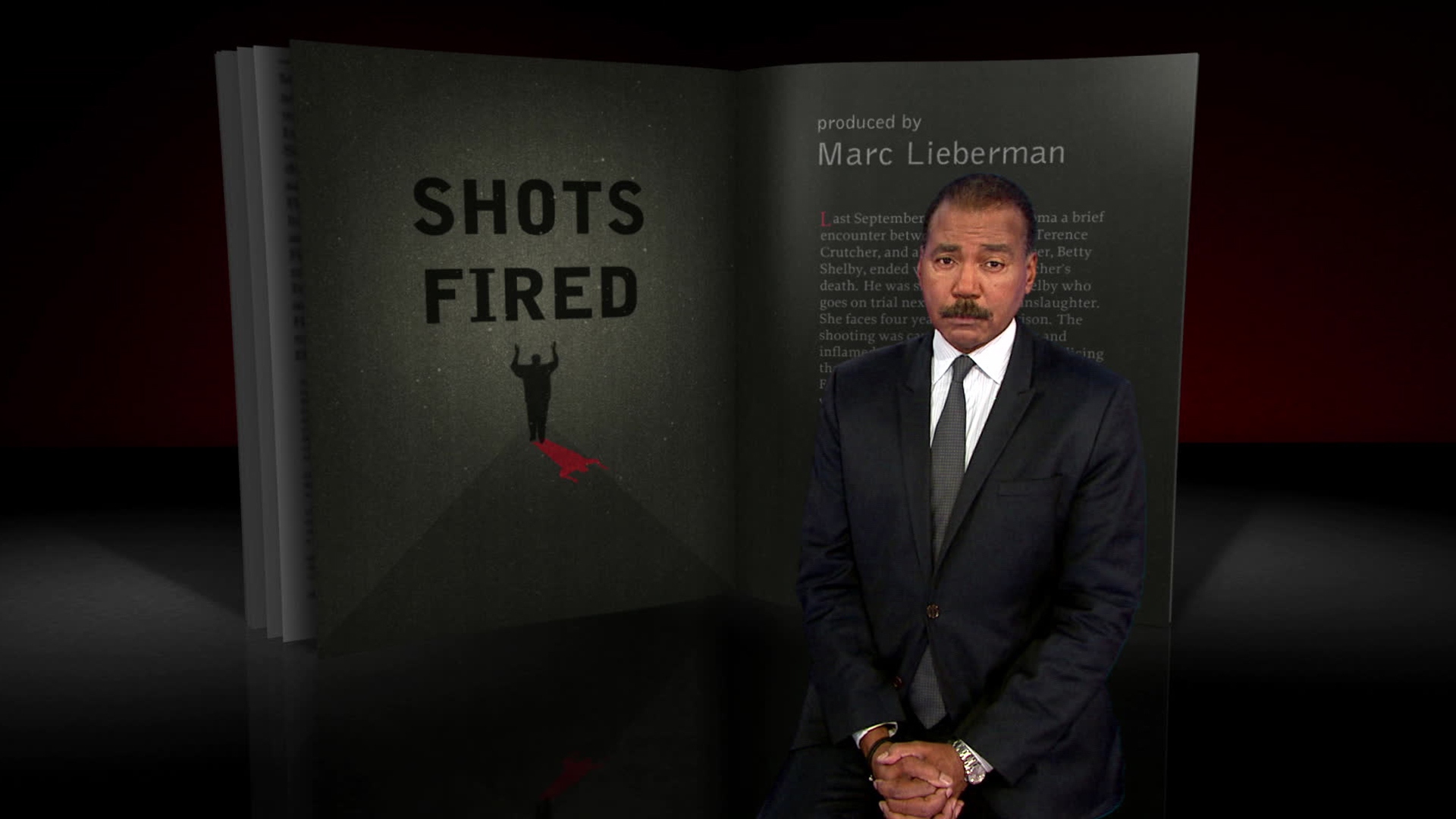
The 2016 shooting of Terence Crutcher by Tulsa police officer Betty Jo Shelby remains a pivotal case in American criminal justice, highlighting debates surrounding police use of force, implicit bias, and the limits of qualified immunity. While the criminal trial concluded in 2017 with an acquittal, the case persists as a catalyst for civil litigation and systemic police reform efforts that continue to resonate through 2026.
The Incident: A Sequence of Events
On September 16, 2016, Terence Crutcher, a 40-year-old unarmed Black man, was killed by Tulsa Police Department (TPD) officer Betty Jo Shelby. The incident began when Crutcher’s SUV stalled in the middle of the road near 36th Street North and Lewis Avenue in Tulsa, Oklahoma. Officers responded to a report of an abandoned vehicle. Video footage captured by a police helicopter and a dashcam provided conflicting visual narratives that would eventually dominate the public discourse and the subsequent legal proceedings.
In the footage, Crutcher is seen walking away from the officers with his hands raised above his head. He approached his vehicle and leaned toward the driver’s side window. Moments later, Officer Shelby fired a single shot, striking Crutcher in the chest. Crutcher died shortly thereafter at a local hospital. The central contention in the case revolved around Shelby’s assertion that she perceived an immediate threat, claiming Crutcher was reaching into the vehicle for a weapon, despite no weapon being found on his person or in his vehicle.
The Criminal Trial: Prosecution and Acquittal
The legal fallout began almost immediately. On September 22, 2016, prosecutors charged Officer Shelby with first-degree manslaughter. The charges alleged that Shelby acted unreasonably and allowed her fear to escalate the situation unnecessarily. The trial took place in May 2017, and it became a flashpoint for local and national activists demanding accountability for police conduct.
During the trial, the defense argued that Shelby followed her training and that the high-stress environment led to a reasonable perception of danger. The prosecution focused on the fact that Crutcher was unarmed, his hands were visible, and that multiple officers were on the scene, making lethal force unnecessary. On May 17, 2017, the jury—comprised of eleven white jurors and one Black juror—acquitted Shelby of the manslaughter charge. The acquittal sparked protests in Tulsa and reignited national conversations regarding the difficulty of securing criminal convictions against law enforcement officers in fatal shooting cases.
The Civil Landscape and Legal Ramifications
Following the acquittal, the legal focus shifted to civil litigation. The Crutcher family filed a federal civil rights lawsuit against the City of Tulsa and Officer Shelby. The family’s pursuit of justice was rooted in the claim that the Tulsa Police Department fostered a culture that encouraged excessive force and failed to properly train officers in de-escalation tactics, particularly when dealing with individuals experiencing medical or psychological distress.
The civil case, Crutcher v. City of Tulsa, underscored the limitations of holding individual officers personally liable for actions taken while on duty. Federal law often shields officers through the doctrine of qualified immunity, which protects government officials from being held personally liable for constitutional violations—like the right to be free from excessive force—so long as the officials did not violate "clearly established" law. This doctrine has remained a core point of contention in 2026, as legal scholars and activists continue to debate whether the legal standard for qualified immunity makes it nearly impossible for families to find justice in civil court.
Comparative Analysis of Use-of-Force Investigations
To understand the complexity of the Crutcher case, it is helpful to contrast the typical progression of such legal proceedings with standard municipal protocols.
| Stage of Proceeding | Typical Procedure | Application in the Crutcher Case |
|---|---|---|
| Initial Investigation | Internal Affairs / Independent Agency | Conducted by TPD and reviewed by the DA. |
| Criminal Prosecution | District Attorney files charges | First-degree manslaughter charges filed. |
| Jury Verdict | Proof beyond a reasonable doubt | Jury acquitted Officer Shelby in 2017. |
| Civil Litigation | Preponderance of the evidence | Pursued for civil rights violations. |
| Qualified Immunity | Qualified immunity claim | Shielded officer from personal liability. |
The Impact on Policy and Training in Tulsa
The aftermath of the shooting prompted significant shifts within the Tulsa Police Department. In the years following the incident, the city faced immense pressure to implement systemic reforms. These efforts included:
- De-escalation Training: The department increased its focus on crisis intervention training (CIT) to help officers better handle encounters involving individuals with mental health issues or those who are non-responsive to commands.
- Body-Worn Cameras: While the 2016 incident relied on aerial and dashcam footage, the case accelerated the mandate for body-worn cameras across the TPD to ensure better transparency during officer-civilian interactions.
- Community Policing Initiatives: The city sought to bridge the trust gap between the police force and minority communities through new community liaison programs intended to increase oversight and accountability.
As of 2026, these policy changes remain a subject of local debate. Advocates often point out that while policy documents have been updated, the practical application—and the resulting outcomes in police-civilian interactions—requires constant monitoring and community-led scrutiny to ensure that the changes are not merely performative.
Addressing Qualified Immunity and Federal Law
Qualified immunity remains the single most significant barrier in civil rights litigation against law enforcement. In the context of the Terence Crutcher case, the inability to move beyond the protections afforded to officers highlights a structural issue in American jurisprudence. For many families impacted by police violence, the civil system is often the final avenue for seeking redress when the criminal justice system fails to provide a conviction.
In 2026, federal courts continue to navigate the tension between protecting officers who make split-second decisions and ensuring the constitutional rights of citizens are protected from excessive force. Legal experts note that "clearly established law"—the threshold required to overcome qualified immunity—is often interpreted so narrowly that it creates a de facto vacuum of accountability in incidents involving new or unconventional factual patterns.
Frequently Asked Questions
What were the primary charges against Officer Betty Jo Shelby? Officer Shelby was charged with first-degree manslaughter. The prosecution argued that she acted with "culpable negligence" and failed to use proper de-escalation techniques, leading to an unnecessary death.
Why was the jury unable to convict in the criminal trial? The jury determined that the prosecution did not meet the "beyond a reasonable doubt" standard required for a criminal conviction. The defense successfully argued that the officer’s perception of a threat, regardless of whether a weapon existed, fell within the broad discretion afforded to officers in high-stress situations.
How does the Crutcher case influence modern police training? The case is frequently cited in police academies as a study in situational awareness and the dangers of "tunnel vision." It reinforces the necessity of slowing down an encounter rather than rushing toward a lethal force outcome when the subject is not actively attacking.
Is there still active litigation regarding the Terence Crutcher case? By 2026, the primary criminal and civil litigation phases have largely concluded. However, the case remains an active precedent in legal discourse regarding the reform of police liability laws and the ongoing push for federal oversight of municipal police departments.
What is the status of qualified immunity in 2026? Qualified immunity remains a highly debated topic in the United States. While several states have explored or implemented laws to limit qualified immunity at the state level, it remains a robust federal legal protection, meaning that federal civil rights lawsuits often encounter the same structural obstacles that were present in the mid-2010s.
Next Actions and Further Research
For those interested in the ongoing legal discourse surrounding this case, researchers should look to the archives of the Tulsa World and official court records filed in the Northern District of Oklahoma. For observers and activists, the focus has moved toward tracking legislative efforts to reform police oversight and monitoring the effectiveness of the community policing initiatives introduced in Tulsa. Engaging with local civil rights organizations that track police department metrics is the most effective way to understand how the legacy of the 2016 shooting continues to influence current law enforcement operations in the region.

Image Gallery
Select an image to open it in a new tab.

Simon Caldwell
Enterprise Technology and Systems Editor
