
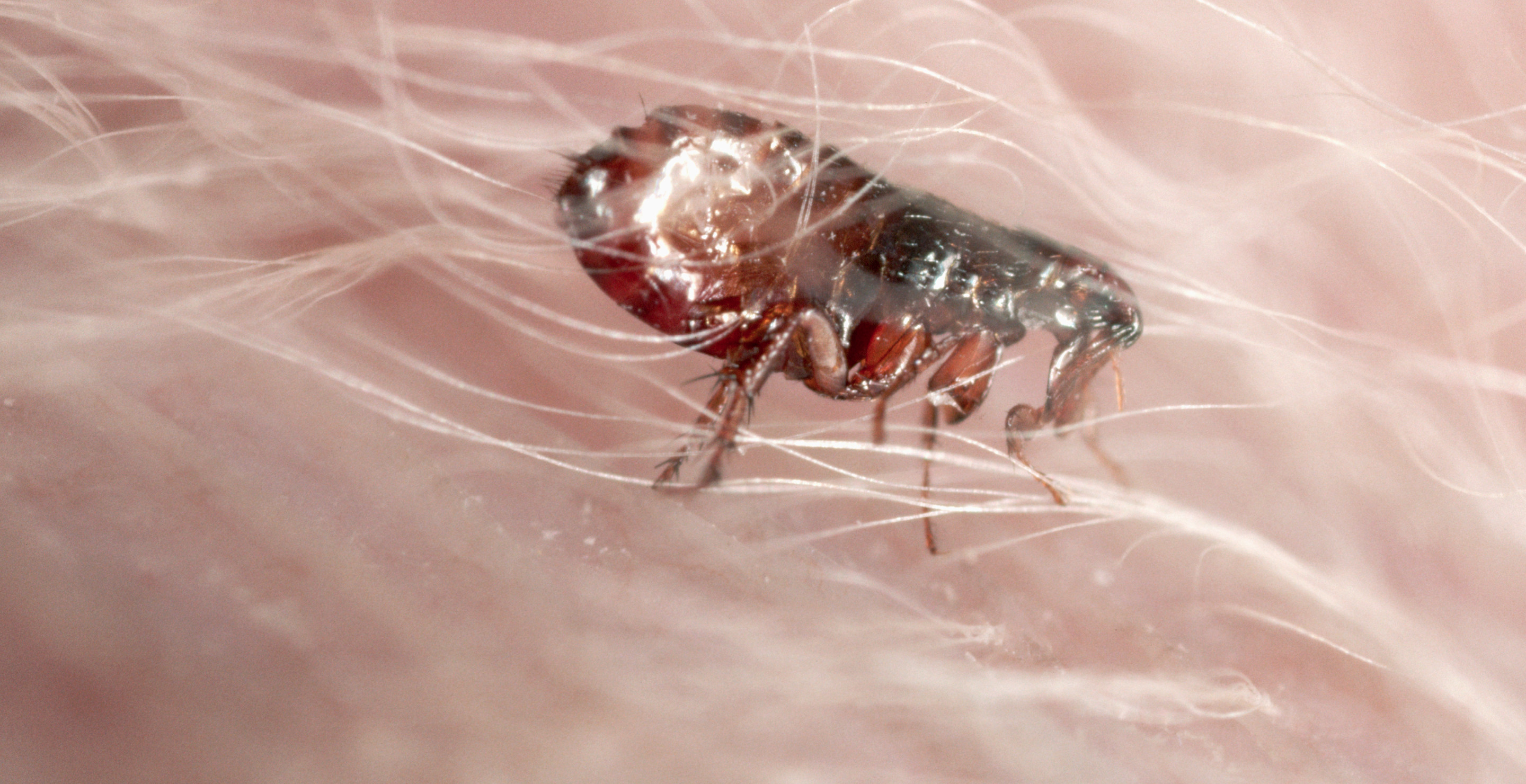
The symptoms of flea-borne typhus, also known as murine typhus, primarily include a high fever, a severe and persistent headache, and a characteristic skin rash. These symptoms typically emerge between 6 and 14 days after exposure to the feces of infected fleas and are often accompanied by muscle aches, chills, and nausea.
Flea-borne typhus is a rickettsial disease caused by the bacterium Rickettsia typhi and, in some regions, Rickettsia felis. While historically associated with port cities and high rat populations, as of 2026, it remains a significant public health concern in specific geographic clusters, including parts of California, Texas, and Hawaii. Understanding the symptomatic progression is vital for both patients and healthcare providers because early intervention with specific antibiotics is highly effective, whereas delayed treatment can lead to severe multi-system complications.
The Clinical Progression of Flea-Borne Typhus Symptoms
The presentation of flea-borne typhus is often described as "nonspecific" during its earliest stages, meaning it mimics many other common febrile illnesses like influenza, COVID-19, or West Nile virus. However, as the infection progresses, a distinct clinical pattern often emerges.
The Initial Phase (Days 1–5 of Symptom Onset)
The onset of symptoms is usually abrupt. Patients frequently report feeling perfectly healthy until a sudden spike in body temperature occurs. This initial phase is dominated by systemic inflammatory responses:
- Sudden High Fever: Temperatures often reach 102°F to 105°F (38.9°C to 40.5°C). This fever is typically persistent and may be accompanied by rigors (uncontrollable shaking chills).
- Severe Headache: This is not a standard tension headache; patients often describe it as debilitating, retro-orbital (behind the eyes), or throbbing. It is frequently the most distressing symptom for the patient.
- Malaise and Myalgia: Generalized body aches and extreme fatigue are common. Muscle pain (myalgia) is often most pronounced in the lower back and legs.
- Gastrointestinal Distress: Nausea and vomiting occur in approximately 25% to 40% of cases. In some instances, abdominal pain can be severe enough to mimic acute appendicitis or gallbladder issues.
The Eruptive Phase (Days 5–10 of Symptom Onset)
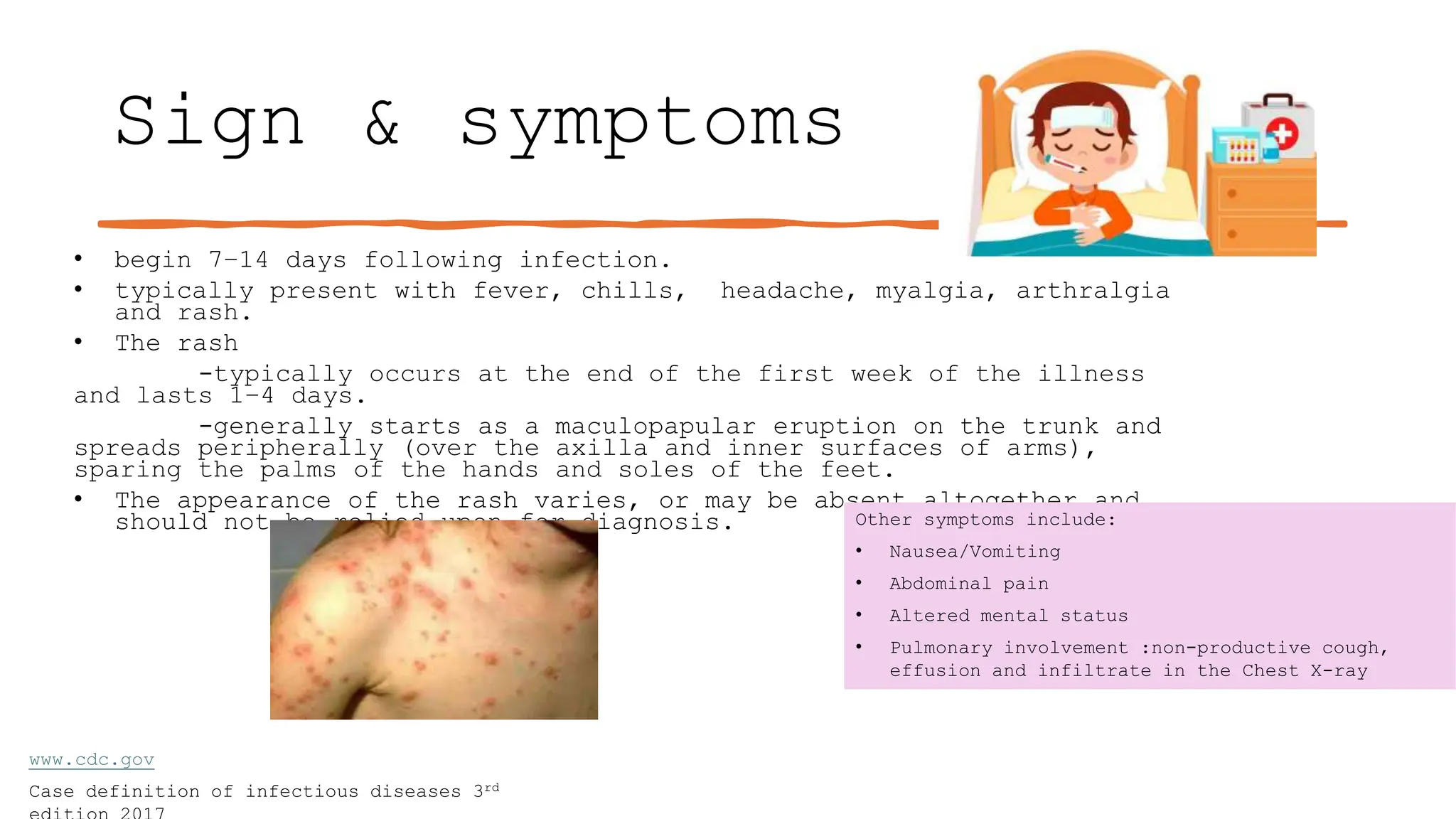
The most identifying feature of flea-borne typhus—the rash—does not usually appear until several days into the febrile illness. This delay often leads to initial misdiagnosis.
- The Maculopapular Rash: Occurring in roughly 50% to 60% of cases, the rash consists of small, flat (macular) or slightly raised (papular) pinkish-red spots.
- Distribution Pattern: Unlike some other rickettsial diseases (like Rocky Mountain Spotted Fever, which often starts on the wrists and ankles), the typhus rash typically begins on the trunk (chest, abdomen, or back) and spreads peripherally to the extremities. It usually spares the palms of the hands and the soles of the feet.
- Transient Nature: The rash can be very faint and may only last for a few hours or a couple of days, making it easy to miss during a physical examination if the skin is not checked thoroughly under good lighting.
Comparative Symptom Analysis
Because flea-borne typhus shares symptoms with other febrile diseases, clinicians use a "triad" of symptoms—fever, headache, and rash—to increase the index of suspicion. However, this triad is only present in about one-third of confirmed cases.
| Symptom | Frequency in Patients (%) | Characteristic Description |
|---|---|---|
| Fever | 95% – 100% | Sudden onset, high-grade, persistent. |
| Headache | 80% – 90% | Severe, often frontal or retro-orbital. |
| Malaise/Fatigue | 75% – 85% | Profound weakness and lethargy. |
| Myalgia | 60% – 70% | Generalized muscle aches, often in the back. |
| Rash | 40% – 60% | Maculopapular, starts on trunk, appears late. |
| Gastrointestinal | 30% – 40% | Nausea, vomiting, and occasional diarrhea. |
| Cough | 15% – 25% | Non-productive, dry cough. |
| Confusion | 5% – 10% | Mild altered mental status in severe cases. |
Pathophysiology: Why These Symptoms Occur
The symptoms of flea-borne typhus are a direct result of the Rickettsia bacteria targeting the endothelial cells that line the blood vessels. This process is known as vasculitis.
When the bacteria enter the bloodstream (typically through the scratching of flea feces into a bite wound or mucous membrane), they invade the endothelial cells, causing inflammation and damage to the vessel walls. This "leaky" vascular system leads to the characteristic rash (as blood cells escape small vessels) and can cause localized tissue swelling. In severe cases, this vascular damage can occur in the brain (causing confusion or meningoencephalitis), the lungs (causing pneumonia), or the kidneys (leading to acute renal failure).
The Centers for Disease Control and Prevention (CDC) notes that while the disease is rarely fatal (less than 5% with proper treatment), the internal inflammation can be significant if the diagnosis is delayed.
Risk Factors and Transmission Mechanisms
Understanding how flea-borne typhus is contracted helps in contextualizing the symptoms. It is not spread person-to-person. Instead, the cycle involves animals and their fleas.
The Urban and Suburban Cycle
In 2026, the transmission of flea-borne typhus is frequently linked to the "peridomestic" environment. The primary reservoirs include:
- Rats (Rattus norvegicus and Rattus rattus): The classic reservoir.
- Opossums: In states like California and Texas, the Virginia opossum is a major host.
- Free-roaming Cats: Cats can carry the fleas that harbor the bacteria, often bringing them into close proximity to humans.
The transmission occurs when an infected flea bites a human and defecates near the bite. The person then inadvertently rubs or scratches the feces (containing the bacteria) into the bite wound, other breaks in the skin, or even their eyes.
Diagnostic Challenges and Laboratory Findings
Because the symptoms are so similar to common viruses, laboratory testing is essential for a definitive diagnosis. However, initial blood work may show certain "clues" before specific rickettsial tests return:
- Thrombocytopenia: A low platelet count is observed in many patients.
- Hyponatremia: Low blood sodium levels.
- Elevated Liver Enzymes: Mild to moderate elevations in AST and ALT are common as the liver responds to the systemic infection.
- Leukopenia or Leukocytosis: The white blood cell count may be low initially and then rise later.
The gold standard for diagnosis is the Indirect Fluorescent Antibody (IFA) test, which looks for antibodies (IgG and IgM) against R. typhi. However, these antibodies often do not reach detectable levels until the second week of illness. Therefore, doctors often must treat based on clinical suspicion rather than waiting for lab confirmation.
Treatment Protocols and Recovery
The preferred treatment for flea-borne typhus in 2026 remains doxycycline. It is the most effective antibiotic for rickettsial infections and should be started as soon as the disease is suspected.
- Adults: Usually 100 mg twice daily.
- Children: Doxycycline is also the first-line treatment for children of any age with suspected typhus, as the benefits far outweigh the risks of temporary tooth staining associated with older tetracyclines.
- Duration: Treatment typically continues for at least 7 to 10 days, or until 48 to 72 hours after the fever has subsided.
Patients who receive doxycycline early in the course of the illness typically see a dramatic improvement in symptoms within 24 to 48 hours. If the fever does not respond to doxycycline, clinicians often reconsider the diagnosis.
Potential Complications of Untreated Typhus
While most cases are mild to moderate, untreated flea-borne typhus can lead to severe organ damage. This is particularly true for elderly patients or those with underlying health conditions (such as glucose-6-phosphate dehydrogenase deficiency).
- Neurological Issues: Encephalitis, seizures, or focal neurological deficits.
- Respiratory Failure: Acute Respiratory Distress Syndrome (ARDS) caused by pulmonary edema.
- Renal Failure: Acute kidney injury resulting from decreased perfusion and vascular damage.
- Septic Shock: Persistent low blood pressure and multi-organ failure.
The California Department of Public Health (CDPH) emphasizes that hospitalization is required for approximately 10% to 30% of cases to manage these complications and provide supportive care, such as intravenous fluids.
Prevention and Environmental Control
Preventing the symptoms of flea-borne typhus starts with flea control and wildlife management. Since there is no vaccine for murine typhus, public health strategies in 2026 focus on:
- Flea Prevention for Pets: Using veterinarian-approved flea collars, oral medications, or topical treatments.
- Rodent Control: Eliminating food sources (like uncovered trash or fallen fruit) and nesting sites (like woodpiles) around the home.
- Deterring Wildlife: Keeping opossums and feral cats away from crawl spaces and porches.
- Personal Protection: Wearing gloves and long sleeves when handling dead animals or cleaning areas where rodents have lived.
Frequently Asked Questions
How long does flea-borne typhus last if left untreated?
Without antibiotic treatment, the fever associated with flea-borne typhus can last for 10 to 14 days, and in some cases, up to three weeks. The recovery period (convalescence) can be prolonged, with many patients experiencing extreme fatigue and "brain fog" for several weeks or months following the acute illness.
Is the rash always present in flea-borne typhus?
No. Statistics from the Texas Department of State Health Services indicate that the rash is only present in roughly 50% of confirmed cases. Because the rash can be faint or short-lived, its absence should never be used to rule out the disease if other symptoms like high fever and headache are present.
Can you catch typhus from a dog?
While dogs themselves are not the primary reservoir for Rickettsia typhi, they can carry infected fleas into your home. If a dog interacts with infected wildlife (like an opossum) and picks up fleas, those fleas can subsequently bite humans, leading to infection.
Is flea-borne typhus the same as "Typhoid Fever"?
No. Despite the similar names, they are entirely different diseases. Typhoid fever is caused by the Salmonella Typhi bacterium and is usually spread through contaminated food and water. Typhus is caused by Rickettsia bacteria and is spread by arthropods like fleas, lice, or mites.
What should I do if I suspect I have flea-borne typhus?
If you live in an area where typhus is endemic and you develop a sudden high fever and severe headache, you should consult a healthcare provider immediately. Inform them if you have had contact with fleas, cats, opossums, or rodents, as this travel/exposure history is critical for an accurate diagnosis.
Recommendation for Next Actions
If you are experiencing the symptoms described above, do not wait for a rash to appear before seeking medical attention. The most critical step is early consultation with a physician, ideally one familiar with infectious diseases or travel medicine.
When visiting your doctor, explicitly mention any recent flea exposure or the presence of backyard wildlife. If diagnosed, ensure you complete the entire course of antibiotics as prescribed, even if you begin to feel better within the first 24 hours. For homeowners, a concurrent step is to contact a professional pest control service to address any rodent or flea infestations on the property to prevent reinfection or the spread of the disease to family members and neighbors.
Image Gallery
Select an image to open it in a new tab.





Simon Caldwell
Enterprise Technology and Systems Editor
