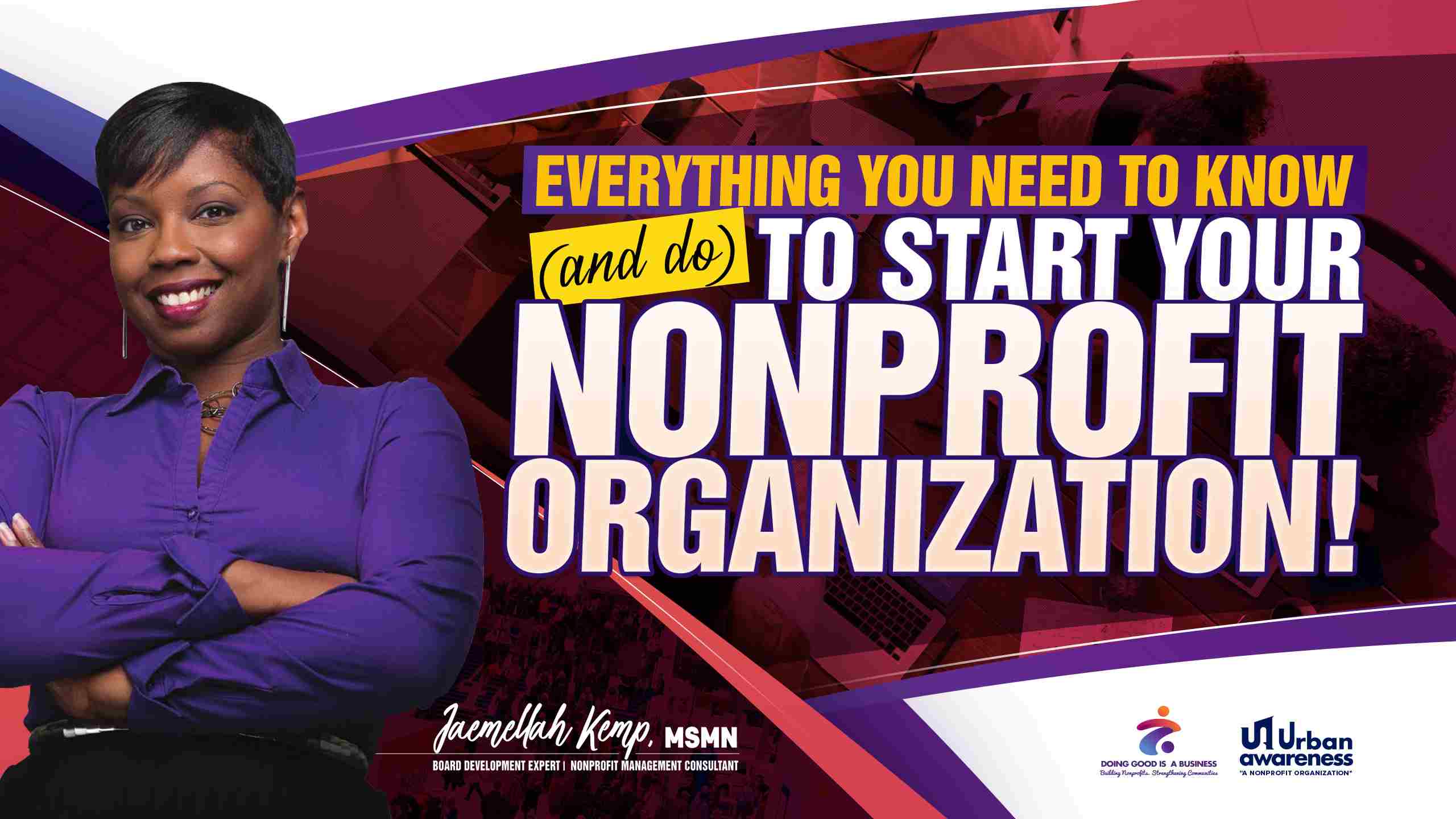
Starting a nonprofit organization in the USA requires a structured approach that combines passion with strict adherence to state and federal legal requirements. Establishing a tax-exempt entity involves defining your mission, incorporating at the state level, drafting compliant governing documents, applying for federal tax exemption under Internal Revenue Code Section 501(c)(3), and implementing ongoing operational governance to maintain compliance.
1. Defining Your Mission and Core Purpose
Before filing any paperwork, you must crystallize the vision and operational scope of your nonprofit. The mission statement serves as the foundation for all future legal, financial, and programmatic decisions. It must clearly articulate the public benefit your organization intends to provide.
Identifying the Charitable Class
Under United States tax law, a 501(c)(3) organization must be organized and operated exclusively for exempt purposes, which include charitable, religious, educational, scientific, literary, testing for public safety, fostering national or international amateur sports competition, or preventing cruelty to children or animals.
Your mission must directly serve a recognized "charitable class" rather than private interests. The Internal Revenue Service (IRS) scrutinizes applications to ensure that no private shareholder or individual reaps inurement from the organization's assets or net earnings.
Conducting a Needs Assessment
A successful nonprofit addresses an unmet community need. Conducting thorough market research and a needs assessment prevents duplication of services and strengthens your case for future grants and donor funding. Documenting this need is also valuable when demonstrating community impact during the federal tax exemption application process.
2. Choosing a Name and Assembling a Board of Directors
Once your mission is defined, you need an official name and a leadership team to steer the organization through its formative stages.
Selecting a Compliant Business Name
Your organization's name must be unique and distinguishable from other entities registered in your home state. Most state filing offices provide online business name databases where you can check availability. Additionally, your chosen name must comply with state statutory requirements—frequently requiring words like "Inc.," "Incorporated," "Corporation," or "Limited" for corporations, while avoiding terms that imply a government agency or unauthorized professional practice without proper licensing.
Building an Independent Board of Directors
State corporation laws and IRS regulations require nonprofits to have a governing board of directors. Key structural requirements include:
- Minimum Number: Many states require a minimum of three directors, though specific rules vary.
- Independence: The IRS favors boards composed of unrelated individuals. A majority of the board should typically be independent (not receiving compensation as employees or contractors and not related by family or business ties) to ensure objective governance and prevent conflicts of interest.
- Fiduciary Duties: Board members owe fiduciary duties of care, loyalty, and obedience to the organization, meaning they must act prudently, prioritize the nonprofit's interests above their own, and ensure adherence to the mission and applicable laws.

3. Incorporating at the State Level
A nonprofit organization is first established as a legal corporation under state law before it applies for federal tax-exempt status.
Filing Articles of Incorporation
To form the corporation, you must draft and file Articles of Incorporation with your state’s filing office (often the Secretary of State or a division of corporations). While requirements vary by jurisdiction, the articles generally must include:
- The official name of the organization.
- A statement that the entity is organized exclusively for charitable or educational purposes under Section 501(c)(3).
- The name and address of the registered agent within the state.
- The names and addresses of the initial board of directors.
- Provisions regarding the distribution of assets upon dissolution, ensuring remaining assets are transferred to another 501(c)(3) organization or a government entity.
Drafting Bylaws and Conflict of Interest Policies
While bylaws are rarely filed with the state, they are legally binding internal rules that govern how the organization operates. Your bylaws should specify:
- Board meeting frequencies and voting procedures.
- Officer roles (President, Secretary, Treasurer) and their responsibilities.
- Procedures for electing and removing board members.
- Financial management and amendment protocols.
Additionally, adopting a robust Conflict of Interest Policy is strongly recommended by the IRS and required by many states to protect the organization from self-dealing and unethical transactions.
4. Securing an Employer Identification Number (EIN)
Even if your nonprofit does not plan to hire employees immediately, you must obtain an Employer Identification Number (EIN) from the IRS. This federal tax identification number is required to open a bank account, file tax forms, and apply for 501(c)(3) status.
You can apply for an EIN online through the official IRS website for immediate processing. Ensure that you retain the official EIN confirmation letter, as financial institutions and state agencies will request physical proof of the number.
5. Applying for Federal Tax-Exemption (501(c)(3) Status)
Obtaining federal tax-exempt status under Section 501(c)(3) of the Internal Revenue Code allows your organization to receive tax-deductible contributions and exempts your net income from federal corporate income tax.
Choosing the Right Application Form
The IRS provides two primary pathways for applying for tax exemption:
| Form | Official Name | Eligibility & Description |
|---|---|---|
| Form 1023 | Application for Recognition of Exemption | The standard, comprehensive application required for organizations with projected gross receipts exceeding $50,000 in any of their first three years, or those with complex structures. |
| Form 1023-EZ | Streamlined Application for Recognition of Exemption | A simplified electronic form available exclusively to smaller organizations whose projected annual gross receipts do not exceed $50,000 and whose total assets do not exceed $250,000. |
Key Considerations for the Application
When completing Form 1023 or 1023-EZ, you must provide a detailed narrative of your past, present, and planned activities. The IRS evaluates whether your operations directly advance your stated exempt purpose. Be prepared to submit copies of your executed Articles of Incorporation, bylaws, and financial projections.
6. Fulfilling State-Specific Registrations and Compliance
Federal tax exemption does not automatically grant immunity from state-level taxes or registration requirements. Nonprofits must navigate state compliance independently.
Charitable Solicitation Registration
Most U.S. states require charitable organizations to register with their state attorney general or department of consumer protection before soliciting donations from state residents. Failing to register can result in significant fines and legal penalties.
State Tax Exemptions
Once federal 501(c)(3) status is granted, you must apply separately for state-level exemptions. These typically include:
- State Corporate Income Tax Exemption: Exempts net operating income from state taxation.
- Sales and Use Tax Exemption: Allows the organization to purchase supplies, equipment, and services without paying state sales tax (rules vary widely by state).
- Property Tax Exemption: Applies primarily to organizations that own physical real estate used directly for charitable purposes.
7. Maintaining Ongoing Operational Compliance
Starting a nonprofit is a continuous compliance journey. To protect your tax-exempt status and maintain public trust, adhere to annual reporting and governance standards.
Annual IRS Information Returns
Every year, tax-exempt organizations must file an information return with the IRS, even if they had little or no gross receipts:
- Form 990-N (e-Postcard): For small organizations with normal annual gross receipts normally $50,000 or less.
- Form 990-EZ: For organizations with gross receipts less than $200,000 and total assets less than $500,000.
- Form 990: For larger organizations with gross receipts of $200,000 or more, or total assets of $500,000 or more.
Note: Failure to file Form 990 for three consecutive years results in the automatic revocation of federal tax-exempt status by the IRS.
Corporate Transparency Act (CTA) Considerations
Depending on your entity structure and federal definitions, review whether your nonprofit corporation falls under reporting exemptions or requirements outlined by the Financial Crimes Enforcement Network (FinCEN) regarding beneficial ownership information reporting. Most traditional 501(c)(3) organizations are exempt from FinCEN reporting once their tax-exempt status is officially recognized, but proper filing or exemption verification is critical during the transitional startup window.
Frequently Asked Questions
How much does it cost to start a nonprofit in the USA?
Costs vary depending on your state and the IRS application fee. State incorporation filing fees generally range from $30 to $150. The IRS user fee for Form 1023 is $600 (or $275 for Form 1023-EZ). Additional optional costs include registered agent services, legal counsel, and professional fundraising registration preparation.
Can a nonprofit make a profit?
Yes, a nonprofit organization can generate revenue in excess of its operating expenses—often referred to as a "surplus." However, unlike a for-profit business, this surplus cannot be distributed to founders, board members, or private shareholders. All financial gains must be reinvested back into the organization's programs and mission.
How long does it take to get 501(c)(3) status?
The processing time for Form 1023-EZ is typically quite fast, often taking anywhere from a few weeks to a month. The standard Form 1023 takes significantly longer, ranging from 3 to 6 months or more depending on the IRS backlog and whether the agency issues follow-up inquiries.
Do I need a lawyer to start a nonprofit?
While legal representation is not federally required to incorporate or apply for 501(c)(3) status, consulting a qualified attorney specializing in nonprofit law can prevent costly errors in your Articles of Incorporation, bylaws, and IRS applications.
Can a nonprofit lobby or engage in political activities?
501(c)(3) organizations are strictly prohibited from participating in, or contributing to, any political campaign on behalf of (or in opposition to) any candidate for public office. While limited lobbying is permitted, excessive attempts to influence legislation can jeopardize tax-exempt status.
Recommended Next Action
Begin by drafting your foundational mission statement and verifying name availability in your target state of incorporation. Once your core leadership team is aligned, draft your Articles of Incorporation and secure your state filing before applying for your EIN and federal tax-exempt status.
Image Gallery
Select an image to open it in a new tab.
Lars Thomsen
Global Labor Markets and Economic Strategy Editor
