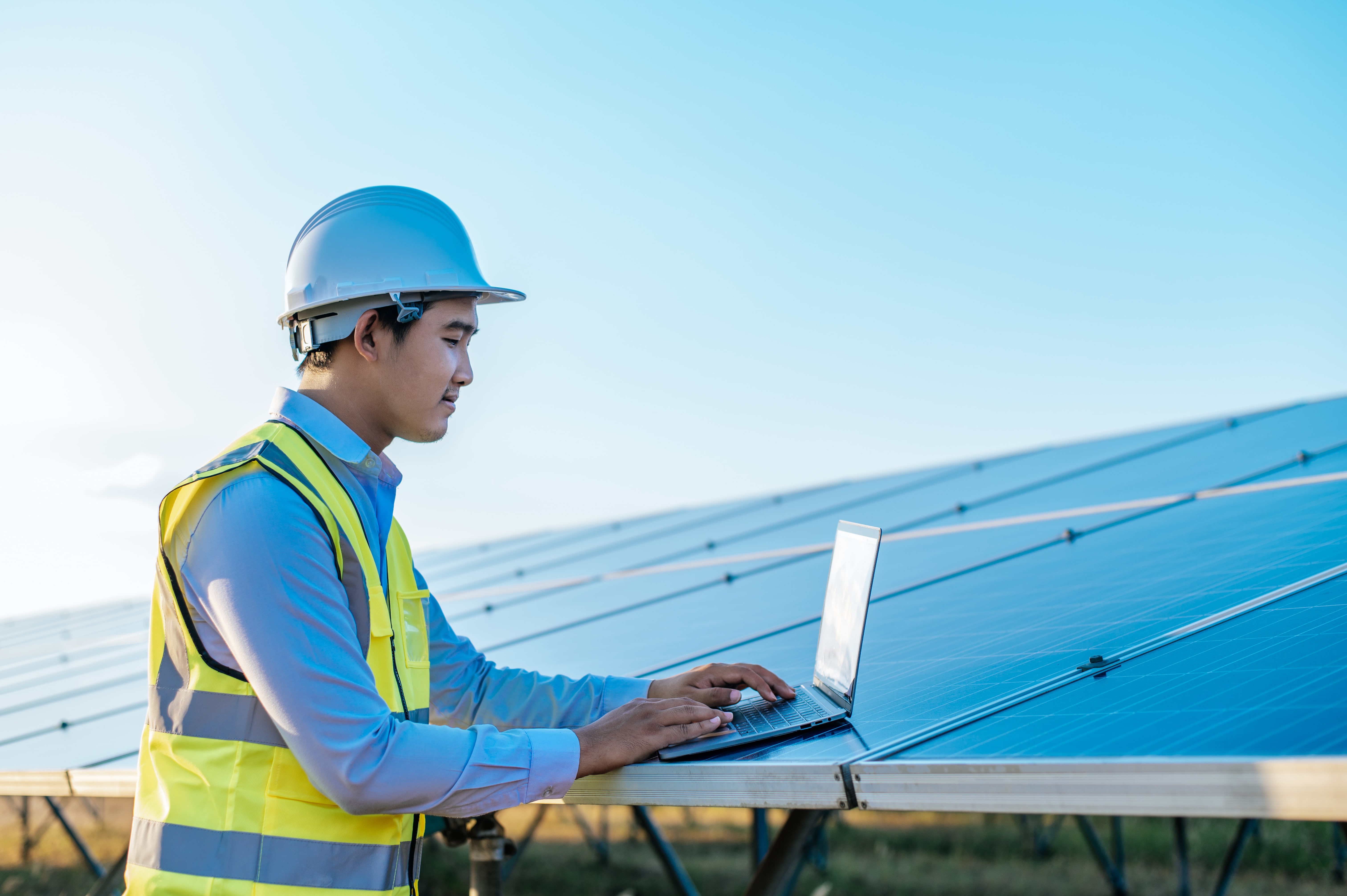
Solar panel installation in Alberta remains one of the most effective ways for homeowners and businesses to reduce energy costs and carbon footprints. Due to Alberta’s high solar irradiance and unique deregulated electricity market, systems installed in 2026 offer a faster return on investment than in many other Canadian provinces. The process involves site assessment, securing municipal permits, navigating the Micro-generation Regulation, and selecting specialized retailers to maximize export credits.
Alberta is frequently cited as the sunniest province in Canada, particularly the southern corridors between Red Deer, Calgary, and Lethbridge. In 2026, as carbon pricing and traditional utility rates continue to influence monthly expenses, transitioning to solar energy has evolved from a niche environmental choice to a mainstream financial strategy. This guide details everything you need to know about the technical requirements, financial incentives, and installation steps for solar power in the Wild Rose Country.
Why Alberta is an Ideal Location for Solar Energy
The geographic advantages of Alberta for solar harvesting are significant. While many assume that cold northern climates are unsuitable for solar, the opposite is often true. Solar photovoltaic (PV) panels actually operate more efficiently in cooler temperatures, as excessive heat can degrade the conductivity of the silicon cells.
Solar Irradiance and Climate Factors
Alberta receives some of the highest levels of solar radiation in Canada. Southern Alberta, in particular, rivals many locations in the United States for "sun hours." Even in the winter, the reflection of sunlight off snow—known as the albedo effect—can increase the energy production of bifacial solar panels, which capture light on both the front and back of the module.
The Deregulated Energy Market
Unlike provinces with crown-corporation monopolies (like BC Hydro or Hydro-Québec), Alberta’s deregulated market allows for a unique "Solar Club" model. This allows micro-generators to switch between a high export rate (during the sunny summer months) and a low consumption rate (during the dark winter months). This flexibility is a cornerstone of the financial viability of solar panel installation in Alberta in 2026.
Understanding the Micro-generation Regulation
Before installing solar panels, it is essential to understand the legal framework governed by the Alberta Utilities Commission (AUC). The Micro-generation Regulation (AR 27/2008) allows Albertans to generate their own electricity from renewable sources to offset their own consumption.
Small vs. Large Micro-generation
The regulation distinguishes between two types of systems:
- Small Micro-generation: Systems with a capacity of less than 150 kilowatts (kW). Most residential installations fall into this category, typically ranging from 5 kW to 15 kW.
- Large Micro-generation: Systems between 150 kW and 5 megawatts (MW). These are usually commercial or agricultural installations.
The primary rule under this regulation is that the system must be sized to meet the annual energy consumption of the site. You cannot build a "solar farm" on a residential rooftop intended solely to sell power for profit; however, you are credited for any excess energy you "export" back to the grid.

The Financial Landscape: Costs, Incentives, and ROI in 2026
The cost of solar technology has stabilized in 2026, following years of rapid decline and subsequent supply chain normalization. For a standard residential home in Alberta, a solar array typically costs between $2.50 and $3.20 per watt fully installed, depending on the complexity of the roof and the quality of the components.
Current Incentives and Financing
While some historical provincial rebates have expired, several robust programs remain available for Albertans in 2026:
- Canada Greener Homes Loan: This federal program provides interest-free loans of up to $40,000 with a repayment term of 10 years. It remains the most popular way to finance residential solar in Alberta.
- Clean Energy Improvement Program (CEIP): Many Alberta municipalities, including Calgary, Edmonton, Canmore, and Lethbridge, have adopted CEIP. This allows homeowners to finance solar installations through their property taxes. The debt is tied to the property, not the individual, which is ideal for those who may move before the system pays itself off.
- Carbon Offsets: Small-scale solar owners in Alberta can aggregate their carbon offsets and sell them. Companies like Rewatt facilitate this process, providing an additional annual check for the "greenness" of the energy produced.
Estimated Return on Investment (ROI)
With the combined benefits of avoided energy costs, Solar Club export rates, and carbon offsets, most Alberta homeowners see a full return on investment within 8 to 12 years. Given that modern Tier-1 solar panels are warrantied for 25 years, this results in over a decade of essentially free electricity.
| Component | Estimated Cost (10kW System) | Impact on ROI |
|---|---|---|
| Solar Modules (Tier 1) | $8,000 - $11,000 | Primary energy producer; 25-year life. |
| Inverter System | $3,000 - $5,000 | Converts DC to AC; 12–25 year warranty. |
| Racking & Mounting | $2,000 - $3,500 | Structural integrity; critical for snow loads. |
| Labor & Permitting | $5,000 - $7,000 | Professional installation and legal compliance. |
| Total (Before Incentives) | $18,000 - $26,500 | Payback: 8-12 Years |
Technical Considerations for Alberta's Climate
Installing solar in Alberta requires specific technical adaptations to handle the province's extreme weather, including heavy snow and potential hail.
Snow Load and Shedding
Solar installers must calculate the snow load requirements for your specific roof. In 2026, most racking systems are designed to exceed local building codes. While snow does cover panels, it usually slides off quickly due to the smooth glass surface and the heat generated by the cells. Furthermore, the tilt of the panels—often optimized at 35 to 45 degrees for Alberta's latitude—naturally encourages snow shedding.
Hail Resistance
Alberta is known for "Hailstorm Alley" between Red Deer and Calgary. Modern solar panels are tested to withstand hail. Most Tier-1 panels are rated for Class 4 hail impact, meaning they can survive 1-inch hailstones traveling at speeds over 80 km/h. If extreme hail does cause damage, solar panels are typically covered under standard homeowner insurance policies.
Battery Storage (The Rise of the Prosumer)
By 2026, the integration of battery storage (such as the Tesla Powerwall or Enphase IQ Battery) has become more common. While the "grid as a battery" (net-billing) is still the most economical choice for most, residential batteries provide backup power during grid outages and allow homeowners to maximize their self-consumption of solar energy.
The Step-by-Step Installation Process
Navigating a solar installation involves several technical and administrative stages. Working with a qualified contractor is essential for ensuring compliance with the Canadian Electrical Code.
1. Site Assessment and Design
An installer will evaluate your roof’s orientation (South is best, but East/West is viable), shading from trees or chimneys, and structural integrity. They use software to create a 3D model of your home and predict annual energy yield.
2. Permitting and Approvals
Two main permits are required in Alberta:
- Electrical Permit: Ensures the wiring and connection to your breaker panel meet safety standards.
- Building Permit: Required by many municipalities (like the City of Edmonton) to ensure the roof can handle the additional weight of the panels and racking.
The installer also submits a Micro-generation Connection Agreement to your Wire Process Provider (WPP), such as Enmax, Epcor, or FortisAlberta.
3. Physical Installation
The installation typically takes 2 to 5 days. The crew installs the racking system (the rails), mounts the panels, and installs the inverter system. They also install a bi-directional meter, which tracks both the electricity you pull from the grid and the excess you push back.
4. Inspection and Interconnection
Once installed, a municipal electrical inspector must sign off on the work. After the inspection is successful, your WPP will grant "Permission to Operate," and you can officially energize your system.
Choosing the Right Solar Installer in Alberta
The surge in solar demand has led to many new companies entering the market. To ensure a high-quality installation, homeowners should verify the following:
- NABCEP Certification: Look for installers certified by the North American Board of Certified Energy Practitioners.
- Journeyman Electricians: Ensure that the actual electrical connections are being made by certified journeyman electricians, not just laborers.
- WCB and Insurance: Verify that the company has valid Workers' Compensation Board coverage and at least $2 million in liability insurance.
- Local Experience: An installer based in Alberta will better understand the specific snow load requirements and "Solar Club" nuances than a national company with no local presence.
You should always request a minimum of three quotes and compare the Price Per Watt and the Equipment Warranties.
FAQ
Do solar panels work in the winter in Alberta?
Yes, solar panels work in the winter, though production is lower due to shorter days and the lower angle of the sun. However, Alberta’s cold, clear winter days are excellent for panel efficiency. Light reflecting off the snow can also provide a boost in energy production, especially for bifacial panels.
What happens to my solar panels if it hails?
Most modern, high-quality solar panels are designed to withstand significant hail impacts. They are tempered glass and are tested to the same standards as car windshields. In the rare event of a catastrophic hailstorm that breaks a panel, the damage is usually covered by your home insurance policy.
How does the "Solar Club" work?
The Solar Club is a loyalty program offered by certain Alberta energy retailers. It allows you to switch to a high rate (e.g., $0.30/kWh) when you are producing a surplus of energy in the summer, and then switch back to a low market rate in the winter when you are buying more power from the grid. This significantly accelerates the payback period of your system.
How long do solar panels last in Alberta's climate?
Most solar panels come with a 25-year performance warranty, but they can continue to produce electricity for 30 to 40 years. The primary component that may need replacing sooner is the inverter, which typically has a lifespan of 12 to 15 years for string inverters, or 25 years for micro-inverters.
Will solar panels damage my roof?
No, when installed correctly, solar panels can actually protect the portion of the roof they cover from UV degradation and weathering. Installers use specialized flashing and sealants to ensure that the roof remains watertight. A structural assessment is part of the initial design phase to ensure your roof can handle the weight.
Practical Recommendation
If you are considering solar panel installation in Alberta in 2026, your first step should be to gather your electricity bills from the past 12 months. This data is vital for an installer to size your system correctly under the Micro-generation Regulation. Reach out to at least three reputable Alberta-based solar contractors for a site assessment. Prioritize those who can assist with the Canada Greener Homes Loan application and who understand the local Clean Energy Improvement Program (CEIP) requirements in your municipality.
Image Gallery
Select an image to open it in a new tab.

Zara El-Hashem
Sociocultural Dynamics and Academics Writer
