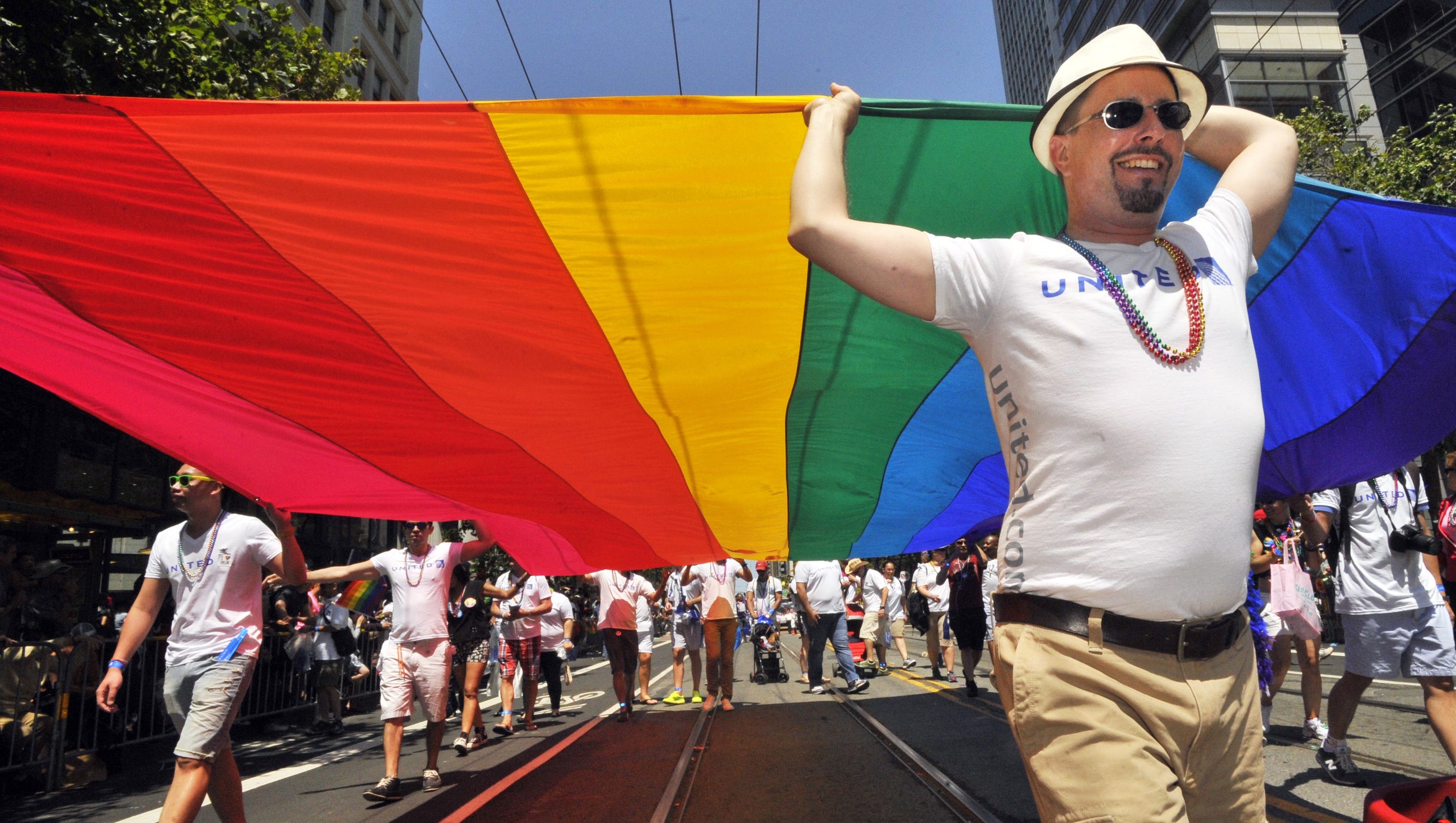
Pride Month in the United States serves as both a commemoration of the historic struggle for LGBTQ+ civil rights and a vital cultural framework for fostering inclusivity across all sectors of society. By highlighting the intersection of human rights, workplace equity, and social cohesion, the month acts as a catalyst for ongoing legal protections and the normalization of diverse identities in public and private spheres.
The Historical Foundation of Pride
To understand the relevance of Pride Month, one must first recognize its origin in the 1969 Stonewall Uprising in New York City. This event served as a pivotal breaking point, transitioning the LGBTQ+ movement from quiet advocacy to a visible, public demand for equality. In the United States, June is observed specifically to honor these events, but the significance extends far beyond historical memory.
For the modern reader, the history of Pride provides a framework for understanding how legal and social rights are secured. It demonstrates the transition from a state of systemic exclusion to the gradual integration of LGBTQ+ individuals into the legal fabric of the nation—through landmark Supreme Court decisions such as Obergefell v. Hodges (2015), which legalized same-sex marriage nationwide, and Bostock v. Clayton County (2020), which clarified that the Civil Rights Act of 1964 protects employees against discrimination based on sexual orientation and gender identity. Understanding these milestones helps everyone recognize that current freedoms are the result of deliberate, sustained civic engagement.
Economic and Workplace Impacts
The relevance of Pride Month for the broader population—including those who do not identify as LGBTQ+—is perhaps most visible in the workplace. Diversity, Equity, and Inclusion (DEI) initiatives that gain momentum during June have been proven to enhance corporate performance and innovation.
Companies that prioritize inclusive policies, such as comprehensive healthcare benefits for domestic partners and clear non-discrimination clauses, consistently attract a broader talent pool. This is not merely a social preference but a competitive business strategy. When an organization signals its support for LGBTQ+ employees, it creates a "psychological safety" net that benefits all staff. Research suggests that when employees feel they can bring their authentic selves to work, productivity, collaboration, and retention rates improve across the entire workforce.
Moreover, the "LGBTQ+ economy" is a significant driver of consumer demand. By supporting businesses that are inclusive, all consumers contribute to a marketplace that values transparency and equitable treatment, which sets a higher standard for consumer rights generally.
The Social Cohesion Argument
Pride Month acts as a societal "stress test" for the values of equality and empathy. It matters to everyone because the protections championed by the LGBTQ+ community—such as the right to privacy, freedom from workplace harassment, and equal access to public accommodations—are universal rights. When one group’s rights are solidified through legal advocacy, it strengthens the constitutional protections for every citizen.
Consider the concept of "minority stress" and how it informs public health policy. By discussing the unique health disparities faced by LGBTQ+ individuals—often due to historical stigma or barriers to care—the medical community is forced to improve diagnostic standards, sensitivity training, and patient communication. These improvements in medical literacy and patient-centered care inevitably translate into a higher quality of healthcare delivery for every patient, regardless of their background.
Comparing Advocacy and Civic Inclusion
To better understand how Pride Month impacts different segments of society, it is useful to categorize the areas of influence where these efforts manifest.
| Sector | Focus Area | General Benefit |
|---|---|---|
| Legal | Non-discrimination protections | Strengthens civil rights for all citizens. |
| Corporate | Equitable hiring/benefits | Boosts innovation and talent retention. |
| Healthcare | Cultural competency | Improves patient outcomes and diagnostic accuracy. |
| Education | Anti-bullying initiatives | Creates safer, more effective learning environments. |
| Civic | Community representation | Fosters stronger, more connected neighborhoods. |
Addressing Misconceptions and Building Understanding
A common question arises regarding why a "month" is necessary. The answer lies in the concept of visibility as a tool for safety. For many, visibility is the primary shield against isolation and the first step toward accessing resources. When Pride is observed, it provides a signal to marginalized youth and adults alike that they are part of a broader, supported, and protected community.
Furthermore, Pride Month is often criticized for becoming overly commercialized. While "corporate rainbow-washing"—the act of using Pride imagery without implementing substantive policy changes—is a valid critique, the net effect of the month remains positive. It forces a conversation about values that otherwise might not occur. For the average person, the challenge is to look past the surface-level marketing and engage with the substantive work happening on the ground: volunteering, supporting local LGBTQ+ nonprofits, and advocating for inclusive policy changes at the municipal level.
The Role of Allies and Shared Responsibility
Being an ally is not a static state of being; it is a series of actions. For the broader public, participating in Pride Month means acknowledging that the work of equality is an unfinished project. Whether through local school board meetings, legislative advocacy, or simply modeling inclusive language in daily interactions, everyone plays a role in shifting the social climate.
When individuals outside the LGBTQ+ community advocate for inclusive practices, they often provide a buffer that makes it easier for institutions to enact necessary reforms. This collaborative approach reduces the burden on the minority group to fight for their own rights in isolation and instead frames the issue as a collective commitment to a fairer, more democratic society.
Frequently Asked Questions
Why is Pride Month held in June? Pride Month is held in June to commemorate the Stonewall Uprising of June 1969. This event is widely considered the birth of the modern LGBTQ+ rights movement, marking the first time the community organized a significant, public resistance against institutionalized discrimination in the United States.
Does Pride Month affect non-LGBTQ+ individuals? Yes. The advancements championed during Pride Month—such as workplace protections, improved healthcare standards, and anti-bullying policies—contribute to a more equitable society. These improvements often lead to better workplace environments and more inclusive public services that benefit the entire population.
What is the difference between "support" and "corporate rainbow-washing"? Support involves tangible actions, such as implementing inclusive hiring practices, providing equitable health benefits, and donating to advocacy organizations. Rainbow-washing refers to the superficial use of Pride-themed marketing or logos without any underlying policy or institutional support for the community.
How can I be a better ally during Pride Month? Effective allyship involves listening to the needs of the LGBTQ+ community, educating yourself on current legislative challenges, and using your voice to support inclusive policies. It also includes challenging discriminatory comments or behaviors when you witness them in your personal or professional life.
Is Pride Month only about parades and events? While parades and events are the most visible aspects of Pride, the month is also deeply rooted in political organizing, educational workshops, health screenings, and fundraising for community centers. These activities are essential for maintaining the infrastructure that provides support and advocacy throughout the year.
Next Steps for Engagement
To engage meaningfully with Pride Month beyond the calendar year, consider identifying one local organization that provides services to LGBTQ+ youth or seniors. Often, these groups require assistance with legal advocacy, mentorship, or resource distribution. By engaging with these local structures, you move from passive observance to active citizenship.
Furthermore, examine your own workplace or community board’s bylaws. Check if they explicitly include protections based on sexual orientation and gender identity. Often, the most impactful work happens at the municipal level, ensuring that equality is not just a seasonal celebration, but a permanent standard for your community.

Image Gallery
Select an image to open it in a new tab.


Simon Caldwell
Enterprise Technology and Systems Editor
