
Modern civil disobedience serves as a critical mechanism for highlighting systemic inequities, challenging legal stagnation, and compelling public discourse when traditional institutional channels prove unresponsive to urgent social needs. By choosing to break specific laws—openly, non-violently, and with an acceptance of legal consequences—protesters signal the depth of their moral conviction, forcing societies to reconcile their stated values with their lived practices.
The Philosophical Foundations of Civil Disobedience
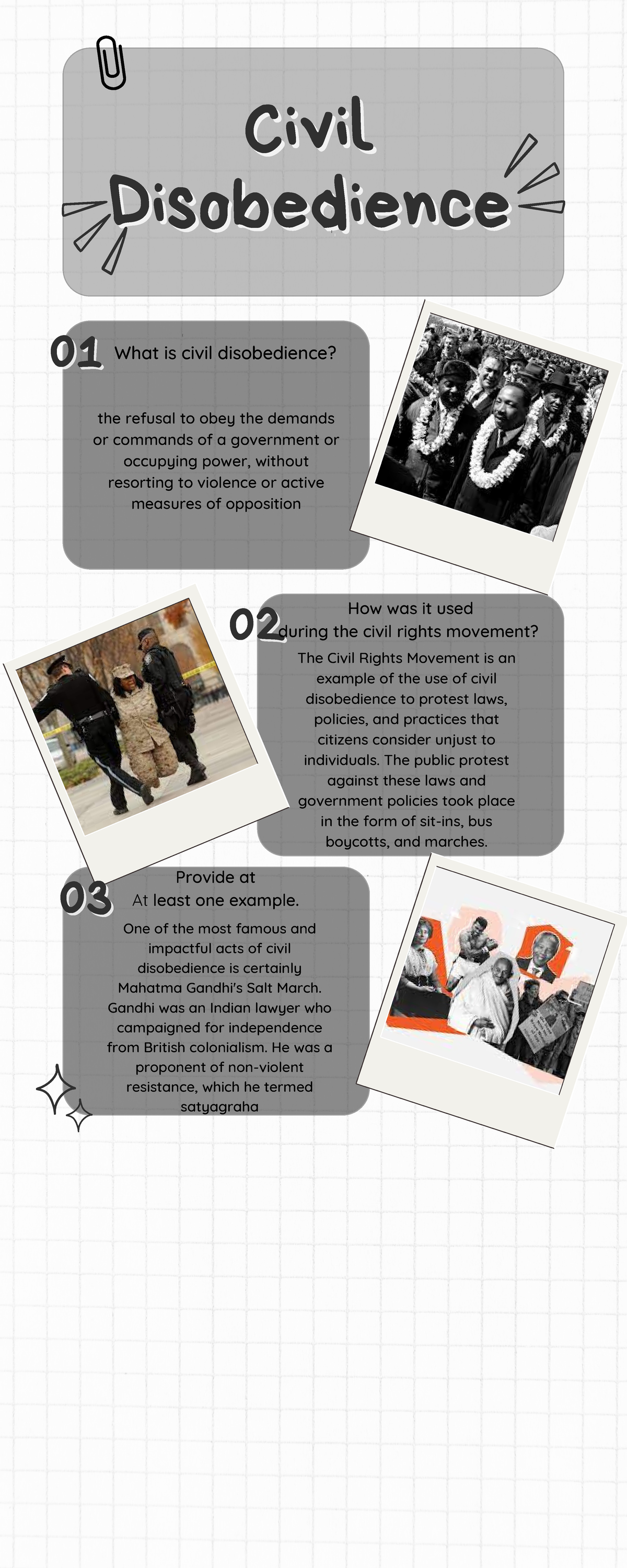
To understand why modern civil disobedience remains a vital tool in 2026, one must first distinguish it from general lawbreaking. Civil disobedience is defined as a public, non-violent, conscientious breach of law undertaken to bring about a change in laws or government policies. Unlike criminal activity, which seeks to evade detection or punishment, civil disobedience is performative and transparent.
The historical lineage of this practice—from Henry David Thoreau’s refusal to pay poll taxes in protest of the Mexican-American War to the strategic non-violence of the U.S. Civil Rights Movement—establishes that its primary goal is to address a "higher law" or a fundamental moral grievance. In a contemporary context, participants often utilize this framework when they perceive that legislative lobbying or standard electoral processes have been compromised by entrenched interests, lobbying, or extreme political polarization.
Why Institutional Channels Often Fall Short
In many modern democracies, the speed of government decision-making is intentionally designed to be slow, favoring stability over radical shifts. However, this inertia can become a liability when facing rapid crises, such as climate change, algorithmic bias, or systemic discriminatory policing. When institutional feedback loops—such as public hearings, petitions, and formal inquiries—are perceived as performative or insufficient, citizens turn to civil disobedience as a "disruption of the normal."
This disruption serves several distinct functions:
- Agenda Setting: It forces a topic into the media cycle and onto the desks of policymakers who might otherwise ignore it.
- Public Awareness: The visual nature of civil disobedience makes complex issues tangible, prompting broader public debate.
- Moral Clarification: It asks the silent majority to choose a position, effectively ending the possibility of neutral indifference toward the issue at hand.
Legal and Ethical Parameters
Civil disobedience exists in a precarious space between protected speech and criminal conduct. In almost every jurisdiction, the act of blocking a road, trespassing on private property, or failing to disperse constitutes a breach of the peace or a statutory offense.
The "civil" aspect of the term is essential: it implies a respect for the rule of law in general, while simultaneously objecting to a specific application or lack of policy. Historically, practitioners of this method, such as Dr. Martin Luther King Jr., emphasized that accepting the legal consequences (such as fines or jail time) is a key component of the act. By submitting to the state’s judicial process, the participant validates the legal system even as they demonstrate why a specific law or policy has lost its moral authority.
Risks and Considerations for Participants
Before engaging in acts of civil disobedience, individuals must weigh the material and long-term implications. The following table highlights the common differences between sanctioned protest and civil disobedience.
| Feature | Sanctioned Protest | Civil Disobedience |
|---|---|---|
| Legal Status | Typically permitted | Often illegal/prohibited |
| Primary Goal | Expression/Awareness | Policy change/Redress |
| Interaction with Law | Avoids arrest | Often invites arrest |
| Strategy | Permitted zones/routes | Disruptive sites/actions |
| Public Perception | Often ignored | Provokes intense debate |
The Role of Technology in Modern Movements
In 2026, the landscape of civil disobedience has been transformed by digital connectivity. Social media platforms and decentralized communication tools have altered the logistics of mobilization. Where once it took weeks to organize a cohesive response, digital tools allow for rapid, decentralized "flash" protests.
However, this accessibility introduces new variables. Surveillance technologies, including facial recognition and predictive policing software, mean that modern activists face higher risks of state identification and long-term digital monitoring. Consequently, the "modern" nature of civil disobedience involves a greater focus on digital security, secure communication, and navigating the nuances of online platform moderation policies.
Measuring Impact: When Is It Effective?
The effectiveness of civil disobedience is often debated. Skeptics argue that disruptive tactics alienate the general public, turning potential allies into opponents. Supporters argue that the history of social progress—including women’s suffrage, labor rights, and the end of apartheid—is inextricably linked to the discomfort caused by such disruptions.
Effectiveness is rarely immediate. It is often measured by a "radical flank" effect, where the presence of a disruptive, radical group makes the demands of more moderate, mainstream organizations seem more reasonable to those in power. In this way, civil disobedience acts as a catalyst that shifts the "Overton Window"—the range of policies acceptable to the mainstream population.
Common Risks and Misconceptions
One significant risk in modern civil disobedience is the potential for co-optation by bad-faith actors or the dilution of the "non-violent" commitment. Violence, even when accidental, can delegitimize the cause and provide a pretext for severe state repression. Furthermore, there is a recurring misconception that civil disobedience is solely an act of the marginalized. In reality, it has historically been most effective when it includes a cross-section of society, demonstrating that a broad coalition finds the current state of affairs intolerable.
If you are considering participating in a movement, assess the following:
- Objective: Is the demand clear, actionable, and specific?
- Organization: Are there legal support networks in place for those who may be arrested?
- Safety: Is there a clear protocol for maintaining non-violence under provocation?
- Exit Strategy: Does the action have a defined conclusion that prevents open-ended, aimless disruption?
Strengthening Democratic Resilience
Modern civil disobedience matters because it is a barometer of a functioning democracy. When a system can no longer accommodate the dissent of its citizens through standard legislative or judicial means, the "pressure valve" of civil disobedience becomes essential. It is not an attack on democracy; it is an attempt to force the system to correct its own errors.
By demanding accountability and highlighting the gap between legal policy and societal morality, civil disobedience ensures that the conversation continues even when those in power prefer silence. While it remains a high-stakes endeavor that carries real-world consequences for the participants, its persistence suggests a healthy refusal to accept complacency in the face of injustice.
Frequently Asked Questions
Is civil disobedience ever legal? No, by definition, civil disobedience involves breaking a law. While the act of protesting is generally protected under free speech principles, the methods used in civil disobedience—such as unauthorized obstruction or trespassing—are almost always illegal and subject to prosecution.
Why is non-violence a strict requirement? Non-violence is not just a moral choice; it is a strategic one. It maintains the moral high ground and prevents the state from justifying excessive force. It also invites broader public participation, as most people are reluctant to join movements associated with physical violence or property destruction.
Does civil disobedience actually change laws? Yes, but rarely overnight. It works by changing the political climate, increasing the cost of inaction for decision-makers, and building coalitions. It is one tool among many, and it is most effective when coordinated with legal advocacy, research, and public education.
What should I do if I am considering joining a group that uses these tactics? Ensure you are fully informed about the group’s leadership, the specific risks of the planned actions, and the availability of legal resources. Research the history of the organization and verify that their stated strategies align with your comfort level and principles.
How does digital surveillance impact modern movements? Digital surveillance allows authorities to identify organizers and participants more quickly. This has led to the adoption of advanced privacy protocols within movements, including the use of encrypted messaging and minimized digital footprints during active protests.
Next Steps for Engagement
If you find that an issue of concern has been ignored by mainstream political processes, your next action should be to research the history of that specific issue. Identify organizations that have successfully utilized civil disobedience in similar contexts and reach out to them for training or resource alignment. Always prioritize your safety and legal protection before participating in any action that risks arrest or confrontation.

Image Gallery
Select an image to open it in a new tab.


Zara El-Hashem
Sociocultural Dynamics and Academics Writer
