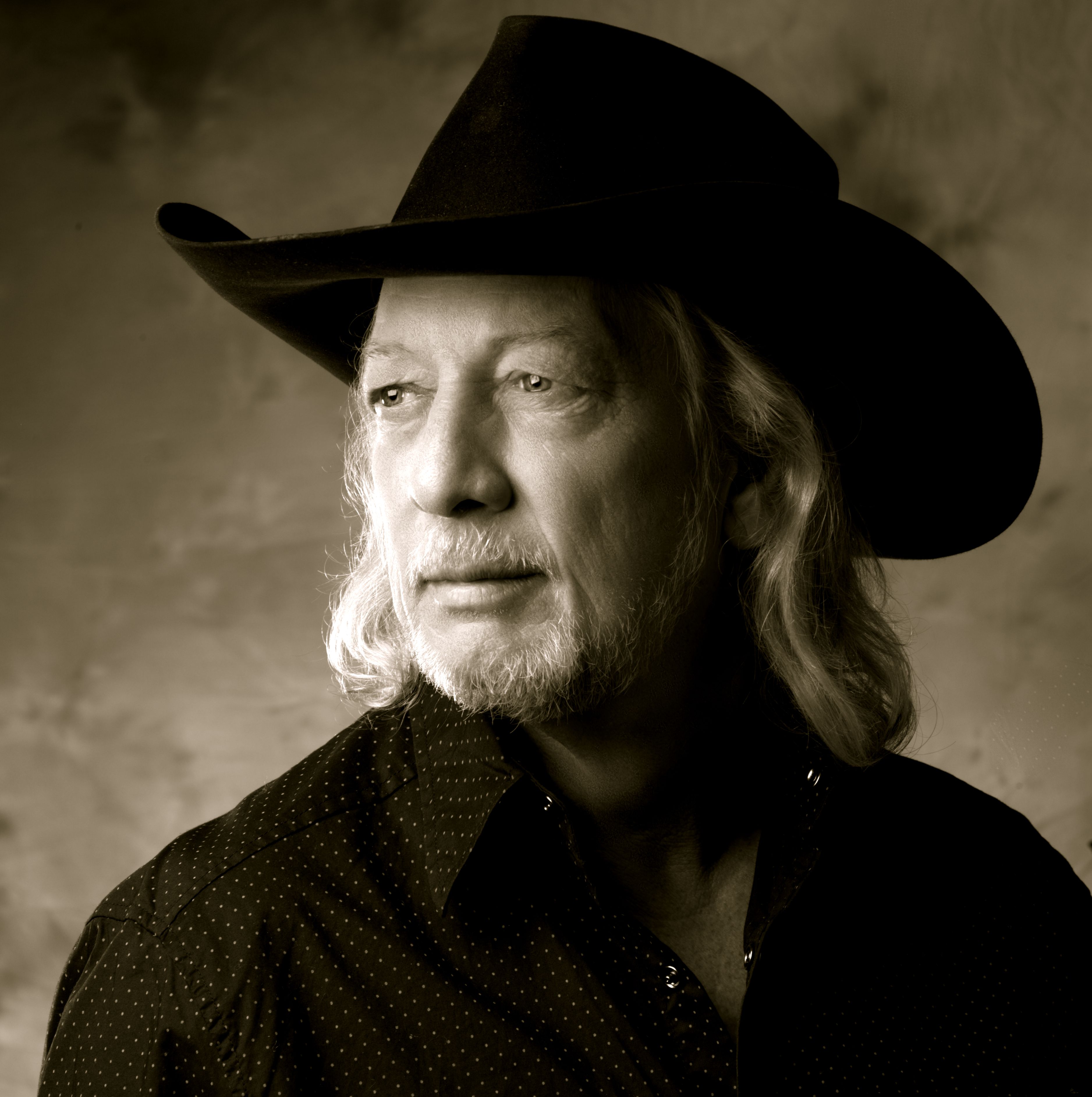
John Anderson is a legendary American country music singer and songwriter, born in Apopka, Florida, in 1954. He is widely recognized for his distinctive, soulful "drawl" and his pivotal role in the neotraditionalist movement of the 1980s and 1990s. With a career spanning over five decades, Anderson has secured his place as a cornerstone of American music, culminating in his induction into the Country Music Hall of Fame in 2024.
As of 2026, John Anderson remains one of the most respected figures in the music industry. While there are other notable Americans with the same name—including the late independent presidential candidate John B. Anderson and the longtime ESPN broadcaster John Anderson—the name "John Anderson" is most synonymous globally with the voice that defined hits like "Swingin'" and "Seminole Wind." This article focuses on the musical icon, his Florida roots, his professional journey through Nashville, and his enduring impact on the American cultural landscape.
The Florida Roots and Early Musical Foundations
John Anderson was born on December 13, 1954, in Apopka, Florida. Growing up in the "Interior of Florida," Anderson’s upbringing was deeply influenced by the landscape of the Sunshine State—an environment that would later serve as the primary inspiration for his most haunting and enduring work. Unlike many country stars who hail from the Appalachian regions or the Texas plains, Anderson’s perspective was uniquely Floridian, shaped by the sights and sounds of the Everglades and the rural outskirts of Orlando.
His musical journey began not with a fiddle, but with a rock and roll sensibility. Like many teenagers of the 1960s, he was enamored with the sounds of the era, playing in a rock band during his high school years. However, the pull of country music was undeniable. Influenced by legends like George Jones, Merle Haggard, and Lefty Frizzell, Anderson began to hone a vocal style that bridged the gap between traditional honky-tonk and a more modern, rugged delivery.
In the early 1970s, Anderson made the pivotal decision to move to Nashville, Tennessee. His entry into the music city was far from glamorous. To support himself while pursuing a recording contract, he worked as a manual laborer. One of his most famous "claims to fame" during this period was working as a carpenter on the construction crew for the new Grand Ole Opry House at Opryland. This direct physical contribution to the "Mother Church of Country Music" serves as a poetic metaphor for the foundation he would later build within the genre's history.
The Rise of a Neotraditionalist Icon
By the late 1970s, John Anderson had signed with Warner Bros. Records. At a time when country music was drifting toward the "Urban Cowboy" sound—a polished, pop-influenced style—Anderson’s arrival was a breath of fresh air for fans of traditional sounds. His first few singles, such as "I've Got a Feelin' (Somebody's Been Stealin')" and "The Girl at the End of the Bar," showcased a voice that was sandpaper-rough yet incredibly melodic.
The breakthrough that defined his early career came in 1982 with the album Wild and Blue. The title track became a hit, but it was the single "Swingin'" that catapulted him into the stratosphere of American pop culture. Released in 1983, "Swingin'" was more than just a country song; it was a crossover phenomenon. It reached the top of the country charts and even broke into the Billboard Hot 100, an impressive feat for a singer with such a traditionalist delivery.
"Swingin'" earned Anderson the Country Music Association (CMA) Award for Single of the Year in 1983. The song’s infectious rhythm and Anderson’s playful, rhythmic vocal delivery made it an instant classic. During this era, Anderson was viewed as a leader of the neotraditionalist movement, alongside artists like George Strait and Ricky Skaggs, who were determined to bring the "country" back to country music.

The Second Act: "Seminole Wind" and the 1990s Renaissance
After the massive success of the early 1980s, Anderson experienced a commercial lull in the mid-to-late 1980s. Many artists might have faded into the "oldies" circuit, but Anderson staged one of the most successful comebacks in country music history in the early 1990s.
In 1992, Anderson released the album Seminole Wind. The title track, written by Anderson himself, is arguably his masterpiece. "Seminole Wind" is a haunting environmental and historical anthem that laments the destruction of the Florida Everglades for the sake of progress. The song resonated deeply with audiences across the United States, blending a message of ecological conservation with a respect for Native American history and the land.
The 1990s era saw a string of hits that proved Anderson’s versatility:
- "Straight Tequila Night": A sympathetic narrative about a woman coping with heartbreak, which became a multi-week number-one hit.
- "Money in the Bank": An upbeat, catchy anthem that showcased his lighter, more commercial side.
- "Black Sheep": A song that resonated with the rebellious, blue-collar spirit of his core audience.
The success of Seminole Wind was not just about chart numbers; it was about artistic validation. It proved that Anderson’s voice—unique, weathered, and undeniably American—could adapt to the high-production standards of the 90s without losing its traditional soul.
Technical Analysis of the "Anderson Sound"
What makes John Anderson stand out among American vocalists is his specific technical approach to singing. Critics often refer to his "bent" notes and his ability to slide between pitches, a technique heavily influenced by Lefty Frizzell.
- Vocal Texture: Anderson possesses a "honey-over-gravel" texture. There is a sweetness in his upper register and a gritty, resonant depth in his lower notes.
- The "Drawl": He uses his Florida-inflected vowels to create a rhythmic swing within the lyrics. He often elongates certain words, creating a sense of "pocket" that follows the bass line of a song.
- Phrasing: His phrasing is often unpredictable. He might rush a line to create urgency or lag behind the beat to emphasize a soulful point, a trait more common in jazz or blues than in standard country music.
His influence can be heard in subsequent generations of artists, most notably in the work of stars like Josh Turner and Jamey Johnson, who have both cited Anderson as a primary influence on their vocal styles.
Comparing Key Milestones in John Anderson's Career
To understand the trajectory of his career from its start to the present year of 2026, it is helpful to look at the pivotal moments that defined his professional standing.
| Era | Key Achievement | Notable Impact |
|---|---|---|
| 1977–1981 | Signing with Warner Bros. | Reintroduced traditional vocal styles to the Nashville mainstream. |
| 1982–1984 | "Swingin'" and CMA Wins | Achieved crossover success and became a household name in the US. |
| 1992–1995 | Seminole Wind Success | Proved the longevity of traditional artists in the modern era. |
| 2017–2020 | Years Album & Tribute | Collaborated with Dan Auerbach (The Black Keys), bridging country and indie-rock. |
| 2024 | Hall of Fame Induction | Cemented his status as a permanent "immortal" of the genre. |
| 2026 | 50th Anniversary Legacy | Celebrated as a living legend and a mentor to modern "outlaw" artists. |
Resilience and the Later Years (2020–2026)
In 2017, John Anderson faced a significant health crisis that nearly ended his career. While the specifics were kept relatively private at the time, it was later revealed that he had suffered a serious internal health issue that required intensive recovery. This period of his life was marked by a profound reflection on his mortality and his legacy.
The result of this reflection was the 2020 album Years, produced by Dan Auerbach of The Black Keys. Auerbach, a longtime fan of Anderson, helped craft a sound that was stripped-down, soulful, and deeply personal. The title track, "Years," is a poignant look at the passage of time, delivered with a voice that had grown even more resonant with age.
By 2024, the industry finally gave Anderson its highest honor: induction into the Country Music Hall of Fame. This recognition was seen by fans and peers as long overdue. As we look at his career in 2026, Anderson is viewed not just as a singer of "hits," but as a curator of the American spirit. He continues to perform occasionally, focusing on high-profile appearances and collaborations that respect his health and his legacy.
The Cultural Impact of "Seminole Wind"
It is impossible to discuss John Anderson's identity as an American artist without a deep dive into "Seminole Wind." In 2026, the song is frequently cited in academic discussions about "eco-criticism" in popular music.
The lyrics—"Progress came and took its toll / And in the name of flood control / They made their plans and they drained the land"—remain as relevant today as they were in 1992. The song speaks to the American tension between economic development and environmental preservation. By centering the song on the perspective of the Seminole people and the ghost of Osceola, Anderson connected the environmental issues of the present to the historical injustices of the past.
This song ensured that Anderson was seen as more than just a "honky-tonk" singer. He became a voice for the land itself, particularly the unique, swampy, and often-misunderstood landscape of Florida.
Common Misconceptions and Disambiguation
Because the name "John Anderson" is relatively common in the United States, it is important to clarify who the subject is not, to ensure searchers find the correct information.
- John B. Anderson (1922–2017): A US Congressman from Illinois who ran as an independent candidate in the 1980 presidential election. He is a significant figure in American political history but has no connection to the music industry.
- John Anderson (Sports Broadcaster): Known for his long and distinguished career at ESPN, particularly as an anchor for SportsCenter. He is a beloved figure in American sports media.
- John Anderson (Actor, 1922–1992): A prolific American character actor known for his roles in The Twilight Zone, MacGyver, and many Western films.
The John Anderson from Florida is the one who "swung" his way into the hearts of music lovers and "called upon the Seminole wind."
Frequently Asked Questions
Is John Anderson still performing in 2026?
Yes, John Anderson continues to make selective appearances. While he no longer maintains the grueling tour schedules of his youth, he frequently performs at the Grand Ole Opry and appears at major country music festivals. His performances are treated as major cultural events given his legendary status.
What is John Anderson’s most famous song?
While he has many hits, "Swingin'" remains his most commercially successful song, having reached number one on the country charts and crossed over to the pop charts. However, "Seminole Wind" is often cited as his most critically acclaimed and culturally significant work.
Was John Anderson inducted into the Country Music Hall of Fame?
Yes, John Anderson was officially inducted into the Country Music Hall of Fame in 2024. He was part of a class that celebrated his long-term contributions to the genre and his influence on the neotraditionalist movement.
Where is John Anderson from?
John Anderson is from Apopka, Florida, USA. His Florida heritage is a central theme in much of his music, particularly in his 1992 hit "Seminole Wind."
What health issues did John Anderson face?
In 2017, Anderson experienced a serious health scare that involved a sudden and life-threatening illness. He has since recovered, though he has spoken in interviews about how the experience changed his perspective on life and influenced his 2020 album, Years.
Recommendation for New Listeners
For those looking to explore the work of this American icon, the best starting point is the 1992 album Seminole Wind. It represents the perfect intersection of his traditional roots and his ability to tackle complex, uniquely American themes. Following that, listeners should delve into his early 80s work, specifically the Wild and Blue album, to hear the raw energy that first made him a star.
John Anderson’s career is a testament to the power of a unique voice and the resilience of the American artist. From working on the roof of the Grand Ole Opry to being enshrined within its walls, his journey is a quintessential American story of hard work, talent, and an unwavering commitment to one's roots.
Image Gallery
Select an image to open it in a new tab.

Vivian Cho
Executive IT and Emerging Technologies Reporter
