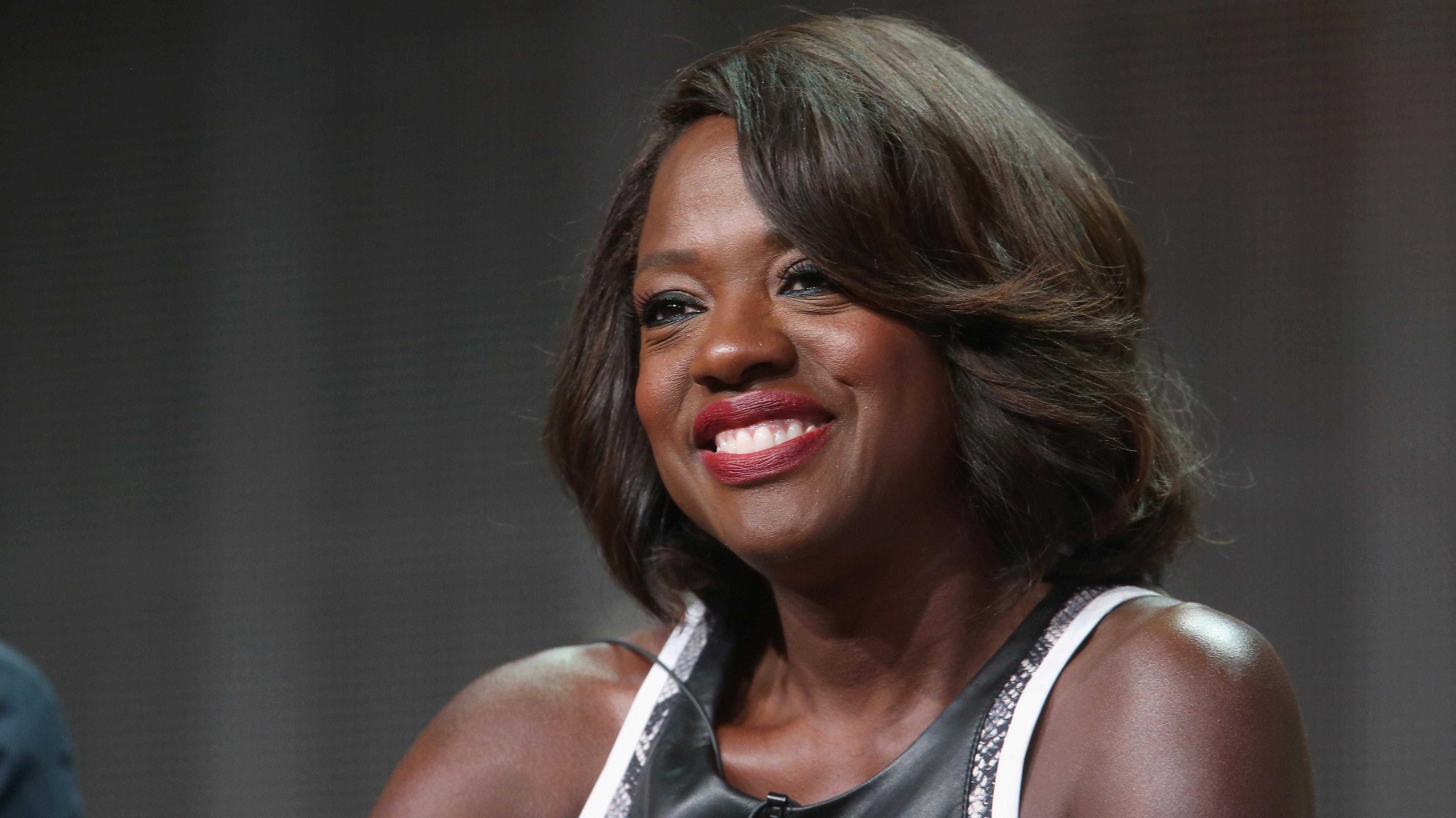
Viola Davis has fundamentally shifted the global paradigm of stardom by prioritizing emotional truth over aesthetic perfection. In an industry historically obsessed with artificial polish, her refusal to mask the raw, messy, and unvarnished aspects of the human experience has made her a more resonant and enduring icon than the traditional, airbrushed Hollywood star.
For decades, the "Hollywood Glamour" machine functioned as a gatekeeper, requiring performers—particularly women of color—to adhere to rigid standards of beauty, temperament, and presentation. To be a "leading lady" meant to be flawless, often at the expense of being real. Viola Davis, now an established EGOT winner and a defining force in the 2026 cinematic landscape, dismantled this requirement. By bringing her "full self" to the screen—nasal discharge, natural hair, aging skin, and bone-deep vulnerability—she has proven that authenticity is not just a personal choice, but a superior artistic and commercial strategy.
The Physicality of Truth: Beyond the Mask of Glamour
The most immediate way Viola Davis challenged Hollywood glamour was through the physical deconstruction of her characters. In the history of cinema, the "transformation" of an actor usually involves adding layers—makeup, prosthetics, or elaborate costumes. Davis, conversely, found her greatest power in the act of removal.
Perhaps the most culturally significant moment of this career-long mission occurred during the first season of How to Get Away with Murder. In a scene that has since become a landmark in television history, her character, Annalise Keating, sits before a mirror and methodically removes her wig, her false eyelashes, and her makeup. This was not merely a plot point; it was a radical act of defiance against the "acceptable" image of a Black woman on primetime television.
By stripping away the artifice, Davis exposed the exhaustion and the humanity beneath the high-powered attorney persona. This "unvarnished" approach allowed the audience to connect with Annalise not as a distant archetype, but as a person they recognized. In 2026, we see the ripple effects of this choice in how new generations of actors approach their craft, prioritizing the psychological reality of a character over their visual appeal.
The "Ugly Cry" and the Rejection of Pretty Pain
In traditional Hollywood glamour, even grief is curated. Actresses were often encouraged to "cry pretty"—a single, silent tear tracking down a perfectly powdered cheek. Viola Davis rejected this artifice entirely. Her performances in Fences, Doubt, and The Help are characterized by what critics sometimes call the "ugly cry."
This term, while common, misses the point of Davis’s technique. When Davis portrays grief, it is visceral. It involves the entire body: the heaving chest, the mucus, the reddened eyes, and the loss of facial control. This is the reality of human suffering. By refusing to "clean up" her emotions for the camera, she validates the experiences of the audience. Her authenticity "beats" glamour because glamour creates a distance between the performer and the observer, whereas Davis’s raw honesty creates a bridge.
Breaking the Eurocentric Beauty Standard
For much of Hollywood's history, "glamour" was synonymous with Eurocentric features and aesthetics. This meant that Black actresses were often pressured to conform to standards that denied their natural appearance. Viola Davis’s ascent to the top of the industry was achieved while she explicitly championed her natural self.
Her appearance on the 2012 Oscars red carpet with her natural hair was a pivotal moment. While it might seem like a simple fashion choice, in the context of Hollywood’s history of hair discrimination, it was a profound statement of self-worth. By appearing as herself—unvarnished and unbothered by the expectations of the "glamour" industry—she expanded the definition of what a movie star looks like.
As of 2026, the industry has made strides toward inclusivity, but Davis remains the gold standard for this shift. She didn't just wait for the industry to change; she forced it to change by refusing to be anything other than her authentic self. This authenticity resonates because it is rooted in a hard-won confidence that no amount of professional lighting or expensive jewelry can replicate.

The Power of Vulnerability in the Public Eye
Beyond her filmography, Davis’s public persona is defined by an unusual degree of transparency. Her 2022 memoir, Finding Me, set a new standard for celebrity autobiographies. In it, she spoke candidly about childhood poverty, domestic violence, and the deep-seated insecurities she faced even at the height of her fame.
This level of honesty is the antithesis of the traditional "Hollywood star" narrative, which typically emphasizes a seamless trajectory from talent to triumph. Davis’s willingness to share her scars makes her more than an actress; she is a lighthouse for those navigating similar struggles. In the 2026 media environment, where audiences are increasingly skeptical of "curated" social media personalities, Davis’s radical vulnerability is her most valuable currency.
JuVee Productions and the Business of Authenticity
Davis, along with her husband Julius Tennon, founded JuVee Productions with the specific goal of giving voice to the voiceless. This business venture is an extension of her commitment to authenticity. By producing stories like The Woman King and First Ladies, she ensures that the narratives being told are as complex and unvarnished as the characters she plays.
JuVee Productions focuses on:
- Narrative Inclusion: Telling stories from perspectives that have been historically marginalized.
- Historical Accuracy: Avoiding the "Hollywood-ization" of history in favor of more difficult, honest portrayals.
- Mentorship: Providing a platform for emerging artists who prioritize truth over artifice.
Comparing Hollywood Glamour vs. Viola Davis’s Authenticity
To understand why Davis’s approach has been so successful, it is helpful to compare the characteristics of the traditional "Glamour" model with the "Authenticity" model she pioneered.
| Feature | Traditional Hollywood Glamour | Viola Davis’s Unvarnished Authenticity |
|---|---|---|
| Primary Goal | To create an aspirational, flawless image. | To reveal the raw truth of the human condition. |
| Physicality | Heavy makeup, wigs, and "perfect" lighting. | Willingness to remove makeup/wigs for the role. |
| Emotional Range | Contained, aestheticized, and "safe." | Visceral, messy, and deeply vulnerable. |
| Standard of Beauty | Eurocentric and age-defying. | Inclusive of natural hair, dark skin, and aging. |
| Audience Connection | Aspiration and distance (The "Star" effect). | Recognition and empathy (The "Mirror" effect). |
| Legacy | Fashion icons and stylistic trends. | Cultural shifts in representation and acting technique. |
The Enduring Impact on the Film Industry
The success of Viola Davis has fundamentally changed how studios cast and market films. In the past, a lead actress’s "marketability" was often tied to her conventional beauty. Today, largely thanks to the path Davis blazed, "authenticity" is recognized as a major draw for audiences.
Audiences in 2026 are more sophisticated than ever. They can sense when a performance is "performed" and when it is lived. Davis’s career is a masterclass in the latter. Whether she is playing a historical figure like Michelle Obama or a fictional warrior like Nanisca, she brings a weight of reality that transcends the script. This "unvarnished" quality makes her films feel like events because the audience knows they are going to see something real.
Influencing the Next Generation
Actors coming of age in the mid-2020s frequently cite Davis as their primary influence. It is no longer considered a "risk" for an actress to show her natural hair or to let the camera catch her in an unflattering light if it serves the story. Davis gave the industry permission to be real. This shift from "glamour" to "truth" is perhaps the most significant change in Hollywood since the end of the studio system.
Practical Lessons from the Davis Model
While most people are not Oscar-winning actresses, the "Viola Davis Model" of authenticity offers several practical takeaways for anyone looking to make a meaningful impact in their own field:
- Own Your Narrative: Davis didn't hide her past; she used it to fuel her art. Embracing your unique story—including the struggles—is a source of strength, not weakness.
- Prioritize Substance Over Style: In a world of filters, the "unvarnished" version of a project or persona often stands out the most.
- Consistency is Key: Davis didn't become authentic overnight. It was a career-long commitment to her principles, even when it wasn't the "popular" choice.
- Create Space for Others: True success involves opening doors. Through JuVee Productions, Davis has shown that authenticity is most powerful when it is used to empower a community.
Common Questions Regarding Viola Davis and Authenticity
Does Viola Davis ever do traditional "glamour" roles?
While she has appeared in polished roles, Davis always injects them with a sense of grounded reality. Even in high-fashion shoots or red-carpet events, she often uses her platform to speak about the artifice of the industry, ensuring that the "glamour" never obscures the "person."
Why is her "unvarnished" style considered revolutionary for Black actresses specifically?
Black women in Hollywood have historically faced a "double bind": they were either hyper-sexualized or made invisible. Davis broke this by demanding that Black women be seen as fully realized, complex, and sometimes "unattractive" (in the conventional Hollywood sense) human beings. This reclaimed the right to be human.
How did her EGOT status affect her approach to authenticity?
Winning an Emmy, Grammy, Oscar, and Tony (completed in 2023) provided Davis with a level of industry "safety" that allowed her to be even more daring. By 2026, she has used this status to protect other artists and to push for even deeper levels of truth in the projects she produces.
What does "unvarnished" mean in the context of her acting?
It means the removal of the protective layers we all use to hide our insecurities. In acting, this translates to letting the character’s pain, joy, and fear be seen without any filter or attempt to make the emotion "palatable" for the viewer.
Is authenticity more "profitable" than glamour in 2026?
Data from the last several years suggests that "authentic" content—films and shows that feel real and representative—consistently outperforms traditional "glamour" projects in terms of audience engagement and critical longevity. Viola Davis is the living proof of this market shift.
Moving Toward a More Authentic Future
The legacy of Viola Davis is not just a collection of awards, but a fundamental change in the "DNA" of Hollywood. By choosing unvarnished authenticity over the hollow promises of glamour, she did more than just advance her own career; she humanized an entire industry.
As we look toward the future of entertainment in 2026 and beyond, the "Davis Standard" remains the benchmark. For any creator, performer, or leader, the lesson is clear: your flaws are not what hold you back—they are the very things that make your work indispensable. To "beat" the glamour of the world, one must first have the courage to be seen as they truly are.
Next Action: For those interested in studying her technique further, viewing her 2017 Oscar acceptance speech or her interviews regarding the filming of The Woman King provides a deeper look into her philosophy of "radical honesty" in performance.
Image Gallery
Select an image to open it in a new tab.


Celine Dubois
Contemporary Living and Global Arts Columnist
