Understanding the Pit Bull Breed Traits: History, Temperament, and Physical Characteristics
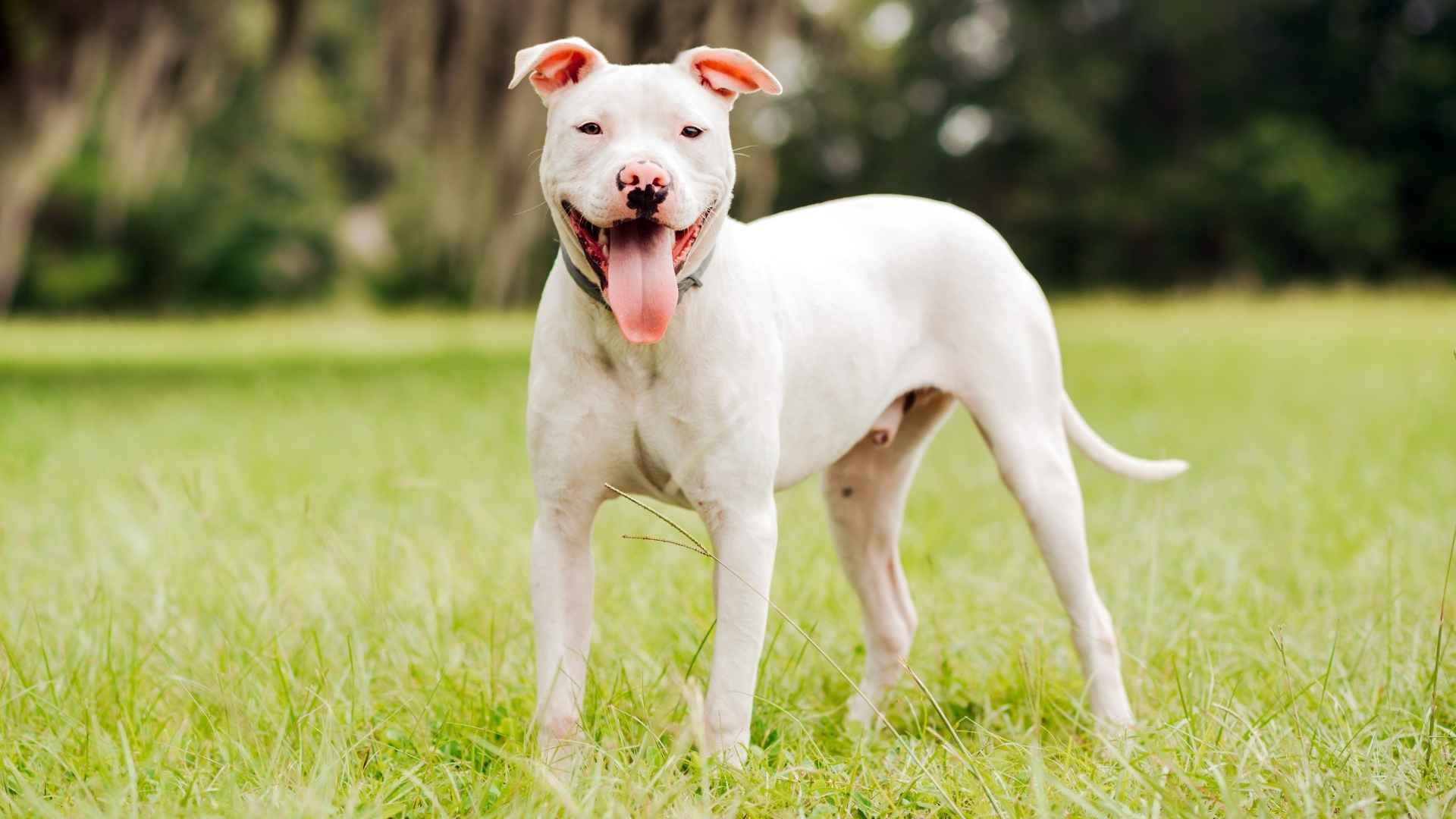
Understanding the pit bull breed traits requires looking past common media stereotypes to examine the rich history, distinctive physical characteristics, and complex behavioral tendencies of these athletic dogs. While "pit bull" typically refers to an umbrella category rather than a single recognized breed, dogs under this designation share a distinct heritage, high energy levels, strong prey drives, and deep loyalty to human companions.
Defining the "Pit Bull": Nomenclature and Breed Classification
When people use the term "pit bull," they are rarely referring to a single, standardized canine breed recognized by major kennel clubs. Instead, the term functions as a loose umbrella descriptor encompassing several distinct purebred dogs and their mixed-breed descendants. To understand what defines these dogs, one must first untangle the taxonomy and nomenclature that govern modern canine registries.
The primary purebred dogs universally included under the pit bull umbrella are the American Pit Bull Terrier (APBT), the American Staffordshire Terrier (AmStaff), and, depending on the registry and regional interpretation, the Staffordshire Bull Terrier. Furthermore, the American Bully has emerged in recent decades as a recognized breed featuring distinct physical attributes derived from foundational pit bull stock mixed with other mastiff and bulldog types.
Major kennel organizations hold differing stances on these classifications:
- United Kennel Club (UKC): Officially recognizes the American Pit Bull Terrier as a distinct breed with comprehensive written standards.
- American Kennel Club (AKC): Recognizes the American Staffordshire Terrier, which shares a closely intertwined genetic history with the APBT, while the APBT itself is not formally recognized under that specific name by the AKC.
- Visual Identification Challenges: Numerous independent shelter studies, including research published by organizations like the National Canine Research Council and municipal animal control authorities, demonstrate that visual identification of pit bull-type dogs is notoriously unreliable. Shelter workers, veterinarians, and the general public frequently label any stocky, short-haired dog with a blocky head as a "pit bull," regardless of its actual lineage.
Historical Origins and Evolution of the Type
The traits observed in modern pit bull-type dogs are the direct result of centuries of selective breeding. Understanding this evolutionary path provides essential context for their physical capabilities and behavioral predispositions. The history of these dogs traces back to early blood sports in the British Isles, where bulldogs were crossed with terriers to combine the tenacious grip and power of the bulldog with the agility, speed, and gameness of the terrier.
During the 19th and early 20th centuries, immigrants brought these canine ancestors to North America. Here, the dogs transitioned from arena competitors to versatile farm and working companions. On American homesteads, these dogs fulfilled multiple roles:
- General Farm Work: Guarding property against predators, driving livestock, and managing vermin populations.
- Family Companions: Earning a historical reputation for extreme reliability and gentleness with children—a dynamic that led to the moniker "nanny dog" in early 20th-century media, though modern behaviorists caution that this label is an unscientific exaggeration.
- Military and Service Roles: Serving as mascots, messengers, and search-and-rescue assets during wartime, most notably demonstrated by figures like Sergeant Stubby, a decorated pit bull-type dog who served with the US Army during World War I.

Physical Characteristics and Anatomy
Pit bull-type dogs possess a unique physiological makeup optimized for strength, agility, and endurance. Breeders originally selected these attributes to maximize functional capability, resulting in a muscular, athletic silhouette that distinguishes them from other terrier or working breeds.
| Anatomical Feature | Typical Breed Standard Characteristics |
|---|---|
| Head Shape | Broad, wedge-shaped or blocky skull; distinct cheek muscles. |
| Jaw Structure | Deep, wide muzzle with a strong, scissor-bite closure. |
| Musculature | Dense, well-defined muscle mass; broad chest; strong core. |
| Coat & Skin | Short, stiff, single-layer coat that lies flat against skin. |
| Weight Range | Typically 30 to 65 pounds (14 to 30 kg) depending on type. |
Beyond the metrics outlined above, their physical stamina is notable. Their high density of fast-twitch muscle fibers allows for explosive bursts of speed and sustained physical exertion. However, this physiological design also introduces specific vulnerabilities. Their short, single-layer coats provide minimal insulation against extreme cold or heat, making them susceptible to temperature extremes and various dermatological sensitivities, including seasonal allergies and demodectic mange.
Behavioral Traits and Temperament
Evaluating the temperament of pit bull-type dogs requires separating popular myths from scientifically documented behavioral realities. Like any canine group, their behavior is shaped by a combination of genetic predisposition, early socialization, training, and environmental management.
Human-Directed Sociability and Affection
Historically, dogs bred for fighting required handlers to enter the pit safely during high-arousal situations to separate animals. Consequently, selective breeding heavily favored dogs that displayed extreme inhibition toward biting humans, coupled with a deep desire to please handlers. Modern pit bull-type dogs frequently exhibit high levels of affection, "Velcro" attachment to their human families, and a strong eagerness for human interaction. Standard temperament testing conducted by the American Temperament Test Society (ATTS) routinely scores pit bull-type breeds—particularly American Staffordshire Terriers—higher in passing rates than many traditional family companion breeds, such as Golden Retrievers and Beagles.
Conspecific Aggression and Predatory Drive
While human aggression is historically atypical for well-bred specimens, canine aggression (reactance or intolerance toward other dogs) remains a recognized trait within the gene pool. Because of their terrier heritage, many pit bull-type dogs possess a high prey drive and can exhibit sudden, intense arousal toward smaller animals, cats, and unfamiliar dogs. Socialization during puppyhood is critical, but biological maturity (occurring between one and three years of age) can trigger genetic predispositions toward dog-selectivity or dog-aggression, requiring lifelong management by responsible owners.
Care, Training, and Environmental Management
Owning a dog with the physical strength and mental drive of a pit bull-type breed requires a structured approach to husbandry, training, and containment. Ignoring these requirements can lead to behavioral challenges or property destruction fueled by boredom.
Exercise and Mental Stimulation
These dogs are high-energy athletes that require substantial daily physical and mental outlets. Long walks alone are rarely sufficient. Suitable activities include:
- Weighted Pulling or Fetching: Channeling their natural drive to pull and retrieve through flirt poles or weight-pulling harnesses.
- Agility and Obedience Training: Engaging their problem-solving capabilities and reinforcing handler focus.
- Interactive Puzzle Toys: Preventing cognitive boredom that can manifest as destructive chewing.
Socialization and Boundaries
Early and continuous socialization with diverse environments, people, and well-behaved animals is mandatory. Owners must remain vigilant regarding boundary training and physical containment. Due to their immense jaw strength, standard plastic crates or flimsy fencing are often inadequate; heavy-duty crates and secure, escape-proof yard fencing are standard requirements for responsible management.
Breed Legislation, Restrictions, and Social Stigma
No discussion of pit bull breed traits is complete without addressing the socio-legal landscape surrounding these animals. For decades, pit bull-type dogs have been the primary target of Breed-Specific Legislation (BSL), which ranges from complete municipal bans to mandatory muzzle laws and strict insurance restrictions.
Critics of BSL, including organizations like the American Veterinary Medical Association (AVMA) and the ASPCA, argue that legislation targeting specific physical appearances is ineffective at reducing dog bite incidents. Instead, these groups advocate for owner-focused dangerous dog laws, mandatory leash laws, and community education regarding responsible pet ownership. Conversely, proponents of restrictions point to the severity of injuries caused by powerful dogs when containment or control fails. Prospective owners must research local municipal ordinances and homeowner association rules, as insurance coverage is frequently denied or heavily surcharged for homes housing pit bull-type dogs.
Frequently Asked Questions
Are pit bulls naturally aggressive toward humans?
No. Scientifically validated behavioral data and temperament testing indicate that well-socialized pit bull-type dogs are generally stable, affectionate, and people-oriented. Aggression toward humans is not a breed characteristic; rather, it is usually the result of poor breeding, inadequate socialization, abuse, or neglect.
Why do some pit bulls not get along with other dogs?
Canine-directed aggression or selectivity is rooted in the historical purpose of the breeds' terrier and bulldog ancestors. While many pit bulls live harmoniously with other household pets, others develop intolerance toward unfamiliar dogs as they reach maturity, requiring careful supervision and management.
How much exercise does a pit bull-type dog need daily?
These dogs typically require a minimum of 60 to 90 minutes of vigorous physical exercise and mental engagement every day. Without adequate outlets for their energy, they may develop behavioral issues such as destructive chewing, excessive whining, or barrier frustration.
Are pit bulls good family pets with children?
They can be exceptionally loyal and gentle family companions, often displaying high tolerance for children within their household. However, because of their strength and high energy, all interactions between dogs and young children must be supervised by adults to prevent accidental injuries from rough play.
Do pit bulls have a locking jaw mechanism?
No. Anatomical and veterinary studies have thoroughly debunked the myth of a physical locking mechanism in the jaws of pit bull-type dogs. They possess powerful jaw muscles and a tenacious gripping style inherited from bulldog ancestors, but their jaw structure is biologically identical to that of other canines of similar size.
Conclusion
Understanding the pit bull breed traits requires navigating a complex intersection of history, genetics, and public perception. These athletic, intelligent, and deeply loyal dogs are exceptionally well-suited for active owners who understand the importance of consistent training, early socialization, and lifelong management of their natural drives. By replacing fearful stereotypes with factual knowledge, owners and communities can better support the welfare and integration of these remarkable animals.
Image Gallery
Select an image to open it in a new tab.

Declan O'Connor
Higher Education and Campus Culture Reporter
