Understanding Consistently High WBC Levels: Clinical Significance and Diagnostic Pathways
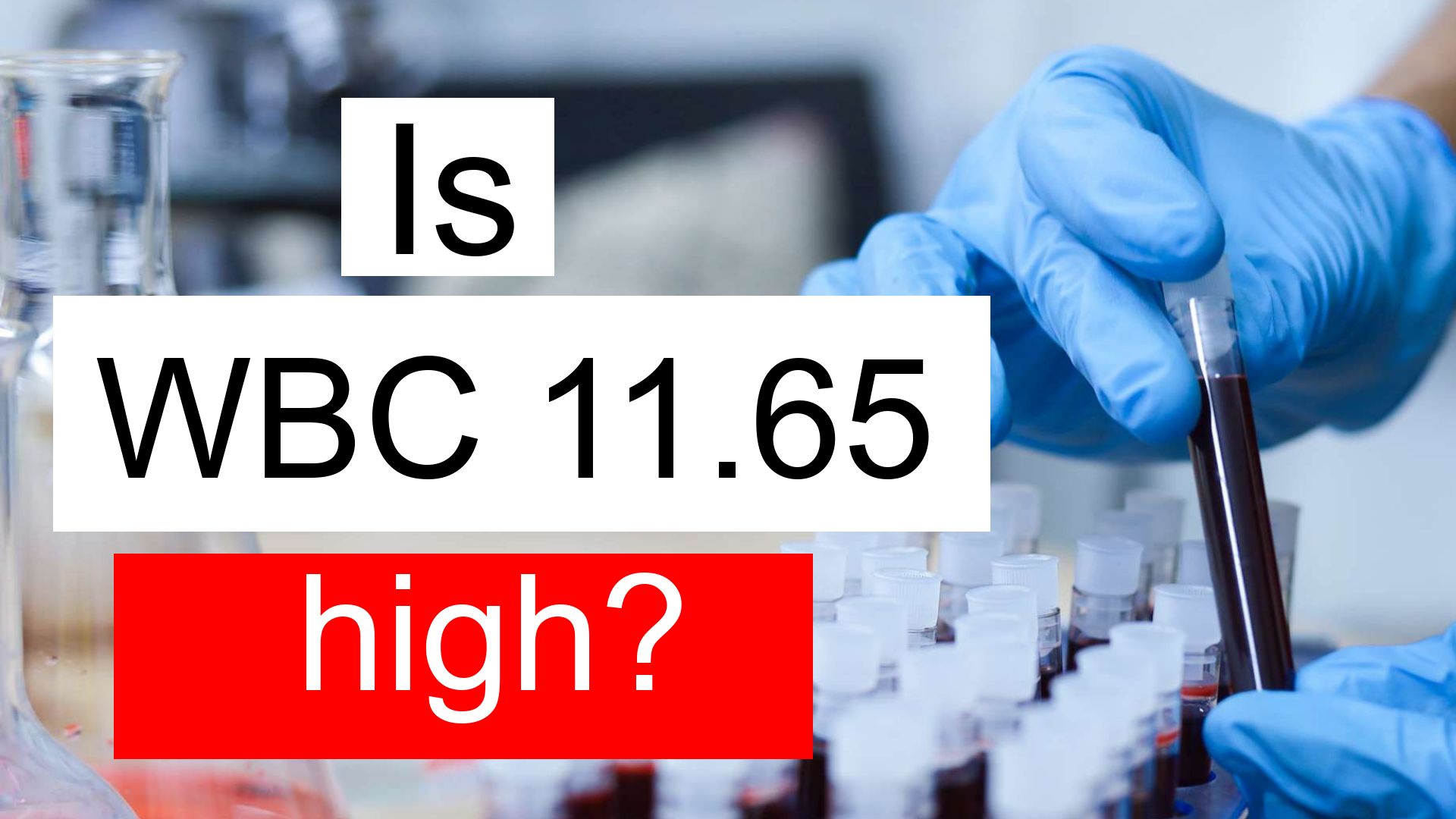
Consistently high white blood cell (WBC) levels, clinically termed leukocytosis, indicate that your body’s immune system is responding to a persistent stimulus, such as chronic inflammation, infection, or underlying bone marrow activity. Because "normal" ranges vary between laboratories and demographics, persistent elevation necessitates a structured medical evaluation to differentiate between benign, reactive, and pathological causes.
Defining Leukocytosis and Reference Ranges
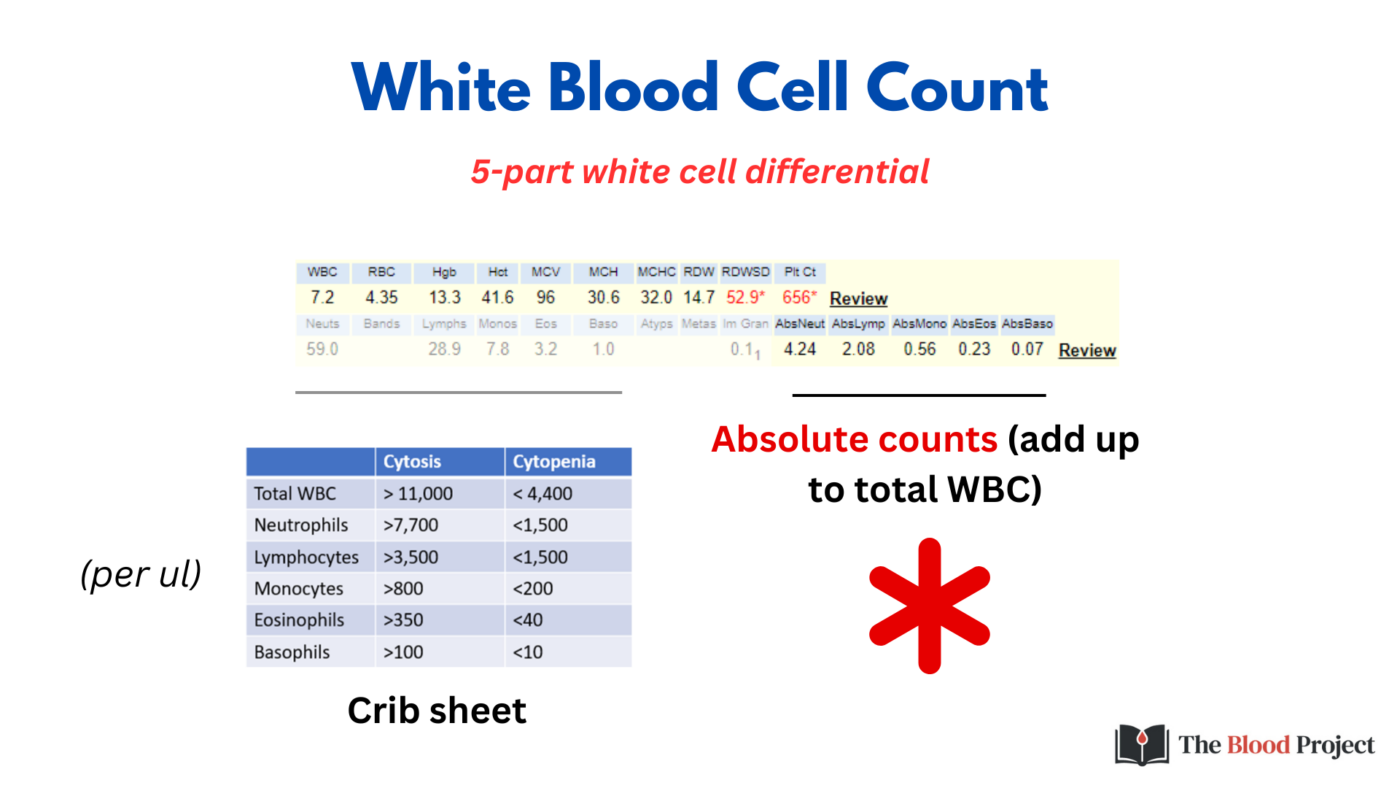
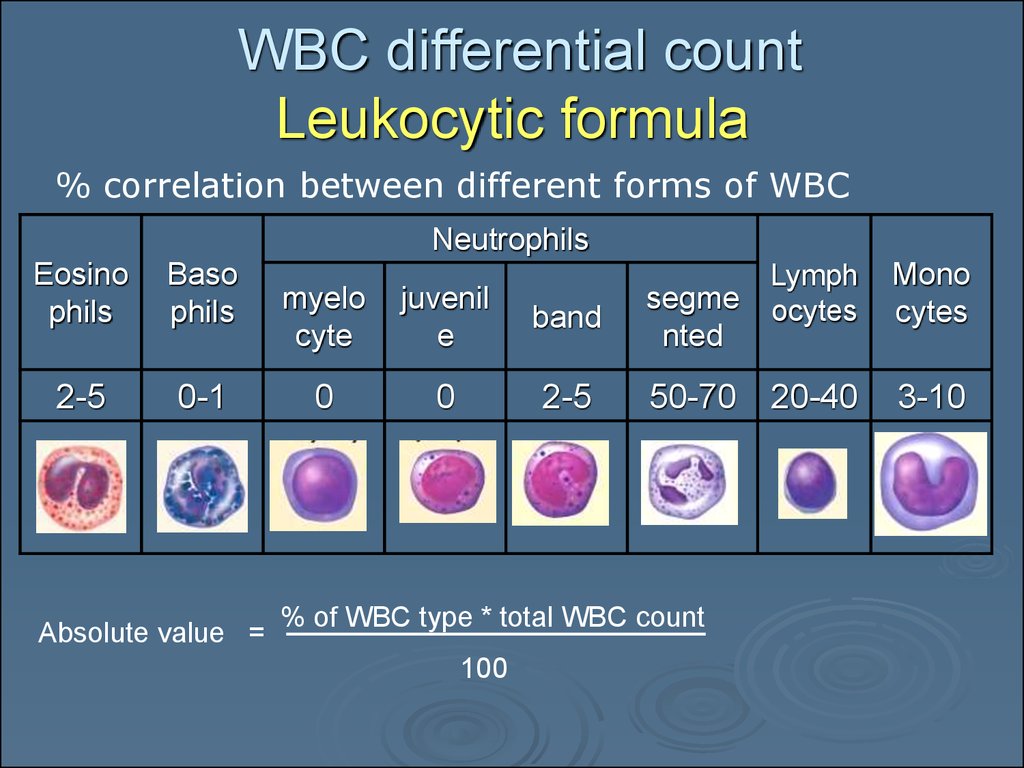
White blood cells, or leukocytes, are the primary cellular components of your immune system, responsible for defending the body against pathogens, clearing cellular debris, and moderating inflammatory responses. A complete blood count (CBC) typically reports a total WBC count, which is the sum of the five main subtypes: neutrophils, lymphocytes, monocytes, eosinophils, and basophils.
In 2026 clinical practice, the standard reference range for a healthy adult is generally between 4,500 and 11,000 cells per microliter of blood. However, minor deviations occur based on physiological factors such as circadian rhythms, exercise, pregnancy, and emotional stress. "Consistently high" levels refer to counts that remain above the upper limit of the laboratory-specific reference interval across multiple testing sessions spaced weeks or months apart.
It is critical to distinguish between acute leukocytosis—often a temporary spike due to a sudden infection—and chronic, sustained elevation. A single high result is rarely diagnostic. Physicians typically look for trends over time, as a sustained elevation often indicates that the driver of the immune response has not been resolved.
The Physiological Drivers of Persistent WBC Elevation
When WBC levels remain high, the medical team evaluates which specific cell lineage is driving the count, as each leukocyte type provides a different diagnostic clue.
Neutrophilia: The Response to Inflammation and Infection
Neutrophils are the most abundant white blood cells and the "first responders" to bacterial infections and acute tissue injury. Persistent neutrophilia is frequently associated with:
- Chronic Inflammation: Conditions such as rheumatoid arthritis or inflammatory bowel disease (IBD) can create a constant chemical signal that keeps the bone marrow in a state of high production.
- Chronic Infection: Low-grade, persistent infections (e.g., hidden abscesses or osteomyelitis) can keep neutrophil counts elevated.
- Medication Effects: The use of corticosteroids is a common, non-pathological cause of persistent neutrophilia. These drugs prevent neutrophils from adhering to vessel walls, effectively "trapping" them in the bloodstream and artificially raising the count.
Lymphocytosis: Immune System Surveillance
Lymphocytes are key players in viral defense and the adaptive immune response. Chronic lymphocytosis is more specific and often signals:
- Viral Persistence: Certain chronic viral infections, including Epstein-Barr virus (EBV) or Cytomegalovirus (CMV), may cause sustained elevations.
- Lymphoproliferative Disorders: This category includes conditions like Chronic Lymphocytic Leukemia (CLL), where the body produces an excess of mature, yet dysfunctional, lymphocytes.

Diagnostic Steps for Persistent Elevation
If you are diagnosed with consistently high WBC levels, the diagnostic process follows a systematic path to rule out emergencies and identify the underlying cause.
1. The Differential Count
The first step is a "differential," which breaks down the total count into the percentages and absolute numbers of each cell type. This is vital because the cause of high neutrophils is entirely different from the cause of high eosinophils or monocytes.
2. Peripheral Blood Smear
A pathologist examines a drop of blood under a microscope. This visual inspection allows them to assess the maturity and morphology (shape) of the cells. Detecting "blasts" (immature cells) or abnormal shapes can steer the diagnosis toward hematological conditions rather than reactive, infection-based causes.
3. Systematic Review of External Factors
Your physician will perform a comprehensive review of your life factors, including:
- Pharmacology Review: Assessing whether you are taking medications that impact leukocyte count, including steroids, lithium, or beta-agonists.
- Lifestyle Factors: Evaluating chronic smoking status, which is a well-documented cause of mild to moderate, persistent leukocytosis.
- Symptom Profiling: Identifying "B-symptoms," which include unexplained fevers, night sweats, and unintentional weight loss. These are red flags that require expedited investigation.
4. Advanced Testing
If initial investigations are inconclusive, the physician may order tests for inflammatory markers like C-reactive protein (CRP) or Erythrocyte Sedimentation Rate (ESR). If a blood disorder is suspected, specialized testing including flow cytometry or bone marrow biopsy may be recommended to analyze the genetic profile of the leukocyte population.
Comparison of Potential Causes
| Category | Typical Driver | Clinical Approach |
|---|---|---|
| Reactive | Infection, Inflammation, Smoking | Treat underlying cause; monitor trends. |
| Drug-Induced | Steroids, Lithium, Epinephrine | Adjust medication if clinically safe. |
| Hematologic | Leukemia, Myeloproliferative Neoplasms | Hematology specialist referral, biopsy. |
| Physical | Strenuous exercise, Acute stress | Repeat test after period of rest/normalcy. |
Managing Expectations and Next Actions
The primary goal of investigating high WBC levels is not to "lower the count," but to identify and address the biological trigger. Treating the symptoms (high WBCs) without identifying the cause is ineffective and potentially dangerous, as it may mask an underlying condition that requires specific treatment.
When to Seek Immediate Medical Attention
While many causes of chronic leukocytosis are manageable, you should seek urgent evaluation if the high WBC count is accompanied by:
- Unexplained bruising or bleeding.
- Persistent, high-grade fevers.
- Severe bone pain or abdominal fullness (splenomegaly).
- Difficulty breathing or chest pain.
Recommended Next Steps for Patients
If you have received lab results indicating high WBCs, follow this protocol:
- Request a Differential: If your initial test was only a total WBC count, request a CBC with differential to understand which cell line is elevated.
- Monitor via Serial Testing: Do not panic over a single result. Your doctor will likely schedule a repeat test in 4–8 weeks to determine if the elevation is transient or truly persistent.
- Prepare a Medication Log: Create a list of all supplements, prescriptions, and over-the-counter medications used in the last six months to provide to your primary care provider.
- Consult a Hematologist: If the count remains high despite the absence of infection or inflammation, ask for a referral to a hematologist, who specializes in blood cell disorders.
Frequently Asked Questions
Does a high WBC count always mean I have leukemia? No. Leukemia is a relatively rare cause of high WBC counts. It is significantly more common for white blood cell counts to be elevated due to infection, chronic inflammation, medication side effects, or intense physical stress. A diagnosis of leukemia requires specific abnormal findings on a blood smear and often advanced genetic testing, not just a high total count.
Can stress alone cause consistently high white blood cells? Acute, severe physical or emotional stress can cause a temporary spike in WBCs through the release of adrenaline and cortisol. However, this is typically transient. If your levels remain high during periods of stability and rest, the elevation is likely due to an underlying inflammatory or metabolic process rather than daily stressors.
What should I do if my doctor says my WBC levels are "slightly high" but doesn't offer a diagnosis? This is common, as "slightly high" can often be a patient's personal baseline. If you are asymptomatic, your physician may adopt a "watch and wait" approach, monitoring your CBC annually to ensure the levels remain stable. The most important action is to ensure you are receiving consistent lab work from the same facility to avoid variations in testing equipment.
Do vitamins or supplements affect white blood cell counts? Some supplements can indirectly influence counts by affecting inflammatory levels in the body, while others may cause allergic reactions that temporarily elevate eosinophils. Always disclose all dietary supplements to your physician, as they can sometimes interfere with the interpretation of your blood panel.
Are there lifestyle changes that lower WBC counts? If your elevated count is due to smoking, cessation is the most effective way to see a reduction in WBC levels. For other cases, managing underlying systemic inflammation through a balanced diet, adequate sleep, and managing chronic conditions like blood pressure or blood sugar can help move your markers toward the healthy range.
Disclaimer: This article is for informational purposes only and does not constitute medical advice, diagnosis, or treatment. Always seek the advice of your physician or other qualified health provider with any questions you may have regarding a medical condition. Never disregard professional medical advice or delay in seeking it because of something you have read here.
Image Gallery
Select an image to open it in a new tab.




Simon Caldwell
Enterprise Technology and Systems Editor
