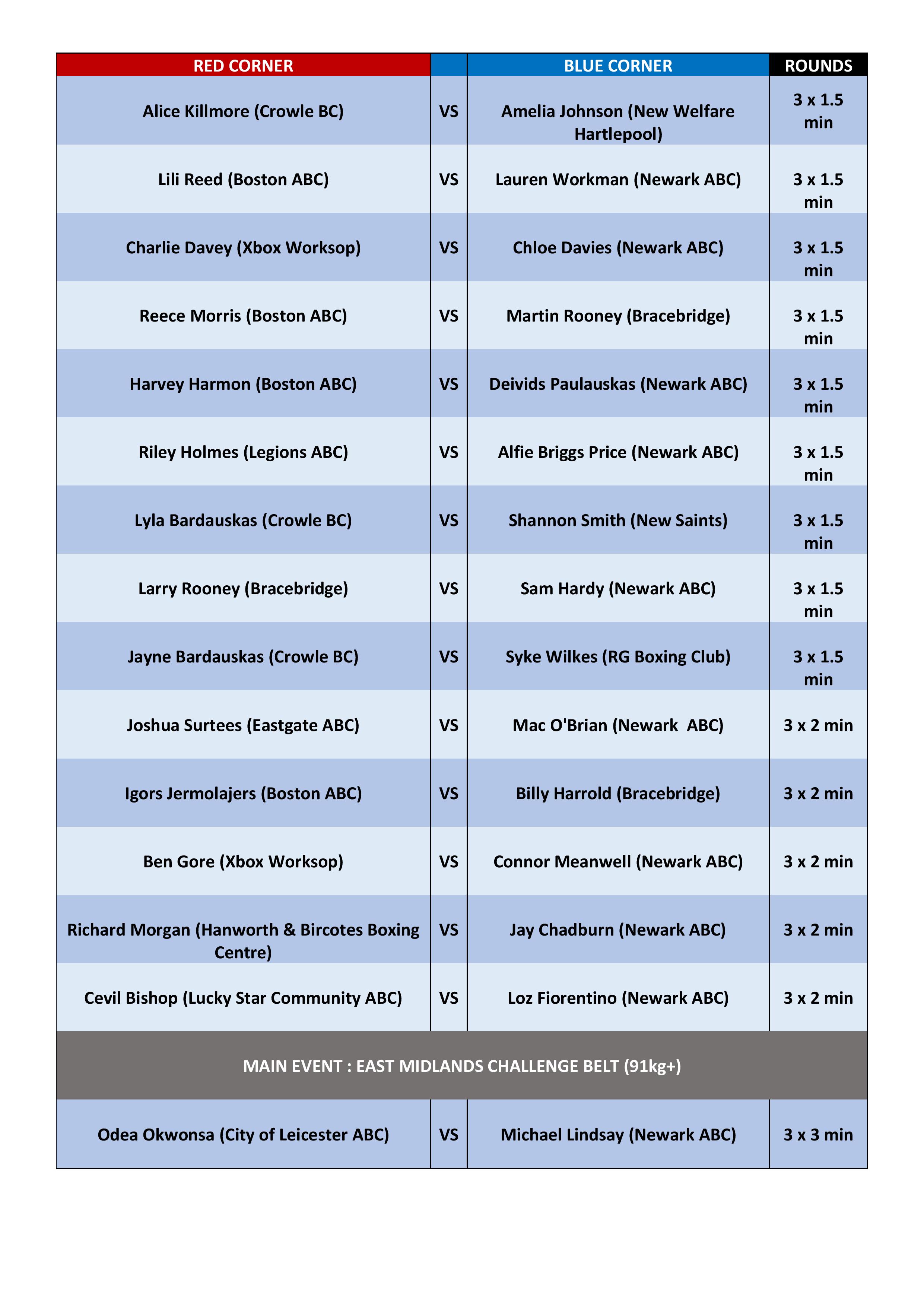
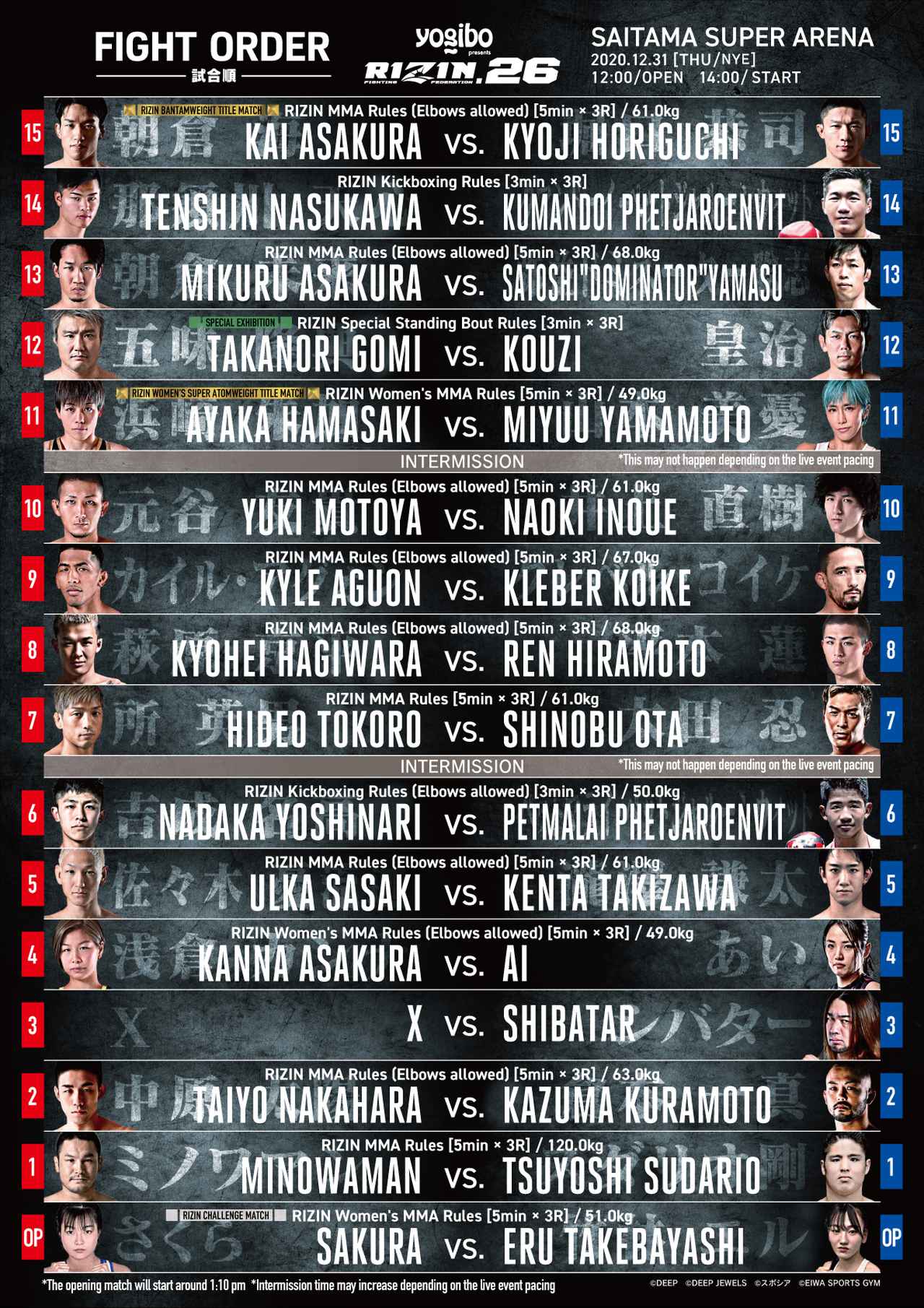
The UFC fight card order is a strategically tiered structure designed to maximize broadcast viewership, fulfill contractual obligations with streaming partners, and build emotional momentum toward the evening’s biggest attractions. While it may appear as a simple chronological list, the placement of each bout is determined by a complex mix of fighter rankings, commercial "star power," geographical relevance, and the specific requirements of the Pay-Per-View (PPV) model.
The Anatomy of a Modern UFC Fight Card
As of 2026, the standard UFC event structure remains divided into three distinct segments: the Early Prelims, the Prelims, and the Main Card. Understanding these segments is crucial because the "order" is not a linear progression of talent from worst to best; rather, it is a series of mini-climaxes designed to keep different segments of the audience engaged across a six-to-seven-hour broadcast window.
The Early Prelims (The Foundation)
The Early Prelims typically feature the first three to four fights of the night. These bouts often showcase newcomers, athletes signed through Dana White’s Contender Series, or fighters in the lower third of their divisional rankings. The primary goal of this segment is to provide "cage time" for developing talent and to begin the broadcast for early-bird viewers. In 2026, these are almost exclusively streamed on UFC Fight Pass or the basic tier of the UFC's primary broadcast partner (such as ESPN+ in the United States).
The Prelims (The Bridge)
The "Mid-Level" Prelims serve a vital marketing function. This segment usually contains four fights and is often broadcast on linear television (cable) even if the Main Card is behind a Pay-Per-View wall. The UFC strategically places recognizable "gatekeepers" or high-action "fan favorites" here to entice casual viewers into staying tuned and eventually purchasing the Pay-Per-View.
The Main Card (The Premium Product)
The Main Card is the final segment, consisting of five high-profile fights. This is the portion of the event that fans pay a premium to see. It features the highest-ranked contenders, champions, and the organization's biggest draws. The order within the Main Card follows a traditional "curtain raiser to grand finale" logic, culminating in the Main Event.
The Hierarchy of the Main Card
The order of the Main Card is the most scrutinized aspect of any UFC event. Matchmakers Sean Shelby and Mick Maynard, under the direction of the UFC executive team, follow a specific hierarchy to ensure the pacing feels "big" from start to finish.
- The Main Event: This is the final fight of the night. It is almost always a five-round affair, regardless of whether a title is on the line. The Main Event features the biggest stars or a championship bout. If an event has multiple title fights, the "heavier" weight class usually takes the Main Event slot, unless a smaller-weight champion (like a Conor McGregor or Sean O'Malley type) possesses significantly higher drawing power.
- The Co-Main Event: Positioned directly before the Main Event, this is the second most important fight. It serves as a "fail-safe"—if the Main Event is a quick knockout or an underwhelming technical grind, the Co-Main is expected to have provided the necessary excitement to justify the PPV price. Often, the Co-Main is also a title fight or a "Number One Contender" bout.
- The Featured Bout: This is the third-to-last fight (the middle fight of a five-fight main card). This slot is often reserved for rising stars or highly anticipated grudge matches that don't quite have the "championship" status but possess significant "buzz."
- The Main Card Opener: The first fight of the Main Card is arguably the third most important slot. The UFC wants to start the paid portion of the evening with a "bang"—usually a high-paced fight in the flyweight, bantamweight, or lightweight divisions that guarantees action and sets the tone for the rest of the night.

The "Prelim Headliner" Strategy
One of the most confusing aspects for new fans is seeing a world-ranked fighter or a former champion placed on the "Preliminary" card instead of the "Main Card." This is not a demotion; it is a strategic maneuver known as the Prelim Headliner.
Because the Prelims often air on free-to-air or standard cable television, the UFC needs a "hook" to prevent the audience from turning the channel before the Pay-Per-View begins. By placing a high-profile, recognizable name in the final slot of the Prelims (the "Prelim Main Event"), the UFC ensures a massive lead-in audience for the PPV broadcast. This fighter essentially acts as a salesperson for the entire event.
Key Factors That Influence Individual Bout Placement
While the broad structure is consistent, individual fight placement is influenced by several shifting variables.
Fighter Rankings and Title Status
Official UFC rankings are a primary guide. Generally, a fight between the #2 and #3 ranked contenders will be placed higher than a fight between #12 and #15. Title fights (Championship bouts) have a contractual right to the Main or Co-Main Event slots. In 2026, the UFC continues to adhere to the "Championship Priority" rule: a title fight in any division will almost always go above a non-title fight, regardless of the names involved.
"Star Power" vs. Athletic Merit
The UFC is a promotion as much as it is a sports league. If a fighter is a massive social media draw or a "needle mover" in terms of ticket sales, they may be placed higher on the card than a higher-ranked but less popular "grinder." This is often referred to as the "PPV Draw" factor. Fighters who consistently deliver "Fight of the Night" performances are often rewarded with Main Card opening slots to ensure the broadcast starts with high energy.
Geographical Relevance
If an event is held in a specific country or city, "homegrown" heroes are often moved up the card. For example, a Brazilian fighter might be the "Prelim Headliner" for an event in Rio de Janeiro, even if their ranking suggests a lower placement. This ensures the live crowd remains energized throughout the long event.
Contractual Clauses
Some elite fighters have "Main Card" guarantees written into their contracts. This means the UFC is legally obligated to place them on the PPV portion of the event. This can sometimes lead to a highly ranked but "contractually standard" fighter being pushed down to the Prelims to make room for a veteran with a more favorable contract.
How Broadcast Deals Shape the Schedule
The fight card order is ultimately a slave to the clock. In 2026, with the UFC’s global expansion, the timing of the card is adjusted to hit "Prime Time" in the primary market (usually the United States).
- Broadcast Windows: TV networks like ESPN or international partners provide specific time blocks (e.g., 8:00 PM to 10:00 PM for Prelims). The UFC must ensure that the most important "free" fights fit perfectly within this window to maximize the "Buy Now" prompts for the PPV.
- The "Buffer" Fights: Matchmakers often look for fights on the Early Prelims that are likely to end in a quick finish. These act as "swing bouts." If the earlier fights go to long decisions and the broadcast is running behind, the UFC can adjust the pace. Conversely, if there are several quick knockouts, they may use "behind-the-scenes" footage or extended analysis to ensure the Main Card starts exactly on the hour.
Comparing Event Types: Fight Nights vs. PPVs
The logic of the fight order changes slightly depending on the event type. A "UFC Fight Night" (often held at the UFC Apex or smaller international arenas) does not have a Pay-Per-View component, so the "funneling" logic is different.
| Feature | Pay-Per-View (PPV) | UFC Fight Night |
|---|---|---|
| Main Event | Usually a Title Fight; 5 Rounds | Usually a High-Ranked Bout; 5 Rounds |
| Co-Main Event | Often a Title or #1 Contender Bout | High-Level Contenders |
| Bout Order Logic | Strategic "hook" at the end of Prelims | Linear progression of importance |
| Primary Goal | Maximize PPV Sales | Maximize Network Ratings/Streaming Minutes |
| Main Card Length | Strictly 5 Fights (usually) | 5 to 6 Fights |
| Broadcast Tiers | 3 (Early Prelims, Prelims, PPV) | 2 (Prelims, Main Card) |
Changes and Chaos: Handling Late-Notice Withdrawals
The "perfect" fight card order is often disrupted by injuries or weight-cutting issues, which are common in MMA. When a fight is cancelled within 24–48 hours of the event, the "Bump-Up" system is triggered.
If a Main Card fight falls through, the "Prelim Headliner" is almost always the one moved up to the Main Card. This is because they are already vetted for the broadcast and are usually the most "camera-ready" athletes. If the Main Event itself is cancelled, the Co-Main Event is typically promoted to the final slot, and a new fight is brought up from the Prelims to fill the vacant spot on the Main Card.
In 2026, the UFC has become more adept at using "Backup Fighters." For major title fights, the UFC often pays a third fighter to make weight and remain on standby. This fighter is usually already scheduled for a different bout on the same card. If they are needed for the Main Event, their original opponent is often left without a fight (but compensated), causing a shift in the entire order.
Common Misconceptions About Fight Placement
Many fans assume that being on the Prelims means a fighter is "bad" or "losing their job." This is a misconception for several reasons:
- The "West Coast" Effect: For events in the United States, the Early Prelims might air while many fans are still at work or commuting. The UFC avoids putting high-value stars in these slots simply because the "eyeballs" aren't there yet.
- The Debutant "Opener": Sometimes, a highly touted Olympic wrestler or a champion from another organization making their UFC debut will be placed as the first fight of the entire night. This is done to "reward" the fans who show up early and to give the new prospect a high-visibility platform without the pressure of a Co-Main Event spotlight.
- Style Matchups: Sometimes, a lower-ranked fight is moved to the Main Card because the styles of the two fighters guarantee a "bloodbath" or a high-action highlight. The UFC prioritizes entertainment value for the paying audience.
Summary of the Fight Card "Flow"
To visualize how the order works, think of the event as a three-act play:
- Act I (Early Prelims): The Introduction. Building the atmosphere and showcasing the future of the sport.
- Act II (Prelims): The Rising Action. Utilizing established names to keep the audience anchored to the screen and building the "necessity" to see the final fights.
- Act III (Main Card): The Climax. Delivering the elite-level competition and star power that defines the UFC brand.
FAQs About UFC Fight Card Order
Why is a title fight sometimes not the Main Event?
In rare cases, a massive non-title superfight (e.g., a return of a legend like Conor McGregor) may take precedence over a lower-weight title fight. However, by 2026 standards, the UFC almost always places the title fight as the Main Event to maintain the prestige of the belt.
Does the fight order affect how much a fighter gets paid?
Indirectly, yes. Fighters on the Main Card of a PPV often have higher base salaries or "PPV points" (a percentage of sales), though this is reserved for champions and top-tier stars. Being on the Main Card also increases a fighter's visibility, which leads to better sponsorship deals.
How many fights are usually on a UFC card?
A standard UFC card typically features 12 to 14 fights. This includes approximately 3–4 Early Prelims, 4 Prelims, and 5 Main Card bouts.
Can a fighter request to be on the Prelims?
Rarely. However, some fighters prefer the Prelim Headliner slot because it guarantees they will fight on "free" TV in front of a potentially larger audience than the paid Main Card, which can be beneficial for their personal brand and sponsors.
What happens if a fight ends too quickly?
If a fight ends in 30 seconds, the broadcast team uses "fill" content—interviews, upcoming fight promos, or analysis. The order of the remaining fights does not change; the UFC simply adjusts the amount of "talk time" between bouts to stay on schedule.
Practical Recommendation for Fans
If you are attending a live event in 2026, do not wait until the "Main Card" to arrive at the arena. The UFC often places high-level prospects and exciting "action fighters" in the Early Prelims to reward the live gate. To truly understand the "narrative" of the night, watching the Prelim Headliner is essential, as that bout often provides the momentum that carries the energy into the Pay-Per-View broadcast. If you are a bettor, pay close attention to the Main Card Opener, as the UFC specifically selects high-variance, high-action matchups for this slot to "wake up" the audience.
Image Gallery
Select an image to open it in a new tab.


Ingrid Bjornson
Global Cyber Policy and Regulation Analyst
