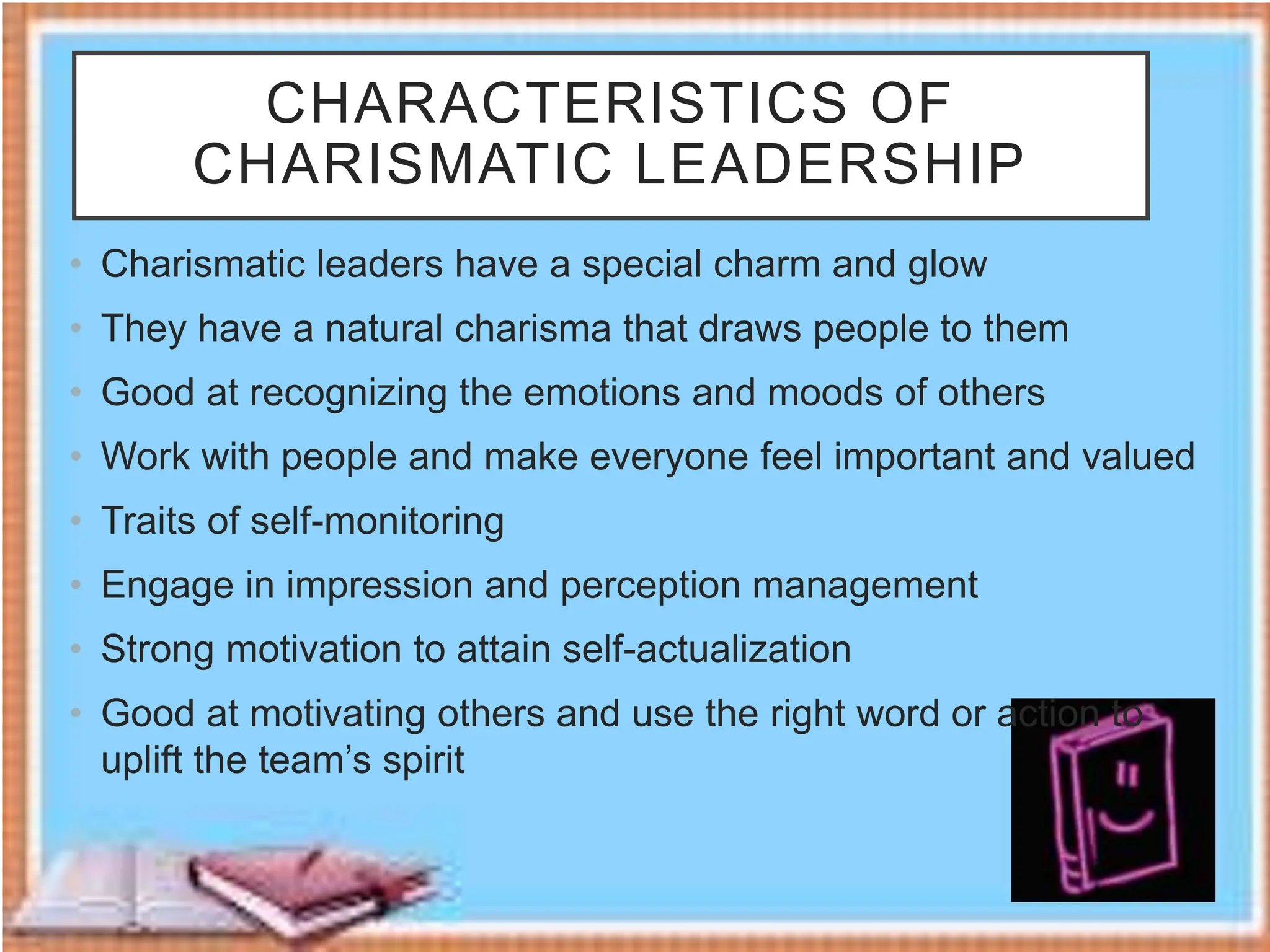
Charismatic leadership is a behavioral style defined by an individual’s ability to influence, inspire, and motivate followers through a compelling vision and interpersonal magnetism. It relies on a combination of effective communication, emotional intelligence, and a strong sense of purpose, enabling leaders to foster deep commitment and drive significant organizational or social change.
The Psychology Behind Charismatic Influence
Charismatic leadership is not merely about personality; it is a relational dynamic between a leader and their followers. At its core, this style is rooted in the leader’s ability to articulate a vision that transcends the status quo. By appealing to the collective identity and values of a group, a charismatic leader transforms routine work into a mission-driven experience.
Psychological research suggests that charisma is often perceived through a dual lens: the leader’s internal confidence and their ability to externalize that confidence through clear, metaphorical communication. Followers often attribute charismatic traits to leaders who demonstrate high levels of "socialized power"—the desire to empower others to achieve a shared goal, rather than using influence for personal dominance. This distinction is critical, as it separates sustainable, constructive leadership from manipulative or narcissistic behavioral patterns.
Essential Behavioral Traits
While charisma is often described as an "intangible" quality, it manifests through specific, observable behaviors. These traits are not static; they can be developed and refined through deliberate practice and heightened self-awareness.
1. Visionary Articulation
A charismatic leader does not simply set goals; they paint a picture of a future state that feels both desirable and attainable. They use storytelling, vivid imagery, and emotive language to make the vision "stick." By connecting the daily tasks of team members to a larger, meaningful outcome, they provide a sense of purpose that sustains effort during periods of difficulty.
2. Emotional Intelligence and Empathy
Beyond high-level persuasion, these leaders possess the ability to read the room. They detect the emotional undercurrents of their audience and adjust their message accordingly. This high degree of empathy ensures that the leader remains grounded. They understand the fears, hopes, and motivations of those they lead, which allows them to offer support that feels personalized rather than scripted.
3. Unwavering Self-Confidence
The presence of a charismatic leader is characterized by a calm, steady belief in the mission. In volatile or uncertain times, this confidence acts as a stabilizing force. It is not an abrasive arrogance, but a quiet, infectious certainty that reassures followers that the path ahead is navigable.
4. Rhetorical Mastery
Communication for the charismatic leader is a precision tool. They utilize cadence, tone, and pause to emphasize key points. They excel at "reframing"—a technique where they take a negative or stagnant situation and present it through a perspective that highlights growth potential and collective strength.
The Dynamics of Charismatic Leadership: Comparison Table
The following table differentiates between common leadership styles to clarify where charismatic influence provides unique value versus where it may require supplementation.
| Feature | Charismatic Leader | Transactional Leader | Transformational Leader |
|---|---|---|---|
| Primary Motivation | Shared vision/Values | Rewards/Punishments | Long-term growth/Change |
| Communication | Emotive/Storytelling | Directive/Explicit | Visionary/Encouraging |
| Follower Focus | Personal loyalty/Purpose | Task completion | Development/Empowerment |
| Stability Level | High in change/Growth | High in routine | Moderate to High |
| Core Risk | Over-reliance on ego | Lack of innovation | Potential burnout |
Prerequisities for Effective Charismatic Leadership
Before attempting to embody these traits, a leader must satisfy certain foundational requirements to ensure their influence is positive and ethical:
- Integrity: Charisma without a moral compass is dangerous. The leader’s actions must align with their stated values to maintain the trust of their followers.
- Active Listening: Charisma is not a monologue. The most effective leaders listen more than they speak, allowing them to gather the intelligence needed to refine their vision.
- Resilience: The vision of a charismatic leader often invites skepticism. The ability to endure setbacks without losing composure is a prerequisite for long-term influence.
- Cognitive Agility: Being able to synthesize complex information into simple, actionable narratives requires a high level of analytical skill hidden beneath the surface of the performance.
Navigating the Risks of Charisma
The shadow side of charismatic leadership involves "hero worship," where the vision of the organization becomes synonymous with the personality of the leader. When this occurs, organizational health becomes vulnerable to the leader's personal failures or departure.
To mitigate this, organizations should pair charismatic individuals with strong operational managers who can institutionalize the vision. This balance ensures that the energy generated by the leader is converted into systems, processes, and a culture that persists independently of the leader’s direct intervention. Furthermore, leaders must actively seek constructive dissent to avoid the "echo chamber" effect, where team members refrain from questioning the leader’s direction due to a blind allegiance.
Frequently Asked Questions
Can anyone learn to be a charismatic leader? Yes, while some individuals naturally possess higher levels of expressiveness, the components of charisma—active listening, visionary communication, and emotional regulation—are skill-based. Through training and feedback, anyone can learn to articulate a vision more effectively and improve their connection with others.
Is charisma the same as being extroverted? No. Charisma is about the ability to influence and connect, whereas extroversion describes a tendency to seek social stimulation. A quiet, introverted person can be deeply charismatic if they possess a compelling vision and the ability to connect with others on a core, values-based level.
What is the difference between charismatic and transformational leadership? While they overlap, transformational leadership is specifically focused on changing an organization and developing followers into leaders themselves. Charismatic leadership is centered on the personality and influence of the leader, which can sometimes lead to dependence rather than individual empowerment.
How does a leader avoid the pitfalls of narcissism? By focusing on "socialized power." A leader should constantly check whether their actions empower the team or if they are designed to glorify the self. Encouraging open debate and sharing credit are essential habits to keep one’s ego in check.
Does charisma work in remote or digital-first environments? It does, but the delivery changes. In 2026, digital charisma is conveyed through the intentionality of communication—using video, written updates, and virtual town halls to convey presence, empathy, and consistency despite the physical distance.
Recommended Next Steps for Development
To cultivate these traits, begin by auditing your current communication style. Are you speaking in terms of "me" or "we"? Start by articulating a clear, six-month goal for your team that emphasizes the "why" behind the tasks. Seek feedback from trusted peers on whether your vision feels inclusive. By focusing on the emotional resonance of your message and backing it with authentic, values-driven actions, you will build the foundation of a sustainable charismatic leadership style.

Image Gallery
Select an image to open it in a new tab.
Mateo Castillo
Decentralized Finance and E-Payments Strategist
