Nuclear Energy in South Africa: Policy, Infrastructure, and Operational Outlook
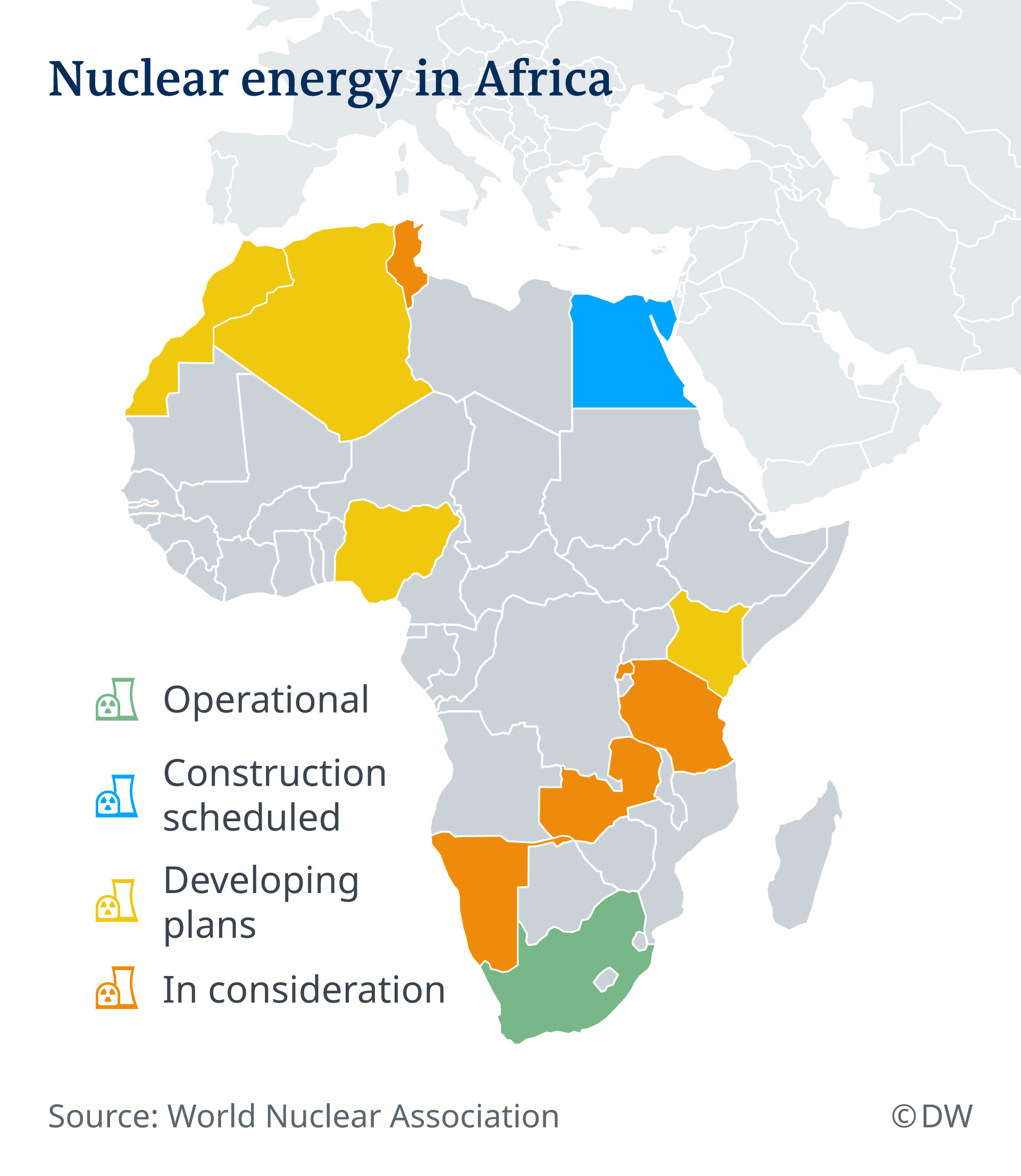
Nuclear energy in South Africa provides essential base-load power through the continent's only commercial nuclear power plant, the Koeberg Nuclear Power Station, which contributes approximately 5% of the national electricity grid and over 50% of the Western Cape's supply. Governed by the National Nuclear Regulator, South Africa's nuclear landscape includes extended operational licenses, plans for new generation capacity, advanced radioisotope production, and dedicated radioactive waste management facilities.
The Current State of Nuclear Energy Generation in South Africa
South Africa occupies a unique position in Africa's energy sector as the only country operating a commercial nuclear power facility. The center of this capability is the Koeberg Nuclear Power Station, located in Duynefontyn, approximately 30 kilometers north of Cape Town on the Atlantic coast. Owned and operated by the state utility Eskom Holdings SOC Ltd, Koeberg consists of two Pressurized Water Reactor (PWR) units engineered by Framatome (now Orano/Framatome).
Each unit has a gross electrical capacity of approximately 970 MWe, yielding a combined net output of roughly 1,840 MWe. Operating on seawater cooling, Koeberg provides high reliability, low variable operational costs, and zero direct greenhouse gas emissions during generation. This makes it a critical anchor for the national transmission grid, which historically suffered from severe capacity shortages, aging coal infrastructure, and rolling blackouts (load shedding).
Beyond commercial power generation, South Africa maintains nuclear scientific infrastructure centered at the South African Nuclear Energy Corporation (Necsa) facility in Pelindaba, near Pretoria. Necsa operates the 20 MW SAFARI-1 (South African Undertaking for Research and Physics Training) pool-type research reactor. SAFARI-1 is an international supplier of medical radioisotopes, specifically Molybdenum-99 ($^{99}\text{Mo}$), distributed globally through Necsa’s commercial subsidiary, NTP Radioisotopes SOC Ltd.
Koeberg Life Extension: The Long-Term Operation (LTO) Project
The original 40-year operational licenses for Koeberg’s reactors—granted in the mid-1980s—were scheduled to expire in 2024 for Unit 1 and 2025 for Unit 2. To preserve baseline generation capacity while new generation assets are constructed, Eskom initiated a multi-billion-rand Long-Term Operation (LTO) refurbishment program aimed at extending the plant’s operational lifespan by an additional 20 years, through to 2044 and 2045 respectively.
- Koeberg Long-Term Operation (LTO)
- Major Refurbishments
- Steam Generator Replacement
- Reactor Pressure Vessel Safety
- Containment Structure Repairs
- Regulatory Licensing
- NNR Safety Case Review
- Aging Management Programs
- License Extended to 2044/2045
- Major Refurbishments
Technical Scope of the Refurbishment
The LTO project represents one of the most complex engineering endeavors undertaken by Eskom in recent decades. The primary technical requirements for the 20-year extension include:
- Steam Generator Replacement (SGR): Replacing the original three steam generators per unit with upgraded units constructed from corrosion-resistant alloys (such as Inconel 690 TT) to mitigate stress corrosion cracking and structural degradation.
- Reactor Pressure Vessel Integrity Verification: Conducting non-destructive examination (NDE) and fracture mechanics testing of the reactor pressure vessel (RPV) steel to confirm resistance to neutron embrittlement over an additional 20 fuel cycles.
- Containment Structure Maintenance: Inspecting and repairing the prestressed concrete containment buildings, including pre-stressing tendon tensioning tests and civil engineering repairs to ensure structural containment integrity under maximum design-basis accident pressures.
- Electrical and I&C Modernization: Upgrading aging instrumentation and control (I&C) systems, emergency diesel generators, power distribution cables, and safety injection systems to conform to contemporary International Atomic Energy Agency (IAEA) safety standards.
Regulatory Approval and Safety Assessments
The independent National Nuclear Regulator (NNR) oversees the safety framework for nuclear extensions in South Africa. The NNR evaluates Eskom’s Safety Case for LTO, requiring proof that aging mechanisms—including thermal fatigue, radiation embrittlement, and stress corrosion—are monitored through proactive Aging Management Programs (AMPs).
Following extensive outages, technical reviews, and peer assessments by the IAEA’s Safety Aspects of Long Term Operation (SALTO) missions, the NNR granted approval for Unit 1 to operate until 2044, subject to ongoing safety compliance, regulatory oversight, and completion of corresponding work on Unit 2.

Nuclear Regulatory and Governance Architecture
South Africa's nuclear policy and safety governance relies on a segregated institutional model intended to maintain regulatory independence, scientific research capability, and utility oversight.
- Department of Electricity & Energy (Policy & Oversight)
- National Nuclear Regulator (NNR)
- Eskom Holdings (Generation)
- Necsa / NTP (R&D & Isotopes)
- NRWDI / Vaalputs Site (Waste Management)
- Department of Electricity and Energy / Department of Mineral Resources and Energy (DMRE): Develops national energy policies, including the Integrated Resource Plan (IRP), which establishes the future power generation mix for South Africa. The department dictates policy mandates regarding new nuclear capacity procurement.
- National Nuclear Regulator (NNR): Established under the National Nuclear Regulator Act (Act No. 47 of 1999), the NNR acts as the independent statutory body safeguarding health, safety, and environmental protection against nuclear damage. It oversees site licenses, operational permits, transport of radioactive materials, and decommissioning standards.
- South African Nuclear Energy Corporation (Necsa): Formed under the Nuclear Energy Act (Act No. 46 of 1999), Necsa operates state nuclear research assets, manages nuclear fuel cycle technologies, promotes application-based nuclear technology, and maintains compliance with non-proliferation treaties.
- National Radioactive Waste Disposal Institute (NRWDI): Mandated by the National Radioactive Waste Disposal Institute Act (Act No. 53 of 2008), the NRWDI manages radioactive waste at the national level, overseeing disposal operations and long-term storage solutions.
Future Nuclear Expansion: The 2,500 MW Program and SMR Deployment
To replace retiring coal-fired power plants, fulfill climate mitigation goals under the Paris Agreement, and provide stable base-load electricity, South Africa's national energy planning incorporates strategic nuclear expansion.
The 2,500 MW Conventional Procurement Program
The Integrated Resource Plan outlines the potential addition of 2,500 MW of new nuclear generation capacity. The government has pursued determinations under Section 3 of the Electricity Regulation Act to initiate formal procurement processes for new nuclear builds.
Key aspects of this expansion plan include:
- Technology Agnostic Bidding: Evaluation of pressurized water reactor technologies from international vendors, including Generation III+ designs such as the AP1000 (Westinghouse), VVER-1200 (Rosatom), Hualong One (CNNC), and APR1400 (KEPCO).
- Phased Procurement Strategy: Procuring capacity in modular increments rather than a single massive contract, preventing capital overruns and aligning build schedules with national treasury fiscal capabilities.
- Financing Structure: Transitioning away from pure balance-sheet financing by Eskom toward Public-Private Partnerships (PPPs), Engineering, Procurement, and Construction (EPC) turnkey contracts, or Build-Own-Operate-Transfer (BOOT) frameworks to minimize public debt exposure.
Small Modular Reactors (SMRs) and Legacy Innovation
South Africa has a rich history in advanced reactor design. Between 1999 and 2010, South Africa led global research into high-temperature gas-cooled reactors through the Pebble Bed Modular Reactor (PBMR) project. Although the original PBMR program was suspended due to budget limits and delayed commercial partnerships, the technical expertise gained continues to inform current nuclear strategy.
The nation's energy strategy incorporates Small Modular Reactors (SMRs) due to their modularity, passive safety features, and lower initial capital outlay. SMRs (typically producing 10 MWe to 300 MWe per module) present distinct advantages for South Africa:
- Grid Flexibility: SMRs can be integrated into remote nodes of the South African national grid where transmission infrastructure cannot support large 1,000 MWe units.
- Repurposing Retired Coal Infrastructure: SMRs can be co-located at retiring coal station sites (such as Komati, Hendrina, or Camden in Mpumalanga), reusing existing balance-of-plant assets, cooling systems, high-voltage transmission lines, and regional labor forces.
- Industrial Process Heat: High-temperature SMR designs can provide high-grade process heat for industrial applications, synthetic fuel production (Sasol Secunda operations), and hydrogen generation.
Radioactive Waste Management Architecture
Radioactive waste in South Africa is categorized into Low-Level Waste (LLW), Intermediate-Level Waste (ILW), and High-Level Waste (HLW). Management strategies strictly separate short-lived industrial waste from spent nuclear fuel.
- South African Nuclear Waste
- Low & Intermediate Level Waste (LLW / ILW)
- Vaalputs Disposal Site (Near-Surface Trenching) (Northern Cape Province)
- High Level Waste (Spent Nuclear Fuel)
- Koeberg On-Site Storage
- Wet Spent Fuel Pools
- HI-STAR Dry Storage Casks
- Koeberg On-Site Storage
- Low & Intermediate Level Waste (LLW / ILW)
Low- and Intermediate-Level Waste: Vaalputs
South Africa disposes of operational LLW and ILW at the Vaalputs Radioactive Waste Disposal Facility, located in the arid Namaqualand region of the Northern Cape, approximately 100 km southeast of Springbok. Operated under strict regulatory licensing by the NRWDI, Vaalputs handles waste generated by Koeberg and Necsa.
- Waste Form: Waste materials (contaminated clothing, operational tools, resin filters, structural components) are compacted, immobilized in concrete or bitumen, and encased in steel drums or concrete containers.
- Disposal Methodology: Vaalputs utilizes near-surface disposal trenches dug into a thick, unsaturated clay layer. Once filled, the trenches are capped with engineered clay soils, providing an impermeable barrier against rain infiltration and preventing environmental migration.
High-Level Waste (HLW): Spent Fuel Management
High-Level Waste consists entirely of irradiated fuel assemblies removed from the Koeberg reactors and the SAFARI-1 research reactor. South Africa currently follows a deferred spent fuel management strategy, storing spent fuel safely on-site while long-term geological disposal plans are evaluated.
- Wet Storage Pools: Immediately after discharge from the reactor vessel, spent fuel assemblies reside in spent fuel pools inside the reactor containment buildings for passive decay and thermal cooling, lasting several years.
- Dry Cask Storage: To accommodate ongoing fuel cycles, Koeberg utilizes dry storage technology. Spent fuel assemblies are transferred from pools into high-integrity dual-purpose storage casks (such as the Holtec HI-STAR 100 system). These concrete and steel casks provide shielding, passive convection cooling, and structural protection, housed in on-site dry storage buildings.
- Deep Geological Repository (DGR) Planning: The NRWDI is tasked with conducting site selection studies for a permanent underground Deep Geological Repository (DGR). This initiative requires characterization of stable geological formations (granitic or deep clay bed deposits) suitable for isolating HLW for tens of thousands of years.
Technical Comparison of South African Nuclear Options
The table below contrasts the main nuclear technology options, current operational assets, and prospective build strategies relevant to South Africa's generation portfolio.
| Technical Parameter | Koeberg Operating PWRs (LTO) | Proposed 2,500 MW Utility Build | High-Temperature Gas-Cooled SMRs |
|---|---|---|---|
| Technology Type | Framatome 3-Loop PWR | Gen III+ PWR (e.g., AP1000 / VVER-1200) | High-Temp Gas Reactor / Pebble Bed |
| Gross Capacity per Unit | 970 MWe | 1,100 MWe to 1,200 MWe | 80 MWe to 200 MWe |
| Primary Coolant / Moderator | Light Water / Light Water | Light Water / Light Water | Helium Gas / Graphite Moderator |
| Fuel Configuration | Enriched $\text{UO}_2$ Assemblies | Enriched $\text{UO}_2$ Assemblies | TRISO Pebble Fuel Elements |
| Primary Site Location | Duynefontyn, Western Cape | Thyspunt (Eastern Cape) / Duynefontyn | Repurposed Coal Sites (Mpumalanga) |
| Primary Grid Role | Coastal Regional Base Load | National Grid Base Load Anchor | Grid Stability & Localized Process Heat |
| Target Operational Life | 60 Years (with LTO extension) | 60 Years | 40 to 60 Years |
| Waste Profile | High-density LLW/ILW + Spent Fuel Casks | High-density LLW/ILW + Spent Fuel Casks | Low-density HLW (TRISO matrix retention) |
Economic, Grid, and Environmental Trade-Offs
South Africa’s nuclear policy debate centers on structural trade-offs across capital intensity, grid balance, and environmental sustainability.
Integration with Renewable Energy and System Reliability
South Africa has expanded utility-scale solar Photovoltaic (PV) and wind power through the Renewable Energy Independent Power Producer Procurement Programme (REIPPPP). However, because solar and wind are variable resources, they require balancing from firm dispatchable power to stabilize grid frequency and voltage levels.
- South Africa Energy Mix
- Variable Renewables (REIPPPP)
- Solar PV & Wind Generation
- High Intermittency
- Requires Grid Stabilization
- Firm Base-Load Generation
- Nuclear Power (Koeberg)
- Continuous Frequency Control
- Zero Direct Carbon Emissions
- Variable Renewables (REIPPPP)
Koeberg acts as a stabilizing anchor for the Southern African Power Pool (SAPP), delivering reliable power independent of weather patterns. Operating high-capacity-factor base load power stations near major consumption centers reduces the transmission losses associated with moving power over thousands of kilometers from the Mpumalanga coalfields to the coastal regions.
Financial Constraints and Capital Costs
The dominant constraint facing new nuclear procurement in South Africa is overnight capital cost and initial project financing. Large-scale Generation III+ reactors require upfront expenditures running into billions of US dollars, accompanied by high debt-servicing costs during prolonged construction periods.
- Fiscal Risk: Given historical cost overruns on large-scale coal mega-projects (such as Medupi and Kusile), the National Treasury has emphasized that any new nuclear energy deployment must not compromise public balance sheets or lead to sovereign debt risks.
- Levelized Cost of Electricity (LCOE): While fully amortized nuclear assets (like Koeberg) offer low operational LCOE, new nuclear builds require high capital amortization rates in their initial operating years. SMRs aim to reduce this financial risk by allowing incremental capacity expansion, where early modules generate revenue to offset the construction costs of subsequent units.
Environmental Safeguards and Carbon Reduction
Under South Africa’s Just Energy Transition Framework, the nation aims to lower carbon emissions from its power sector—traditionally dominated by coal-fired generation—to achieve net-zero targets by 2050. Nuclear energy provides a zero-carbon power source capable of operating at annual capacity factors exceeding 85-90%.
From an environmental safety perspective, Koeberg operates under strict release permits regulated by the NNR. Liquid and gaseous effluent discharges are monitored to ensure radioactive emissions remain significantly below national safety limits and global background radiation standards.
Key Challenges Facing Nuclear Energy Expansion
Despite its strategic value, expanding nuclear energy generation in South Africa faces significant implementation hurdles:
- Procurement Governance and Public Trust: Previous attempts to secure large-scale nuclear agreements faced public skepticism and legal challenges regarding governance, procurement transparency, and anti-corruption safeguards. Establishing a transparent, legally sound procurement framework remains essential to secure institutional financing and public buy-in.
- Eskom’s Operational Restructuring: Eskom's ongoing structural unbundling into separate Generation, Transmission, and Distribution entities changes the financial architecture for off-take agreements. The newly formed National Transmission Company of South Africa (NTCSA) must manage power purchase agreements (PPAs) across public and private developers under a modernized open-access market model.
- Transmission Grid Expansion: Integrating thousands of megawatts of new generation capacity requires major investments in high-voltage transmission lines, substation transformers, and reactive power compensation equipment managed by the NTCSA.
- Specialized Engineering Skills Pipeline: Maintaining and expanding nuclear infrastructure requires certified nuclear engineers, health physicists, quality control inspectors, and licensed reactor operators. Sustaining local workforce training via Necsa, Eskom Academy of Learning, and public research universities is critical to prevent reliance on foreign technical contractors.
Frequently Asked Questions
Why is Koeberg Nuclear Power Station located in the Western Cape?
Koeberg was constructed in the Western Cape to establish regional generation capacity far from the coalfields of Mpumalanga, reducing transmission losses across the country. The location on the Atlantic coast offers an abundant supply of cold seawater for surface condenser cooling, while the stable coastal geology supports robust reactor foundation designs.
How does the National Nuclear Regulator (NNR) ensure safety at Koeberg?
The NNR acts as an independent statutory body enforcing regulations aligned with international standards set by the International Atomic Energy Agency (IAEA). The regulator enforces site operating licenses, conducts independent inspections, reviews safety cases, monitors radiation doses to personnel and the public, and oversees plant modifications, such as the Long-Term Operation (LTO) project.
What is South Africa's strategy for spent nuclear fuel storage?
South Africa uses a two-tier storage strategy for high-level spent fuel. Irradiated fuel is initially cooled in wet spent fuel pools inside reactor containment structures. Once thermally decayed, assemblies are transferred to concrete-and-steel dry storage casks (such as the HI-STAR 100 system) housed in secure dry storage facilities at Koeberg. Long-term disposal plans are managed by the National Radioactive Waste Disposal Institute (NRWDI), which is evaluating sites for a permanent deep geological repository.
What is the current status of Small Modular Reactors (SMRs) in South Africa?
South Africa is incorporating SMRs into its long-term energy planning as modular additions to traditional energy builds. Leveraging lessons learned from the legacy Pebble Bed Modular Reactor (PBMR) program, Necsa and private developers are evaluating high-temperature gas-cooled and light-water SMR designs. These reactors offer deployment flexibility, lower initial capital requirements, and potential co-location at retiring coal-fired power stations.
Where is low-level radioactive waste disposed of in South Africa?
Low- and Intermediate-Level Waste (LLW/ILW)—consisting of operational tools, protective clothing, water treatment resins, and medical isotope waste—is transported to the Vaalputs Radioactive Waste Disposal Facility in the Northern Cape. Managed by the NRWDI, Vaalputs uses engineered near-surface clay trenches to isolate waste safely from the surrounding environment.
Strategic Recommendations and Next Steps
For energy planners, industrial consumers, and power sector participants navigating South Africa's energy transition, the strategic trajectory of nuclear power requires a structured approach:
- Monitor NNR Licensing Milestones: Track regulatory directives issued by the NNR regarding Koeberg Unit 2’s LTO conditions to accurately model regional grid stability and Western Cape supply projections over the coming decades.
- Assess Modular Procurement Models: Energy developers and heavy industrial off-takers should monitor ministerial determinations under the Integrated Resource Plan. Evaluating flexible off-take agreements for Small Modular Reactors (SMRs) can offer dedicated, low-carbon industrial heat and base-load power.
- Align Infrastructure Development: Supply chain vendors, engineering contractors, and educational institutions should align skill-building and quality assurance certifications (such as ISO 19443 for nuclear supply chains) with upcoming tender requirements under the 2,500 MW new nuclear procurement framework.
Image Gallery
Select an image to open it in a new tab.


Celine Dubois
Contemporary Living and Global Arts Columnist
