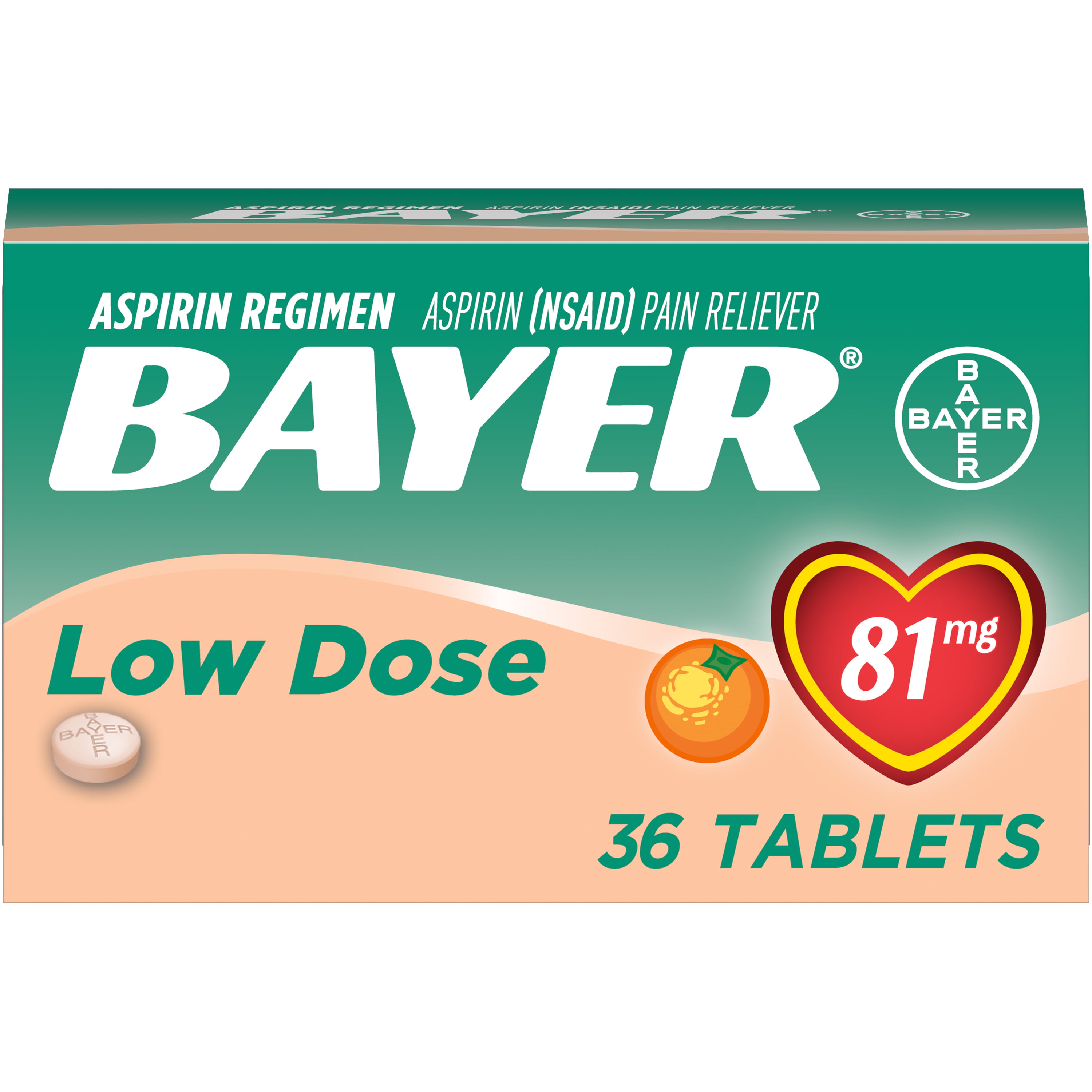
Bayer Aspirin, a brand name for acetylsalicylic acid (ASA), is a widely used nonsteroidal anti-inflammatory drug (NSAID) taken for pain relief, fever reduction, and cardiovascular protection. While effective, it carries potential side effects ranging from mild gastrointestinal discomfort to serious risks like internal bleeding or allergic reactions, necessitating careful usage and consultation with healthcare providers.
The Mechanism and Usage of Bayer Aspirin
Bayer Aspirin belongs to the salicylate family. Its primary therapeutic action involves the inhibition of cyclooxygenase (COX) enzymes, which in turn reduces the production of prostaglandins—chemicals in the body that signal pain and inflammation. Additionally, aspirin serves as an antiplatelet agent, meaning it prevents blood cells from clumping together to form clots. This dual action is why it is often recommended for both daily pain management and as a preventative measure against myocardial infarction (heart attack) and ischemic stroke.
However, the very mechanisms that make aspirin effective—namely, the suppression of prostaglandins and the thinning of the blood—are the same processes that contribute to its side effect profile. Prostaglandins are not only pain mediators; they also serve a protective function by maintaining the mucosal lining of the stomach. When these are suppressed, the stomach lining becomes more vulnerable to acid, increasing the risk of irritation and ulceration.
Common Gastrointestinal Side Effects
The most frequently reported side effects of Bayer Aspirin are gastrointestinal in nature. Because aspirin is acidic and inhibits the protective prostaglandins in the gastric mucosa, many users experience symptoms such as:
- Dyspepsia: Commonly referred to as indigestion, this often manifests as a burning sensation or discomfort in the upper abdomen.
- Nausea and Vomiting: Some users may feel sick or experience episodes of emesis, particularly if the medication is taken on an empty stomach.
- Abdominal Pain: General stomach aches or cramping can occur as the digestive tract reacts to the irritation.
To mitigate these effects, medical guidelines often suggest taking aspirin with food or a full glass of water. Enteric-coated formulations, such as those often found in the Bayer Aspirin line, are specifically designed to pass through the stomach and dissolve in the small intestine, theoretically reducing direct irritation to the gastric lining. However, even with enteric coating, systemic effects—those occurring because the drug is in the bloodstream—can still manifest as stomach issues.
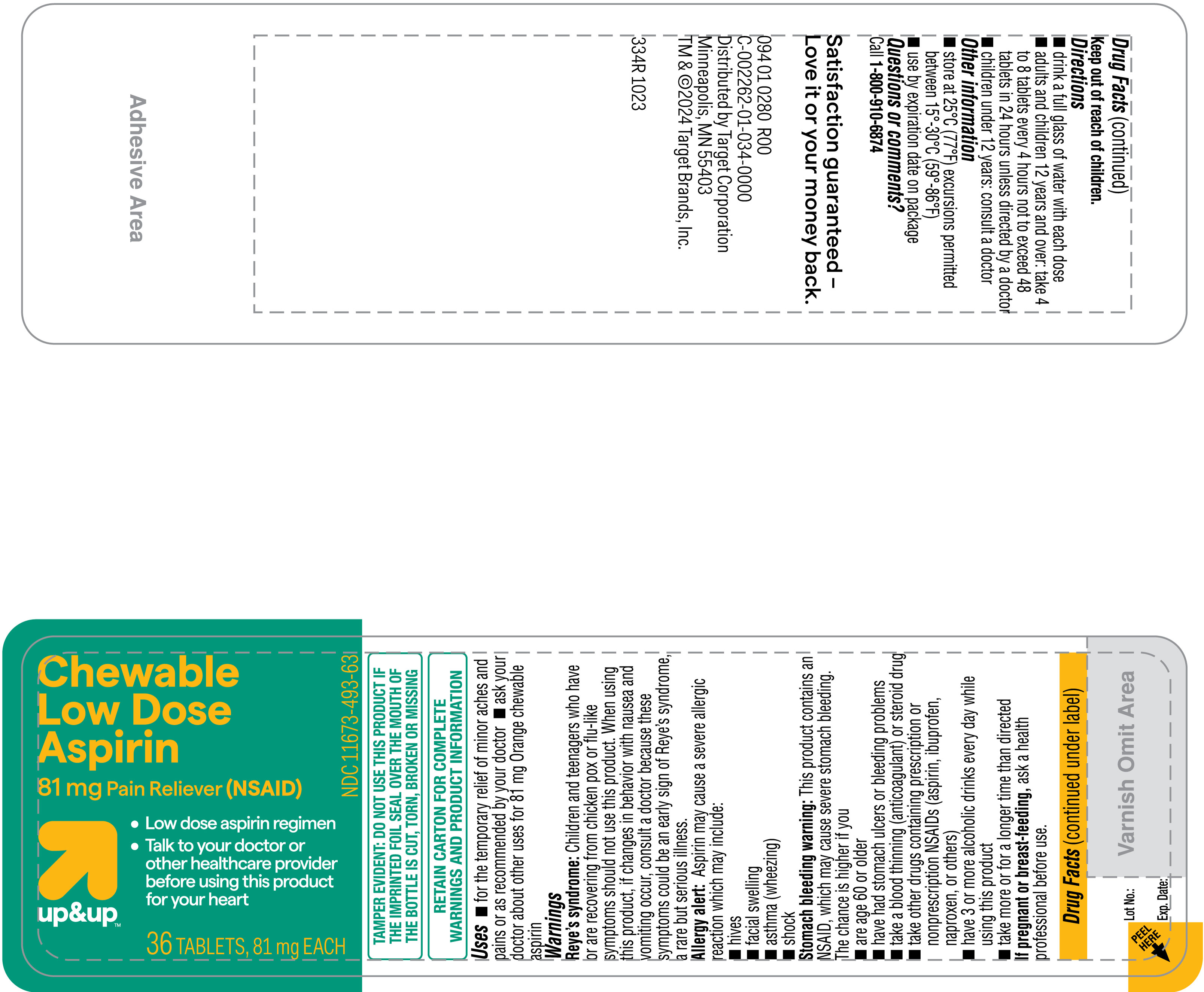
Serious Risks and Adverse Reactions
Beyond localized irritation, the antiplatelet properties of Bayer Aspirin introduce more systemic risks that require vigilance. Because the drug inhibits platelet aggregation, the blood's natural ability to clot is impaired. This elevates the risk of both minor and major bleeding events.
The Risk of Hemorrhage
The most concerning side effect is the potential for gastrointestinal bleeding. Signs of this can be subtle. Patients should watch for:
- Stools that appear black or tarry: This is often an indicator of upper gastrointestinal bleeding where blood has been partially digested.
- Bright red blood in the stool: This typically indicates bleeding in the lower intestinal tract.
- Coffee-ground emesis: Vomit that resembles coffee grounds suggests bleeding in the stomach.
In addition to GI bleeding, prolonged use can increase the risk of bruising more easily, nosebleeds, or prolonged bleeding from minor cuts. If a user experiences any of these symptoms, or if a minor injury results in bleeding that does not stop within a reasonable timeframe, medical attention is required immediately.
Hypersensitivity and Allergic Reactions
A small segment of the population experiences salicylate sensitivity or true allergies to aspirin. Symptoms of an allergic reaction include:
- Hives or Skin Rashes: Sudden outbreaks of itchy welts on the skin.
- Angioedema: Swelling, particularly around the face, lips, or tongue.
- Bronchospasm: Difficulty breathing or wheezing, which is particularly concerning for individuals with pre-existing asthma.
Individuals with "aspirin-exacerbated respiratory disease" (AERD) must avoid aspirin entirely, as it can trigger severe, life-threatening asthma attacks. Always disclose an aspirin allergy to healthcare providers before any medical procedure or prescription.
Comparative Safety and Risk Table
Understanding the risks relative to dosage is essential for safe use. The following table provides a reference for typical side effect thresholds.
| Risk Category | Low Dose (81mg) | High Dose (325mg+) |
|---|---|---|
| Gastrointestinal Irritation | Low but present | Moderate to High |
| Bleeding Risk | Elevated | Significantly Increased |
| Tinnitus (Ringing in ears) | Rarely observed | Potential at sustained high doses |
| Kidney Strain | Minimal for most | Risk for those with pre-existing disease |
Note: This table is for general information and does not replace medical advice. Individual sensitivity varies based on age, genetics, and concurrent medications.
Factors That Increase Side Effect Severity
Several external variables can amplify the side effects of Bayer Aspirin, making it imperative to review your full medical profile with a professional.
Interaction with Other Medications
Aspirin interacts negatively with several classes of drugs. Anticoagulants (like warfarin or apixaban) or other antiplatelet drugs (like clopidogrel) taken alongside aspirin drastically increase the risk of severe hemorrhage. Furthermore, mixing aspirin with other NSAIDs (such as ibuprofen or naproxen) is generally discouraged, as it exacerbates the risk of gastrointestinal toxicity without necessarily improving pain relief.
Alcohol Consumption
Consuming alcohol while taking aspirin is a known risk factor for gastric erosion. Alcohol acts as an irritant to the stomach lining, and when combined with the protective prostaglandin inhibition caused by aspirin, the risk of developing ulcers or gastrointestinal bleeding increases significantly.
Age and Underlying Conditions
The elderly are particularly susceptible to the side effects of aspirin. As the body ages, the stomach lining naturally becomes thinner, and kidney function—which is responsible for clearing the remnants of medications—can decline. Those with a history of stomach ulcers, clotting disorders, or hypertension should have a strict discussion with their doctor regarding the "net benefit" of daily aspirin use.
The Role of Tinnitus as a Warning Sign
One specific, often overlooked side effect of high-dose aspirin use is tinnitus, a condition characterized by ringing, buzzing, or clicking in the ears. In the context of salicylate therapy, tinnitus is often a clinical indicator of "salicylism," or mild aspirin toxicity. If a user taking high-dose aspirin experiences persistent ringing in the ears, it is often a sign to reduce the dosage or discontinue the medication, as it suggests the concentration of the drug in the body has reached a threshold that may lead to more severe neurological or metabolic issues.
Managing Risks and Making Informed Decisions
For the majority of the public, Bayer Aspirin is a safe over-the-counter medication when used strictly according to the labeling on the packaging. To minimize side effects, follow these practical steps:
- Start Low: If using for cardiovascular health, strictly follow the physician-prescribed dosage, which is often 81mg (low dose).
- Take with Sustenance: Always consume the tablet with a full glass of water and, if possible, a meal to provide a buffer for the stomach.
- Monitor Your Body: Be observant of changes in stool color, bruising patterns, or unusual sensitivity to minor injuries.
- Verify Necessity: Never start a regimen of daily aspirin without a clear medical reason. The risks of long-term use must always be weighed against the benefits in a clinical setting.
If you are currently taking aspirin and are worried about side effects, do not stop your regimen abruptly without consulting your doctor, especially if you are taking it for cardiovascular protection. Sudden cessation can sometimes cause a "rebound" effect, particularly in those with a history of clotting issues.
Frequently Asked Questions
Can I take Bayer Aspirin if I have a history of stomach ulcers?
Individuals with an active or recent history of stomach ulcers are generally advised against using aspirin. Because aspirin inhibits the body’s ability to repair the stomach lining, it can prevent an existing ulcer from healing or cause a dormant ulcer to bleed. Consult a gastroenterologist to determine if an alternative, such as acetaminophen, is safer for your specific case.
Does the enteric coating fully prevent stomach side effects?
No. While the enteric coating protects the stomach by delaying the release of the medication until it reaches the small intestine, aspirin exerts a systemic effect on the body. Once the drug is absorbed into the bloodstream, it continues to inhibit platelet activity and prostaglandin synthesis throughout the body, including in the stomach. The coating helps, but it does not eliminate the systemic risk of GI side effects.
How soon should I stop taking aspirin before a surgery?
Most surgeons require patients to stop taking aspirin between 7 and 10 days before a surgical procedure to allow the body to replenish enough healthy, functional platelets to ensure proper blood clotting. Always provide your surgical team with an accurate list of all medications, including over-the-counter aspirin, to avoid bleeding complications during and after your operation.
Is it safe to give aspirin to children with a fever?
No. Aspirin should never be given to children or teenagers recovering from viral infections like chickenpox or influenza. There is a verified, though rare, link between aspirin use in children and Reye’s syndrome, a serious condition that causes swelling in the liver and brain. Always choose age-appropriate alternatives for children under the guidance of a pediatrician.
What should I do if I suspect an aspirin overdose?
Aspirin overdose is a medical emergency. Symptoms include rapid breathing, confusion, extreme lethargy, or vomiting. If you suspect an overdose, contact emergency services or a local poison control center immediately. Do not wait for symptoms to worsen, as early intervention is critical in preventing systemic toxicity.
Final Recommendation
When utilizing Bayer Aspirin, treat it with the respect due to any potent pharmaceutical agent. For acute pain, use the lowest effective dose for the shortest duration necessary. If you are considering or are currently on a daily aspirin regimen for long-term health maintenance, ensure this is verified by your primary care provider through blood work and a review of your cardiovascular history. By acknowledging the risks and adhering to professional medical guidance, you can effectively manage common ailments while maintaining your safety.
Image Gallery
Select an image to open it in a new tab.




Declan O'Connor
Higher Education and Campus Culture Reporter
