Understanding Life Insurance Investment Bonds: A Comprehensive Guide
A life insurance investment bond is a single-premium life insurance policy that serves primarily as a medium-to-long-term investment vehicle. It allows investors to allocate a lump sum into a range of underlying assets, such as funds, equities, or fixed-interest securities, while providing a small element of life cover, typically 101% of the fund value, to ensure favorable tax treatment within specific jurisdictions.
Defining the Investment Bond
An investment bond—often referred to as a life insurance bond or a single-premium bond—is a hybrid financial product. Despite the "life insurance" terminology, it is not designed for protection against the loss of life in the way a traditional term life policy is. Instead, it acts as a tax-efficient wrapper for capital growth. When you purchase a bond, you pay a lump sum to an insurance company, which then invests that capital across a selection of funds chosen by the policyholder.
The structure is legally defined as a life insurance policy, which is the primary driver behind its unique tax characteristics. Because the insurance company holds the assets on your behalf, the tax reporting and internal growth calculations are managed differently than if you were to hold the investments directly in a personal brokerage account.
How Investment Bonds Function
The mechanics of a bond are relatively straightforward, focusing on the accumulation of capital over a medium-to-long-term horizon, usually recommended as five years or more.
1. The Initial Investment
Investors place a lump sum into the bond. Most providers have a minimum entry threshold, which varies significantly depending on the provider and the complexity of the underlying investment options available. Once the money is placed, the insurance company acts as the custodian of the assets.
2. Fund Selection and Management
The policyholder selects from a menu of "internal" funds. These funds may be managed by the insurer’s own investment team or consist of external sub-funds managed by third-party asset managers. You can switch between these funds—sometimes for free or for a nominal administration fee—without triggering immediate tax events, which is a major advantage over selling individual shares or mutual funds in a taxable brokerage account.
3. The Life Cover Component
To meet the legal definition of a life insurance contract, these bonds include a minor life cover component. If the life assured passes away while the bond is active, the insurer pays out the current value of the fund plus a small percentage (often 1%). This ensures the product maintains its status as an insurance contract, which is essential for the associated tax benefits in many tax jurisdictions.

Core Benefits and Features
Investors typically look toward life insurance investment bonds for three primary reasons: tax-deferred growth, ease of management, and estate planning flexibility.
Tax-Deferred Growth
One of the primary appeals of the investment bond is the ability to defer tax. As the assets grow within the wrapper, you are generally not taxed on dividends or interest accumulated until you make a withdrawal. This allows for the compounding of returns without the "tax drag" that occurs in non-wrapped accounts, where annual interest or dividends might be subject to immediate taxation.
Simplified Administration
For investors who do not want to manage a complex portfolio of individual stocks or bonds, the investment bond offers a "one-stop" solution. All reporting, tax accounting for the insurance company, and fund switching occur within one platform. This simplifies the year-end tax reporting process for the investor, as the insurer provides consolidated statements.
Top-Slicing and Withdrawals
In many jurisdictions, holders of investment bonds can withdraw up to 5% of their original investment annually without an immediate tax charge. This 5% can be accumulated if not used in a specific year, allowing for flexible income generation. This feature is particularly attractive for retirees or those looking for a predictable tax-efficient income stream.
Comparison of Investment Vehicles
It is essential to understand how investment bonds compare to other common investment structures. The following table illustrates the typical differences found in many financial markets.
| Feature | Life Insurance Investment Bond | Individual Brokerage Account | Mutual Fund/ETF Portfolio |
|---|---|---|---|
| Tax Treatment | Deferred until withdrawal | Taxed as realized (CGT/Income) | Taxed as realized (CGT/Income) |
| Reporting | Simplified (Insurer handles) | Complex (Individual responsibility) | Complex (Individual responsibility) |
| Flexibility | Moderate (Early exit penalties) | High (Liquidity at any time) | High (Liquidity at any time) |
| Inheritance | Often efficient (Insurance payout) | May be subject to probate/tax | May be subject to probate/tax |
| Cost | Annual management charges | Transaction/Trading fees | Fund management fees |
Potential Risks and Limitations
While investment bonds offer distinct advantages, they are not suitable for every investor. Understanding the risks is crucial for long-term financial health.
Liquidity Constraints and Surrender Penalties
Investment bonds are designed for the long term. If you need to access your capital unexpectedly, you may face surrender penalties, particularly in the first few years of the policy. These "early encashment" charges can significantly erode the value of your investment, effectively neutralizing the growth you aimed to achieve.
Annual Management Charges (AMC)
Because insurance companies incur costs for administering these products and providing the life cover component, the annual management charges can be higher than those of a low-cost, self-directed brokerage account. Over time, these fees can compound, potentially lowering the net return compared to a passively managed portfolio of low-cost index funds.
Regulatory and Jurisdictional Risk
Tax laws change. The tax benefits currently enjoyed by investment bonds are subject to the legislative environment of the country in which the policy is issued and where the policyholder resides. Investors must be aware that changes in tax law could affect the net efficiency of the bond. Always consult with a qualified tax advisor who understands the specific cross-border or local implications of your situation.
Strategic Considerations for 2026
As of 2026, the financial landscape continues to emphasize transparency and fee clarity. When evaluating an investment bond today, pay close attention to the following:
- Total Expense Ratio (TER): Don't just look at the insurer’s annual fee; aggregate this with the underlying fund fees. A bond that appears low-cost may hide significant expenses within the sub-funds.
- Platform Portability: Verify if you can transfer the bond to a different provider if you become dissatisfied with the service or performance, although this is often restricted by the product’s design.
- Estate Planning Intent: Many investors use these bonds to assign ownership to trusts or beneficiaries. Ensure the legal documentation is robust and that your chosen insurer supports the type of trust or beneficiary designation you require for your estate plan.
Frequently Asked Questions
What happens if I want to withdraw more than the 5% allowance?
If you withdraw more than the cumulative 5% tax-deferred allowance, the excess may be treated as a "chargeable event." This can trigger an income tax liability depending on your personal marginal tax rate. It is vital to calculate these withdrawals carefully to avoid unexpected tax bills.
Can I add more money to an existing bond?
This depends on the specific product. Many investment bonds are "single-premium," meaning you pay in once. However, some providers offer "increment" options or "regular premium" versions of the bond. Always check the original policy documents to determine if future contributions are permitted.
Is my money protected if the insurance company goes bankrupt?
In most regulated financial markets, insurance companies are required to hold significant capital reserves. Additionally, many jurisdictions maintain policyholder protection schemes that provide a degree of safety if an insurer fails. However, the value of the underlying investments is still subject to market performance, which is not guaranteed.
Can I hold these bonds in a tax-advantaged account like an IRA or ISA?
Generally, no. Life insurance investment bonds are usually considered "standalone" wrappers. They do not sit inside other tax-advantaged accounts. In fact, attempting to combine them with other tax-advantaged vehicles may lead to adverse tax consequences due to "double-dipping" or regulatory non-compliance.
Are these bonds suitable for short-term savings?
No. Due to the initial setup costs, ongoing administration fees, and potential surrender charges, investment bonds are rarely appropriate for short-term goals (under five years). High-yield savings accounts or money market funds are typically more suitable for short-term capital preservation.
Next Actions and Recommendations
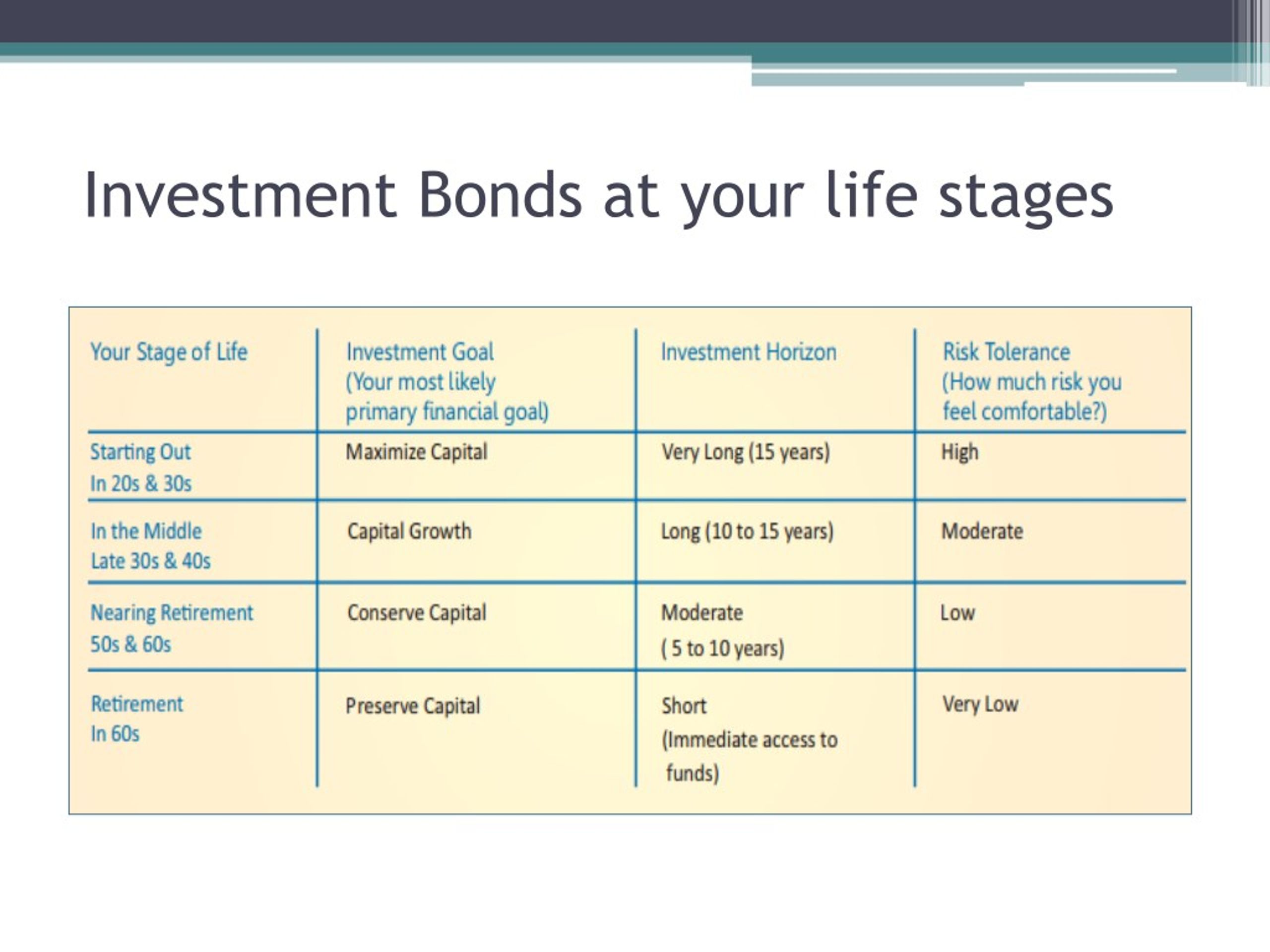
If you are considering a life insurance investment bond, your next step should be a thorough assessment of your financial goals.
- Review Your Investment Horizon: Confirm that you do not require access to this capital for at least five to ten years.
- Analyze Tax Position: Consult with a tax professional to determine if the tax-deferral benefits of a bond outweigh the costs compared to your other available investment options.
- Compare Providers: Obtain "Key Information Documents" (KIDs) from multiple providers to compare fee structures, fund performance, and the financial strength of the insurer.
- Professional Guidance: Financial advice in this area is paramount. A regulated financial advisor can model your potential tax liability and confirm if the bond structure aligns with your broader retirement or estate planning strategies.
Investment bonds remain a sophisticated tool for specific financial needs, particularly regarding tax management and inheritance planning. By focusing on low-cost options and ensuring the long-term commitment is feasible for your lifestyle, you can leverage these products to enhance your financial portfolio.
Image Gallery
Select an image to open it in a new tab.



Mateo Castillo
Decentralized Finance and E-Payments Strategist
