
Determining if a sausage is fully cooked requires moving beyond visual cues like casing color or juices, as these can be deceptive. The only reliable method to confirm safety is reaching an internal temperature of 160°F (71.1°C) using a calibrated digital food thermometer. This approach ensures the elimination of harmful bacteria such as Salmonella and E. coli while maintaining the product's texture and moisture.
The Importance of Precision in Cooking Sausage
When preparing sausage, the margin for error between a juicy, flavorful link and a dry, overcooked one is often small. However, the most significant risk is not culinary disappointment but foodborne illness. Sausages are typically made from ground meat—usually pork, beef, poultry, or a combination—which creates a larger surface area where bacteria can thrive during processing. Unlike a solid steak, where pathogens are primarily on the surface and easily destroyed by searing, the grinding process distributes potential contaminants throughout the entire sausage.
Relying on color alone is a dangerous practice. Factors such as the presence of nitrites, the type of spice blend, the smokehouse process, or even the temperature of the refrigerator can influence the internal color of a cooked sausage. A sausage might appear grey or brown while still being under-cooked, or it may retain a pinkish hue even after reaching a safe temperature, particularly if it contains curing agents or has been smoked. Consequently, internal temperature is the only standardized metric for safety recognized by food safety authorities.
The Standard: Reaching 160°F (71.1°C)
According to the United States Department of Agriculture (USDA), all ground meat, including pork sausages, must reach an internal temperature of at least 160°F (71.1°C) to be considered safe for consumption. For sausages made primarily with poultry, such as chicken or turkey, the recommended temperature increases to 165°F (73.9°C).
This temperature threshold is designed to achieve a "log reduction" in pathogens, effectively killing them to a level that is considered safe for the general population. It is vital to understand that this is not a measurement of "doneness" in the sense of steak preferences (rare, medium, well-done); it is a binary safety standard. You are either at the temperature required to kill pathogens, or you are at risk of foodborne illness.
How to Correctly Measure Internal Temperature
Using a thermometer properly is a skill that significantly impacts the reliability of your reading. Many home cooks make the mistake of measuring the surface temperature or the temperature of the casing, which will always be higher than the core of the meat.
The Insertion Technique
- Choose the right tool: Use a digital instant-read thermometer with a thin probe. This allows you to measure the temperature quickly without losing too much heat from the cooking environment.
- Target the center: Insert the probe into the thickest part of the sausage. If you are cooking a link, insert the thermometer into the end or the side, ensuring the tip is located in the geometric center of the meat.
- Avoid the grate: Ensure the probe tip does not touch the grill grates or the pan surface, as this will result in a false high reading.
- Wait for stability: Allow the digital display to stabilize. This usually takes between 3 to 5 seconds with a high-quality thermometer.
Troubleshooting Thermometer Issues
If your thermometer is not reading accurately, it may need calibration. The "ice water test" is the industry standard for verifying accuracy. Fill a glass with ice and top it off with cold water. Insert the probe into the center of the glass (avoiding contact with the sides). The thermometer should read 32°F (0°C). If it deviates significantly, consult the manufacturer's manual for calibration instructions or replace the unit.
Comparison of Sausage Cooking Methods and Indicators
Different cooking methods present unique challenges for determining readiness. The table below outlines how various cooking styles interact with the safety verification process.
| Cooking Method | Visual Clues (Unreliable) | Temperature Check Strategy | Common Risk |
|---|---|---|---|
| Grilling | Char marks on the casing | Check the thickest link near the center | Uneven heating/flare-ups |
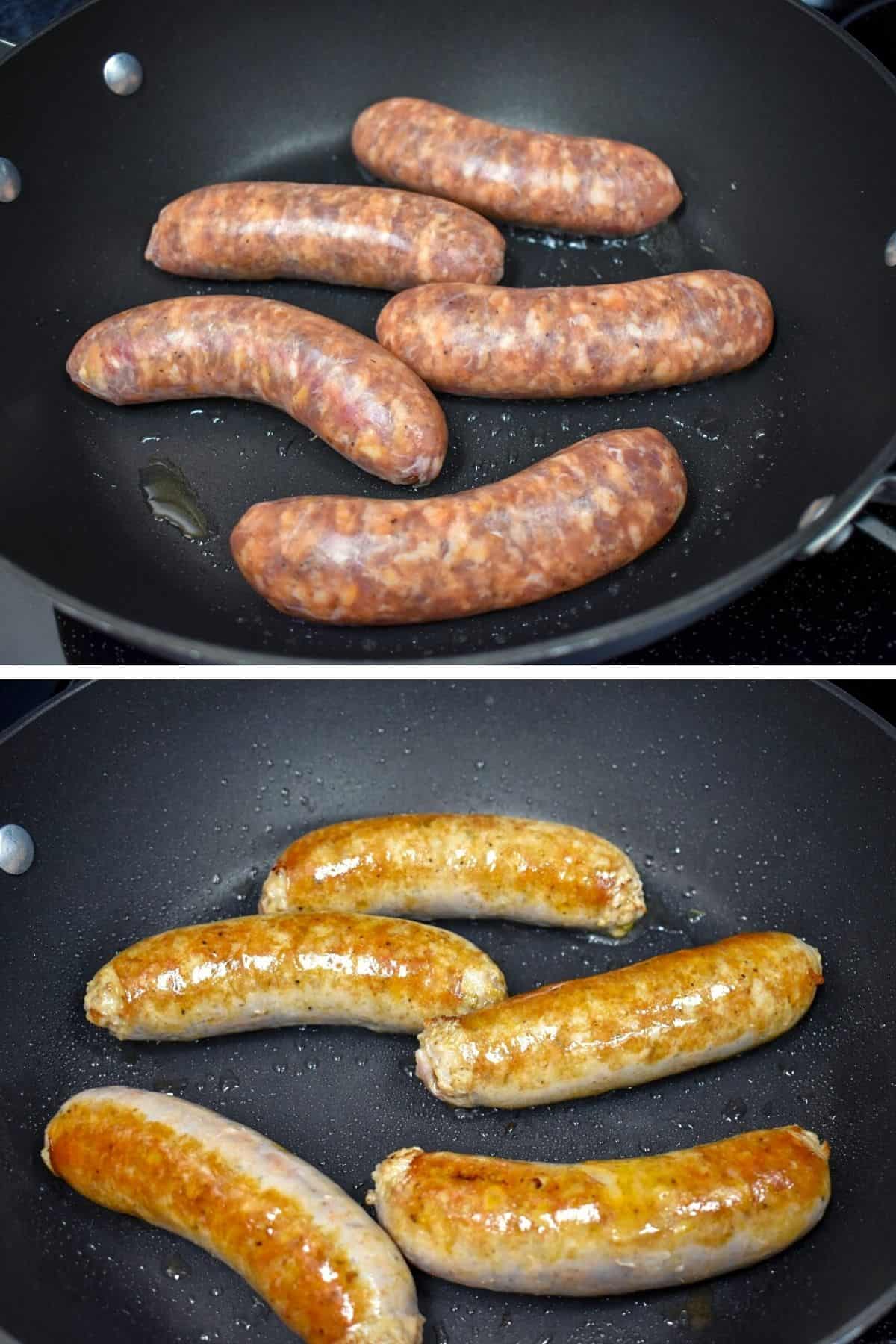
| Pan-Frying | Browning/Maillard reaction | Test each link as thickness varies | Burning the outside, raw inside |
| Baking/Roasting | Firmness of the casing | Check middle-rack sausages | Drying out the meat |
| Boiling/Simmering | Change in exterior color | Remove from water to test | Overcooking by prolonged heat |
Why Visual and Sensory Cues Fail
Many traditional culinary guides suggest checking for "clear juices" or "firmness." While these can be helpful secondary indicators, they are not scientific.
- Clear Juices: Some sausages contain high fat or moisture content that may run clear long before the internal temperature hits 160°F. Conversely, sausages with certain ingredients may continue to release juices that are slightly opaque even when fully cooked.
- Firmness: Experienced chefs often judge doneness by the "spring back" of the meat when pressed. While this works for professionals who handle thousands of sausages, it is highly subjective. A sausage can feel firm to the touch while the center remains below the temperature required to destroy bacteria.
- Casing Split: While a split casing often indicates the sausage is hot, it is not a correlation to internal safety. A sausage can split due to excessive heat on the exterior while the center remains undercooked, especially if cooked too quickly over high flame.
Common Mistakes to Avoid
- Overcrowding the Pan: When you put too many sausages in a pan, you reduce the ambient heat, causing the sausages to steam rather than sear. This leads to longer cooking times and inconsistent heat distribution, making it difficult to reach the correct temperature without burning the casing.
- Ignoring Carry-over Cooking: Large sausages, such as bratwurst or Italian-style links, will continue to rise in temperature after being removed from the heat source. While this is beneficial for a steak, you should still ensure the initial reading hits the 160°F mark.
- Using Fork Piercing: While some recommend poking the sausage to check for doneness, doing this early in the cooking process allows all the flavorful fat and juices to leak out. If you must use a thermometer, limit the number of punctures, or use a "thermometer-only" approach once you estimate the cooking time is nearing completion.
- Frozen to Grilling: Starting with frozen sausage is a common pitfall. The exterior will often burn before the core reaches a safe temperature. Always thaw sausages in the refrigerator before cooking to ensure even heat penetration.
Next Actions and Expert Tips
To achieve the best results, consider a two-stage cooking process. Start by simmering the sausages in water or beer on the stove until they reach an internal temperature of about 140°F (60°C). This ensures the core is heated through evenly. Then, transfer the sausages to a grill or a hot pan for a few minutes to achieve a desirable crust and color. This method minimizes the risk of undercooked centers while maximizing the textural benefits of searing.
If you find that your sausages are consistently drying out before hitting the target temperature, reduce the heat source intensity. Cooking sausage is a balance of heat transfer; lower, more consistent heat allows the interior temperature to rise without scorching the delicate casing.
Always wash your hands and any surfaces that came into contact with raw sausage thoroughly with hot, soapy water. Pathogens like Salmonella can easily cross-contaminate kitchen tools, cutting boards, and sponges, regardless of how well the final product is cooked. By following these steps and relying on a digital thermometer, you ensure that every meal you prepare is both delicious and safe.
Frequently Asked Questions
Can I tell if a sausage is cooked by the color of its juice?
No. Juices running clear is an unreliable indicator of food safety. Bacteria are killed by heat, not by the appearance of the juices. Only a digital thermometer can confirm that the internal temperature has reached the required 160°F (71.1°C) to neutralize pathogens.
Does a pink center always mean the sausage is raw?
Not necessarily. While a pink center in a fresh pork sausage often indicates it is undercooked, it can also be the result of a curing process (if nitrates are used) or the smokehouse method. If you are unsure about the manufacturing process of your sausage, always rely on the thermometer reading rather than color.
Is it safe to eat partially cooked sausage if I sear it later?
It is not recommended to "par-cook" sausages and finish them later unless you have a strict plan to keep them out of the "Danger Zone" (40°F to 140°F). Bacteria grow rapidly in this temperature range. If you intend to cook them in two stages, ensure the time spent in the danger zone is minimized and the sausages are refrigerated immediately after the first phase.
Why do some sausages reach 160°F but still feel tough?
If your sausage is dry or tough, it is likely due to the cooking method rather than the safety check. High-heat cooking causes the proteins to tighten and squeeze out moisture. Try using a lower, more consistent temperature and turning the links frequently to ensure even cooking without overheating the exterior.
How often should I calibrate my digital thermometer?
For a home kitchen, performing an ice water test every few months or whenever you suspect the thermometer has been dropped is sufficient. If you use the device daily, consider testing it once a month to ensure continued accuracy.
Image Gallery
Select an image to open it in a new tab.


Simon Caldwell
Enterprise Technology and Systems Editor
