
To ensure food safety and optimal texture, all poultry must reach a minimum internal temperature of 165°F (73.9°C). This temperature, verified by a calibrated food thermometer, is the threshold at which harmful pathogens like Salmonella and Campylobacter are destroyed instantly, providing a reliable safeguard against foodborne illness in various types of domestic fowl.
The Critical Science of Pathogen Lethality
Understanding the internal temperature in poultry begins with microbiology. Poultry is naturally susceptible to bacterial contamination during processing, primarily from Salmonella and Campylobacter. Unlike beef, where contamination is often localized to the surface, the structure of poultry muscle and the processing methods used mean that bacteria can be present throughout the meat. Consequently, "searing" the outside is insufficient; the heat must penetrate to the core of the thickest part.
As of 2026, the United States Department of Agriculture (USDA) and the Food Safety and Inspection Service (FSIS) maintain that 165°F is the "instant-kill" temperature. In scientific terms, this is the point where a 7-log10 reduction in Salmonella is achieved nearly instantaneously. While it is possible to achieve safety at lower temperatures (such as 150°F) by holding that temperature for a specific duration (approximately 2.7 to 3 minutes), the 165°F standard is recommended for home cooks and commercial kitchens alike because it eliminates the margin for error regarding time-at-temperature calculations.
The risk of undercooking poultry is significant. Pathogenic bacteria thrive in the "Danger Zone," defined as the temperature range between 40°F and 140°F (4.4°C to 60°C). In this range, bacteria can double in number in as little as 20 minutes. Reaching an internal temperature of 165°F ensures that the meat has moved through this danger zone efficiently and reached a state of biological safety.
Variations in Internal Temperature Requirements by Poultry Type
While the 165°F rule is the universal safety baseline, different types of poultry and different cuts of meat within the same bird often require nuanced temperature management to achieve the best culinary results.
White Meat vs. Dark Meat
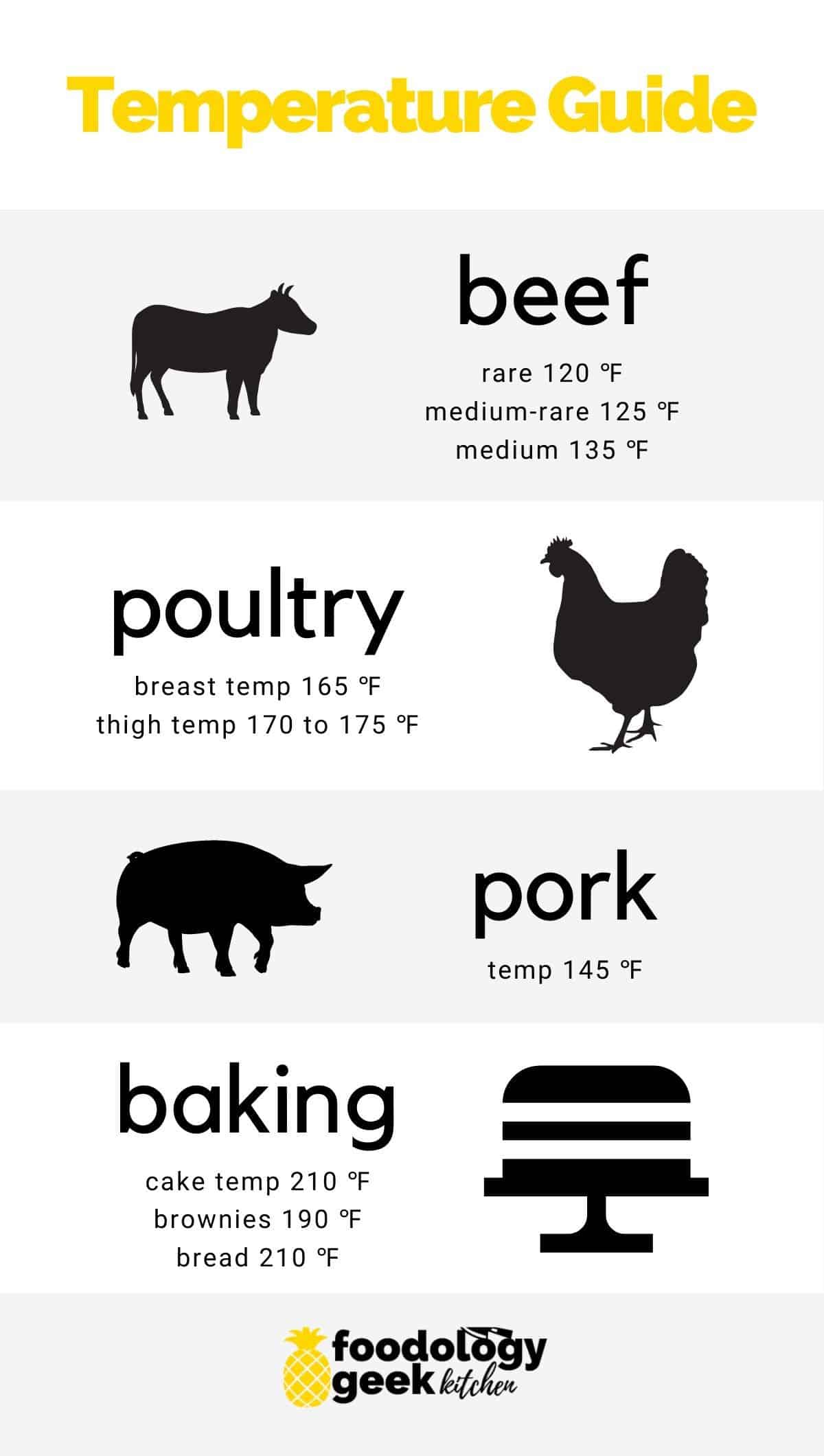
Chicken and turkey breasts (white meat) are lean and contain very little connective tissue. When white meat exceeds 165°F, the muscle fibers begin to contract tightly and squeeze out moisture, resulting in dry, stringy meat. For this reason, many chefs aim to pull white meat off the heat source when it hits 160°F, allowing "carryover cooking" to bring it to the final 165°F safety mark during the resting phase.
Conversely, dark meat (thighs and drumsticks) contains higher levels of myoglobin and collagen. While safe at 165°F, dark meat is often unpleasantly chewy at this temperature. For optimal texture and flavor, dark meat is best cooked to an internal temperature of 175°F to 185°F (79°C to 85°C). At these higher temperatures, the collagen breaks down into gelatin, providing a succulent, silky mouthfeel and allowing the meat to pull away easily from the bone.
Ground Poultry
Ground chicken and turkey represent a higher safety risk than whole muscle cuts. The grinding process distributes surface bacteria throughout the entire batch. Therefore, there is no "medium-rare" option for ground poultry. It must strictly reach 165°F throughout the entire patty or loaf to be considered safe for consumption.
Duck and Goose
Waterfowl like duck and goose have a significantly higher fat content than chicken or turkey. While the USDA still recommends a minimum internal temperature of 165°F for safety, some culinary traditions prepare duck breast to a "medium" level (approximately 135°F to 145°F). It is important to note that consuming duck at these lower temperatures carries an increased risk of foodborne illness, and the 165°F standard remains the only medically recognized safe temperature for these birds.
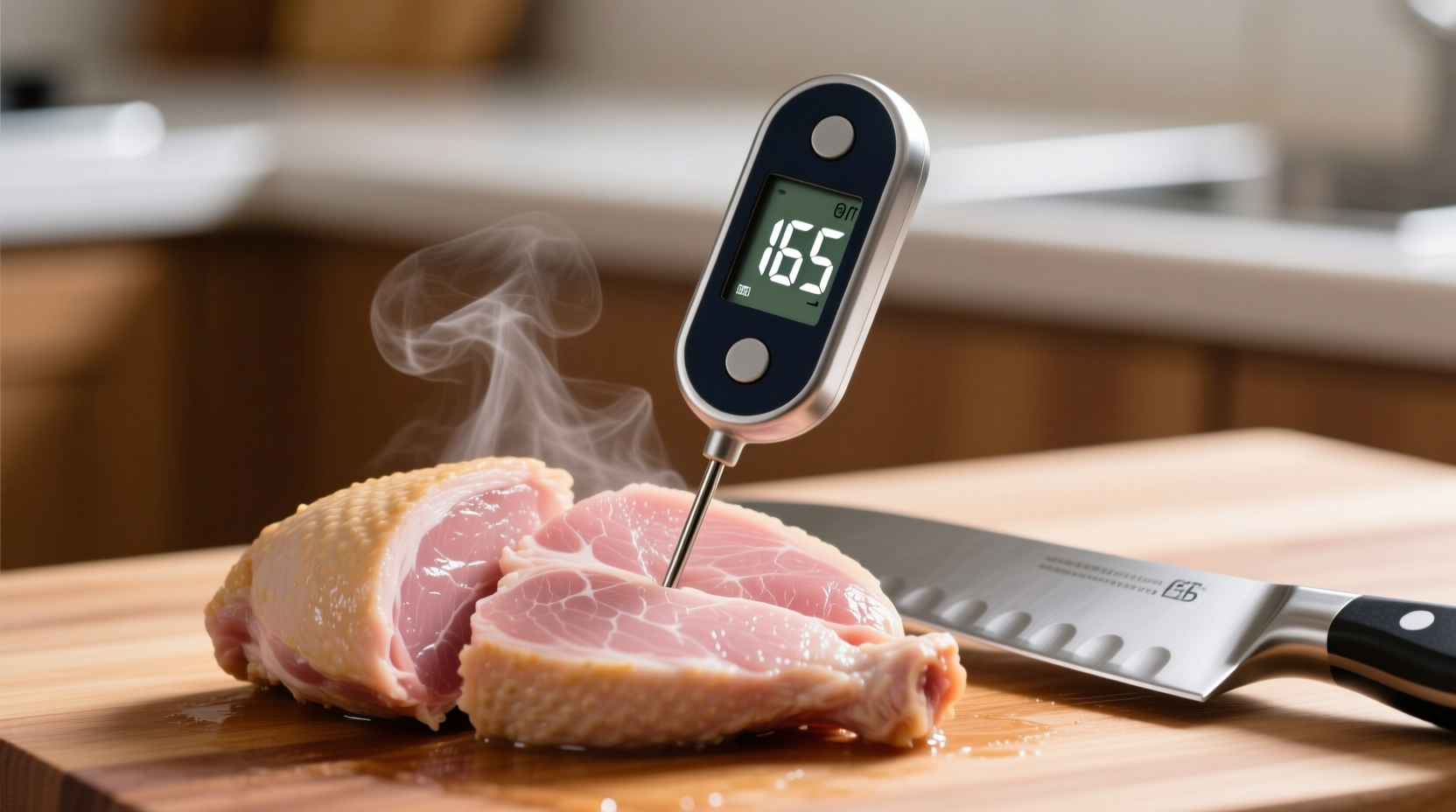
Essential Tools for Measuring Internal Temperature
To accurately monitor internal temperature in poultry, relying on visual cues like "clear juices" or the color of the meat is dangerously unreliable. Only a high-quality food thermometer can provide the precision required for safety and quality.
Digital Instant-Read Thermometers
These are the gold standard for home and professional kitchens in 2026. Thermocouple-style thermometers provide a reading in two seconds or less and feature thin probes that minimize juice loss. They are essential for checking multiple spots on a large bird like a turkey.
Leave-In Probe Thermometers
These devices allow the cook to monitor the temperature continuously while the poultry is in the oven or on the grill. The probe stays in the meat, connected by a heat-resistant wire to a digital base or a smartphone app via Bluetooth or Wi-Fi. These are particularly useful for long-duration roasting, as they can alert the cook when the target temperature is approached, preventing overcooking.
Thermometer Calibration
A thermometer is only useful if it is accurate. To verify accuracy, professionals use the Ice Point Method:
- Fill a glass with crushed ice and a small amount of water.
- Stir and let sit for a few minutes to reach equilibrium.
- Insert the thermometer probe into the center of the glass, ensuring it does not touch the sides or bottom.
- The thermometer should read exactly 32°F (0°C). If it does not, use the calibration nut or digital offset settings to adjust it.
Proper Placement and Technique
The accuracy of an internal temperature reading depends heavily on where the probe is placed. Incorrect placement can lead to "false positives," where the thermometer reads a safe temperature even though parts of the bird remain undercooked.
Whole Birds (Chicken and Turkey)
The probe should be inserted into the thickest part of the thigh, being careful not to hit the bone. Bone conducts heat faster than meat, and a probe touching the bone will provide a prematurely high reading. Additionally, the thickest part of the breast should be checked. Because modern turkeys are bred for large breasts, the center of the breast meat often takes the longest to reach the target temperature.
Poultry Parts and Cutlets
For breasts, thighs, or wings, insert the probe horizontally into the center of the thickest portion. For very thin cutlets, it may be necessary to stack two pieces of meat to get an accurate reading or use a high-end thermocouple that requires very little immersion depth to register a temperature.
Stuffing and Dressings
If a bird is stuffed, the stuffing itself must reach 165°F. Stuffing is porous and can absorb juices from the raw poultry during the beginning of the cooking process. If the meat reaches 165°F but the stuffing is only at 145°F, the bacteria absorbed into the stuffing may still be active. For maximum safety and more even cooking, many food safety experts recommend cooking stuffing in a separate casserole dish.
Understanding Carryover Cooking and Resting
Heat moves from the exterior of the meat toward the center. When poultry is removed from the heat source, the exterior is significantly hotter than the interior. This thermal energy continues to migrate inward, a phenomenon known as carryover cooking.
For a standard roasting chicken, the internal temperature can rise by 3°F to 5°F after being removed from the oven. For a large turkey, the rise can be as much as 10°F. To take advantage of this:
- Pulling Temperature: Remove the bird from the oven when the thermometer reads 160°F–162°F (provided you are confident in your resting process).
- Resting: Tent the bird loosely with foil and let it sit for 15 to 30 minutes.
- Verification: Check the temperature again after the rest to ensure the final internal temperature has reached the required 165°F.
Resting also allows the muscle fibers to relax and reabsorb moisture, ensuring the juices stay in the meat when it is carved rather than spilling onto the cutting board.
Comparative Internal Temperatures for Poultry
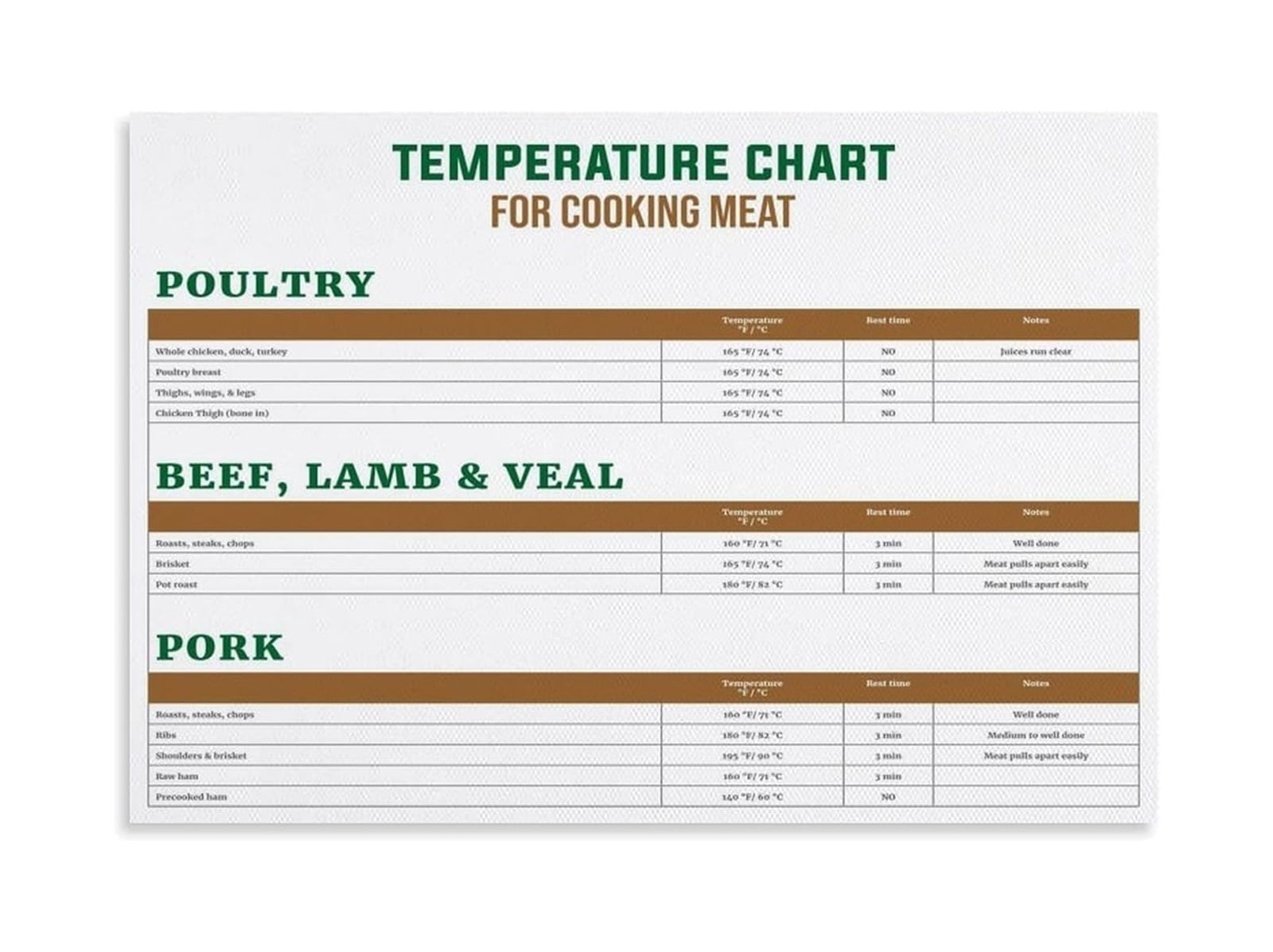
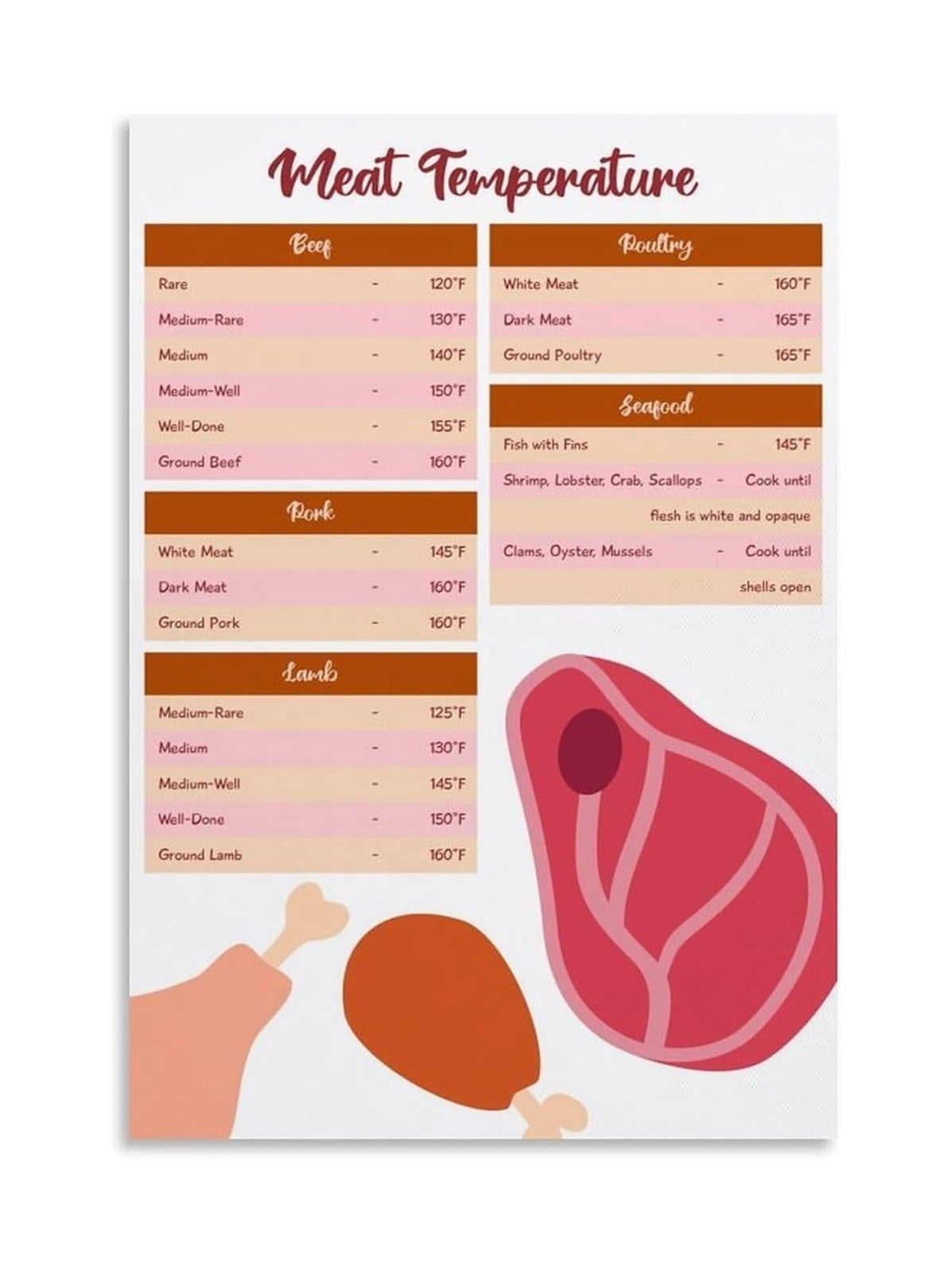
The following table outlines the 2026 standards for various poultry products, distinguishing between the minimum safety requirements and the recommended culinary targets.
| Poultry Type | Minimum Safe Temp (USDA) | Recommended Culinary Temp | Reason for Variation |
|---|---|---|---|
| Chicken Breast | 165°F (74°C) | 165°F | Lean meat dries out quickly above 165°F. |
| Chicken Thigh/Leg | 165°F (74°C) | 175°F–185°F | Requires higher heat to break down connective tissue. |
| Ground Poultry | 165°F (74°C) | 165°F | Pathogens distributed throughout; no rare option. |
| Whole Turkey | 165°F (74°C) | 165°F (Breast) / 180°F (Thigh) | Different densities require targeted monitoring. |
| Duck Breast | 165°F (74°C) | 145°F (Medium) | Note: Culinary preference; 165°F is the only safe temp. |
| Goose | 165°F (74°C) | 180°F | High fat content and tough structure benefit from heat. |
| Leftover Poultry | 165°F (74°C) | 165°F | Must be reheated to safety standards to kill storage bacteria. |
Troubleshooting Common Measurement Issues
Even with a thermometer, errors can occur. Here are common issues encountered when measuring the internal temperature in poultry and how to resolve them:
- The "False High" from Bone Proximity: If your thermometer jumps 10 degrees in a fraction of an inch, you are likely too close to the bone. Back the probe out slightly and re-angle it into the thickest part of the muscle.
- The "Cold Spot" in Large Turkeys: In birds over 20 pounds, the area where the thigh meets the body often stays cold. Always check this specific junction; if it hasn't reached 165°F, the bird needs more time, even if the breast is done.
- Inaccurate Dial Thermometers: Older "bimetal" dial thermometers are notoriously slow and lose calibration easily. If your reading takes more than 15 seconds to stabilize, it is time to upgrade to a digital thermistor or thermocouple.
- Frozen Centers: If poultry was not fully thawed before cooking, the exterior may look perfect while the internal temperature remains in the danger zone. Always ensure poultry is thawed completely in the refrigerator before roasting.
Myths Regarding Poultry Doneness
Several outdated methods for checking poultry are still in use but should be avoided to ensure safety.
- "Juices Run Clear": This is not a scientific indicator. Some safe birds may still have slightly pink juices due to the pH of the meat, while some undercooked birds may have clear juices depending on how they were raised and processed.
- The "Pink Meat" Myth: It is possible for fully cooked poultry to show a pinkish hue. This is common in young birds whose thin bones allow marrow pigment to leach into the surrounding meat, or in birds cooked in a smoker (the "smoke ring"). Conversely, meat near the bone can remain dark even at 165°F. Only the temperature, not the color, determines safety.
- The "Fork Tender" Test: While useful for braised dishes, fork tenderness does not guarantee that the internal temperature has reached the 165°F threshold throughout the bird.
FAQs on Internal Temperature in Poultry
Is 165°F the same for all poultry, including Cornish hens and pheasant?
Yes. The 165°F (74°C) standard applies to all domestic and game birds, including chicken, turkey, duck, goose, Cornish game hens, pheasant, and quail. While the cooking times vary drastically based on the size of the bird, the biological safety threshold remains identical.
Can I cook poultry at a lower temperature if I cook it for a longer time?
Scientifically, yes. According to FSIS lethality tables, you can achieve the same bacterial kill at 150°F if that temperature is maintained for exactly 2.7 minutes. However, this is difficult to monitor accurately in a home kitchen. For consistent safety, adhering to the 165°F instant-kill standard is the best practice.
Why does my chicken look pink even though the thermometer says 165°F?
Pinkness can be caused by several factors unrelated to doneness, such as the age of the bird, the presence of nitrates in the curing/smoking process, or the reaction of myoglobin with gases in a gas oven or charcoal grill. If a calibrated thermometer reads 165°F, the meat is safe regardless of the color.
Do I need to check the temperature of chicken wings?
Yes. Although they are small, wings contain a high ratio of bone and skin to meat. It can be difficult to probe them, but using a thin-tip thermocouple to find the thickest part of the "flat" or "drumette" is the only way to ensure they aren't undercooked, especially when deep-frying from a frozen or partially frozen state.
How should I check the temperature of a slow-cooked or braised poultry dish?
In dishes like coq au vin or chicken stew, the meat is submerged in liquid. You should lift a piece of meat out of the liquid with tongs and insert the thermometer probe. Do not measure the temperature of the sauce, as the liquid will heat up faster than the interior of the meat chunks.
Practical Recommendation for 2026
To achieve both safety and restaurant-quality results, invest in a digital thermocouple thermometer and adopt the "pull and rest" strategy. For chicken or turkey breasts, remove them from the heat when they reach 160°F and let them rest under foil until they reach the final 165°F through carryover cooking. For thighs and drumsticks, aim for 175°F to 180°F to ensure the connective tissues have fully broken down into gelatin, providing the best possible texture. Always calibrate your thermometer once every few months using the ice-water method to ensure your readings remain precise.
Image Gallery
Select an image to open it in a new tab.
Simon Caldwell
Enterprise Technology and Systems Editor
