Credit repair companies can legally dispute errors on your credit reports on your behalf, but they cannot perform any actions that you cannot legally do for yourself. While they may successfully remove legitimate reporting errors to boost scores, they cannot remove accurate, negative information, and many charge high monthly fees for services that yield mixed or minimal results.
Navigating the complex world of credit scoring can feel overwhelming, especially when low scores stand in the way of renting an apartment, securing a mortgage, or obtaining affordable auto insurance. Faced with collection accounts, late payments, and stubborn historical errors, many consumers turn to commercial third-party services that promise a quick fix. These organizations, often marketed as credit repair companies or credit score fix agencies, advertise rapid score increases and clean slates. Understanding what these companies actually do, what the law allows them to do, and whether their promises hold up under scrutiny is essential for anyone seeking to protect their financial health.
Understanding the Credit Repair Industry
The credit repair industry consists of commercial entities that offer to review consumer credit reports, identify negative or inaccurate items, and submit formal disputes to the major credit reporting bureaus—Equifax, Experian, and TransUnion. While some legitimate operators provide helpful administrative assistance, the industry has historically attracted predatory actors seeking to profit from financially vulnerable consumers.
By law, consumers have the absolute right to contact credit bureaus directly and dispute inaccurate information free of charge. Credit repair companies essentially monetize this administrative process. They charge monthly subscription fees, setup fees, or pay-per-removal fees to handle paperwork and correspondence that individuals can easily complete on their own. Under federal guidelines, particularly the Credit Repair Organizations Act (CROA), these companies face strict regulatory boundaries designed to protect consumers from deceptive marketing and unfair billing practices.
How Credit Repair Companies Operate
To understand whether these companies actually improve credit scores, it is necessary to examine their operational workflows. Most agencies follow a standard sequence of steps when onboarding a new client:
- Initial Credit Audit: The company pulls or reviews the client's credit reports from the three major credit bureaus to identify negative marks, collection accounts, late payments, or public records.
- Identification of Disputable Items: Staff members scan the reports for potential reporting errors, outdated information, or items that lack proper documentation and verification.
- Dispute Generation: The agency drafts and mails formal dispute letters to the credit bureaus and original creditors, challenging the accuracy or completeness of the flagged items.
- Follow-Up and Escalation: Under the Fair Credit Reporting Act (FCRA), bureaus generally have 30 to 45 days to investigate disputes. The credit repair company tracks responses, follows up on unresolved items, and may send secondary validation requests if bureaus verify disputed items without adequate proof.
- Ongoing Monitoring: Many services provide continuous credit monitoring tools to alert clients to score fluctuations or new reporting activity.
What Credit Repair Companies Can and Cannot Do
Consumer protection regulators, including the Consumer Financial Protection Bureau (CFPB) and the Federal Trade Commission (FTC), emphasize a clear distinction between legitimate administrative assistance and impossible promises.
Credit repair companies can legally challenge clerical errors, duplicate accounts, outdated negative items that have exceeded statutory reporting windows (typically seven years for general negative data and ten years for bankruptcy), and fraudulent accounts resulting from identity theft. If a credit bureau or data furnisher cannot verify the accuracy of a reported item within the statutory timeframe, they must remove or correct it, which can result in a legitimate score increase.
Conversely, credit repair companies cannot remove accurate, verified negative information. If a consumer genuinely missed a loan payment or defaulted on a credit card, and the creditor can prove the account history is correct, the negative mark will remain on the report until the statutory time limit expires. Furthermore, these companies cannot legally alter credit utilization ratios through magic, bypass bankruptcy records that are within legal reporting periods, or guarantee specific point increases within a strict timeframe.
| Feature / Action | What Credit Repair Companies Can Do | What Credit Repair Companies Cannot Do |
|---|---|---|
| Dispute Management | File disputes with Equifax, Experian, and TransUnion on your behalf. | Force credit bureaus to remove accurate, verifiable negative history. |
| Error Correction | Challenge clerical errors, wrong names, or incorrect balances. | Erase legal bankruptcies, tax liens, or foreclosures that are properly reported. |
| Debt Validation | Request validation from collection agencies regarding debt ownership. | Force creditors to forgive valid, legally binding debts without payment or settlement. |
| Score Manipulation | Provide general educational advice on paying down revolving balances. | Instantly spike scores using proprietary loopholes or secret government programs. |
The Legal Framework: CROA and Consumer Rights
The primary federal statute governing this sector is the Credit Repair Organizations Act (CROA). Enacted to shield consumers from abusive practices, CROA places strict prohibitions on credit repair organizations:
- Ban on Upfront Fees: Credit repair companies are strictly prohibited from charging or receiving payment for their services until those services have been fully performed, as specified in their contracts. While some states have differing interpretations or allow subscription models under precise regulatory oversight, federal law heavily restricts upfront billing.
- Prohibition of Deceptive Claims: Companies cannot make false or misleading statements regarding their services, their ability to remove accurate information, or their affiliations with government agencies or credit bureaus.
- Mandatory Written Contracts: Consumers must receive a detailed written contract outlining the exact terms of service, total costs, estimated timeframe for achieving results, and a clear description of their cancellation rights.
- Three-Day Right to Cancel: Consumers retain the legal right to cancel any credit repair contract without penalty within three business days of signing.
Despite these federal safeguards, unscrupulous operators frequently violate CROA by charging illegal advance fees, pressuring clients into long-term subscriptions, or promising unrealistic score leaps. Consumers should verify compliance before engaging any third-party service.
Financial Costs Versus DIY Alternatives
When evaluating whether credit fix companies are worth the investment, cost is a major consideration. Most reputable or semi-reputable credit repair services operate on a monthly subscription model, charging anywhere from $60 to $150 per month, often accompanied by an initial audit or setup fee ranging from $50 to $100. Over a standard six-month engagement, consumers can easily spend between $400 and $1,000.
In contrast, managing credit disputes independently is entirely free. Consumers are entitled by federal law to one free annual credit report from each of the three major bureaus via AnnualCredit Report.com. Furthermore, federal regulations permit individuals to file disputes online, by phone, or by mail at zero cost.
Essential DIY Steps for Credit Improvement
For those choosing the self-service route, several foundational steps yield sustainable credit score improvements:
- Pull and Inspect All Reports: Thoroughly examine reports from Equifax, Experian, and TransUnion to pinpoint exact errors, unknown accounts, or unfamiliar inquiries.
- Initiate Direct Disputes: File disputes online through the respective bureau portals or mail certified letters with supporting documentation. Bureaus are legally obligated to investigate within 30 to 45 days.
- Manage Credit Utilization: Pay down revolving credit card balances to keep utilization below 30%—and ideally below 10%—of total available limits, as utilization is a primary scoring factor in FICO and VantageScore models.
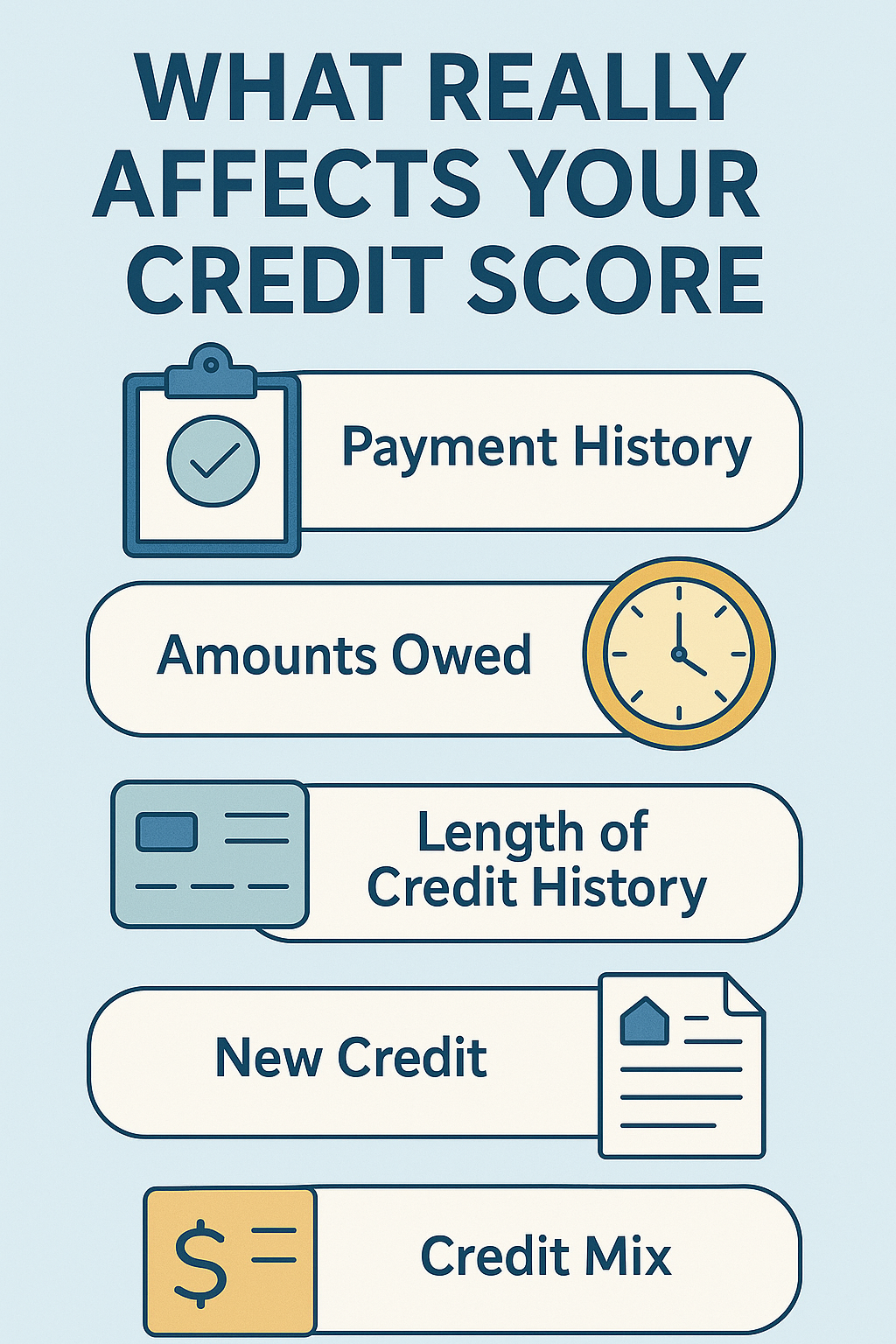
- Maintain Payment History: Set up automatic payments for minimum amounts to ensure no future late payments hit your files, as payment history carries the single greatest weight in score calculations.
Frequently Asked Questions
Can a credit repair company remove a bankruptcy from my report?
No. If a bankruptcy was legally filed and is accurately reported, it will remain on your credit report for up to 10 years (Chapter 7) or 7 years (Chapter 13). Credit repair companies can only remove bankruptcy records if there are verifiable reporting errors, such as incorrect filing dates or fraudulent filings resulting from identity theft.
How long does it actually take to fix a credit score?
The timeline varies widely depending on individual circumstances. Simple clerical errors can sometimes be resolved within 30 to 60 days after a bureau dispute is filed. However, addressing complex credit profiles, negotiating debt settlements, or waiting for negative marks to age out can take anywhere from six months to several years. No legitimate company can guarantee a specific timeframe.
Will paying off a collection account immediately raise my score?
Not always. Under older credit scoring models, paying a collection account did little to improve scores unless the collection agency agreed to a "pay-for-delete" arrangement. Newer scoring models, such as FICO Score 9, FICO Score 10, and VantageScore 3.0 and 4.0, ignore paid collection accounts entirely. However, unpaid collections can still severely hinder credit approvals from human underwriters.
Is it better to use a credit repair company or a credit counseling agency?
They serve fundamentally different purposes. Credit repair companies focus strictly on disputing negative items on credit reports. Credit counseling agencies, often non-profit organizations certified by bodies like the National Foundation for Credit Counseling (NFCC), focus on budgeting, debt management plans (DMPs), and financial education. For consumers struggling with overwhelming debt, a credit counseling agency is generally a safer and more constructive resource.
Conclusion and Next Actions
Credit repair companies do not possess special powers, secret legal loopholes, or exclusive access to credit bureaus. They simply perform administrative dispute tasks that consumers have every legal right to execute independently for free. While these services can successfully remove erroneous reporting items and occasionally yield score improvements, they cannot erase accurate, verifiable negative history. Before committing hundreds of dollars to a commercial credit fix agency, consumers should review their own reports, dispute inaccuracies directly through official bureau portals, focus on reducing revolving debt balances, and consult accredited non-profit credit counselors if underlying debt management support is needed.
Image Gallery
Select an image to open it in a new tab.
Vivian Cho
Executive IT and Emerging Technologies Reporter
