How to Become a Life Insurance Agent in Pennsylvania: A Comprehensive 2026 Guide

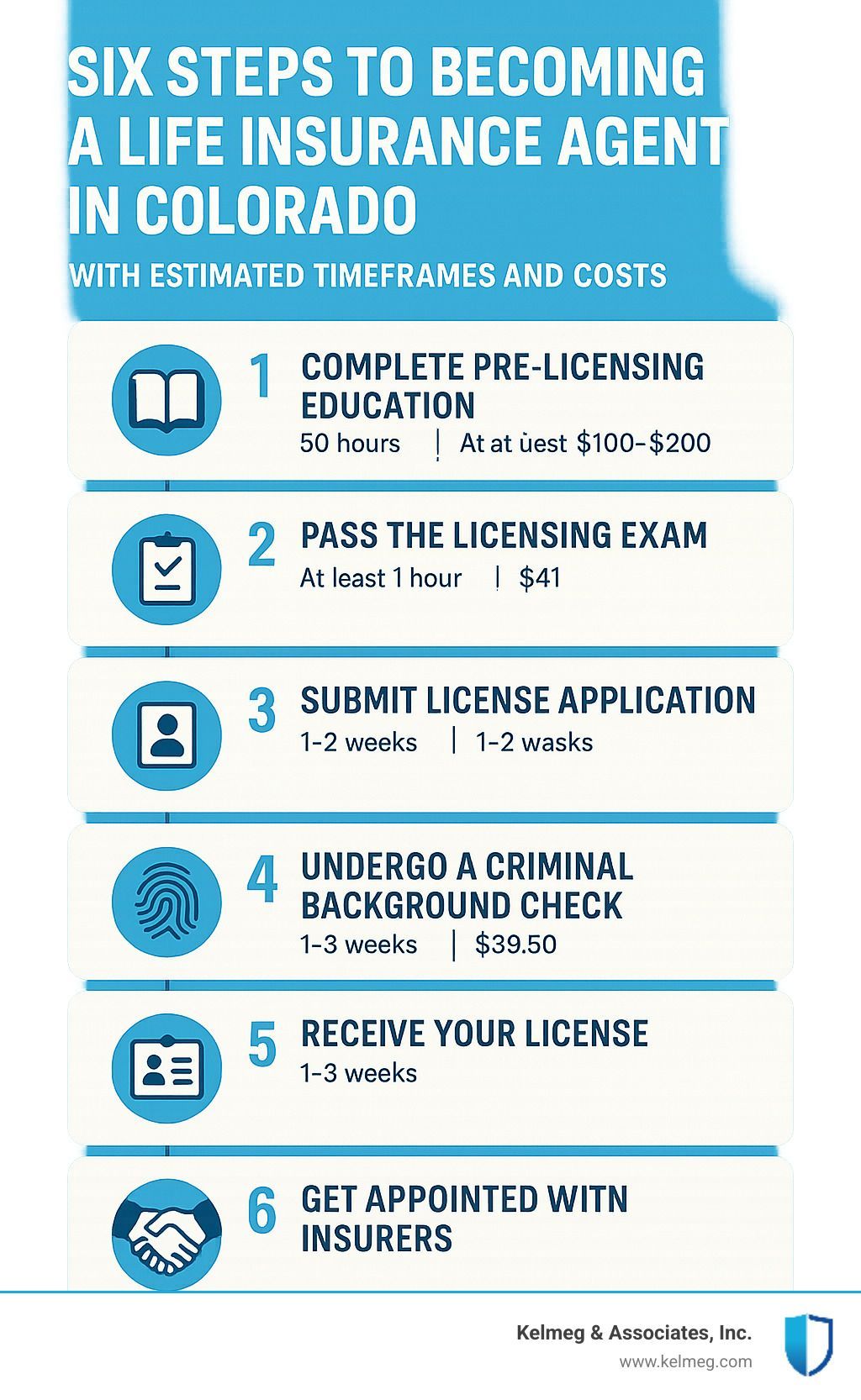
To become a life insurance agent in Pennsylvania, you must be at least 18 years old, pass the state licensing examination administered by PSI Services, and complete a criminal background check via fingerprinting. After passing the exam, you must submit a formal application and the required fees through the National Insurance Producer Registry (NIPR) for approval by the Pennsylvania Insurance Department.
The path to becoming a licensed insurance producer in the Commonwealth of Pennsylvania is a structured process designed to ensure that all practitioners possess the necessary ethical standards and technical knowledge to protect consumers. Whether you are looking to work as an independent broker or a captive agent for a major carrier, navigating the regulatory requirements of the Pennsylvania Insurance Department (PID) is your first step toward a career in the financial services sector.
Understanding the Role of a Life Insurance Producer in Pennsylvania
In Pennsylvania, an "insurance producer" is the legal term for what many colloquially call an agent or broker. As a life insurance agent, you are authorized to sell, solicit, and negotiate life insurance policies and annuity contracts. These products are critical components of financial planning, providing death benefits to beneficiaries and, in some cases, living benefits or retirement income for policyholders.
The Pennsylvania Insurance Department (PID) oversees all licensing activities. Their primary mission is to ensure that the insurance market remains competitive while protecting consumers from predatory practices. By 2026, the PID has streamlined much of the licensing process into digital portals, making it more efficient for new entrants to join the workforce, provided they meet the rigorous standards for "competency and trustworthiness" established under Pennsylvania law (Title 40, Chapter 113a).
Defining Your Scope of Authority
Before you begin, you must decide on your "Lines of Authority." While this guide focuses on Life Insurance, many Pennsylvania agents choose to obtain a dual license for Life, Accident, and Health.
- Life Authority: Allows you to sell traditional life insurance, term life, whole life, and annuities.
- Accident and Health Authority: Allows you to sell disability income, long-term care, and health insurance.
Choosing both often makes you more marketable to insurance agencies and provides a broader range of solutions for your clients.
Step 1: Meet the Initial Eligibility Requirements
Pennsylvania maintains straightforward eligibility criteria for resident producers. To apply for a license in 2026, you must:
- Be at least 18 years of age: This is a statutory requirement for entering into legal contracts and holding a professional license in the state.
- Maintain Residency: You must be a resident of Pennsylvania to apply for a resident license. If you live in a neighboring state like New Jersey or Ohio but wish to do business in PA, you would typically apply for a non-resident license after obtaining a home-state license.
- Demonstrate Good Character: The state will review your criminal history and professional record. Convictions involving fraud, theft, or breach of fiduciary duty are common grounds for license denial.

Step 2: Prepare for the Pennsylvania Life Insurance Exam
Unlike some states that mandate a specific number of classroom hours (such as 20 or 40 hours) before sitting for the exam, Pennsylvania does not currently have a statutory pre-licensing education requirement for life insurance. However, the state's exam is notoriously comprehensive, covering both general insurance concepts and Pennsylvania-specific laws and regulations.
Recommended Study Topics
To pass the exam on your first attempt, you should focus on several core areas:
- General Insurance Principles: Risk management, perils, hazards, and the law of large numbers.
- Life Insurance Policies: Differences between term, whole life, universal life, and variable products.
- Policy Provisions and Options: Beneficiary designations, non-forfeiture options, and settlement options.
- Annuities: Fixed versus variable annuities and their tax implications.
- Federal Taxation: How life insurance proceeds and premiums are treated by the IRS.
- Pennsylvania Statutes: Specific state rules regarding disclosure, replacement of policies, and the PA Life and Health Insurance Guaranty Association.
Most successful candidates utilize private pre-licensing providers. These companies offer online modules, practice quizzes, and "simulated exams" that mimic the PSI testing environment. Spending at least 30 to 40 hours in dedicated study is the industry standard for ensuring success.
Step 3: Schedule and Pass the State Licensing Exam
In Pennsylvania, the insurance licensing exams are administered by PSI Services LLC. You must register for your exam directly through the PSI website or via their candidate services telephone line.
Exam Logistics and Fees
As of 2026, the examination fee for a single line of authority (Life) is approximately $40 to $60, depending on the current vendor contract. If you take a combined Life, Accident, and Health exam, the fee is slightly higher.
- Location: PSI maintains several testing centers across the Commonwealth, including major hubs in Philadelphia, Pittsburgh, Harrisburg, Allentown, and Erie. Remote proctoring options may be available but often require strict technical and environmental standards.
- Format: The exam is computer-based and consists of multiple-choice questions. You are given a specific timeframe—usually around 2 to 2.5 hours—to complete the test.
- Passing Score: You must achieve a score of at least 70% to pass. You will receive your results immediately at the testing center.
If you fail the exam, you can retake it, but you must pay the exam fee again for each attempt. There is no limit on the number of attempts, but waiting periods may apply after multiple failures.
Step 4: Complete the Fingerprinting and Background Check
Pennsylvania requires all resident insurance producer applicants to submit fingerprints for a federal and state criminal history background check. This is a critical security measure to protect the public's financial assets.
The Fingerprinting Process
The PID utilizes IdentoGO (by IDEMIA) for digital fingerprinting services. You must register on the IdentoGO website using a specific service code provided by the PID (which ensures the results are sent to the correct regulatory body).
- Cost: The fingerprinting fee is approximately $25 in 2026.
- Process: After registering, you visit a local IdentoGO center. The technician captures your digital prints, and the data is sent to the Pennsylvania State Police and the FBI.
- Validity: Background checks are typically valid for 30 to 90 days for licensing purposes. It is often recommended to complete your fingerprints just before or immediately after passing your exam to ensure the results are current when you submit your application.
Step 5: Submit Your License Application via NIPR
Once you have passed the exam and completed your fingerprinting, you must formally apply for your license. Pennsylvania uses the National Insurance Producer Registry (NIPR) as its primary licensing portal.
- Access NIPR: Visit the NIPR website and select the "Resident License Application."
- Provide Information: You will need your Social Security Number, your PSI exam score report details, and personal history.
- Disclosures: You must answer a series of "background questions" regarding past criminal convictions, administrative actions by other regulators, or unpaid child support.
- Pay the Fee: The application fee for a resident producer license in Pennsylvania is approximately $55.
Once submitted, the Pennsylvania Insurance Department will review your application. This process typically takes between 5 and 15 business days, though it can be longer if your background check reveals issues that require manual review by the Department’s legal team. You can check your application status on the PID website's "Licensee Search" portal.
Summary of Costs and Requirements
The following table outlines the estimated investment required to become a life insurance agent in Pennsylvania in 2026.
| Requirement | Service Provider | Estimated Cost (2026) |
|---|---|---|
| Pre-Licensing Study Materials | Private Vendor (Optional) | $150 - $300 |
| Licensing Examination Fee | PSI Services | $40 - $60 |
| Fingerprinting/Background Check | IdentoGO | $25 |
| State Application Fee | NIPR / PA Insurance Dept | $55 |
| Total Estimated Initial Cost | $270 - $440 |
Step 6: Securing an Appointment and Starting Your Career
Holding a license allows you to call yourself an insurance producer, but you cannot legally sell policies for a specific insurance company until you are "appointed" by them.
Finding a Sponsoring Agency or Carrier
There are two primary career paths for new life insurance agents:
- Captive Agents: You work exclusively for one insurance company (e.g., State Farm, Northwestern Mutual). These companies often provide extensive training, a base salary or draw, and a branded office environment.
- Independent Agents: You work for a brokerage or an Independent Marketing Organization (IMO) that has contracts with dozens of different carriers. This allows you to "shop the market" for your clients, though it often requires more self-direction and provides less initial financial support.
Once an insurance company decides to work with you, they will file an "Appointment" notification with the Pennsylvania Insurance Department. This links your license to their authority to conduct business in the state.
Maintaining Your Pennsylvania Insurance License
A Pennsylvania insurance license is not a "one-and-done" achievement. To keep your license active, you must comply with ongoing regulatory requirements.
Continuing Education (CE)
Pennsylvania requires all resident producers to complete 24 credit hours of continuing education every two years.
- Ethics Requirement: At least 3 of those 24 hours must be dedicated to Ethics.
- Renewal Cycle: Your license renewal deadline is typically the last day of your birth month every two years.
- Compliance: You must complete your credits before you can renew your license via NIPR. The renewal fee is approximately $55.
Reporting Requirements
As a licensed professional, you are obligated to notify the PID within 30 days of any changes to your name, address, or email. Furthermore, you must report any administrative actions taken against you in other jurisdictions or any criminal prosecutions within 30 days of the initial legal action.
Frequently Asked Questions
Can I get a Pennsylvania insurance license if I have a criminal record?
It depends on the nature of the crime. Pennsylvania law allows the Insurance Department to deny licenses for "acts of moral turpitude" or crimes related to the business of insurance. Felonies and certain misdemeanors involving theft or fraud are significant hurdles. However, the Department reviews cases individually. You may be required to provide court documents and a written explanation of the circumstances.
How long does the entire process take?
For most motivated individuals, the process takes 4 to 8 weeks. This includes time for studying (2-4 weeks), scheduling and taking the exam (1 week), and state processing of the application (1-2 weeks).
Does Pennsylvania offer "license reciprocity" with other states?
Yes. If you are already a licensed life insurance producer in good standing in another state, Pennsylvania makes it very easy to obtain a non-resident license. Under the McCarran-Ferguson Act and subsequent NAIC agreements, you typically do not need to retake the exam; you simply apply through NIPR and pay the non-resident fee.
What is the difference between an insurance producer and an insurance solicitor?
In Pennsylvania, the term "solicitor" is largely antiquated. The state modernly recognizes "Producers" (those who sell and negotiate) and "Public Adjusters" (those who represent the insured in a claim). For selling life insurance, you only need the Producer license.
Is the Pennsylvania Life Insurance exam difficult?
While difficulty is subjective, the pass rate for first-time examinees generally hovers between 60% and 70%. The exam is designed to test your ability to apply laws and concepts to real-world scenarios, not just memorize definitions.
Final Recommendations for Aspiring Agents
The most successful insurance agents in Pennsylvania are those who treat their pre-licensing phase as the foundation of a professional practice. To ensure long-term success, consider the following actions:
- Invest in High-Quality Exam Prep: Do not rely solely on free online practice questions. Professional course providers offer updated content that reflects the 2026 Pennsylvania law changes.
- Network Before Licensing: Connect with local agencies in cities like Harrisburg or Philadelphia to understand their culture. Many agencies will even reimburse your licensing costs if they choose to hire you.
- Focus on the Ethics Section: The Pennsylvania Insurance Department takes consumer protection seriously. Understanding the "Unfair Insurance Practices Act" is not just for passing the exam—it is essential for avoiding costly litigation and state fines during your career.
- Plan Your CE Early: Don't wait until the month of your license expiration to complete your 24 hours of continuing education. Use these hours to gain specialized knowledge in areas like estate planning or business succession to increase your value to clients.
By following these steps and maintaining a commitment to ethical service, you can build a rewarding career as a life insurance agent in the Commonwealth of Pennsylvania.
Image Gallery
Select an image to open it in a new tab.





Celine Dubois
Contemporary Living and Global Arts Columnist
