
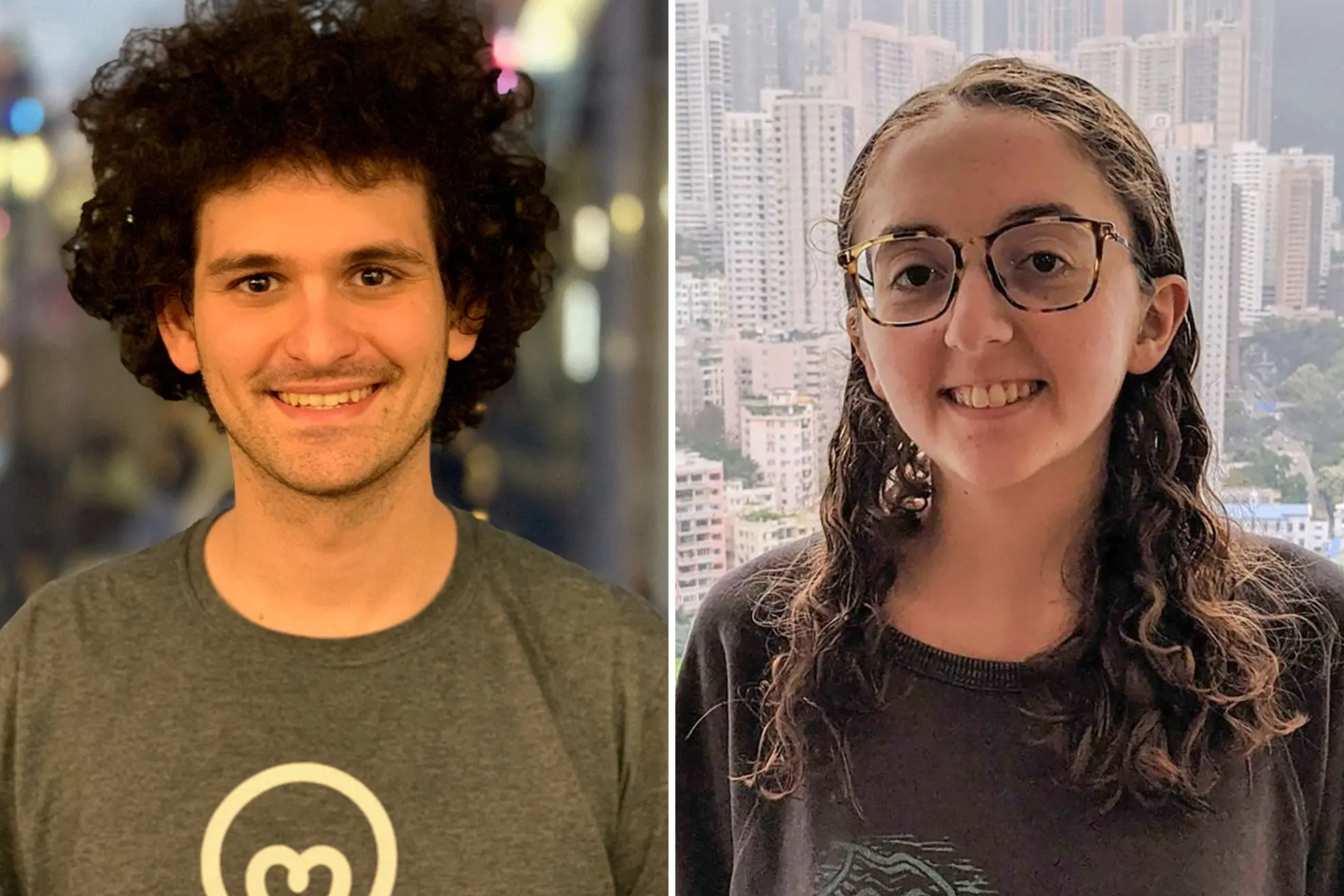
Caroline Ellison served as the CEO of Alameda Research, the hedge fund closely linked to the defunct FTX cryptocurrency exchange. In late 2022, she became a central figure in the company’s multi-billion-dollar collapse, eventually pleading guilty to federal fraud charges and serving as a key witness against FTX founder Sam Bankman-Fried.
The story of the Alameda CEO is not merely a tale of financial mismanagement; it is a complex narrative involving the intersection of "effective altruism," high-stakes quantitative trading, and a lack of corporate oversight that led to one of the largest financial frauds in history. As we look back from 2026, the ripple effects of her leadership and the subsequent legal fallout continue to shape how the cryptocurrency industry is regulated and perceived globally.
The Early Career and Rise of Caroline Ellison
Caroline Ellison’s journey to the helm of Alameda Research began in an environment of academic excellence. The daughter of two MIT economists, she grew up in a household where mathematical theory and economic principles were dinner-table topics. After earning a degree in mathematics from Stanford University in 2016, she joined Jane Street, a prestigious quantitative trading firm in New York.
It was at Jane Street that Ellison met Sam Bankman-Fried (SBF). They shared an interest in Effective Altruism (EA), a social movement and philosophy that encourages individuals to use evidence and reasoning to determine how to benefit others as much as possible, often by "earning to give." This shared philosophy would eventually become the moral justification for the high-risk, and ultimately illegal, activities at Alameda and FTX.
In 2018, Bankman-Fried convinced Ellison to join his newly formed crypto trading firm, Alameda Research. Initially, Alameda focused on arbitrage—exploiting price differences for Bitcoin between exchanges in the U.S. and Japan (the famous "Kimchi Premium"). Ellison’s mathematical prowess made her a natural fit for the firm’s quantitative strategies. By 2021, she was named co-CEO alongside Sam Trabucco, and she became the sole CEO in August 2022 when Trabucco stepped down.
The Structural Relationship Between Alameda and FTX
To understand the role of the Alameda CEO, one must understand the unique—and eventually fatal—architecture connecting Alameda Research and the FTX exchange. While they were presented to the public and investors as two separate entities, the reality was a deeply entangled web of shared resources, personnel, and capital.
Alameda Research functioned as a market maker for FTX. In a typical financial ecosystem, a market maker provides liquidity by constantly being ready to buy or sell assets. However, Alameda enjoyed special privileges that were hidden from FTX customers and outside investors.
The "Infinite" Credit Line
The most significant "explained" aspect of the Alameda-FTX relationship was the secret line of credit. Through a backdoor in the FTX code, Alameda was allowed to maintain a negative balance on the exchange. While regular users would be automatically liquidated if their account balance fell too low, Alameda’s account had a flag—"allow_negative"—that exempted it from these protocols.
This allowed Alameda to:
- Borrow billions of dollars in customer deposits from FTX.
- Use those funds to make risky venture capital investments.
- Pay back lenders who were calling in loans during market downturns.
- Engage in aggressive proprietary trading without the risk of margin calls on the exchange.

The "Backdoor" and Misuse of Customer Funds
The core of the criminal case against the Alameda CEO involved the conscious decision to use FTX customer funds to cover Alameda’s liabilities. By mid-2022, the "crypto winter" had begun, and several major crypto lenders (such as Celsius and Voyager) were collapsing. These lenders had provided billions in loans to Alameda.
When these lenders demanded their money back, Alameda did not have the liquid assets to pay them. Under the direction of Sam Bankman-Fried, Ellison and other executives utilized the FTX customer "slush fund" to meet these obligations. This created an $8 billion "hole" in the FTX balance sheet—money that belonged to customers but was no longer there.
The Role of the FTT Token
Alameda’s balance sheet was heavily comprised of FTT, the native utility token of the FTX exchange. This created a circular and highly fragile valuation system.
- FTX would issue FTT tokens.
- Alameda would hold a massive portion of these tokens.
- FTX would "pump" the value of FTT through buybacks and marketing.
- Alameda would use the inflated value of FTT as collateral to borrow more "real" money (USD or Stablecoins) from FTX or third-party lenders.
This house of cards collapsed in November 2022 when a report from CoinDesk revealed the fragility of Alameda’s balance sheet, leading to a "run on the bank" that FTX could not satisfy because the funds had been spent by Alameda.
The Criminal Investigation and Cooperation
Following the collapse of FTX and Alameda in November 2022, the U.S. Department of Justice (DOJ) and the Securities and Exchange Commission (SEC) moved with unprecedented speed. In December 2022, Caroline Ellison quietly pleaded guilty to seven counts, including:
- Conspiracy to commit wire fraud on customers of FTX.
- Wire fraud on customers of FTX.
- Conspiracy to commit wire fraud on lenders of Alameda Research.
- Wire fraud on lenders of Alameda Research.
- Conspiracy to commit commodities fraud.
- Conspiracy to commit securities fraud.
- Conspiracy to commit money laundering.
Unlike Bankman-Fried, who chose to fight the charges in a high-profile trial, Ellison chose to cooperate fully with federal prosecutors. This cooperation was a strategic move that significantly impacted the outcome of the legal proceedings for all parties involved.
Key Revelations from the 2023 Trial Testimony
The 2023 trial of Sam Bankman-Fried saw Caroline Ellison take the stand as the prosecution’s star witness. Her testimony was pivotal in explaining the mechanics of the fraud to the jury. She provided an insider’s view of the chaotic and ethically compromised environment at the top of the FTX/Alameda empire.
Key revelations from her testimony included:
- Direct Orders: Ellison testified that SBF explicitly directed her to use FTX customer funds to pay back Alameda’s creditors.
- Balance Sheet Manipulation: She admitted to creating seven different versions of Alameda’s balance sheet to hide the extent of the firm's debt from lenders, choosing the one that looked the "least bad."
- The "Insurance Fund": She revealed that the "insurance fund" number displayed on the FTX website was a fake figure generated by a random number generator, intended to project a false sense of security to users.
- Personal Relationship: Ellison and Bankman-Fried were in an on-and-off romantic relationship, which added a layer of personal complexity to the corporate governance. She described a dynamic where she felt pressured to follow his directives despite her growing anxiety about the illegality of their actions.
Sentencing and the Legal Aftermath
As of 2026, the legal consequences for the executives involved in the FTX/Alameda collapse have been largely finalized. The sentencing of Caroline Ellison was a point of significant public debate, weighing her extensive cooperation against the magnitude of the crime.
| Executive | Role | Plea/Verdict | Sentence |
|---|---|---|---|
| Sam Bankman-Fried | CEO of FTX | Guilty (Trial) | 25 Years Federal Prison |
| Caroline Ellison | CEO of Alameda | Guilty (Cooperation) | 2 Years Federal Prison |
| Gary Wang | CTO of FTX | Guilty (Cooperation) | Time Served / Supervised Release |
| Nishad Singh | Head of Engineering | Guilty (Cooperation) | Time Served / Supervised Release |
| Ryan Salame | Co-CEO FTX Digital | Guilty | 7.5 Years Federal Prison |
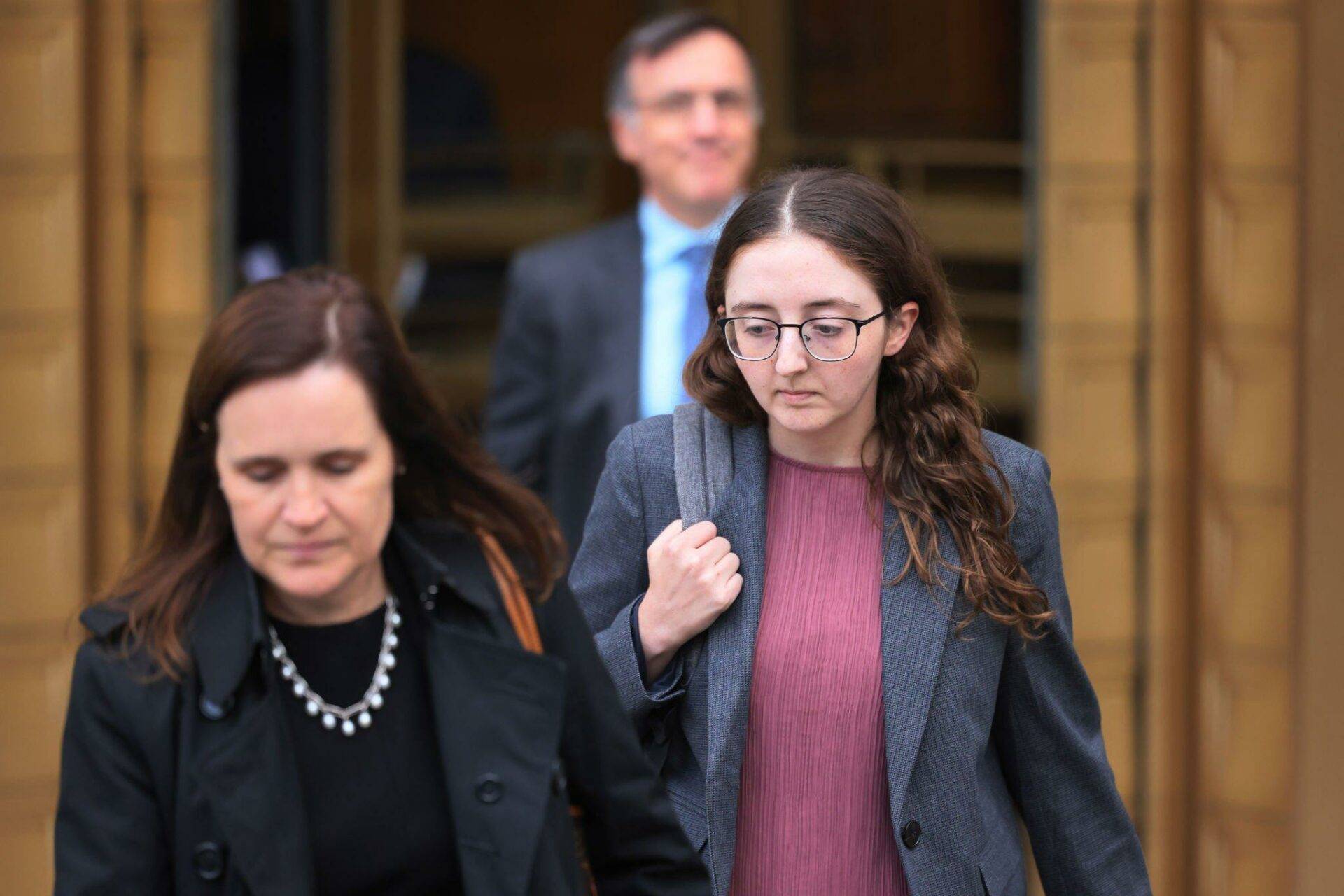
In September 2024, Judge Lewis Kaplan sentenced Ellison to 24 months in prison. Despite the prosecution's praise for her "extraordinary" cooperation, the judge emphasized the need for a custodial sentence given her high-level role in the fraud. By mid-2026, Ellison has completed the majority of her sentence and remains a cautionary figure in the history of financial technology.
The Legacy of the Alameda Scandal in 2026
The "Alameda CEO explained" narrative is now taught in business schools as a masterclass in governance failure. The lack of a board of directors, the absence of an independent CFO, and the use of convoluted software "backdoors" highlight the dangers of the "move fast and break things" mentality when applied to fiduciary responsibilities.
Regulatory Changes
Since the collapse, the regulatory landscape has shifted dramatically. The U.S. and EU have implemented stricter requirements for "proof of reserves" and the mandatory segregation of customer funds from company operating capital. The concept of a "combined" exchange and hedge fund is now effectively banned in most major jurisdictions.
The Recovery of Funds
Through the diligent work of the FTX bankruptcy estate, led by CEO John J. Ray III, a significant portion of lost funds has been recovered for creditors. Ironically, the surge in the value of Solana (SOL) and various AI investments made by Alameda (including a stake in Anthropic) provided a financial windfall that helped bridge the $8 billion gap, though this does not negate the criminal nature of the initial misappropriation.
Frequently Asked Questions
Why did the Alameda CEO receive a lighter sentence than Sam Bankman-Fried?
Caroline Ellison received a significantly shorter sentence because she entered a plea agreement early and provided "extraordinary cooperation" to the government. Her testimony was instrumental in securing the conviction of Sam Bankman-Fried. While SBF maintained his innocence and went to trial, Ellison admitted guilt and provided the documentation and internal communications necessary to prove the conspiracy.
What was the specific software backdoor used by Alameda?
The backdoor was a specific line of code in the FTX database that allowed accounts with the "allow_negative" flag to bypass the standard liquidation engine. This meant Alameda could trade with an essentially unlimited line of credit, backed by the deposits of other FTX users, without the risk of their positions being closed out automatically when the market moved against them.
Is Alameda Research still in operation?
No. Alameda Research filed for Chapter 11 bankruptcy along with FTX and over 100 affiliated entities in November 2022. The firm is currently being liquidated as part of the bankruptcy process to repay creditors and victims of the fraud.
How much money did Caroline Ellison personally make?
While Ellison was a multi-millionaire on paper due to her holdings in FTT and other tokens, much of her wealth was tied to the success of the firms. During the trial, it was revealed she received approximately $22.5 million in bonus payments, much of which was eventually targeted for clawback by the bankruptcy estate to compensate victims.
Where is Caroline Ellison now in 2026?
As of 2026, Caroline Ellison has largely transitioned out of the public eye. Having served her two-year sentence (shortened by standard federal "good time" credits), she has maintained a low profile, fulfilling the terms of her supervised release. Her legal counsel has indicated her intent to focus on restitution and moving away from the financial services industry entirely.
Practical Recommendation: Moving Forward
For those looking to engage with the cryptocurrency market or any emerging financial technology, the "Alameda CEO" saga provides a vital checklist for due diligence.
- Verify Custodial Separation: Ensure that any exchange you use has third-party audits confirming that customer funds are segregated from the exchange’s own assets.
- Scrutinize Native Tokens: Be wary of platforms that use their own "in-house" tokens as collateral for loans or as a primary component of their balance sheet.
- Evaluate Corporate Governance: Look for companies with established boards of directors and transparent executive leadership. The absence of traditional corporate checks and balances was a primary red flag in the FTX/Alameda structure.
- Monitor Regulatory Compliance: Only use platforms that are registered with relevant financial authorities (such as the SEC or FinCEN in the U.S.), as these entities are subject to reporting requirements that Alameda and FTX successfully evaded for years.
The collapse of Alameda Research was a painful chapter for the global financial community, but the lessons learned have led to a more resilient and transparent digital asset ecosystem in 2026.
Image Gallery
Select an image to open it in a new tab.



Lars Thomsen
Global Labor Markets and Economic Strategy Editor
