The Governor of Washington serves as the state’s Chief Executive Officer, responsible for the execution of state laws, the management of the executive branch, and the proposal of the state's biennial budget. As the highest-ranking official in Washington, the Governor holds significant authority over state agencies, possesses unique legislative veto powers, and serves as the Commander-in-Chief of the state's military forces.
Under the Washington State Constitution, the Governor is tasked with ensuring that all laws are "faithfully executed." However, unlike the federal system where the President appoints the entire cabinet, Washington operates under a "plural executive" system. This means the Governor shares executive power with eight other separately elected officials, including the Lieutenant Governor, Secretary of State, and Attorney General. Despite this shared power, the Governor remains the central figure in setting the state’s policy agenda and managing its massive administrative infrastructure.
The Constitutional Foundation of Executive Power
The authority of the Governor is primarily derived from Article III of the Washington State Constitution. Established in 1889, this article defines the executive department and outlines the specific mandates of the office. While the language is concise, the practical applications of these powers have expanded significantly over the decades to meet the needs of a modern, complex state government.
The Mandate to Execute Laws
The most fundamental responsibility is the execution of laws passed by the Washington State Legislature. This does not mean the Governor personally enforces every statute, but rather that they oversee the departments and agencies that do. If the Legislature passes a law regarding environmental protections, it is the Governor’s responsibility, through the Department of Ecology, to ensure those regulations are implemented, monitored, and enforced.
The Commander-in-Chief Role
The Governor serves as the Commander-in-Chief of the state’s military forces, which include the Washington National Guard. While these forces are often called upon for federal missions, the Governor has the authority to mobilize them for state-level emergencies. This includes responding to natural disasters such as wildfires, floods, or earthquakes, as well as maintaining public order during periods of civil unrest. This authority is governed by RCW 38.08.020, which specifies the conditions under which the Governor may order the militia into active service.
Legislative Influence and the Veto Power
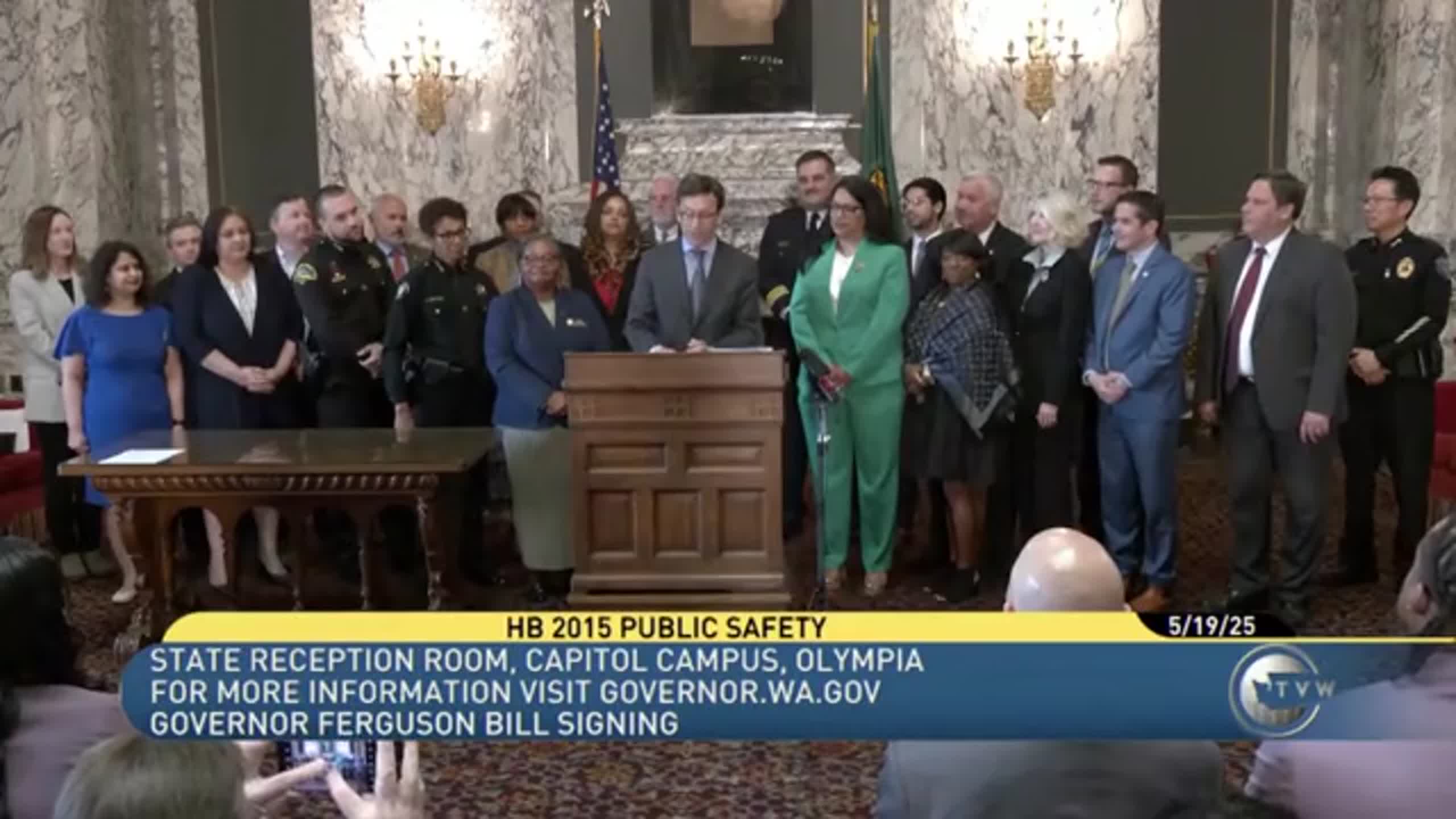
While the Governor is part of the executive branch, they play a pivotal role in the legislative process. The Governor is not merely a passive recipient of bills; they are an active participant in shaping the laws that reach their desk.
The State of the State Address
Annually, the Governor delivers the "State of the State" address to a joint session of the Legislature. In 2026, as in previous years, this address serves as the primary vehicle for the Governor to communicate their policy priorities. By highlighting specific issues—such as housing affordability, climate change, or education funding—the Governor signals to lawmakers which bills they are likely to support or oppose.
The Power of the Veto
One of the most potent tools in the Governor’s arsenal is the veto power. Washington’s Governor has a particularly strong version of this power compared to other states.
- Full Veto: The Governor can reject an entire bill passed by the Legislature.
- Partial Veto (Line-Item Veto): Unique to Washington, the Governor can veto specific sections of a bill without rejecting the entire piece of legislation. This is most commonly used in appropriation (spending) bills. It allows the Governor to strike down specific projects or funding lines they deem unnecessary while allowing the broader budget to pass.
- Veto Overrides: The Legislature can override a gubernatorial veto, but it requires a two-thirds majority in both the House of Representatives and the Senate, a high bar that is rarely cleared.
Calling Special Sessions
The Washington State Legislature typically meets for 105 days in odd-numbered years and 60 days in even-numbered years. If essential business—such as passing a budget—is not completed within these timeframes, the Governor has the exclusive constitutional authority to call a special session. During these sessions, lawmakers are brought back to Olympia to complete specific tasks outlined by the Governor.
Managing the Executive Branch and State Agencies
Washington’s executive branch is composed of more than 50 agencies, boards, and commissions. The Governor is responsible for the performance and accountability of the majority of these entities.
Cabinet Appointments
The Governor appoints the heads (Directors) of most major state agencies, such as the Department of Transportation (WSDOT), the Department of Social and Health Services (DSHS), and the Department of Corrections (DOC). These directors serve at the Governor’s pleasure, meaning they can be removed if they fail to implement the Governor’s vision or if their agency underperforms. This direct line of authority allows the Governor to steer the "ship of state" toward specific policy goals.
Boards and Commissions
Beyond major agencies, the Governor makes hundreds of appointments to various boards and commissions. These range from the Board of Regents for the University of Washington to the Fish and Wildlife Commission. These appointments are critical because these bodies often have the power to set specific regulations, tuition rates, or hunting and fishing seasons.
Accountability and Performance
The Governor is responsible for the "Results Washington" initiative, a performance management system designed to track how well state agencies are meeting their goals. In 2026, this data-driven approach continues to be the primary method the Governor uses to hold agency heads accountable for public spending and service delivery.
Fiscal Responsibility: The Governor’s Budget
Perhaps the most significant administrative task the Governor performs is the creation of the biennial budget proposal. Washington operates on a two-year fiscal cycle.
Drafting the Proposal
In the months leading up to a legislative session, the Governor’s Office of Financial Management (OFM) works with agencies to estimate costs and project revenues. The Governor then synthesizes these requests into a comprehensive budget proposal. This document is more than just a spreadsheet; it is a statement of values. If the Governor proposes a massive increase in mental health funding, it signals a shift in state priority.
The Three Main Budgets
The Governor is responsible for proposing three distinct budgets:
- Operating Budget: Covers the day-to-day costs of running the state, including K-12 education, prisons, and healthcare.
- Capital Budget: Covers the construction and repair of public buildings, such as schools and parks.
- Transportation Budget: Covers road construction, ferry operations, and public transit.
While the Legislature ultimately writes and passes the final budget, the Governor’s proposal serves as the baseline for all negotiations.
Emergency Powers and Public Safety
In times of crisis, the responsibilities of the Governor shift from administration to emergency management. Under RCW 43.06.010, the Governor is granted broad powers to respond to emergencies.
Proclamations of Emergency
When a disaster strikes, the Governor issues a formal proclamation of emergency. This legal declaration unlocks state and federal resources, such as emergency funding and National Guard assistance. It also allows the Governor to waive certain statutes or regulations that might hinder response efforts (for example, relaxing truck-driving hour limits to ensure food and fuel can be delivered to a disaster zone).
Public Health and Safety
The Governor works closely with the Washington State Department of Health and the Military Department’s Emergency Management Division. Whether dealing with a localized flood or a widespread public health concern, the Governor is the public face of the state’s response, providing guidance and making critical decisions regarding public safety.
Judicial and Legal Responsibilities
The Governor serves as a final check within the state's legal system, holding powers related to the judiciary and the clemency process.
Judicial Appointments
When a vacancy occurs on the Washington State Supreme Court, the Court of Appeals, or a Superior Court due to retirement or death before a term expires, the Governor appoints a replacement. These appointees serve until the next general election. Because many judges are originally appointed rather than elected, the Governor has a profound, long-term influence on the state’s judicial philosophy.
Pardons and Clemency
The Governor has the sole authority to grant pardons, commutations, and reprieves. While the Clemency and Pardons Board reviews petitions and makes recommendations, the final decision rests with the Governor. A pardon can restore civil rights (such as the right to vote or possess a firearm) to a convicted individual, while a commutation reduces a sentence.
Comparison of State Powers: Governor vs. Legislature
To understand what the Governor is responsible for, it is helpful to see how those responsibilities differ from the legislative branch.
| Responsibility | Governor (Executive) | Legislature (Legislative) |
|---|---|---|
| Lawmaking | Proposes legislation and signs/vetoes bills. | Drafts, debates, and passes bills. |
| Budgeting | Creates the initial budget proposal. | Amends and passes the final budget. |
| Appointments | Appoints agency heads and judges. | Senate confirms major appointments. |
| Agencies | Directs daily operations and enforcement. | Provides oversight and sets agency budgets. |
| Military | Commander-in-Chief of National Guard. | Funds military facilities and programs. |
| Emergencies | Declares emergencies and directs response. | Can limit the duration of emergency powers. |
Intergovernmental Relations
The Governor represents Washington in its dealings with other states and the federal government. This involves:
- National Governors Association (NGA): Collaborating with other governors to share best practices and lobby the federal government for state needs.
- Federal Advocacy: Working with Washington’s Congressional delegation to secure federal funding for infrastructure, healthcare, and environmental projects.
- Tribal Relations: The Governor maintains a government-to-government relationship with the 29 federally recognized tribes in Washington. This includes negotiating compacts regarding gaming, taxation, and natural resource management.
The Plural Executive: Limitations on Power
It is a common misconception that the Governor is the "boss" of all other state elected officials. In Washington, the Governor does not have authority over the following independently elected offices:
- Lieutenant Governor: Presides over the Senate.
- Attorney General: Serves as the state's legal counsel.
- Secretary of State: Manages elections and business registrations.
- State Treasurer: Manages the state's cash flow and investments.
- State Auditor: Inspects how public money is spent.
- Superintendent of Public Instruction: Oversees K-12 education.
- Insurance Commissioner: Regulates the insurance industry.
- Commissioner of Public Lands: Manages state-owned forests and waters.
While the Governor must work with these individuals, they are accountable to the voters, not the Governor. This structure is designed to provide checks and balances within the executive branch itself.
Frequently Asked Questions
Does the Governor of Washington have term limits?
No. Unlike the President of the United States and governors in many other states, the Governor of Washington can serve an unlimited number of four-year terms. As of 2026, there have been no successful constitutional amendments to change this, though the topic is occasionally debated in the Legislature.
Can the Governor increase taxes on their own?
No. The Governor cannot unilaterally raise taxes. Tax changes must be passed by the Legislature. The Governor can, however, propose tax increases or decreases as part of their biennial budget request and must sign any tax-related bill before it becomes law.
What happens if the Governor leaves office early?
If the Governor dies, resigns, or is removed from office, the Lieutenant Governor becomes the Governor. If the Lieutenant Governor is also unable to serve, the line of succession moves to the Secretary of State, followed by the State Treasurer and the State Auditor.
How does the Governor influence the state's education system?
While the Superintendent of Public Instruction is a separately elected official who manages the day-to-day operations of K-12 schools, the Governor has significant influence through the budget. Since education is the state's "paramount duty" under the constitution and consumes roughly half of the state's operating budget, the Governor’s funding priorities largely dictate the resources available to schools.
Can the Governor remove a member of the Legislature?
No. The Governor has no authority to remove or discipline members of the Washington State Legislature. The legislative branch is an independent, co-equal branch of government. Only the respective houses of the Legislature (House or Senate) can discipline or expel their own members.
Next Steps for Residents
Understanding the Governor's responsibilities is the first step toward effective civic engagement. Residents who wish to influence state policy can:
- Monitor Executive Orders: Check the Governor's official website for recent orders that may affect your industry or community.
- Participate in Public Comment: Many agency rules directed by the Governor require public comment periods before they are finalized.
- Contact the Office: The Governor’s Office maintains a constituent services department to hear concerns regarding state agency performance or legislative priorities.
Image Gallery
Select an image to open it in a new tab.
Vivian Cho
Executive IT and Emerging Technologies Reporter
