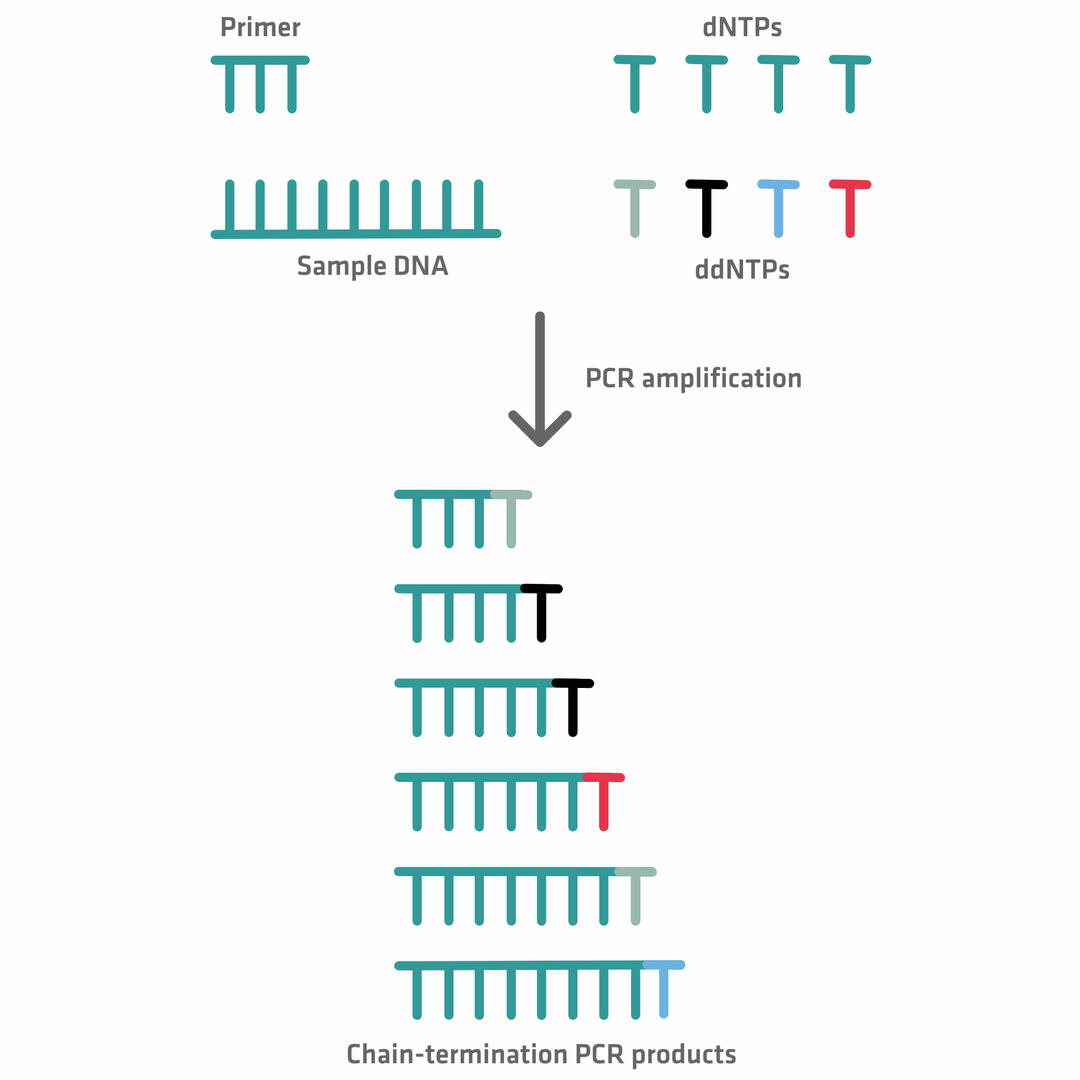
In molecular biology, dNTP stands for deoxynucleotide triphosphate. These molecules are the fundamental building blocks of deoxyribonucleic acid (DNA). Each dNTP consists of a nitrogenous base (adenine, guanine, cytosine, or thymine), a deoxyribose sugar molecule, and three phosphate groups. They serve as the essential raw materials for DNA polymerase enzymes to synthesize new DNA strands during processes like replication and polymerase chain reaction (PCR).
The Chemical Composition of dNTPs
To understand dNTPs, one must first break down their structural components. The name "deoxynucleotide triphosphate" describes a molecule composed of three distinct parts that function in harmony to support genetic synthesis.
The Nitrogenous Base
The identity of a specific dNTP is determined by its nitrogenous base. There are four types of bases found in DNA, leading to four corresponding dNTPs:
- dATP: Deoxyadenosine triphosphate (containing the base adenine)
- dGTP: Deoxyguanosine triphosphate (containing the base guanine)
- dCTP: Deoxycytosine triphosphate (containing the base cytosine)
- dTTP: Deoxythymidine triphosphate (containing the base thymine)
These bases are the "letters" of the genetic code. When DNA is synthesized, the sequence of these bases is strictly dictated by the template strand, ensuring that genetic information is copied with high fidelity.
The Deoxyribose Sugar
The "deoxy" portion of the name refers to the sugar molecule at the center of the nucleotide. It is a five-carbon (pentose) sugar called deoxyribose. In the structure of a dNTP, the nitrogenous base is attached to the 1' carbon of this sugar, while the triphosphate group is attached to the 5' carbon. The 3' carbon of the sugar provides the crucial hydroxyl (-OH) group where the next nucleotide will be attached during the elongation of a DNA chain.
The Triphosphate Tail
The triphosphate group—consisting of three phosphate molecules linked together—serves as the energy source for the polymerization reaction. When DNA polymerase catalyzes the addition of a dNTP to a growing DNA strand, it breaks the bond between the alpha and beta phosphates. This cleavage releases energy, which drives the formation of a phosphodiester bond between the 3'-OH group of the existing DNA strand and the 5'-phosphate group of the incoming dNTP.
The Role of dNTPs in DNA Synthesis
DNA replication is the process by which a cell duplicates its genome. Whether occurring naturally within a living organism or artificially in a laboratory, the process requires an abundant supply of dNTPs.
Polymerization and Base Pairing
During replication, the DNA double helix is unwound, exposing the template strands. DNA polymerase, the enzyme responsible for synthesis, identifies the next base on the template strand and selects the complementary dNTP from the cellular environment (or the reaction buffer in a laboratory setting).
The complementary base pairing rules are:
- Adenine (A) pairs with Thymine (T)
- Guanine (G) pairs with Cytosine (C)
If the template has an Adenine, the polymerase will select a dTTP. If it has a Cytosine, it selects a dGTP. This selective process is the primary reason why DNA replication is so highly accurate.
Energy Requirement
The reaction that adds a dNTP to a growing chain is energetically favorable because of the release of pyrophosphate. The hydrolysis of this pyrophosphate into two inorganic phosphates further pulls the reaction forward, making it essentially irreversible under physiological conditions. Without this triphosphate "tail," the cell would lack the chemical energy required to link nucleotides together, and DNA synthesis would effectively cease.

dNTPs in Laboratory Applications: PCR and Beyond
The ability to synthesize DNA outside of a living cell is a cornerstone of modern biotechnology. The Polymerase Chain Reaction (PCR), a technique used to amplify specific segments of DNA, relies entirely on the presence of dNTPs.
The PCR Master Mix
When setting up a PCR experiment in 2026, researchers utilize a "master mix" that contains all the necessary components for DNA amplification. These typically include:
- DNA Polymerase: An enzyme (such as Taq polymerase) that synthesizes the new strands.
- Primers: Short sequences of DNA that define the start point of amplification.
- DNA Template: The genetic material being targeted.
- Buffer: A solution that maintains the correct pH and salt concentration for the enzyme to function.
- dNTP Mix: A balanced solution of dATP, dGTP, dCTP, and dTTP.
If the dNTPs are absent or present in the wrong concentrations, the PCR will fail, resulting in no detectable DNA product.
Concentration and Optimization
A common mistake in molecular biology is failing to optimize the concentration of dNTPs. If the concentration is too low, the polymerase will stall, leading to truncated or incomplete DNA products. If the concentration is too high, it can lead to an increase in non-specific binding or the formation of "primer dimers," where primers anneal to each other rather than the template, wasting the dNTPs and interfering with the desired reaction.
Comparison of Nucleotide Types
It is easy to confuse dNTPs with other related biological molecules. The following table differentiates dNTPs from their counterparts.
| Molecule Type | Name | Purpose | Characteristic |
|---|---|---|---|
| dNTP | Deoxynucleotide triphosphate | DNA synthesis | Contains deoxyribose, used for genomes |
| NTP | Nucleotide triphosphate | RNA synthesis / Energy | Contains ribose, includes ATP (energy) |
| ddNTP | Dideoxynucleotide triphosphate | DNA sequencing | Lacks 3'-OH; terminates DNA chain |
Why ddNTPs are Different
While dNTPs are used to build long chains of DNA, ddNTPs (dideoxynucleotides) are used to stop that growth. Because a ddNTP lacks the 3' hydroxyl group required to attach the next nucleotide, the DNA polymerase cannot continue after adding one. This is the fundamental principle behind Sanger sequencing; by intentionally using a small amount of ddNTPs mixed with normal dNTPs, scientists can produce fragments of varying lengths to determine the exact sequence of a DNA strand.
Troubleshooting Common dNTP Issues
Even in a well-equipped laboratory, issues with dNTPs can arise. Recognizing these problems early can save time and expensive reagents.
Storage and Stability
dNTPs are highly sensitive to repeated freeze-thaw cycles. Each time a tube of dNTPs is thawed, the molecules begin to undergo slow hydrolysis, breaking down into their constituent components and becoming unusable for high-fidelity applications.
- Recommendation: Aliquot your dNTP stock solutions into small, single-use tubes upon arrival.
- Temperature: Store stocks at -20°C in a non-frost-free freezer. Repeated temperature fluctuations in frost-free freezers can degrade the nucleotides significantly over several months.
Contamination
Contamination with DNA nucleases (DNases) is a severe issue. Even trace amounts of DNase in your dNTP stock will degrade the nucleotides, rendering them useless. Always use nuclease-free water and certified sterile pipette tips when handling dNTPs. If you suspect your dNTPs have been compromised, the best practice is to discard the lot rather than attempting to rescue the experiment, as the resulting data will be unreliable.
Balance of Bases
Ensure that your dNTP mix contains exactly equal concentrations of all four bases. Most commercial suppliers provide "equimolar" mixes. If the balance is off, the DNA polymerase will incorporate the more abundant base more frequently, leading to mutations or stalling during the synthesis of the DNA strand.
Frequently Asked Questions
Is there a difference between dNTP and ATP?
Yes. While both are nucleotides, ATP (adenosine triphosphate) contains the sugar ribose and is primarily used by cells as an energy carrier. dATP (deoxyadenosine triphosphate) contains the sugar deoxyribose and is used almost exclusively as a building block for DNA.
Why do PCR protocols specify "dNTP mix"?
A "dNTP mix" is a pre-prepared, balanced solution of the four dNTPs. Using a pre-mixed solution reduces the risk of pipetting errors and ensures that the concentration of each nucleotide is identical, which is required for efficient and consistent DNA amplification.
What happens if dNTPs are left at room temperature?
dNTPs are relatively stable for short periods at room temperature. However, prolonged exposure can lead to degradation. If you are conducting a PCR and accidentally left the dNTPs out for an hour, they are likely still functional, but you should return them to the freezer immediately and test them with a control sample before using them for critical, irreplaceable experiments.
Can dNTPs be used for RNA synthesis?
No. RNA synthesis requires NTPs (ribonucleotide triphosphates), which contain the sugar ribose rather than deoxyribose. Using dNTPs in an RNA synthesis reaction (like in vitro transcription) will prevent the reaction from proceeding because the polymerase involved will not recognize the deoxyribose structure.
How are dNTPs produced?
Commercially, dNTPs are produced through chemical or enzymatic synthesis. High-purity dNTPs used in diagnostic PCR or sequencing are typically purified using ion-exchange chromatography to ensure the absence of contaminating enzymes, salts, or other nucleotides that could inhibit the polymerase.
Final Recommendation
When working with dNTPs, prioritize purity and storage conditions. Purchase high-quality, molecular-grade dNTP mixes from reputable suppliers to ensure that your PCR or sequencing reactions are not compromised by chemical impurities. If you are performing sensitive research, always verify your reagents with a positive control reaction before proceeding with experimental samples. Keeping your dNTPs in small, single-use aliquots is the single most effective way to ensure consistent performance throughout the year.
Image Gallery
Select an image to open it in a new tab.
Mateo Castillo
Decentralized Finance and E-Payments Strategist
