
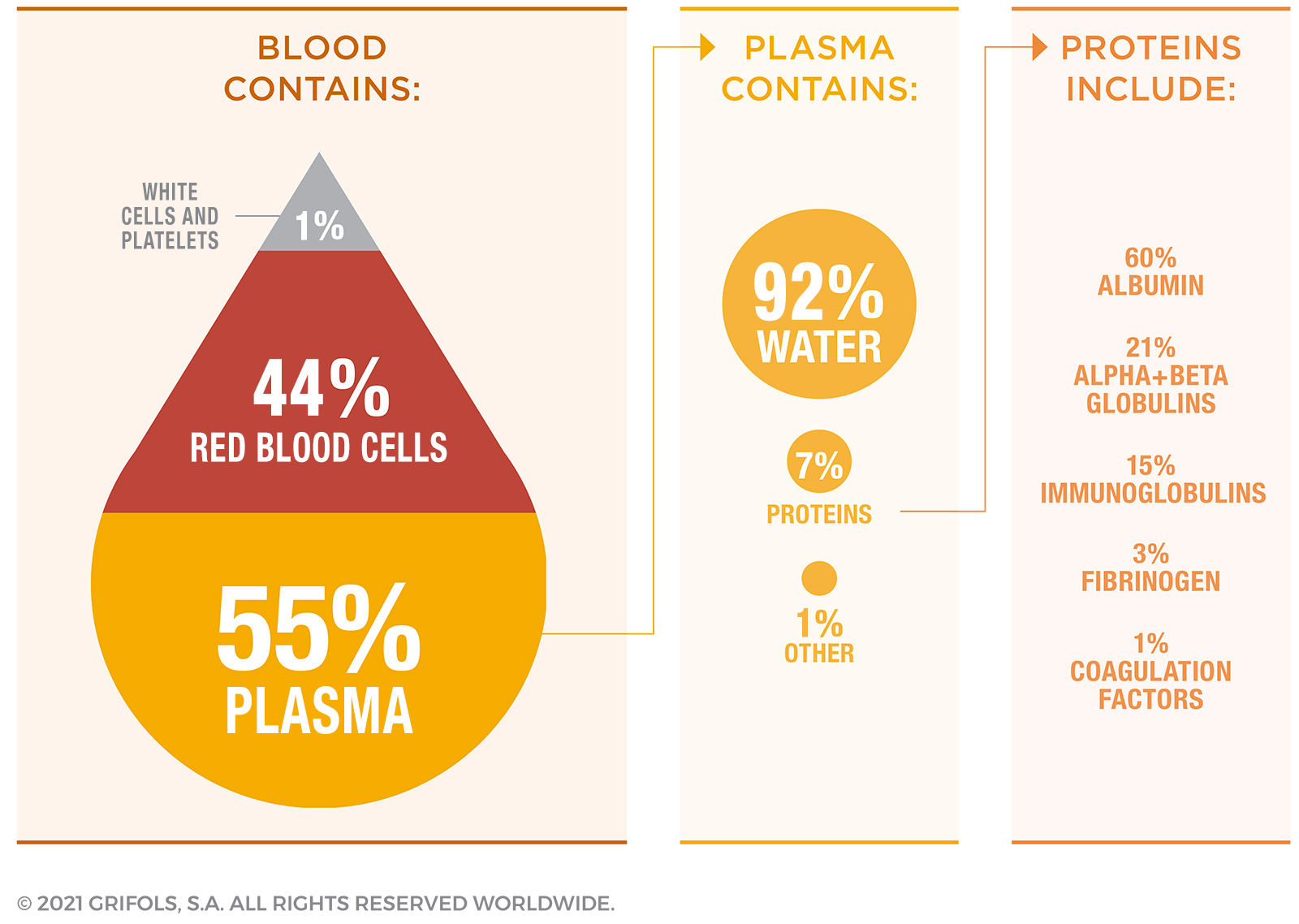
Blood plasma is a complex, straw-colored liquid that constitutes approximately 55% of total blood volume. It is composed of roughly 90% to 92% water, with the remaining 8% to 10% consisting of vital solutes, including proteins (albumin, globulins, and fibrinogen), electrolytes, nutrients, hormones, respiratory gases, and metabolic waste products.
While the term "plasma" also refers to the fourth state of matter in physics—an ionized gas found in stars and lightning—in a biological and medical context, plasma is the extracellular matrix of blood. It serves as the primary transport medium for moving life-sustaining substances throughout the human body while maintaining the critical physiological balance known as homeostasis. As of 2026, our understanding of the proteomic and lipidomic complexity of plasma has reached new heights, revealing that this "liquid gold" contains thousands of distinct molecules that reflect the real-time health status of every organ system.
The Primary Component: Water as a Universal Solvent
Water is the most abundant constituent of plasma, making up more than nine-tenths of its volume. This high water content is not merely a filler; it is biologically essential for several reasons. First, water acts as a universal solvent, allowing various organic and inorganic substances to dissolve or remain suspended for transport. Because water has a high specific heat capacity, plasma plays a central role in thermoregulation. It absorbs heat generated by metabolic processes in the muscles and liver and redistributes it to the skin's surface for dissipation.
Furthermore, the liquid nature of the water in plasma ensures the fluidity of blood. This allows the heart to pump blood through the vast network of capillaries, ensuring that even the most distal tissues receive oxygen and nutrients. Without this precise concentration of water, blood would become too viscous to circulate effectively, leading to catastrophic cardiovascular failure.
The Proteomic Landscape: Plasma Proteins
Proteins represent the most significant portion of the solutes in plasma by weight, accounting for approximately 7% to 8% of the total composition. Unlike the proteins found inside cells, plasma proteins are generally too large to pass through capillary walls easily, meaning they remain in the bloodstream where they perform specialized functions.
Albumin: The Pressure Regulator
Albumin is the most abundant plasma protein, comprising about 60% of the total protein content. Synthesized primarily in the liver, its most critical role is the maintenance of colloid osmotic pressure (also known as oncotic pressure). This physical force keeps water within the blood vessels, preventing it from leaking into the surrounding interstitial tissues. When albumin levels drop—a condition often seen in liver disease or severe malnutrition—it leads to edema, or localized swelling, as fluid escapes the vascular system. Additionally, albumin acts as a non-specific carrier molecule, transporting hydrophobic substances like fatty acids, bilirubin, and various medications that would otherwise be insoluble in the watery environment of the plasma.
Globulins: Transport and Defense
Globulins make up approximately 35% of plasma proteins and are categorized into three groups: alpha, beta, and gamma.
- Alpha and Beta Globulins: These are produced in the liver and serve primarily as transport proteins. They carry lipids (as lipoproteins), metal ions (such as iron in the form of transferrin), and fat-soluble vitamins (A, D, E, and K) to various tissues.
- Gamma Globulins: Also known as immunoglobulins or antibodies, these are produced by specialized white blood cells called plasma cells. They are the frontline of the adaptive immune system, identifying and neutralizing foreign pathogens like bacteria and viruses.
Fibrinogen and Clotting Factors
Fibrinogen accounts for roughly 4% of plasma proteins. It is the precursor to fibrin, the thread-like protein that forms the structural meshwork of a blood clot. When a blood vessel is damaged, a complex chemical cascade converts soluble fibrinogen into insoluble fibrin. This process, involving other specialized plasma proteins known as clotting factors (such as Prothrombin), is essential for preventing excessive blood loss during injury.
Electrolytes: Maintaining the Chemical Balance
Electrolytes are inorganic salts that carry an electrical charge. Although they represent less than 1% of the plasma by weight, their physiological impact is immense. The most common electrolytes found in plasma include sodium ($Na^+$), potassium ($K^+$), calcium ($Ca^{2+}$), magnesium ($Mg^{2+}$), chloride ($Cl^-$), and bicarbonate ($HCO_3^-$).
These ions are vital for:
- Osmotic Balance: Sodium is the primary extracellular cation and is the main driver of water movement between the plasma and the tissues.
- pH Buffering: The bicarbonate ion is a key component of the body’s buffering system, helping to maintain blood pH within the narrow range of 7.35 to 7.45.
- Cellular Function: Electrolytes are necessary for the propagation of nerve impulses and the contraction of muscles, including the heart.
Nutrients, Gases, and Regulatory Substances
Plasma serves as the body’s internal conveyor belt, carrying nutrients absorbed from the digestive tract to cells throughout the body. These include:
- Carbohydrates: Specifically glucose, which serves as the primary energy source for the brain and muscles.
- Amino Acids: The building blocks for tissue repair and protein synthesis.
- Lipids: Including cholesterol and triglycerides, which are transported as part of lipoprotein complexes.
- Vitamins: Both water-soluble and fat-soluble varieties.
In addition to nutrients, plasma contains dissolved gases. While most oxygen is carried by hemoglobin within red blood cells, a small amount is dissolved directly in the plasma. Conversely, a significant portion of carbon dioxide is transported in the plasma as bicarbonate or dissolved gas.
Regulatory substances, such as hormones, are also present in the plasma. These chemical messengers are secreted by endocrine glands and travel through the plasma to reach their target organs, regulating everything from metabolism and growth to reproductive cycles and stress responses.
Metabolic Waste Products
As cells perform metabolic work, they produce waste products that must be removed from the body to prevent toxicity. Plasma carries these substances to the excretory organs:
- Urea and Uric Acid: Products of protein and nucleic acid metabolism, transported to the kidneys for excretion in urine.
- Creatinine: A waste product of muscle metabolism, also filtered by the kidneys.
- Bilirubin: A breakdown product of old red blood cells, transported to the liver for excretion in bile.
Plasma vs. Serum: Understanding the Difference
In clinical diagnostics, the terms "plasma" and "serum" are often used, but they are not interchangeable. The primary difference lies in the presence of clotting factors.
| Feature | Plasma | Serum |
|---|---|---|
| Definition | The liquid portion of whole blood containing anticoagulants. | The liquid portion of blood remaining after a clot has formed. |
| Fibrinogen Content | Contains fibrinogen and all clotting factors. | Lacks fibrinogen (it was consumed to form the clot). |
| Preparation | Requires an anticoagulant (e.g., Heparin, EDTA) and centrifugation. | Blood is allowed to clot naturally, then centrifuged. |
| Clinical Use | Used for transfusions and coagulation studies. | Used for blood chemistry, serology, and electrolyte testing. |
| Water Content | Higher (~92%). | Slightly lower than plasma due to the absence of clotting proteins. |
The Clinical Importance of Plasma Composition
The precise composition of plasma is an invaluable diagnostic tool. Deviations from the "normal" range of plasma components often provide the first clues to underlying health issues. For example:
- High Glucose: May indicate diabetes mellitus or insulin resistance.
- Elevated Urea (BUN): Often suggests impaired kidney function.
- Low Albumin: Can point toward chronic liver disease, kidney issues (nephrotic syndrome), or severe malnutrition.
- High C-Reactive Protein (CRP): A plasma protein that rises significantly during systemic inflammation.
Furthermore, plasma donation is a cornerstone of modern medicine. Since plasma can be separated from cellular components (a process called plasmapheresis) and the cells returned to the donor, individuals can donate plasma more frequently than whole blood. The collected plasma is used to create life-saving therapies for patients with hemophilia, immune deficiencies, and severe burn injuries.
Physical Plasma: A Brief Disambiguation
While this article focuses on biological plasma, it is important to note that "plasma" is also the term for the fourth state of matter. In physics, plasma is a gas that has been energized to the point that some of its electrons are stripped from its atoms, creating a mixture of ions and free electrons.
Unlike blood plasma, physical plasma is highly electrically conductive and is influenced by magnetic fields. It is the most common state of matter in the visible universe, making up the sun and other stars. On Earth, physical plasma is visible in lightning, Aurora Borealis, and man-made applications like plasma televisions and neon signs. Despite the shared name, there is no direct relationship between the composition of biological blood plasma and the physical state of ionized gas.
Frequently Asked Questions
What gives plasma its yellowish color?
The straw-colored hue of plasma is primarily due to the presence of bilirubin, a yellow pigment produced during the breakdown of hemoglobin from old red blood cells. In some cases, a very pale yellow indicates a healthy state, while a darker yellow or orange might suggest higher concentrations of bilirubin or certain dietary pigments like carotenoids. If the plasma appears milky (lipemic), it often indicates a high concentration of lipids (fats) in the blood, usually following a meal.
Can the composition of plasma change throughout the day?
Yes, plasma composition is dynamic and fluctuates based on hydration, diet, physical activity, and stress levels. For example, after a meal high in carbohydrates, glucose levels in the plasma will rise before being regulated by insulin. Similarly, dehydration will decrease the water percentage of plasma, making the solutes more concentrated—a state often reflected in increased "hematocrit" levels (the ratio of red blood cells to total blood volume).
Why is plasma used for transfusions instead of whole blood?
Plasma is often preferred for specific medical emergencies because it can be used to rapidly restore blood volume and provide essential clotting factors without the need for the cellular components of blood. Because plasma (when processed into "Fresh Frozen Plasma" or FFP) can be typed and cross-matched easily and contains antibodies, it is essential for treating trauma patients with massive hemorrhages or patients with clotting disorders.
What is the difference between plasma and interstitial fluid?
Plasma is the liquid found inside the blood vessels (intravascular), while interstitial fluid is the liquid that bathes the cells outside the vascular system. The two are very similar in composition because they are constantly exchanged across capillary walls. The main difference is that plasma contains a much higher concentration of proteins (like albumin) which are too large to easily cross into the interstitial space.
How do electrolytes in plasma affect heart rhythm?
Electrolytes like potassium and calcium are crucial for the electrical signaling of the heart. If potassium levels in the plasma become too high (hyperkalemia) or too low (hypokalemia), it can disrupt the heart's electrical conductivity, leading to dangerous arrhythmias or even cardiac arrest. This is why the body uses the kidneys and various hormones to keep plasma electrolyte concentrations within a very tight range.
Next Steps for Health Monitoring
Understanding the composition of your plasma is essential for proactive health management. Most routine medical examinations include a Comprehensive Metabolic Panel (CMP), which measures the levels of various solutes in your plasma, including glucose, calcium, proteins, and electrolytes. If you are interested in your specific plasma profile, consult with a healthcare provider to review your latest blood work. For those looking to make a tangible difference in the lives of others, consider visiting a certified plasma donation center; the proteins and antibodies in your plasma can be processed into medications that are currently irreplaceable by synthetic alternatives.
Image Gallery
Select an image to open it in a new tab.

Lars Thomsen
Global Labor Markets and Economic Strategy Editor
