The End of the War in Afghanistan: A Comprehensive Analysis of the Conflict's Conclusion and Aftermath
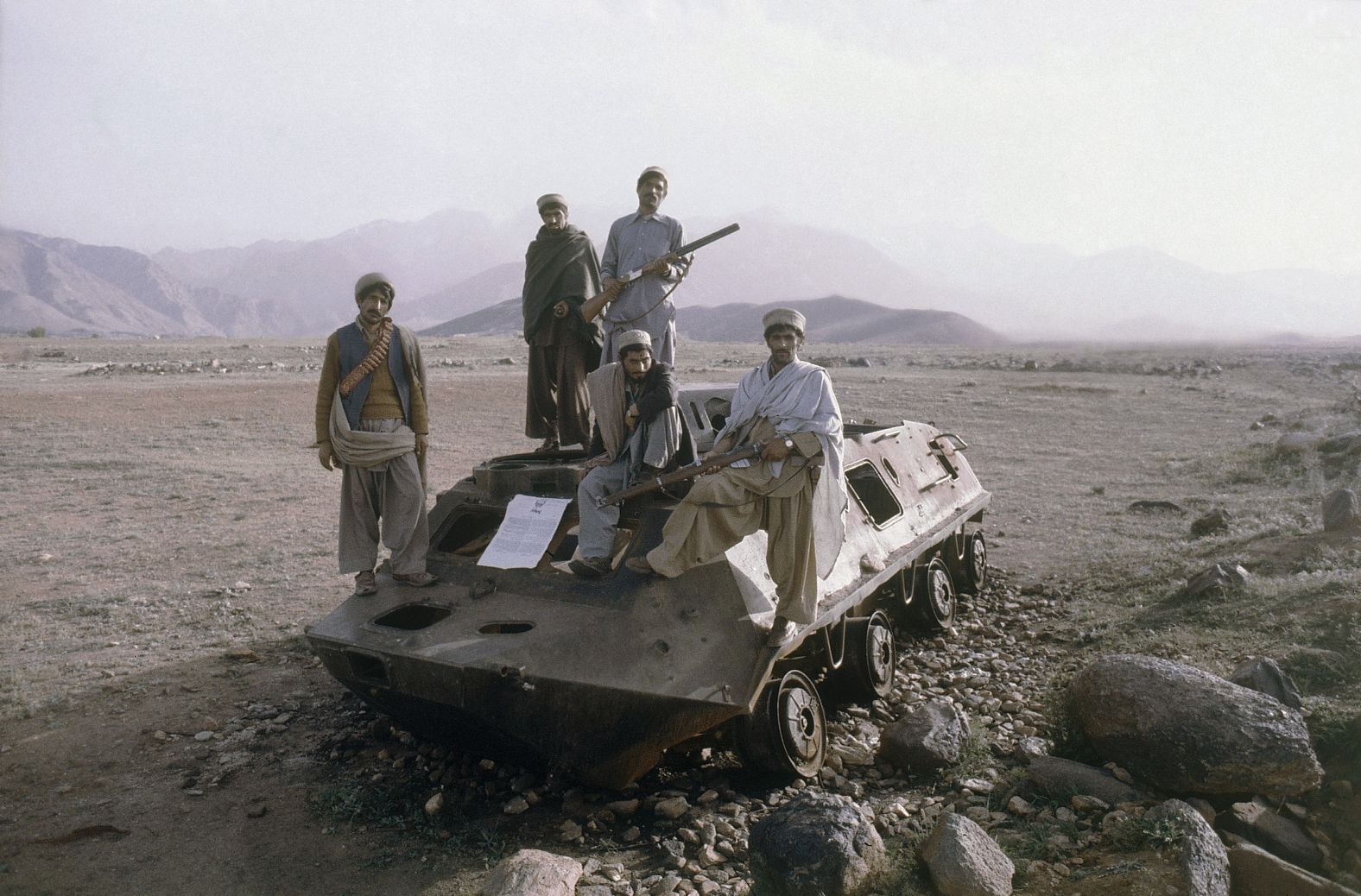
The War in Afghanistan officially ended on August 30, 2021, when the final United States military aircraft, a C-17 Globemaster III, departed from Hamid Karzai International Airport in Kabul. This departure signaled the conclusion of a 20-year military engagement, the longest in American history, resulting in the Taliban's return to sovereign control.
The Path to the Withdrawal: The Doha Agreement
The definitive end of the conflict was set in motion not on the battlefield, but through diplomatic channels in Qatar. On February 29, 2020, the United States and the Taliban signed the "Agreement for Bringing Peace to Afghanistan," commonly referred to as the Doha Agreement. This document was the primary catalyst for the eventual withdrawal of U.S. and coalition forces.
The agreement focused on four main pillars: a permanent and comprehensive ceasefire, a guarantee that Afghan soil would not be used by terrorist groups to threaten the security of the U.S. and its allies, a specific timeline for the withdrawal of all foreign forces, and the commencement of intra-Afghan negotiations. Critically, the Afghan government was excluded from these initial negotiations, a factor many analysts believe terminally weakened the domestic administration's legitimacy.
By the time the Biden administration took office in early 2021, the withdrawal timeline was already established. While the initial deadline of May 1, 2021, was extended to September 11, 2021—to provide a symbolic conclusion on the 20th anniversary of the 9/11 attacks—the momentum toward departure remained irreversible. The U.S. military began a phased reduction of personnel, vacating major hubs like Bagram Airfield in July 2021, often under the cover of night to prevent interference or immediate looting.
The Rapid Collapse of the Afghan National Defense and Security Forces (ANDSF)
As foreign forces withdrew their logistical and air support, the Afghan National Defense and Security Forces (ANDSF) faced a systemic collapse. Throughout the summer of 2021, the Taliban launched a sweeping offensive that captured district after district with surprising speed. Between August 6 and August 15, the group seized nearly every major provincial capital, including Herat, Kandahar, and Mazar-i-Sharif.
The collapse of the ANDSF was not merely a failure of bravery or equipment, as the U.S. had invested nearly $90 billion in training and arming these forces. Instead, the failure was rooted in deep-seated structural issues. These included a reliance on U.S. air intelligence and maintenance contractors, widespread corruption leading to "ghost soldiers" (names on a payroll for troops that did not exist), and a catastrophic breakdown in morale. When the central government in Kabul failed to provide food, ammunition, and pay to remote outposts, many local commanders negotiated surrenders to the Taliban to avoid further bloodshed.
The Fall of Kabul and Operation Allies Refuge
On August 15, 2021, the Taliban entered Kabul. President Ashraf Ghani fled the country, citing a desire to prevent a massacre in the capital. This event triggered a chaotic and desperate evacuation effort known as Operation Allies Refuge. For two weeks, Hamid Karzai International Airport became the focal point of the world's attention.
The evacuation was one of the largest airlifts in history, moving more than 120,000 people out of the country. However, the process was marred by violence and humanitarian distress. Thousands of Afghan civilians gathered at the airport gates, desperate to escape the incoming regime. On August 26, 2021, the situation turned deadly when an ISIS-K suicide bomber attacked Abbey Gate, killing 13 U.S. service members and at least 170 Afghan civilians.
Despite the tragedy, the withdrawal continued until the final minute of the August 31 deadline. Major General Chris Donahue was the last American soldier to board the final flight, effectively ending the U.S. military presence that had begun in October 2001.
The Financial and Human Cost of the Conflict
The 20-year war left a staggering legacy of loss. According to the Brown University Costs of War Project, the financial burden exceeded $2.3 trillion. This figure includes direct military spending, interest on war debt, and the long-term cost of caring for veterans.
The human toll was even more profound:
- U.S. Service Members: 2,448 killed and over 20,000 wounded.
- U.S. Contractors: Nearly 4,000 deaths.
- Afghan National Military and Police: An estimated 66,000 to 69,000 deaths.
- Afghan Civilians: Approximately 46,000 to 48,000 deaths directly attributed to the conflict.
- Opposing Combatants: Estimated 51,000 deaths among Taliban and other insurgents.
Comparative Analysis: U.S. Strategic Goals vs. 2021 Outcomes
The following table outlines the primary objectives established at the beginning of the war compared to the status of those objectives at the time the war in Afghanistan finally ended.
| Strategic Objective | Status in 2021 | Long-term Result |
|---|---|---|
| Dismantling Al-Qaeda | Partially Successful | Al-Qaeda's leadership was decimated, but the group maintains a presence. |
| Removing the Taliban | Failed | The Taliban regained full control of the national government. |
| Nation-Building / Democracy | Failed | The democratic republic collapsed; replaced by the Islamic Emirate. |
| Advancing Women's Rights | Significant Reversal | Rapid imposition of restrictions on education and employment for women. |
| Training the ANDSF | Failed | The security forces dissolved within weeks of U.S. withdrawal. |
| Eliminating Opium Production | Failed | Afghanistan remained a primary global source of opium throughout the war. |
Geopolitical Consequences and the Taliban Era (2021–2026)
Since the war ended, Afghanistan has entered a period of relative domestic stability in terms of active combat, but it faces severe economic and humanitarian crises. As of 2026, the Taliban's "Islamic Emirate" remains the de facto government, though it lacks broad international recognition.
The international community has struggled with how to engage with the new regime. Billions of dollars in Afghan central bank assets remain frozen in the United States and Europe. This isolation has contributed to a collapsing economy, with high rates of malnutrition and poverty reported by the United Nations Assistance Mission in Afghanistan (UNAMA).
The most significant social impact has been the restriction of human rights, particularly for women and girls. Since 2021, the Taliban have issued numerous decrees banning girls from attending secondary schools and universities and prohibiting women from working in most sectors, including for international NGOs. These policies have become a primary obstacle to the regime's goal of achieving international legitimacy and the lifting of economic sanctions.
Security Shifts and Regional Dynamics
The end of the war also shifted the security dynamics of Central and South Asia. With the U.S. departure, regional powers such as China, Russia, Iran, and Pakistan have sought to expand their influence in Kabul. China, in particular, has expressed interest in Afghanistan's mineral wealth, including significant deposits of lithium and copper, though security concerns have slowed large-scale investments.
However, the Taliban government faces internal security threats, most notably from the Islamic State-Khorasan (ISIS-K). The two groups are bitter rivals, and ISIS-K has continued to launch urban terror attacks against religious minorities and Taliban officials. This internal friction ensures that while the international "war" has ended, the region remains volatile.
Frequently Asked Questions
Why did the United States stay in Afghanistan for 20 years?
The mission evolved significantly over two decades. Initially, the goal was to capture Osama bin Laden and punish the Taliban for hosting Al-Qaeda. Following the initial success, the mission expanded into "nation-building"—attempting to create a stable, democratic Afghan state that could prevent the return of terrorist groups. This expansion, combined with a resilient insurgency, led to a prolonged stalemate that spanned four U.S. presidencies.
Who is currently in charge of Afghanistan?
As of 2026, the Taliban maintain absolute control over the country. The government is structured as an Islamic Emirate, with supreme authority held by the Hibatullah Akhundzada, based in Kandahar. The administration is not elected and does not follow the constitution established during the U.S.-backed republic.
Was the withdrawal considered a success?
The assessment of the withdrawal is highly polarized. From a logistical standpoint, the airlift of 120,000 people was a significant feat. However, from a strategic and humanitarian perspective, it is widely viewed as a failure due to the rapid collapse of the Afghan government, the death of 13 U.S. service members at the airport, and the abandonment of thousands of Afghan allies who had worked with coalition forces.
What happened to the billions of dollars of U.S. military equipment?
When the ANDSF collapsed, much of the equipment provided by the United States—including Humvees, light attack aircraft, and small arms—fell into the hands of the Taliban. While many of the high-end platforms, such as helicopters, became inoperable due to a lack of specialized maintenance and spare parts, the Taliban remains one of the best-equipped non-state actors-turned-government in the world.
Is the United States still involved in Afghanistan?
While there are no U.S. "boots on the ground," the United States maintains "over-the-horizon" counter-terrorism capabilities. This involves using drones and surveillance assets based in other countries to monitor and, if necessary, strike high-value targets. Diplomatically, the U.S. remains involved through humanitarian aid (often funneled through the UN) and ongoing negotiations regarding human rights and the release of detained citizens.
Practical Recommendations for Understanding the Conflict
For those looking to understand the nuances of why the war in Afghanistan finally ended and what it means for the future of global security, the following actions are recommended:
- Consult Official Reports: Review the reports from the Special Inspector General for Afghanistan Reconstruction (SIGAR). These documents provide the most detailed, non-partisan analysis of why reconstruction efforts failed and how billions of dollars were spent.
- Monitor Humanitarian Updates: Follow organizations like the International Rescue Committee (IRC) or the World Food Programme (WFP) to understand the current living conditions of the Afghan people, which remain dire five years after the military conflict concluded.
- Study Regional Geopolitics: Research the roles of the "Extended Troika" (U.S., Russia, China, and Pakistan) to see how the power vacuum left by the U.S. is being filled.
- Support Refugee Initiatives: Many Afghans who were evacuated in 2021 are still navigating the legal and social hurdles of resettlement in the U.S., Canada, and Europe. Local community organizations often provide ways to assist these families.
Image Gallery
Select an image to open it in a new tab.
Simon Caldwell
Enterprise Technology and Systems Editor
