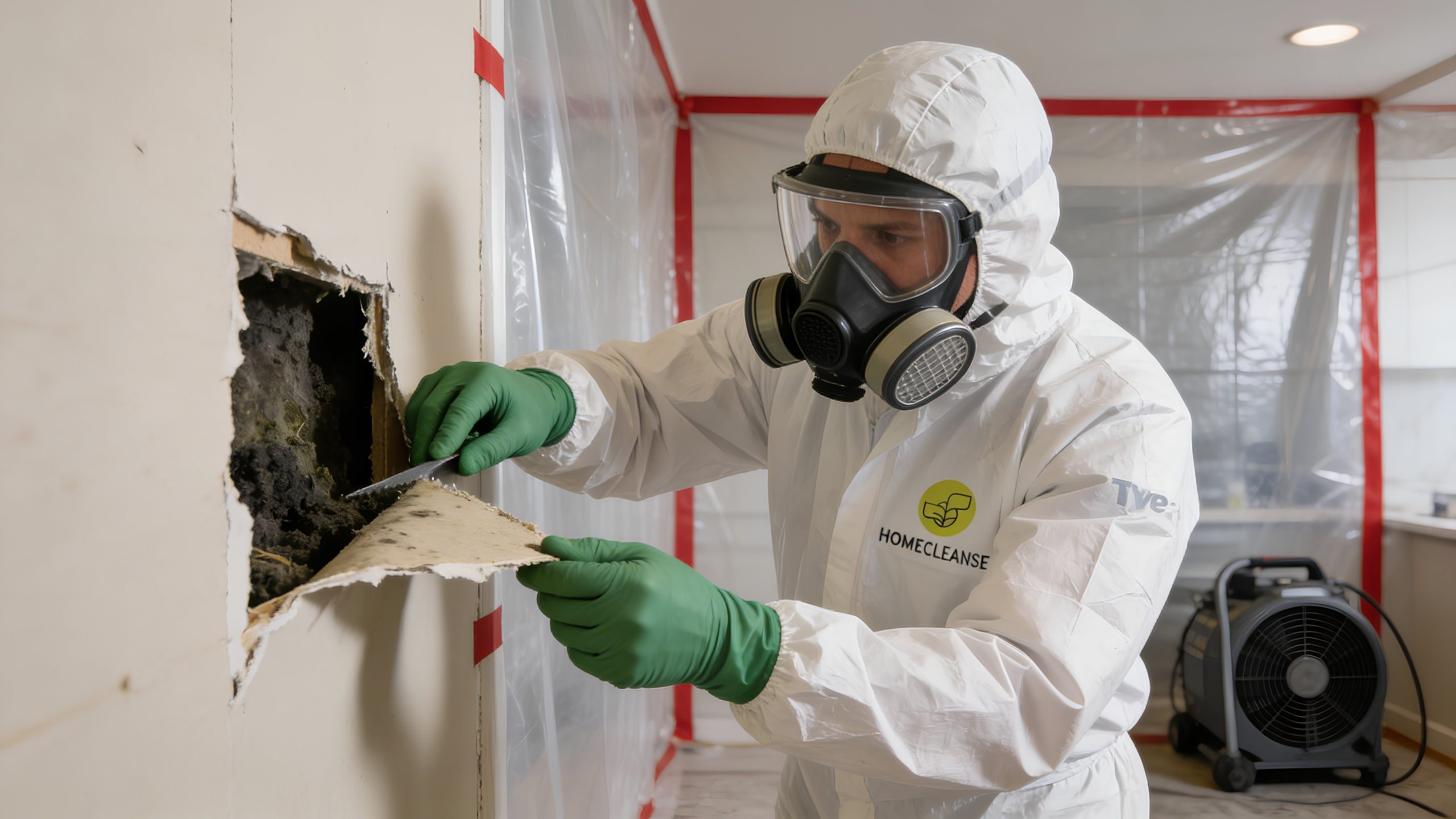
As of 2026, North Carolina does not have a specific state-mandated licensing program for mold remediation contractors or assessors. Instead, mold issues are governed by a combination of landlord-tenant statutes, residential property disclosure requirements, and federal health and safety guidelines. While there is no "Mold Board" in Raleigh, legal liability for mold is established through the implied warranty of habitability and professional industry standards.
Understanding the legal landscape of mold remediation in North Carolina requires looking beyond a single "Mold Law." Because the state remains one of many that does not require a specific state license to perform mold cleanup, the burden of quality and compliance often falls on the property owner's ability to vet contractors and understand their rights under existing statutes. Whether you are a tenant dealing with a damp apartment, a homeowner preparing to sell, or a contractor looking to stay compliant, North Carolina's regulatory environment is a complex web of civil law and public health recommendations.
The Regulatory Framework: Why NC Is Different
In many states, such as Florida or Texas, the law requires mold professionals to hold a specific state license, carry high-limit liability insurance, and adhere to strict "conflict of interest" rules (such as forbidding the same company from doing the testing and the cleanup). North Carolina has not adopted this model. As we move through 2026, the North Carolina Department of Health and Human Services (NCDHHS) continues to provide guidance rather than enforcement for private residential mold issues.
The lack of a specific mold license does not mean the industry is unregulated. Remediation in the state is indirectly governed by:
- NC General Statutes Chapter 42: Covering landlord and tenant obligations.
- NC Residential Building Code: Addressing moisture barriers and ventilation.
- Federal OSHA Standards: Protecting workers during the remediation process.
- The North Carolina Residential Property Disclosure Act: Forcing sellers to be honest about past water damage.
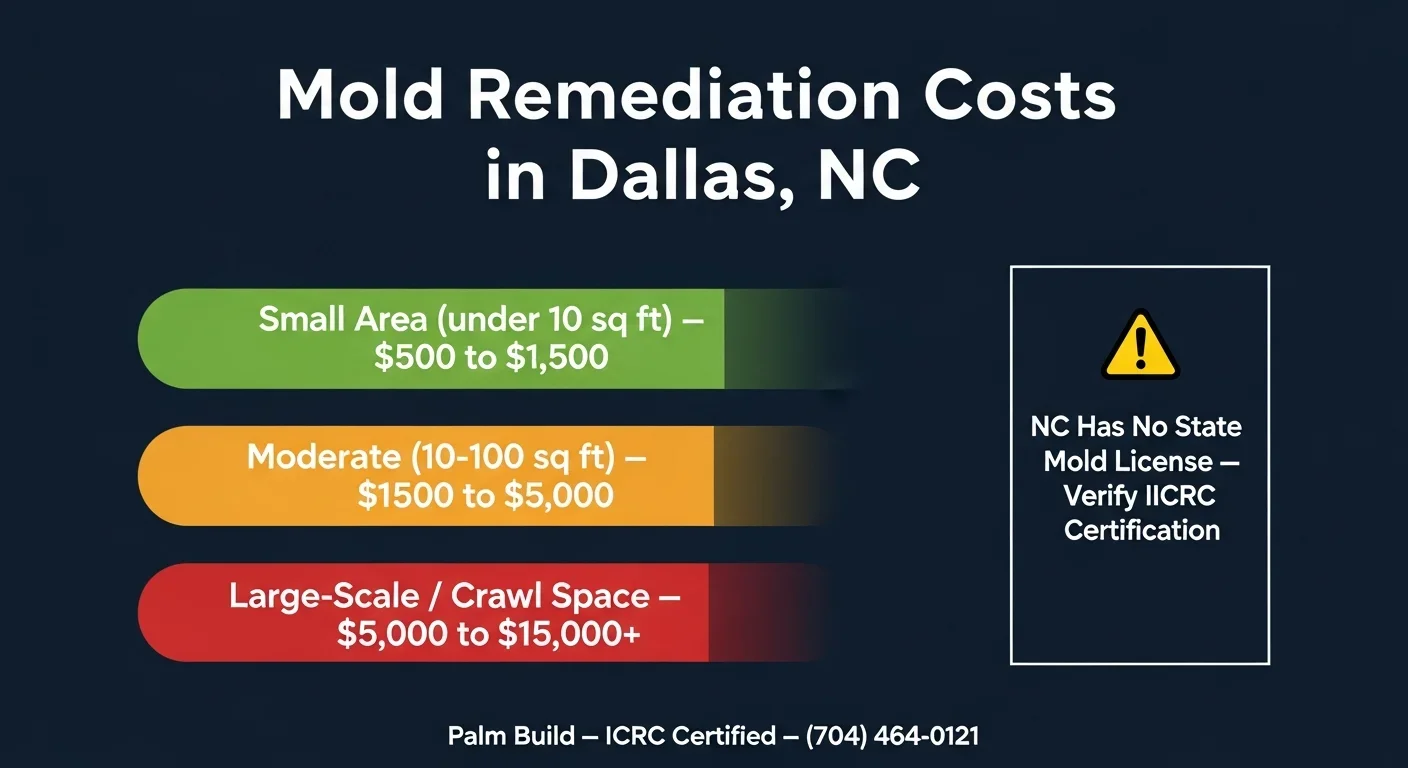
For the consumer, this means that "certification" is the gold standard rather than "licensing." Most reputable firms in North Carolina hold certifications from the IICRC (Institute of Inspection, Cleaning and Restoration Certification) or the ACAC (American Council for Accredited Certification). In a court of law, these industry standards (specifically the IICRC S520) are often used as the benchmark to determine if a contractor acted with reasonable care.
Landlord-Tenant Obligations and Mold
The most litigated area of North Carolina mold law involves the relationship between landlords and tenants. Under NC General Statute § 42-42, landlords are required to provide "fit and habitable" premises. This includes keeping the property in a safe condition and complying with all current applicable building and housing codes.
The Landlord’s Responsibility
Specifically, the law requires landlords to repair or remedy any "imminently dangerous conditions," which can include significant moisture or water damage that leads to mold growth. Since 2005, North Carolina has explicitly included the requirement that landlords must repair "any moisture or water damage" that results in mold. However, the landlord's duty to repair is only triggered once they receive written notice from the tenant.
If a landlord fails to address a mold problem that makes the home uninhabitable, they may be in breach of the Implied Warranty of Habitability. This can lead to a "Rent Abatement" action, where a tenant sues to recover a portion of the rent paid while the property was in a state of disrepair. It is crucial to note that North Carolina law generally does not allow tenants to "repair and deduct" or unilaterally stop paying rent without a court order. Doing so often leads to a valid eviction for non-payment, regardless of the mold's severity.
The Tenant’s Responsibility
Under NC General Statute § 42-43, tenants also have a legal duty. They must keep their part of the premises as clean and safe as the condition of the premises permits. This includes:
- Notifying the landlord in writing of any water leaks or mold growth.
- Using exhaust fans in bathrooms and kitchens.
- Maintaining a reasonable indoor humidity level (generally below 60%).
- Preventing "tenant-induced" mold, such as that caused by drying clothes indoors without ventilation or failing to report a small leak until it becomes a catastrophe.
Mold Disclosures in Real Estate Transactions
For those buying or selling property in North Carolina, the Residential Property Disclosure Act is the primary legal tool. Sellers are required to complete a "Residential Property and Owners' Association Disclosure Statement."
As of 2026, the North Carolina Real Estate Commission requires sellers to disclose whether they have actual knowledge of a "hazardous or toxic substance," which includes mold. Sellers must also disclose "past or present water contamination" or "dampness."
Failure to disclose a known mold issue can lead to lawsuits for breach of contract or fraud. However, North Carolina is historically a "caveat emptor" (buyer beware) state. If a seller checks "No Representation"—meaning they aren't making a claim one way or the other—the burden shifts to the buyer to discover the mold during a home inspection. This makes professional mold testing during the due diligence period an essential step for North Carolina homebuyers.
Industry Standards and Best Practices (IICRC S520)
Because North Carolina lacks a state-specific mold statute for the method of cleanup, the legal system relies on the IICRC S520 Standard for Professional Mold Remediation. This document is considered the "Standard of Care" in the industry.
| Category | Standard Requirement (IICRC S520) | Why It Matters in NC Law |
|---|---|---|
| Assessment | Pre-remediation assessment by a qualified professional. | Establishes the baseline for "reasonableness" in legal disputes. |
| Containment | Use of HEPA-filtered air scrubbers and physical barriers. | Prevents cross-contamination to unaffected areas of the home. |
| Removal | Porous materials (drywall, insulation) must be removed, not just sprayed. | "Sealants" or "encapsulants" over active mold are often legally indefensible. |
| Verification | Post-remediation verification (PRV) by a third party. | Provides "clearance" documentation for insurance and resale. |
If a contractor in Charlotte or Raleigh claims to "kill mold with a special spray" without removing the source or using containment, they are likely violating the standard of care. In the event of a future health issue or property damage, this lack of adherence to the IICRC S520 can be used as evidence of professional negligence.
Health Guidelines and OSHA Compliance
While the state doesn't regulate residential cleanup methods, the NCDHHS Occupational and Environmental Epidemiology Branch provides health-based guidance. They emphasize that there are no established "safe" levels of mold spores in the air because different people have different sensitivities.
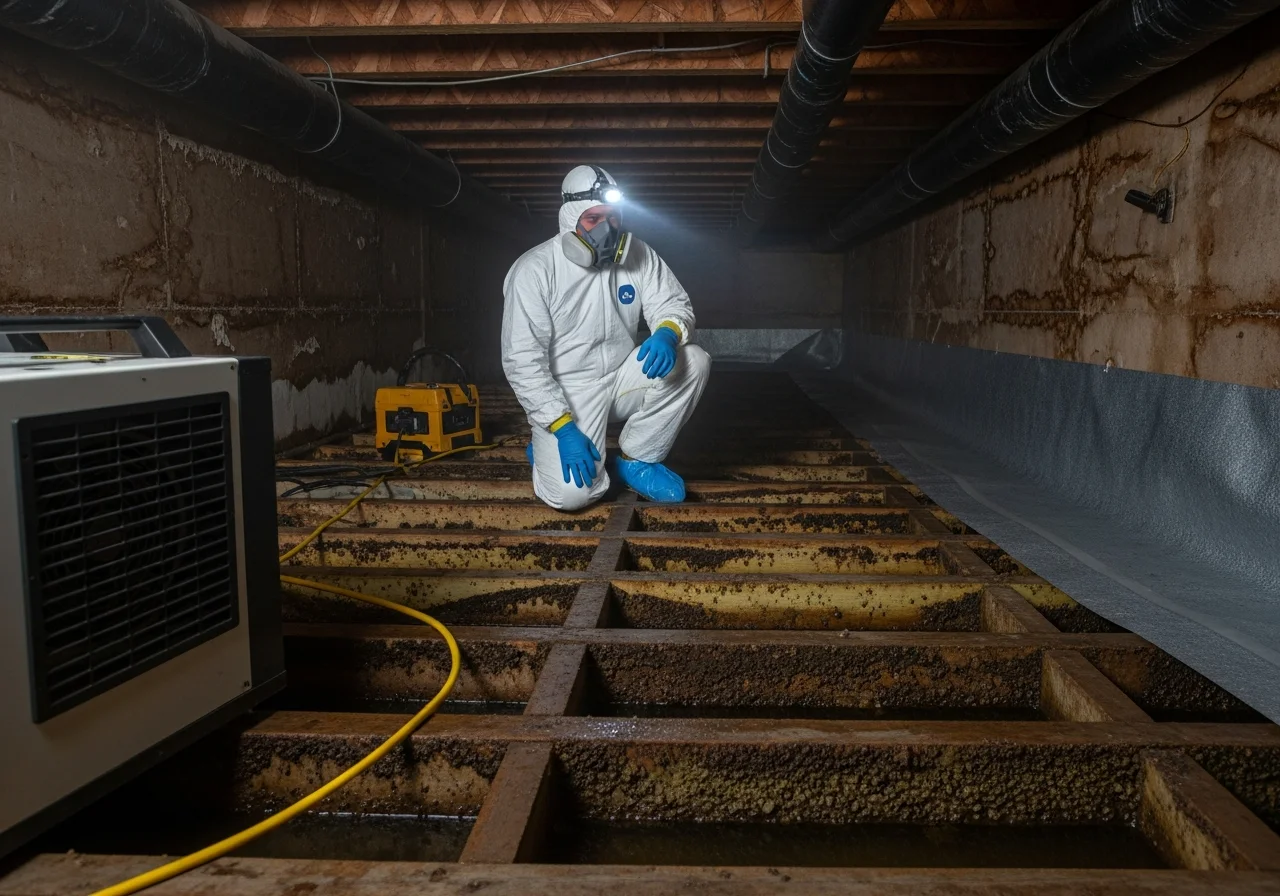
In commercial settings or during the remediation process itself, OSHA (Occupational Safety and Health Administration) regulations apply. Contractors must ensure their employees have:
- Proper Personal Protective Equipment (PPE), including N-95 or P-100 respirators.
- Training on the hazards of mold and the chemicals used during cleanup.
- Proper disposal protocols for contaminated waste.
Failure to follow these federal rules can lead to heavy fines for the remediation company, even if the state of North Carolina does not have its own "mold police."
Insurance Coverage and Mold in NC
Insurance is another area where North Carolina "law" is actually a matter of contract and DOI (Department of Insurance) regulations. Most standard North Carolina homeowners' insurance policies (HO-3) have specific "mold exclusions."
Typically, mold is only covered if it is the direct result of a "covered peril." For example, if a pipe bursts and mold grows before it can be dried, the remediation is usually covered (often capped at $5,000 to $10,000). However, if mold is caused by a slow, long-term leak, high humidity, or lack of maintenance, the insurance company will likely deny the claim. North Carolina courts have generally upheld these exclusions, placing the financial burden of remediation on the property owner.
Common Legal Pitfalls to Avoid
Navigating mold issues in 2026 requires avoiding several common legal traps specific to North Carolina’s environment:
- Skipping the Written Notice: Tenants often lose mold cases because they only complained to the landlord via phone or text. NC law is very specific about "written notice." Certified mail remains the best practice for legal protection.
- Using "Free" Inspections: Many North Carolina contractors offer "free mold inspections." Legally and ethically, this is a conflict of interest. The person who finds the mold should not be the one who gets paid to fix it. Ideally, you should hire an independent mold assessor to write a "Scope of Work" that the remediation company must follow.
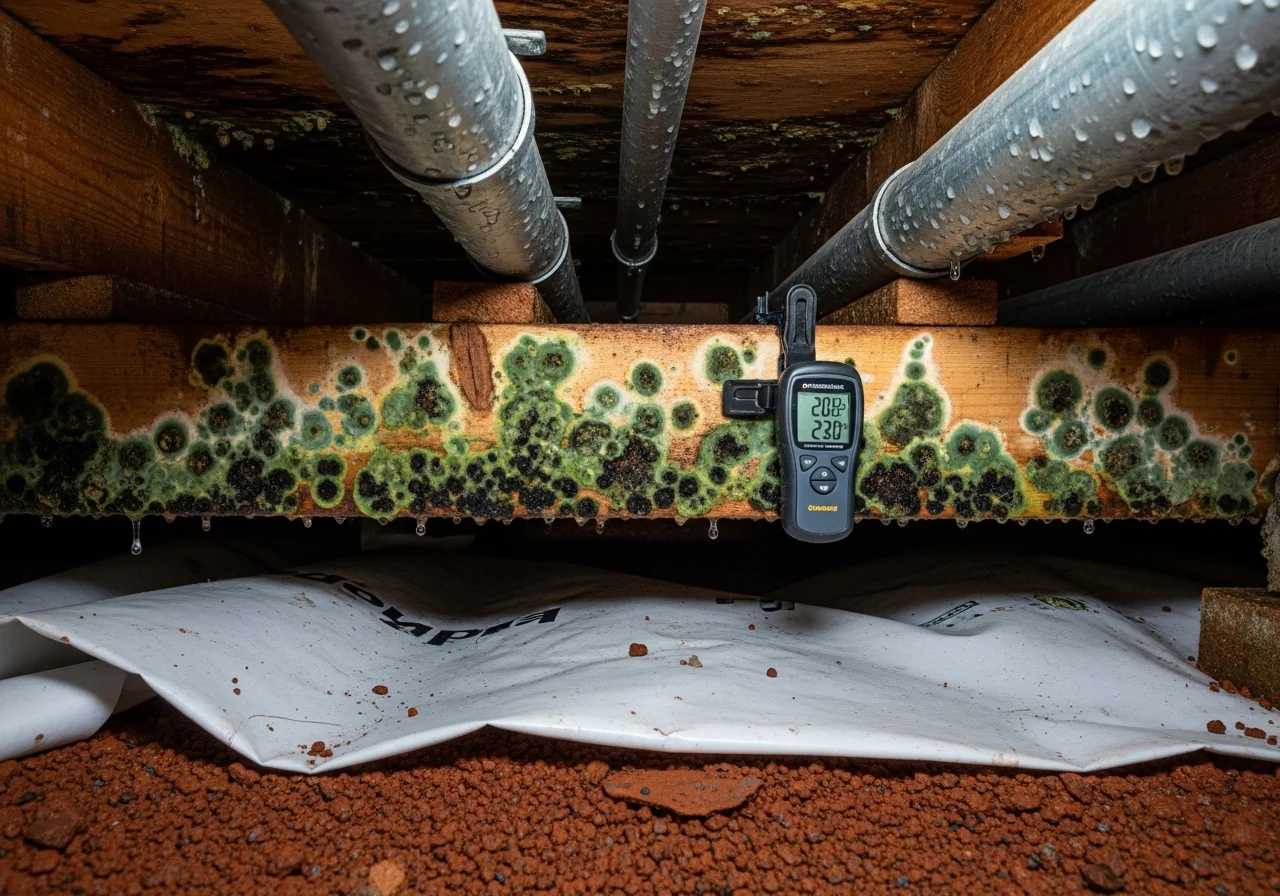
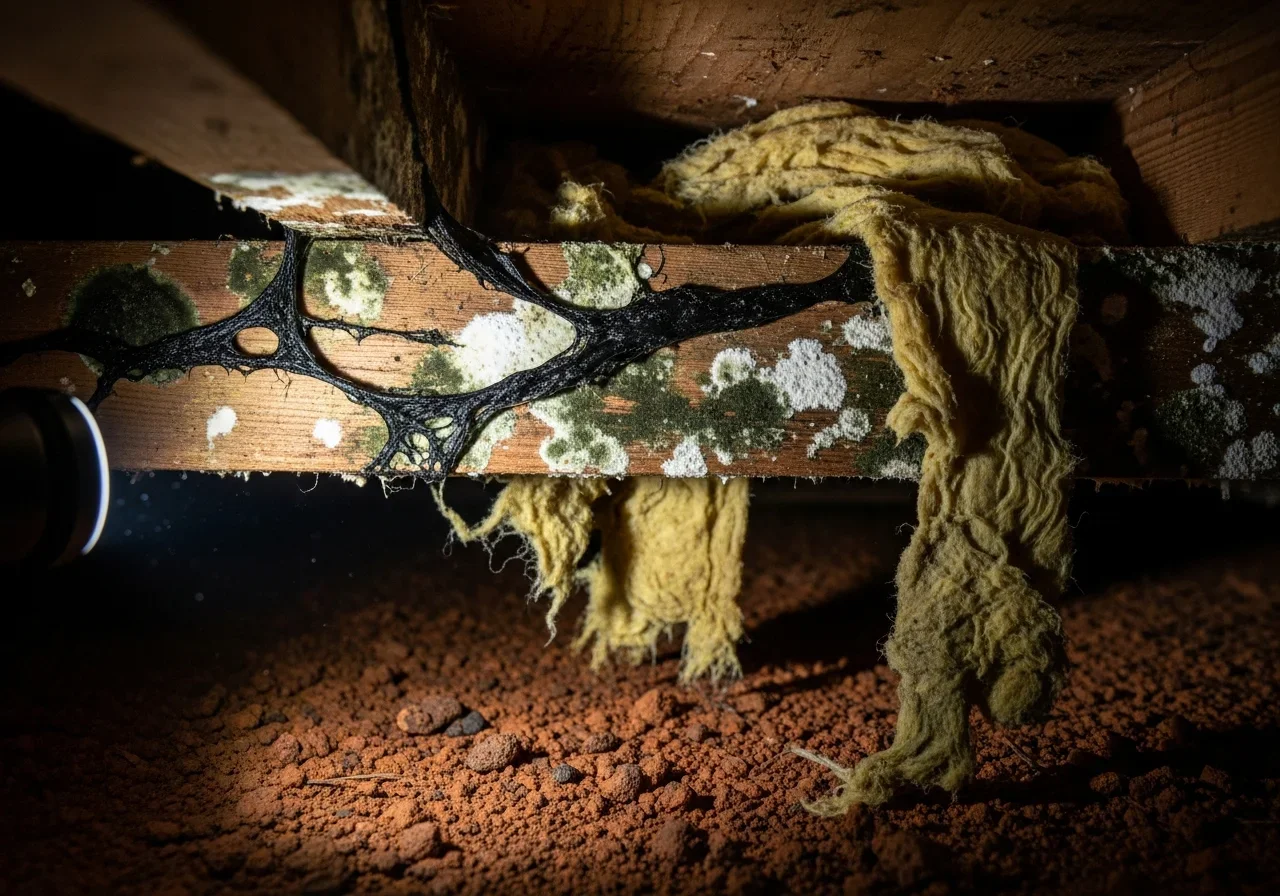
- Ignoring the Source: Mold is a symptom, not the disease. If a contractor cleans the mold but doesn't fix the flashing, the crawl space drainage, or the HVAC issue, the mold will return. Under the habitability statutes, a landlord has not fulfilled their duty if they only clean the visible mold while leaving the underlying water intrusion unaddressed.
- Inadequate Clearance Testing: Once the job is done, you need a "Clearance Report" from an independent third party. This document is your primary defense when you eventually sell the home and have to fill out the Residential Property Disclosure.
Professional Recommendations and Next Actions
If you find yourself facing a mold issue in North Carolina, follow these steps to ensure you are legally and physically protected:
- For Tenants: Document everything with photos. Send a formal "Notice to Repair" via certified mail. Contact your local city or county building inspector if the landlord refuses to act, as they can cite the landlord for code violations which supports your habitability claim.
- For Homeowners: Do not rely on "encapsulation" alone. If you are hiring a professional, ask for proof of IICRC or ACAC certification and a written contract that specifies adherence to the S520 standard.
- For Sellers: Disclose everything. The cost of a $2,000 remediation is far less than the cost of a $50,000 lawsuit for non-disclosure three years after the sale.
- For Buyers: Always include a mold air quality test or a thorough crawl space inspection as part of your due diligence, especially in the humid coastal or piedmont regions of the state.
FAQ
Does a landlord have to move me to a hotel during mold remediation in NC? There is no specific North Carolina statute that automatically requires a hotel stay. However, if the "implied warranty of habitability" is breached—meaning the home is truly unsafe to live in—the landlord may be liable for "consequential damages," which can include the cost of alternative housing. This is often negotiated or settled in small claims court.
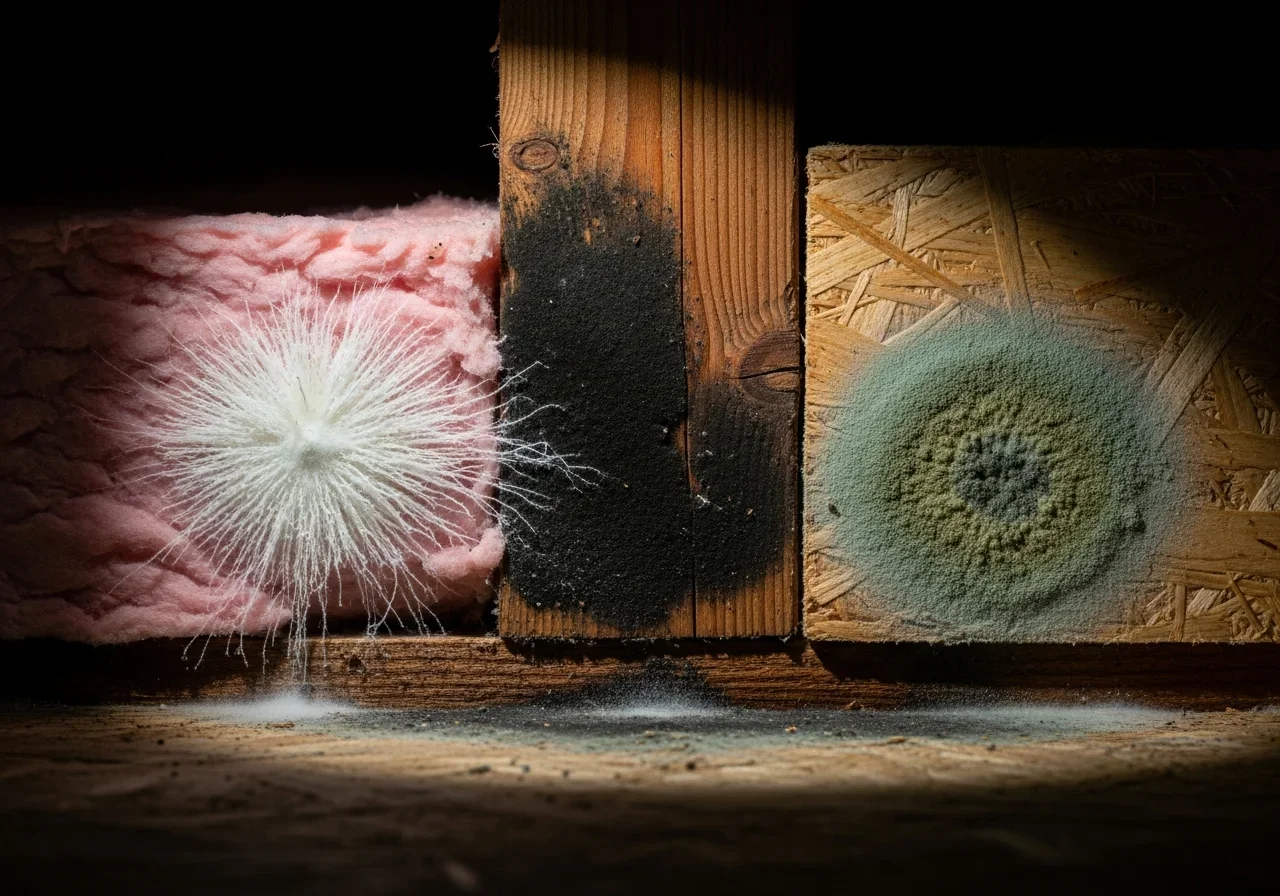
Is there a legal limit for mold spores in North Carolina? No. Neither the EPA nor the State of North Carolina has established numerical standards for "safe" mold levels. This is because mold sensitivity varies wildly between individuals. Legal cases are usually built on the presence of "atypical" mold species (like Stachybotrys or Chaetomium) or indoor spore counts that are significantly higher than outdoor "baseline" counts.
Can I sue my landlord for health problems caused by mold? Yes, but these are difficult and expensive cases. In North Carolina, you must prove "causation." This requires medical expert testimony linking your specific health condition to the specific mold species found in your home. Often, the cost of the legal and medical experts exceeds the value of the claim.
Do I need a permit for mold remediation in North Carolina? Generally, no. Mold remediation itself does not require a building permit. However, if the remediation involves structural repairs—such as replacing floor joists or significantly altering plumbing or electrical systems—a local building permit from your city or county is required.
Can I clean the mold myself? If the affected area is less than 10 square feet (roughly a 3x3 patch), the EPA and NCDHHS suggest homeowners can often handle it themselves with proper precautions. For areas larger than this, or if the HVAC system is contaminated, professional intervention is highly recommended to avoid legal liability and health risks.
By staying informed of these non-centralized but powerful regulations, North Carolina residents can effectively manage mold issues, protect their health, and preserve their property values.
Image Gallery
Select an image to open it in a new tab.

Declan O'Connor
Higher Education and Campus Culture Reporter
