Comprehensive Guide to Employee After-Tax Life Insurance and Health Care Benefits in 2026
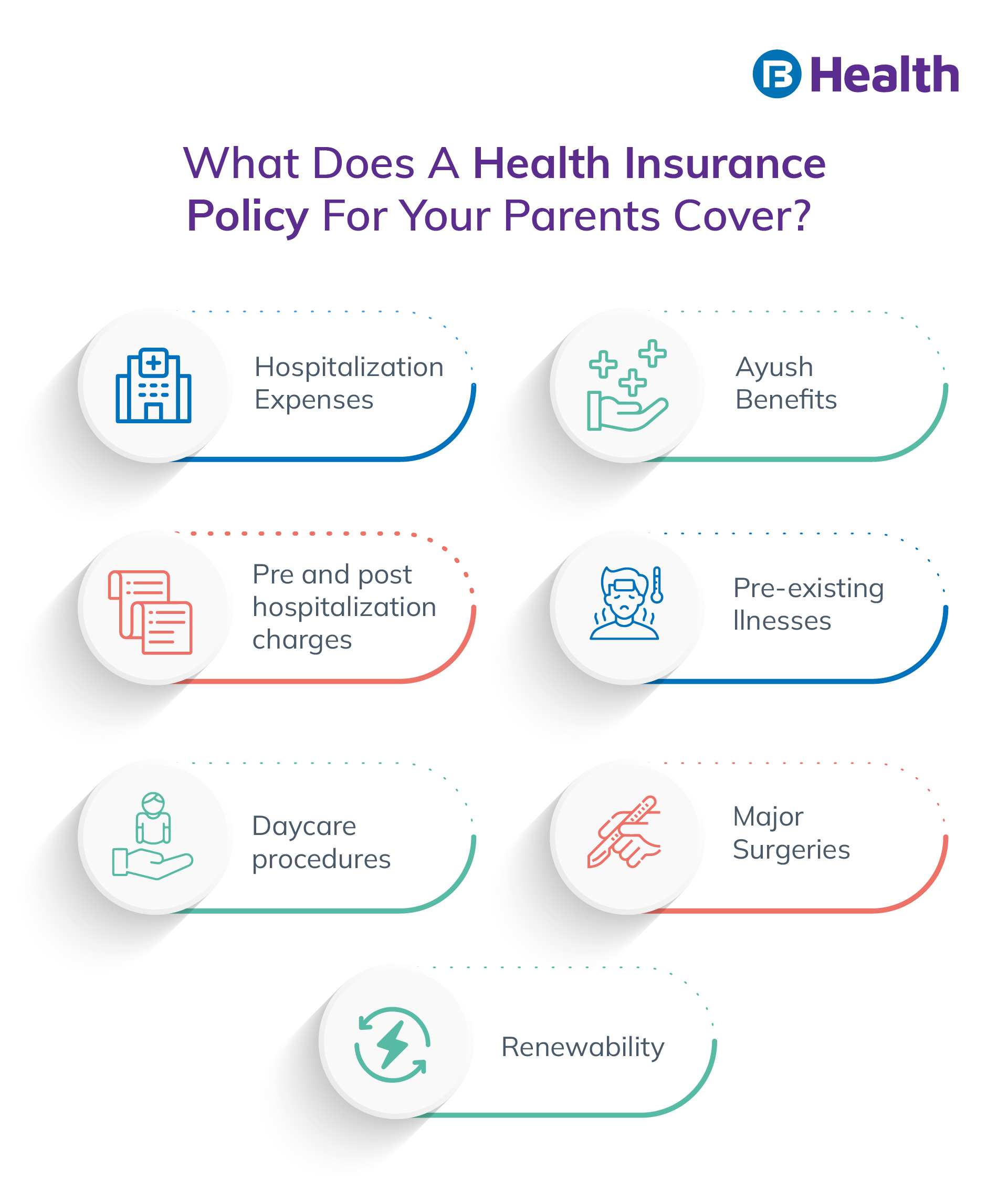
Employee after-tax life insurance and health care benefits are voluntary coverages paid with income that has already been subject to federal, state, and payroll taxes. Unlike pre-tax deductions which lower your current taxable income, after-tax contributions typically ensure that any future payouts, death benefits, or claim reimbursements are received tax-free by the policyholder or their beneficiaries.
Navigating the landscape of employer-sponsored benefits in 2026 requires a sophisticated understanding of how the Internal Revenue Service (IRS) distinguishes between pre-tax and after-tax dollars. While most employees are familiar with pre-tax health insurance premiums, after-tax selections play a critical role in long-term financial planning, particularly concerning supplemental life insurance and specialized health indemnity plans. The choice between paying now (via after-tax deductions) or paying later (via taxed benefits) can significantly alter an individual’s net wealth and financial security.
The Fundamental Distinction: Pre-Tax vs. After-Tax Benefits
To understand after-tax benefits, one must first grasp the "Cafeteria Plan" or Section 125 framework. Most traditional health insurance premiums are deducted pre-tax, meaning the money is taken out of your paycheck before Social Security, Medicare, and income taxes are calculated. This provides an immediate "discount" on the cost of the insurance.
After-tax benefits, however, do not reduce your gross income for tax purposes. If you earn $5,000 a month and have $100 in after-tax life insurance deductions, your taxable income remains $5,000. While this sounds less efficient, the primary advantage lies in the tax treatment of the benefit itself. Under the Internal Revenue Code, benefits purchased with after-tax dollars are generally excluded from gross income when they are paid out. In 2026, as tax brackets and cost-of-living adjustments continue to evolve, this distinction is vital for high-earning professionals and those with complex estate planning needs.
Why Choose After-Tax Deductions?
The motivation for selecting after-tax benefits usually falls into three categories:
- Tax-Free Payouts: For supplemental health products like critical illness or accident insurance, paying the premium after-tax ensures that if you get sick and receive a $10,000 lump sum, you keep every penny. If the employer paid the premium or you paid it pre-tax, that $10,000 could be subject to income tax.
- Portability: After-tax voluntary benefits are often "portable," meaning you can take the policy with you if you leave the company, often at the same group rate.
- Compliance and Limits: The IRS places strict limits on certain pre-tax benefits. After-tax contributions allow employees to exceed these limits, particularly in life insurance coverage amounts.
Understanding After-Tax Life Insurance
In 2026, most employers offer a "Basic Life Insurance" policy, often equal to one times your annual salary, at no cost to the employee. However, this is rarely enough for individuals with dependents or significant debt. This is where after-tax supplemental life insurance becomes essential.
Group-Term Life Insurance and the $50,000 Rule
Under IRS Section 79, the first $50,000 of employer-provided group-term life insurance (GTL) is a tax-free fringe benefit. However, if your employer provides coverage exceeding $50,000, the "value" of the excess coverage—calculated using the IRS Premium Table (Table I)—must be reported as imputed income.
Imputed income is not a direct cash deduction but is added to your taxable gross income on your W-2. By opting for supplemental life insurance on an after-tax basis, you are paying for the coverage with "clean" dollars, which helps avoid complex imputed income calculations for the portion you pay yourself.
Supplemental and Voluntary Life Insurance
Supplemental life insurance is almost always handled as an after-tax deduction. In 2026, many corporate plans allow employees to purchase up to five or eight times their salary in additional coverage. Because these premiums are paid after-tax:
- The death benefit remains 100% tax-free to your beneficiaries.
- The policy is not subject to the same stringent non-discrimination testing as pre-tax health plans.
- The employee maintains a clearer "basis" in the policy, which can be relevant for certain whole-life or universal-life products offered through work.

After-Tax Health Care Benefits: Contexts and Use Cases
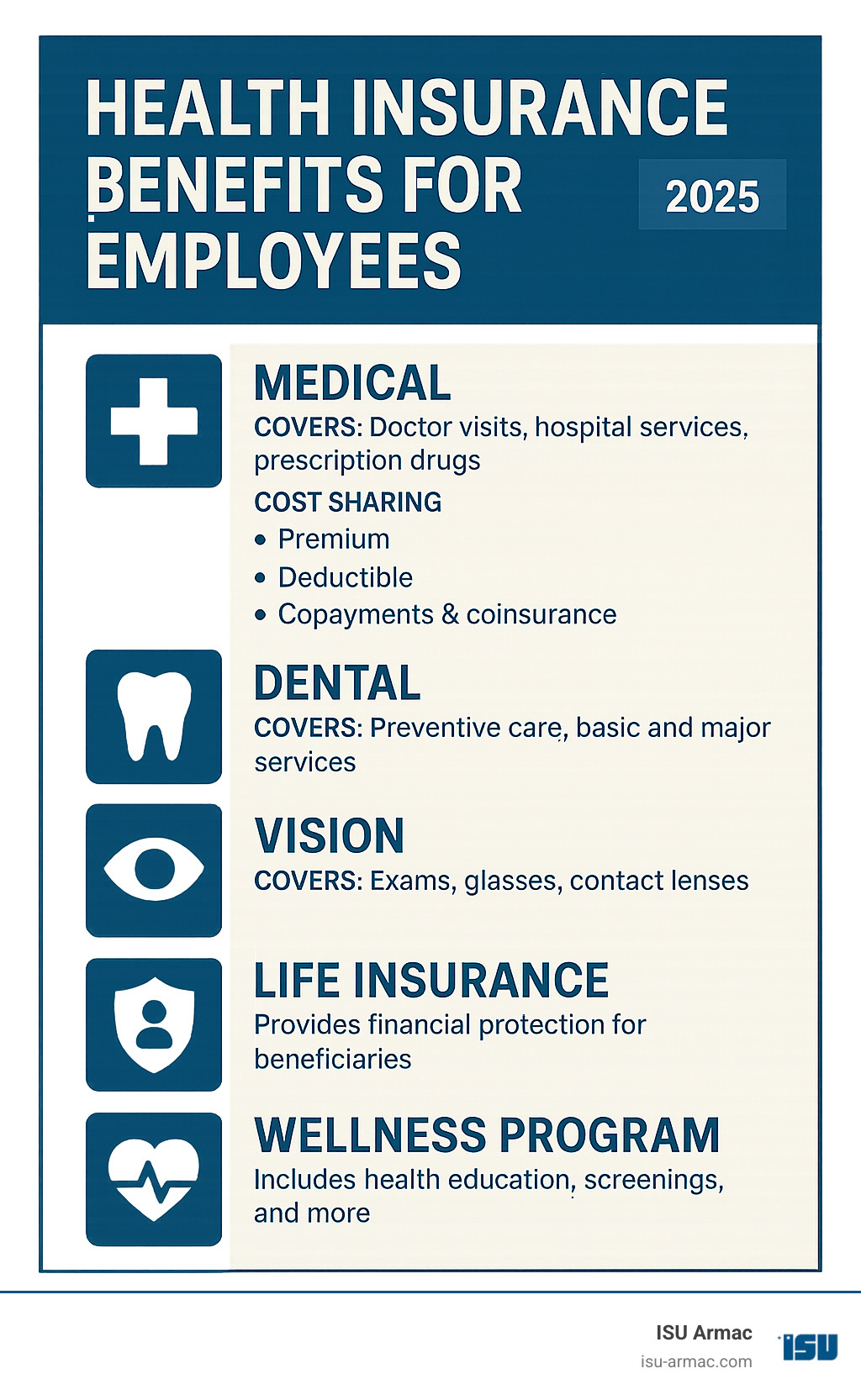
It is a common misconception that all health-related benefits are pre-tax. While the core medical, dental, and vision premiums usually are, several scenarios in 2026 require after-tax treatment.
Domestic Partner Coverage
One of the most frequent reasons for after-tax health care deductions involves domestic partners. Unless a domestic partner qualifies as a legal tax dependent under IRS rules, the employer’s contribution toward their health coverage is considered taxable income to the employee. Furthermore, the employee’s share of the premium for the partner must be paid after-tax. This "tax parity" issue remains a significant factor for HR departments managing diverse workforces in 2026.
Supplemental Indemnity Plans (Accident, Critical Illness, Hospital)
Supplemental health plans are designed to provide cash directly to the employee to cover out-of-pocket costs like deductibles or non-medical expenses (rent, groceries) during an illness.
- Pre-tax Scenario: If you pay for Critical Illness insurance pre-tax, the $20,000 payout you receive upon a cancer diagnosis is generally taxable as ordinary income.
- After-tax Scenario: If you pay the premium after-tax, the $20,000 payout is typically tax-exempt.
For most employees, the after-tax option is superior for indemnity plans because the tax burden on a large payout during a medical crisis can be financially devastating.
COBRA and Post-Employment Benefits
When an employee leaves a company and elects COBRA (Consolidated Omnibus Budget Reconciliation Act) coverage, the premiums are paid with after-tax dollars. While these costs can be high, they may be deductible as itemized medical expenses if they exceed a certain percentage of the individual's adjusted gross income (AGI).
Comparing Pre-Tax and After-Tax Implications
The following table outlines the practical differences between these two deduction methods as of 2026.
| Feature | Pre-Tax Benefits | After-Tax Benefits |
|---|---|---|
| Impact on Take-Home Pay | Increases (Lower tax withholding) | Decreases (Full tax withholding) |
| Social Security/Medicare Tax | Usually avoided (Section 125) | Always paid |
| Taxability of Benefits/Payouts | Payouts may be taxable income | Payouts are generally tax-free |
| IRS Limits | Subject to strict annual caps | Generally no IRS dollar caps |
| Portability | Harder to port without tax change | Often fully portable |
| Examples | Basic Medical, HSA, FSA | Vol. Life, AD&D, Critical Illness |
Reporting and Compliance: The Role of the W-2
In 2026, the reporting of these benefits is highly regulated. After-tax deductions are usually reflected in the "Total Deductions" section of a paystub but do not reduce the amounts reported in Box 1 (Wages, tips, other compensation), Box 3 (Social Security wages), or Box 5 (Medicare wages) of the W-2.
Conversely, if an employee receives "Employer-Provided Life Insurance" (the imputed income mentioned earlier), this will appear in Box 12 of the W-2 with Code C. It is important for employees to review these codes annually to ensure they are not being double-taxed on supplemental policies they are already paying for with after-tax dollars.
Common Pitfalls to Avoid
1. Misunderstanding the "Double Tax" Myth
Some employees worry that paying for insurance after-tax is "double taxation." It is not. You are simply using your net income to buy a product. The trade-off is that the "gain" (the payout) is not taxed. In high-inflation environments like those seen leading into 2026, the value of a tax-free lump sum often outweighs the small tax savings of a pre-tax premium.
2. Failing to Update Beneficiaries
Because after-tax life insurance is a private contract between you and the carrier (facilitated by the employer), the funds bypass probate. However, if your beneficiary designations are outdated, the tax-free status doesn't prevent the funds from being tied up in legal disputes.
3. Overlooking the "Portability" Window
Many after-tax voluntary benefits have a 30-day window for "porting" the policy after you leave an employer. Because these were paid with after-tax dollars, the transition to individual billing is usually seamless, but missing the deadline can result in a loss of coverage without a medical exam.
Expert Guidance for the 2026 Enrollment Season
When choosing your benefits for the 2026 plan year, consider the following strategic steps:
- Analyze Your Tax Bracket: If you are in a high tax bracket, the immediate savings of pre-tax deductions are higher. However, if you anticipate being in a higher bracket when you might collect a benefit (or if your heirs will be), after-tax life insurance is a powerful tool.
- Evaluate Health Indemnity Needs: For plans like "Hospital Indemnity" or "Accident Insurance," always check if your employer allows after-tax payments. The peace of mind of a tax-free check during recovery is usually worth the loss of the immediate pre-tax deduction.
- Review the $50,000 Threshold: If your employer-paid life insurance is exactly $50,000, you have no imputed income. If you need $500,000 in total coverage, it is often cleaner to take the $50k base and buy the remaining $450k as after-tax supplemental coverage.
- Consult Section 125 Plan Documents: Every employer has a specific Summary Plan Description (SPD). This document will explicitly state which benefits are "Qualified" (pre-tax) and which are "Voluntary" (after-tax).
FAQs
Are after-tax life insurance premiums tax-deductible?
No. Generally, premiums paid for personal life insurance are considered a personal expense and are not deductible on your federal income tax return, regardless of whether they are paid through payroll deduction or a private bank account.
What happens if I pay for disability insurance after-tax?
Disability insurance follows the same logic as health indemnity. If you pay the premiums with after-tax dollars, the disability checks you receive while unable to work are typically 100% tax-free. If your employer pays for the policy (or you pay pre-tax), the disability income is taxable.
Can I change my after-tax benefits at any time?
Unlike pre-tax benefits, which usually require a "Qualifying Life Event" (like marriage or birth) to change outside of Open Enrollment, many after-tax voluntary benefits can be canceled at any time during the year. However, adding coverage usually still requires an enrollment period or "Evidence of Insurability" (EOI).
Does after-tax life insurance have a cash value?
Most group supplemental life insurance policies are "term" insurance, meaning they do not build cash value. However, some employers in 2026 offer "Group Universal Life" which does allow for an after-tax savings component.
Is Accidental Death and Dismemberment (AD&D) pre-tax or after-tax?
AD&D is almost universally handled as an after-tax benefit. This ensures that in the event of a catastrophic injury or accidental death, the significant payouts are not depleted by a 20% to 37% tax hit.
Practical Recommendation
For the 2026 tax year, employees should prioritize pre-tax deductions for essential medical, dental, and vision insurance to maximize current cash flow. However, for supplemental life insurance and health indemnity plans (like critical illness), opting for after-tax deductions is the superior strategic move. This approach protects the eventual payout from taxation, ensuring that the financial safety net you are paying for remains fully intact when it is needed most. Always cross-reference your benefit elections with your W-2 at the end of the year to ensure imputed income is correctly calculated only for employer-paid portions exceeding $50,000.
Image Gallery
Select an image to open it in a new tab.

Lars Thomsen
Global Labor Markets and Economic Strategy Editor
