
The persistent myth that all skunks are born with rabies or are naturally carriers of the virus is biologically false. Rabies is an acquired viral infection transmitted through the saliva of an infected animal, typically via a bite; it is not a congenital condition or a dormant gene within the skunk population.
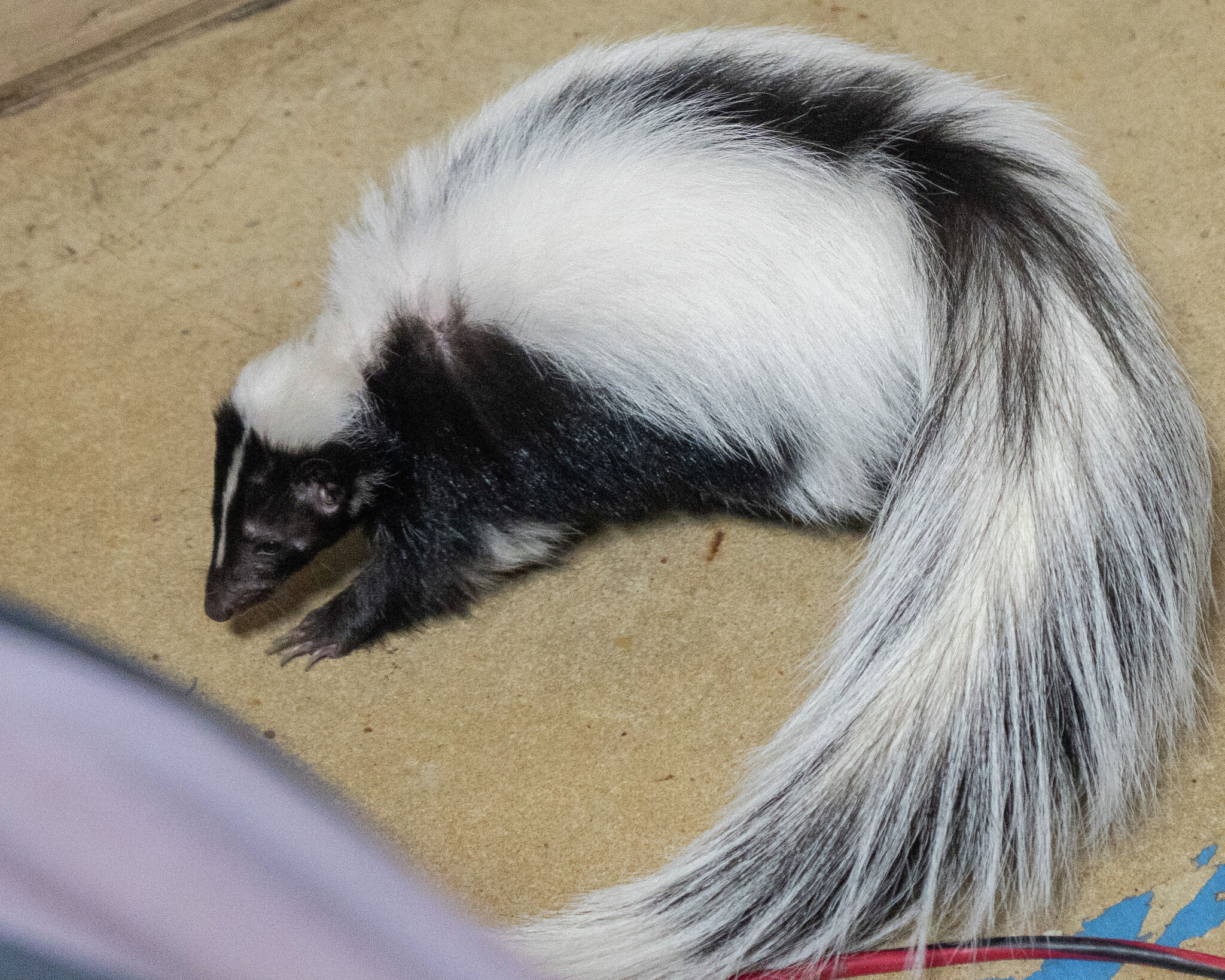
For decades, the striped skunk (Mephitis mephitis) has been unfairly cast as the primary "boogeyman" of the rabies world. While skunks are considered a "high-risk" species or a "rabies vector species" (RVS) by public health officials, the misconceptions surrounding their relationship with the virus often lead to unnecessary fear and the unwarranted destruction of healthy animals. To understand the reality of the "rabies skunk myth," one must look at the pathology of the virus, the behavior of the animal, and the statistical reality of transmission in 2026.
The Origin of the "Born with Rabies" Myth
One of the most common misconceptions is that skunks are born with a "latent" form of rabies that can be triggered by stress, age, or weather. This idea likely stems from a misunderstanding of how the virus incubates. Rabies is caused by a lyssavirus that attacks the central nervous system. It cannot be passed from a mother to her kits in the womb (transplacental transmission), nor is it present in the DNA of the species.
The confusion often arises because rabies has an exceptionally long and variable incubation period. A skunk might be bitten by another infected animal and appear perfectly healthy for weeks or even months while the virus travels slowly along the nerve fibers to the brain. When the animal finally begins to show symptoms, observers who have seen the skunk around for months might assume the disease "spontaneously" appeared or was always there. In reality, the skunk was simply in the incubation phase of an acquired infection.
The "Daytime" Myth: Visibility vs. Virulence
Perhaps the most dangerous myth for a healthy skunk is the belief that any skunk seen during the day must be rabid. While skunks are primarily crepuscular (active at dawn and dusk) or nocturnal, daytime activity is not a definitive clinical sign of rabies.
There are several biological reasons why a perfectly healthy skunk might be wandering in the sunlight in 2026:
- Nursing Mothers: Female skunks with a litter of hungry kits have significantly higher caloric requirements. To meet these needs, they often forage during the day when their young are sleeping.
- Resource Competition: In areas with high wildlife density, sub-adult skunks may be pushed to forage during "off-peak" hours to avoid competition with larger males or other predators like raccoons.
- Disturbance: If a skunk's den is flooded by heavy rain or disturbed by construction, the animal will move to find a new home immediately, regardless of the time of day.
- Seasonal Preparation: During late autumn, skunks may spend extra time foraging during the day to build up the fat stores necessary for torpor (a state of decreased physiological activity) during the winter months.
A rabid skunk will typically display other symptoms beyond mere visibility, such as profound lethargy, loss of coordination (ataxia), or unprovoked aggression. If a skunk is purposefully walking, foraging, or moving from point A to point B during the day, it is likely just busy, not sick.
Pathogenesis: How Skunks Actually Contract Rabies
Understanding how the virus functions helps dismantle the myth of innate infection. Rabies is transmitted through the saliva of an infected host, usually through a bite that breaks the skin. It can also be transmitted if infected saliva comes into contact with an open wound or mucous membranes (eyes, nose, mouth).
Once the virus enters the skunk’s body, it undergoes a specific journey:
- The Incubation Phase: The virus replicates in the muscle tissue near the bite site. During this time, which can last from three weeks to several months, the skunk is not infectious and behaves normally.
- The Prodromal Phase: The virus reaches the spinal cord and travels to the brain. The animal may show subtle changes in temperament.
- The Clinical (Shedding) Phase: Once the virus reaches the salivary glands, the skunk becomes infectious. This is the only stage where the skunk can spread the disease.
- The Terminal Phase: Within 7 to 10 days of the virus reaching the salivary glands, the animal will die.
The biological reality is that a skunk cannot "live" with rabies for years. It is a fatal, fast-moving disease once the symptoms manifest. This further disproves the idea that entire populations are permanent "carriers."
Comparing Skunk Behavior: Healthy vs. Symptomatic
To accurately assess the risk, homeowners and hikers should know the difference between normal skunk behavior and the clinical signs of a lyssavirus infection.
| Behavior Trait | Healthy Skunk | Potentially Rabid Skunk |
|---|---|---|
| Gait/Movement | Purposeful, waddling, steady. | Staggering, circling, or paralyzed hind legs. |
| Response to Humans | Will retreat, hiss, or stomp feet to warn you away. | Completely indifferent or hyper-aggressive/charging. |
| Activity Level | Foraging or moving between dens. | Convulsing, snapping at imaginary objects, or "drunk" appearance. |
| Physical Appearance | Clean fur, alert eyes. | Wet/matted fur on face, discharge from nose/eyes, foaming (rare). |
| Time of Day | Usually night, but sometimes day if nursing or disturbed. | Any time, but behavior is disoriented and non-functional. |
The "Rabies Magnet" Misconception: Skunks vs. Other Vectors
Skunks are often singled out, but they are just one of several species known as "terrestrial reservoirs" for rabies in North America. In many regions, bats or raccoons actually pose a higher statistical risk to humans and domestic pets.
According to data maintained by the Centers for Disease Control and Prevention (CDC) and updated through 2026, the prevalence of rabies in skunk populations varies wildly by geography. In the Central United States, skunks are the primary terrestrial reservoir. In the Eastern United States, raccoons dominate the statistics. Regardless of the region, bats consistently remain the most frequent source of human rabies cases because their bites are small and often go unnoticed.
The "myth" that skunks are the most dangerous animal in the woods is largely a result of their high visibility and the memorable nature of their primary defense mechanism: the spray.
Managing the Risk: Protection Over Paranoia
While we have established that skunks are not born with rabies, they are still capable of carrying it. Responsible coexistence in 2026 involves practical steps rather than the extermination of the species based on myths.
Vaccination of Pets
The most effective way to prevent the spread of rabies from wildlife to humans is through the vaccination of domestic dogs and cats. Even "indoor-only" pets should be vaccinated, as skunks can occasionally enter crawlspaces or basements.
Habitat Modification
Skunks are attracted to easy food sources. To discourage them from living in close proximity to your home:
- Secure trash cans with locking lids.
- Feed pets indoors and remove any leftover food immediately.
- Seal off "skirt" areas under porches or sheds with heavy-duty hardware cloth buried at least six inches underground.
- Treat lawns for grubs if you notice excessive "coning" or digging, as grubs are a primary food source for skunks.
Handling Encounters
If you encounter a skunk, the best course of action is to give it space. Skunks have poor eyesight and may not see you until you are close. Speak softly or clap your hands to let the animal know you are there; a healthy skunk will almost always choose flight over fight. If you see a skunk acting in a way that matches the "Potentially Rabid" column in the table above, do not approach it. Contact local animal control or wildlife authorities.
Professional Advice and Safety Limitations
This article provides educational information regarding wildlife behavior and the rabies virus. It is not a substitute for professional medical or veterinary advice. If you or a pet have been bitten or scratched by a wild animal, seek immediate medical or veterinary attention. Post-exposure prophylaxis (PEP) is highly effective when administered promptly but must be managed by healthcare professionals.
Frequently Asked Questions
If a skunk sprays my dog, does my dog have rabies?
No. Rabies is transmitted through saliva and nervous tissue, not through the skunk’s spray (anal scent glands). While being sprayed is unpleasant and requires a neutralizing wash (such as a mixture of hydrogen peroxide, baking soda, and dish soap), it carries no risk of rabies transmission. However, if the skunk bit your dog before or after spraying, you must contact a veterinarian immediately.
Can you tell if a skunk has rabies just by looking at it?
Not with 100% certainty. While some skunks show "furious" symptoms (aggression, foaming) or "dumb" symptoms (paralysis, lethargy), an animal in the early stages of the clinical phase may appear relatively normal. The only definitive way to test for rabies is through a laboratory examination of the brain tissue after the animal has died. This is why any bite from a vector species is treated as a potential exposure.
Why do people say skunks are "rabies magnets"?
This term is a colloquialism based on the fact that skunks have their own specific variant of the rabies virus (the "skunk strain"). Because they are social during the winter—sometimes denning together for warmth—the virus can spread through a local population relatively easily if one member becomes infected. This does not mean they attract the virus more than other animals, but rather that their social habits facilitate its spread within their own species.
Is the rabies vaccine for skunks available?
There is no injectable rabies vaccine currently labeled for use in skunks as a "preventative" for pet skunks (which are legal in some jurisdictions). However, Oral Rabies Vaccination (ORV) programs use baited packets dropped in the wild to vaccinate entire populations of raccoons and skunks. These programs have been highly successful in creating "buffer zones" to stop the westward or northward spread of specific rabies strains.
What should I do if a skunk is acting sick in my yard?
Keep all pets and children indoors. Observe the animal from a safe distance (inside the house). If the animal is circling, falling over, or acting aggressively toward inanimate objects, call your local animal control officer or a licensed wildlife rehabilitator. Do not attempt to trap or kill the animal yourself, as this increases your risk of exposure to infected saliva.
Moving Toward Evidence-Based Coexistence
The "rabies skunk myth" is a relic of an era when we understood less about viral pathology and more about fear. By recognizing that skunks are not born with the virus and that daytime activity is often a sign of a busy mother rather than a sick animal, we can reduce unnecessary conflict with these beneficial insectivores. Skunks provide valuable ecological services, including the control of rodents and garden pests. Respecting their space and maintaining pet vaccinations are the most effective tools we have for staying safe in 2026.
Image Gallery
Select an image to open it in a new tab.


Zara El-Hashem
Sociocultural Dynamics and Academics Writer
