Priscilla at Elvis’s Funeral: A Moment of Quiet Reverence and Lasting Legacy

Priscilla Presley attended Elvis Presley’s funeral on August 18, 1977, serving as a pillar of strength for their daughter, Lisa Marie, and the Presley family. Despite their 1973 divorce, her presence was defined by a quiet reverence, as she navigated profound personal grief while helping manage the overwhelming public spectacle surrounding the King of Rock and Roll’s passing.
The death of Elvis Presley on August 16, 1977, remains one of the most significant cultural touchstones of the 20th century. While the world mourned a global icon, a smaller, more intimate circle faced the loss of a father, a son, and a former husband. Priscilla Presley’s role during those three days in August was complex; she was the "ex-wife" in the eyes of the law, but in the eyes of the family and the fans, she was the woman who had shared Elvis's most formative years and the mother of his only child. Her conduct during the funeral services at Graceland and the subsequent procession to Forest Hill Cemetery set a tone of dignity that would eventually define her decades-long stewardship of his legacy.
The Immediate Aftermath: Returning to Graceland
When news reached Priscilla in California that Elvis had been found unresponsive at Graceland, the shock was immediate. By the time she arrived in Memphis, the city had already begun to transform into a site of international pilgrimage. Tens of thousands of fans were descending upon Elvis Presley Boulevard, creating a chaotic atmosphere that contrasted sharply with the somber reality inside the gates of the mansion.
Priscilla’s arrival was not merely a social obligation. She was there to support Vernon Presley, Elvis's grieving father, and to shield nine-year-old Lisa Marie from the predatory nature of the global media. During these initial hours, Priscilla experienced what many have described as a "moment of quiet reverence." Before the public was allowed to view the body, and before the formal ceremonies began, she spent private time with Elvis, acknowledging the deep bond they had maintained despite their legal separation. This period of reflection allowed her to process the loss away from the cameras that would soon document her every move.
The Private Vigil and Public Spectacle
On August 17, the day before the funeral, Elvis's body was placed in the foyer of Graceland for a public viewing. While an estimated 30,000 fans filed past the copper-lined coffin, Priscilla remained largely out of the public eye, staying in the upper quarters of the house or in private rooms with the family.
The contrast between the public’s outward mourning—which at times bordered on hysteria—and Priscilla’s internal, controlled grief was stark. She understood that the world felt they "owned" a piece of Elvis, but she was one of the few who knew the man behind the jumpsuit. Her reverence was not for the "King," but for the man she had met in Germany nearly two decades earlier. Observers at the time noted her stoicism, a trait that would become a hallmark of her public persona in the years to follow.
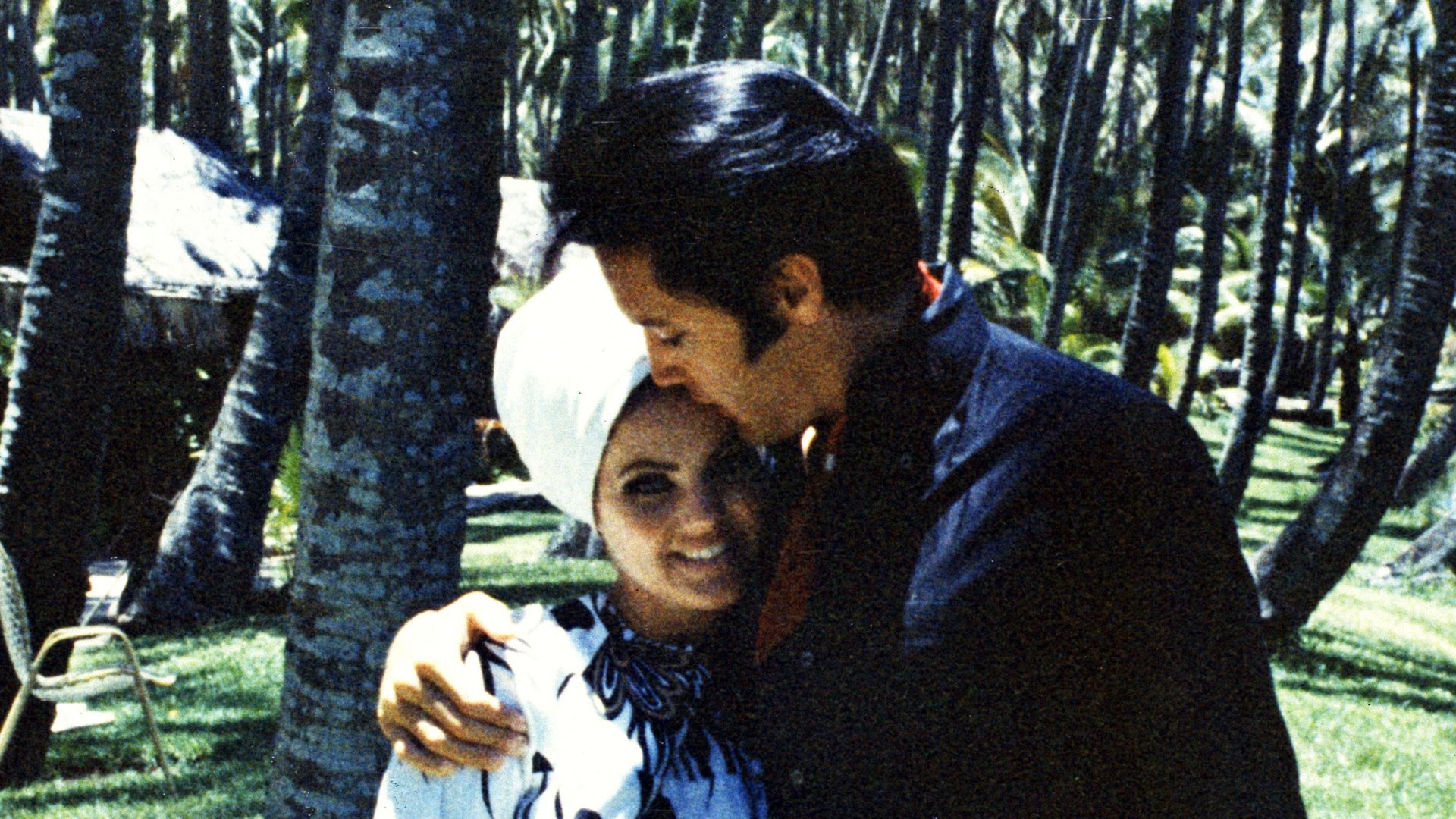
The Funeral Service at Graceland
The funeral service itself took place on Thursday, August 18, 1977. It was held in the living room of Graceland, a space filled with the scent of thousands of floral arrangements sent from across the globe. The service was presided over by Rev. C.W. Bradley and was attended by approximately 200 close friends and family members.
Priscilla sat in the front row, flanked by Lisa Marie and Vernon Presley. The "moment of quiet reverence" was palpable as the gospel groups Elvis loved—The Statesmen, The Stamps, and James Blackwood—performed songs like "Known Only to Him" and "Heavenly Father." For Priscilla, these hymns were not just religious rites; they were the soundtrack of Elvis’s private life. He often spent his late nights at the piano singing these exact songs, and hearing them in this context marked a final, somber goodbye.
The Funeral Timeline: August 16–18, 1977
| Date | Time (Approx.) | Event | Significance |
|---|---|---|---|
| August 16 | 2:30 PM | Elvis pronounced dead | The official start of the global mourning period. |
| August 17 | Midday | Priscilla arrives in Memphis | She assumes a leadership role within the family unit. |
| August 17 | 3:00 PM | Public viewing begins | Thousands of fans pay their respects at Graceland. |
| August 18 | 2:00 PM | Private funeral service | Conducted in the Graceland living room for 200 guests. |
| August 18 | 4:00 PM | Funeral procession | 17 white limousines travel to Forest Hill Cemetery. |
| August 18 | 5:00 PM | Entombment | Elvis is placed in the family mausoleum (later moved). |
The Procession to Forest Hill Cemetery
Following the service, a massive motorcade consisting of 17 white limousines—Elvis’s favorite color for his vehicles—led the way to Forest Hill Cemetery. Priscilla traveled in the lead cars, once again positioned as a primary mourner. The route was lined with an estimated 80,000 people, many of whom were weeping and holding signs of tribute.
Throughout the drive, Priscilla maintained her composure. This was perhaps the most difficult part of the "moment of quiet reverence"—staying silent and dignified while the world’s grief threatened to overwhelm the family’s private sorrow. At the cemetery, a brief committal service was held. The heat of the Memphis summer was intense, adding a physical weight to the emotional gravity of the day.
Protecting the Next Generation: Priscilla’s Focus on Lisa Marie
A central element of Priscilla’s experience at the funeral was her role as a mother. Lisa Marie Presley was only nine years old when her father died. Priscilla’s primary mission was to ensure that her daughter could grieve without being traumatized by the media circus.
She kept Lisa Marie close, often holding her hand or shielding her from the flashes of paparazzi cameras. In later interviews, Priscilla reflected on the difficulty of explaining the magnitude of the loss to a child while the entire world was watching. Her reverence for Elvis was inextricably linked to her duty to their daughter; she knew that how she handled this moment would shape Lisa Marie’s perception of her father’s legacy for the rest of her life.
The Transition from Mourner to Protector of the Legacy
While the funeral ended on August 18, Priscilla’s moment of quiet reverence transitioned into a lifetime of action. In 1977, the Presley estate was in a precarious financial position. The costs of maintaining Graceland, combined with significant tax burdens, threatened to deplete the inheritance intended for Lisa Marie.
Priscilla realized that the reverence she felt for Elvis could be translated into a sustainable future for his home. In 1982, she made the pivotal decision to open Graceland to the public. This move was not without controversy, but it ensured that the "moment of quiet reverence" fans sought could be experienced in a controlled, respectful environment. By turning the mansion into a museum, she preserved the physical space where she had once said her final goodbyes.
Historical Perspective from 2026
Looking back from the vantage point of 2026, the images of Priscilla at the funeral have taken on a legendary status. They represent the end of an era in American music and the beginning of the "Elvis Industry" as we know it today. Priscilla’s presence at the funeral is often cited by historians as the moment she became the "Keeper of the Flame."
Even after the passing of Lisa Marie Presley in 2023, Priscilla has continued to emphasize the importance of the dignity displayed during those August days in 1977. The 50th anniversary of Elvis's death in 2027 is already being planned for, and the theme of "reverence" remains central to how the estate manages his image.
Frequently Asked Questions
Did Priscilla Presley speak at the funeral?
Priscilla did not give a public eulogy during the service. In keeping with the traditions of the time and the family's desire for privacy, the speaking roles were reserved for clergy members. Her tribute was her presence and her support for the Presley family elders.
Why was the funeral held at Graceland instead of a church?
Elvis considered Graceland his sanctuary. Given his immense fame, holding the service at a public church would have been a logistical nightmare and potentially dangerous due to the crowds. Holding it at home allowed for a more controlled, though still crowded, environment.
Was Priscilla the one who decided to move Elvis’s body later?
While the initial entombment was at Forest Hill Cemetery, an attempt to steal the body occurred shortly after the funeral. For security reasons, Priscilla and Vernon Presley coordinated the move of both Elvis and his mother, Gladys, to the Meditation Garden at Graceland, where they remain today.
How did the public react to Priscilla’s presence?
The public generally respected Priscilla’s role. Despite the divorce, she was seen as "family." Her dignified appearance helped calm the atmosphere, providing a sense of stability during a time when the fan base was in a state of collective shock.
What was the most significant floral arrangement at the funeral?
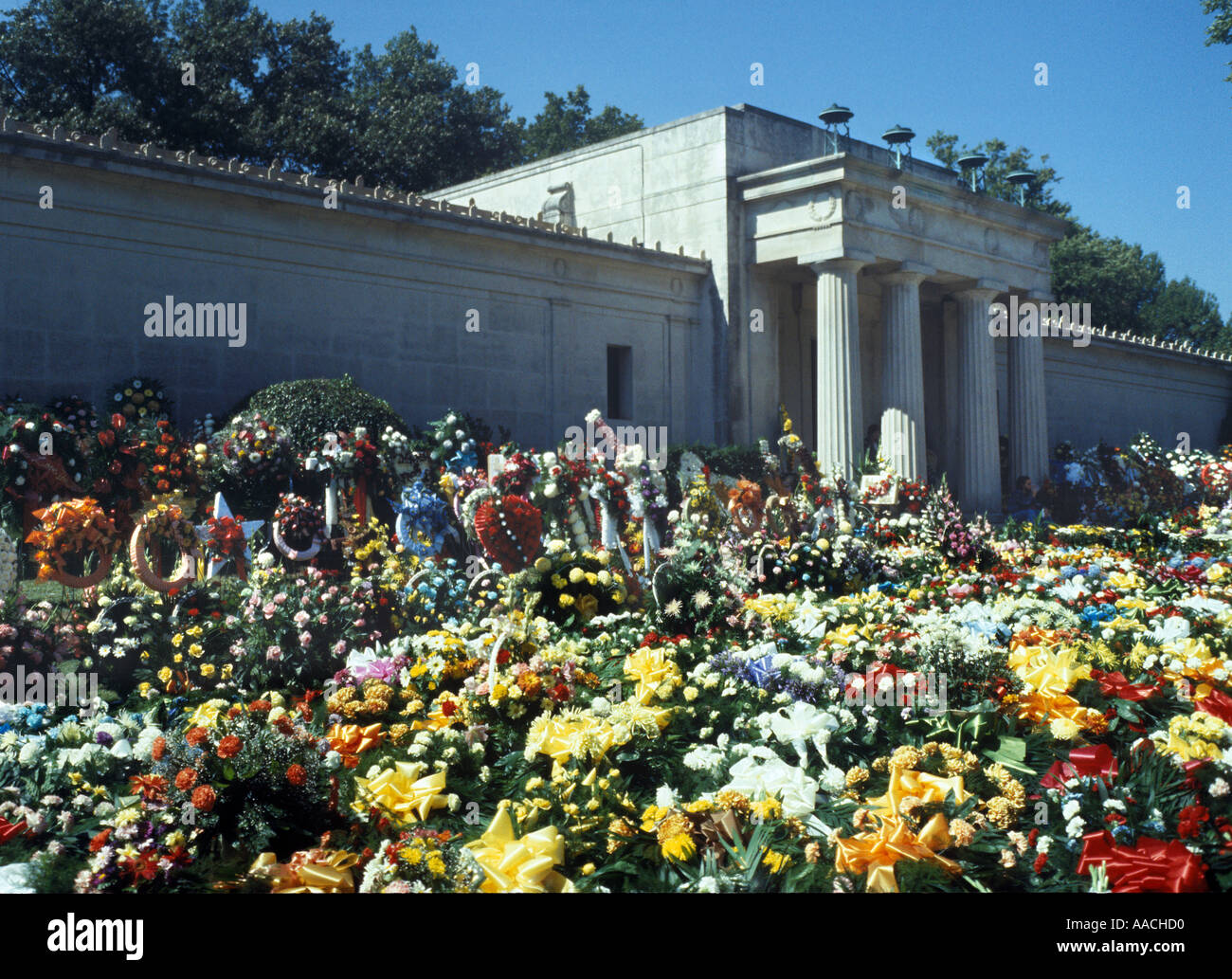
There were over 3,100 floral arrangements sent to Graceland. One of the most notable was a massive crown made of yellow roses, symbolizing his status as the King. Priscilla herself ensured that the arrangements from the immediate family were placed closest to the casket.
Moving Forward: Honoring the Memory
For those looking to understand the depth of Priscilla’s "moment of quiet reverence," the best approach is to visit Graceland and spend time in the Meditation Garden. This space was designed to be a place of reflection, away from the glitz of the "Elvis Vegas" persona. It captures the spirit of the funeral—a blend of grand legacy and personal loss.
If you are a student of music history or a fan of the Presley family, studying the primary source photographs and news footage from August 18, 1977, provides a masterclass in how to navigate public grief with private grace. Priscilla Presley’s conduct serves as a reminder that behind every global icon is a human story of love, loss, and the enduring responsibility of memory.
For more information on the history of Graceland and the preservation of the Presley legacy, you can consult the official Graceland Archives or the New York Times historical coverage of 1977.
Image Gallery
Select an image to open it in a new tab.
Vivian Cho
Executive IT and Emerging Technologies Reporter
