A Comprehensive Guide to Burlington, Vermont Climate and Weather Patterns
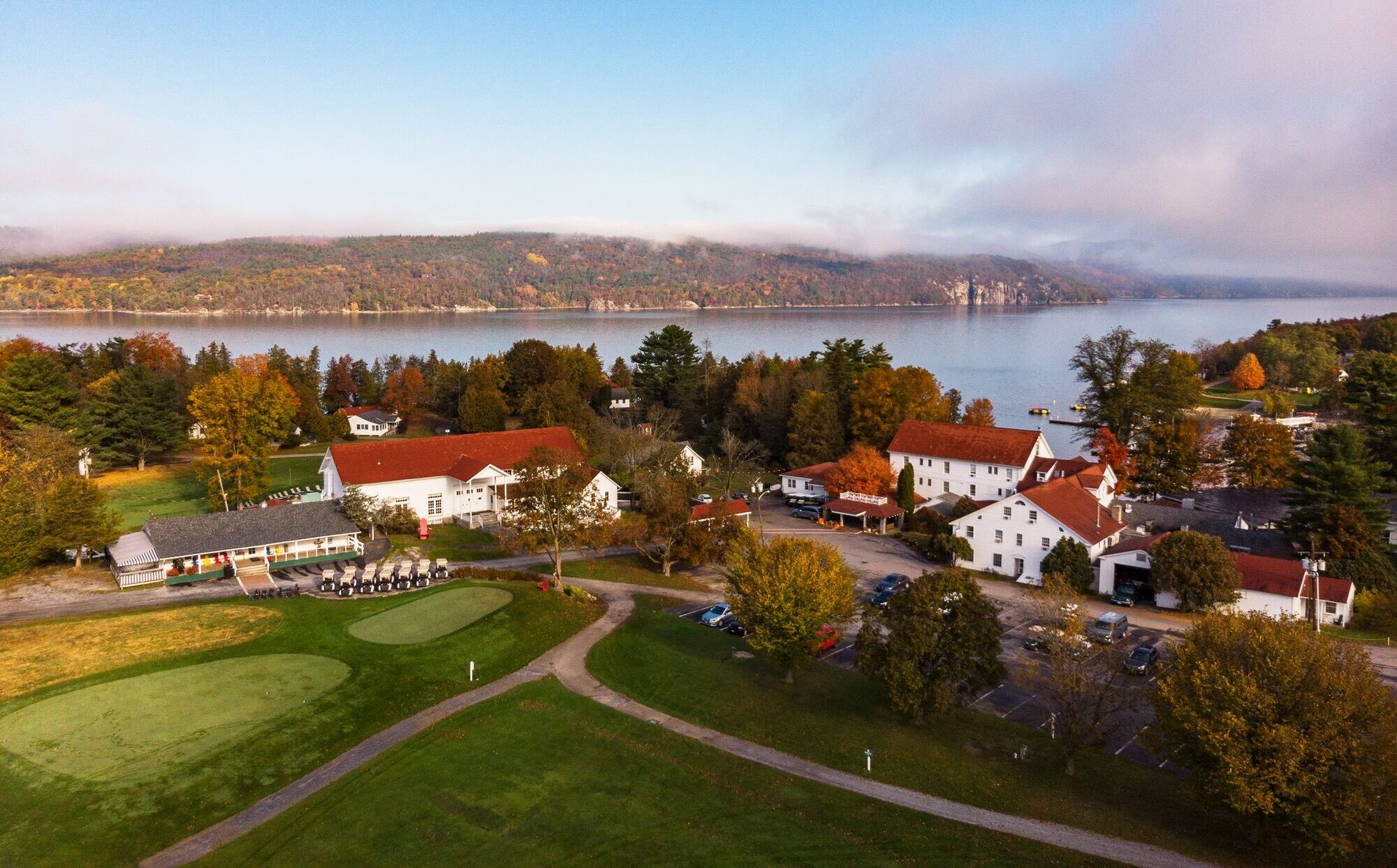
Burlington, Vermont, experiences a humid continental climate characterized by four distinct seasons: cold, snowy winters; brief, transitional springs; warm, humid summers; and crisp, vibrant autumns. As of 2026, weather patterns continue to be significantly influenced by its location on the eastern shore of Lake Champlain and its proximity to the Green Mountains.
Understanding the Humid Continental Framework
To understand the Burlington, Vermont climate, one must first recognize its classification under the Köppen climate system as Dfb. This denotes a humid continental climate with warm summers and no significant dry season. However, Burlington’s specific geography creates a microclimate that often diverges from the more mountainous regions of Vermont.
Being situated in the Champlain Valley, Burlington sits at a lower elevation than the surrounding Adirondacks to the west and the Green Mountains to the east. This valley location often protects the city from some of the most extreme orographic lifting—where air is forced upward by mountains, causing heavy precipitation—seen in places like Stowe or Jay Peak. Conversely, it exposes the city to "valley effects," such as temperature inversions and localized wind patterns off Lake Champlain.
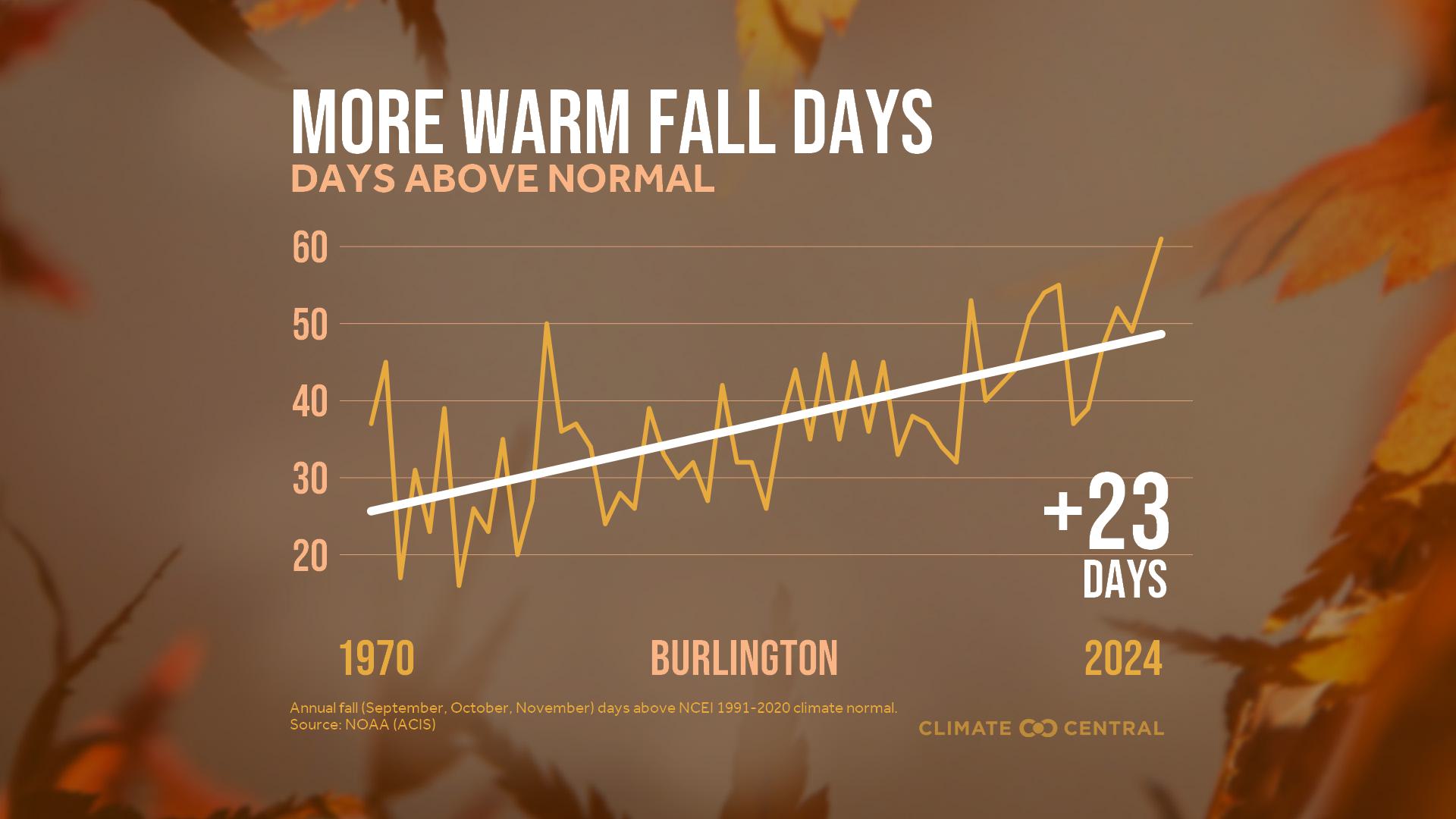
By 2026, the long-term data confirms that while the city remains firmly in the continental category, the seasonal boundaries are shifting. The "growing season" has expanded slightly over the last few decades, and the hardiness zone for gardeners in the immediate Burlington area has stabilized into USDA Zone 5b or 6a, depending on proximity to the lake's moderating influence.
The Lake Champlain Influence: A Thermal Buffer
Lake Champlain is the defining physical feature of Burlington, and its impact on the local climate cannot be overstated. As a massive body of water, it acts as a massive thermal battery.
Winter Moderation and Lake-Effect Snow
In the early winter months (November through January), the lake is often significantly warmer than the surrounding air. This produces a "lake effect" that can moderate temperatures, keeping Burlington several degrees warmer than inland towns like Essex or Williston. However, this same temperature differential can lead to localized lake-effect snow squalls. While not as legendary as the lake-effect snows of Buffalo, New York, Burlington can receive sudden, intense bursts of snow when cold arctic air moves across the relatively warm, unfrozen water.
Summer Cooling
In the summer, the process reverses. The lake stays cooler than the land, providing a "lake breeze" that offers relief during humid July and August afternoons. This makes the Burlington waterfront a primary destination for residents seeking a natural reprieve from the humidity.
The Ice Cover Trend
One of the most tracked climate metrics in Burlington is the date Lake Champlain freezes over. Historically, the lake froze nearly every year. In the 2020s, including 2026, the frequency of "no-close" years—where the main body of the lake does not freeze completely—has increased. This lack of ice cover has secondary effects, such as increased winter evaporation (leading to more cloud cover) and less protection for the shoreline against winter storm surges.
Seasonal Breakdown: Life in the Champlain Valley
Navigating the climate of Burlington requires an understanding of how the seasons transition, as the "traditional" four seasons are often punctuated by unique Vermont sub-seasons.
Winter: December through March
Winter is the defining season for Burlington. Temperatures typically range from highs in the 20s°F to lows in the single digits. Sub-zero nights are common, especially when the "Polar Vortex" dips south.
- Snowfall: Burlington averages approximately 75 to 85 inches of snow per year. However, total accumulation varies wildly; some years see "snow droughts," while others feature massive Nor’easters that dump two feet of snow in a single 24-hour period.
- Infrastructure: The city is highly adept at snow removal. Church Street Marketplace, the city's pedestrian hub, is frequently cleared, and the city utilizes a mix of salt and sand to maintain road safety, though there is an increasing move toward brine to protect the lake's water quality.
Spring and "Mud Season": April and May
Spring in Burlington is often a battle between retreating winter air and advancing southern warmth. This period is famously known as "Mud Season." As the ground thaws and the snowpack melts, unpaved roads and hiking trails throughout the greater Burlington area become saturated.
- Phenology: The "green-up" typically occurs in May. This is when the deciduous trees regain their leaves and the valley transforms from a brown/grey palette to vibrant green.
- Lake Temperature: During spring, the lake is at its coldest, which can keep the immediate downtown area several degrees cooler than the suburbs until June.
Summer: June through August
Summers are generally pleasant but can be surprisingly humid. Temperatures average in the high 70s to low 80s°F, though 90-degree days occur several times per year.
- Humidity: Due to the proximity to the lake and moisture-laden air moving up from the south, the "dew point" can frequently climb into the 60s or 70s, making it feel much hotter than the thermometer suggests.
- Severe Weather: Late afternoon thunderstorms are common in July and August. Occasionally, these storms can produce hail or high winds as they roll off the Adirondacks and across the lake.
Autumn: September through November
Many consider autumn to be the best time for Burlington’s climate. The humidity drops, and the air becomes crisp and clear.
- Foliage: "Peak" foliage in the Burlington valley usually occurs in the second week of October, slightly later than the higher elevations of the Green Mountains.
- Stick Season: November marks the transition to "Stick Season," the period after the leaves have fallen but before the snow has established a permanent cover. It is characterized by overcast skies and declining temperatures.
Statistical Overview of Burlington Climate
The following table provides a climatological summary based on normalized data through 2026. These figures represent averages, though year-to-year variability remains high in the Northeast.
| Month | Avg High (°F) | Avg Low (°F) | Avg Precip (in) | Avg Snow (in) |
|---|---|---|---|---|
| January | 27 | 10 | 2.1 | 18.5 |
| February | 30 | 12 | 1.8 | 17.0 |
| March | 40 | 22 | 2.3 | 15.2 |
| April | 54 | 34 | 2.9 | 4.5 |
| May | 67 | 45 | 3.5 | 0.1 |
| June | 76 | 55 | 4.0 | 0.0 |
| July | 81 | 60 | 4.2 | 0.0 |
| August | 79 | 58 | 3.9 | 0.0 |
| September | 71 | 50 | 3.6 | 0.0 |
| October | 58 | 39 | 3.5 | 0.5 |
| November | 45 | 30 | 3.0 | 5.2 |
| December | 33 | 18 | 2.5 | 16.5 |
Climate Change and Future Projections (2026 Perspective)
As of 2026, the Vermont State Climate Office and the National Weather Service in Burlington have documented several significant trends.
- Increased Precipitation Intensity: While the total annual precipitation hasn't shifted dramatically, the intensity has. Burlington now experiences more frequent "heavy rain events" where multiple inches of rain fall in a short period, stressing the city’s stormwater infrastructure.
- Warming Winters: The average winter temperature has risen faster than any other season. This has led to more "mixed precipitation" events (ice/rain) rather than pure snow, which complicates winter travel and power grid stability.
- Avian and Insect Shifts: With the warming climate, certain species are moving northward into the Burlington area. This includes both beneficial species and pests like the Emerald Ash Borer and an increase in the tick population, which are now active for more months of the year.
Residential and Technical Implications of the Climate
For those living in or moving to Burlington, the climate dictates several technical and lifestyle requirements.
Heating and Energy
Most homes in Burlington rely on natural gas, fuel oil, or increasingly, electric heat pumps. The climate in 2026 has seen a massive surge in heat pump adoption. Modern cold-climate heat pumps are now rated to work efficiently down to -15°F, making them a viable primary heating source for the Champlain Valley. However, many residents maintain a "backup" wood stove or pellet stove for extreme cold snaps.
Building Maintenance
The "freeze-thaw" cycle is particularly brutal on Burlington’s infrastructure. Roads frequently develop potholes in late winter as water seeps into cracks, freezes, and expands. For homeowners, this cycle requires ensuring that foundations are properly drained and that roofs can handle heavy "snow loads" and the subsequent formation of ice dams.
Gardening and Agriculture
The growing season in the Burlington area typically lasts from mid-May to early October. Gardeners often use "hoop houses" or cold frames to extend this season. The lake's moderating effect means that Burlington often avoids the first "killing frost" that hits the inland towns, sometimes by as much as two weeks.
Practical Recommendations for Visitors and Residents
- Layering is Essential: Because the temperature can swing 30 degrees in a single day, especially in spring and fall, a "base layer, mid-layer, shell" approach to clothing is the standard for Burlingtonians.
- Vehicle Preparedness: If you are driving in Burlington between November and April, winter tires (not just all-seasons) are highly recommended. The hills leading up from the lake (such as Main Street or College Street) can become treacherous during ice events.
- Sun Protection: Despite the northern latitude, the reflection of the sun off Lake Champlain in the summer and snow in the winter can lead to rapid sunburns.
- Activity Planning: Always check the Lake Champlain Forecast if planning to be on the water. Wind speeds can pick up quickly, turning a calm lake into a dangerous environment with 3-to-5-foot waves.
Frequently Asked Questions
Is Burlington, Vermont, very cold?
Yes, by national standards, Burlington is cold. During the peak of winter (January and February), daytime highs often struggle to reach the freezing mark, and nighttime lows frequently drop into the single digits. However, the humidity is generally lower in winter, which some find more comfortable than "damp cold" in coastal cities.
How much snow does Burlington get?
On average, Burlington receives about 81 inches of snow annually. However, this is rarely all on the ground at once. Frequent thaws or rain events can melt the snowpack several times throughout the winter, though a consistent "white cover" usually exists from late December through early March.
When is the best time to visit Burlington for weather?
For warmth and lake activities, July and August are ideal. For foliage and crisp air, the first two weeks of October are the gold standard. If you enjoy winter sports, late January and February offer the most reliable snow base for nearby skiing.
Does Burlington get hurricanes or tornadoes?
Direct hits from hurricanes are rare, but the remnants of tropical storms (like Tropical Storm Irene in the past) can bring devastating flooding to the region. Tornadoes are extremely rare in the Champlain Valley, though severe thunderstorms can occasionally produce "straight-line winds" that mimic tornado damage.
Is Lake Champlain always frozen in winter?
No. In fact, in 2026, the trend shows the lake freezing over completely less than 50% of the time. The "Broad Lake" (the widest part) is the last to freeze and often remains open water throughout the entire winter, which influences local humidity and snowfall.
Final Summary and Next Actions
The climate of Burlington, Vermont, is one of extremes and beauty. It requires preparation, particularly regarding winter gear and home heating, but offers a rewarding four-season experience for those who appreciate the outdoors.
Next Steps for Residents or Visitors:
- Monitor the NWS Burlington Office: For real-time updates and localized warnings, the NWS Burlington site is the most accurate resource.
- Home Efficiency Audit: If you are a resident, consider a home energy audit via Vermont Gas or Efficiency Vermont to ensure your insulation is sufficient for the winter months.
- Seasonal Gear Check: Ensure you have waterproof boots for "Mud Season" and high-quality "ice cleats" (like Microspikes) for walking on city sidewalks during the winter freeze-thaw cycles.
Image Gallery
Select an image to open it in a new tab.
Zara El-Hashem
Sociocultural Dynamics and Academics Writer
