Why Auto Insurance Salvage Is Rarely Worth It for the Average Buyer

Purchasing an auto insurance salvage vehicle may seem like a clever way to acquire a high-end car for a fraction of its market value, but it is rarely worth the financial and operational risk for the average consumer. The process involves significant hidden costs, insurmountable technical hurdles, and long-term insurance complications that frequently eclipse any initial savings achieved at the auction block.
Understanding the Salvage Designation
When an insurance company declares a vehicle a "total loss," it means the cost to repair the vehicle to its pre-accident condition exceeds a specific percentage of its Actual Cash Value (ACV)—typically between 60% and 80%, depending on state laws and the insurer’s internal policy. Once the insurance company pays the claim to the original owner, they take possession of the vehicle and transfer the title to a "salvage" status.
This title is a permanent, irreversible branding that follows the vehicle for the remainder of its lifespan. It serves as a red flag to every future buyer, insurer, and lender. Understanding that this designation is a legal classification—not just a descriptive one—is the first step in realizing why these vehicles carry such profound baggage.
The Financial Illusion of "Cheap" Transportation
The primary driver for purchasing a salvage vehicle is the discounted purchase price. A luxury sedan that might retail for $40,000 on the used market might appear at a salvage auction with a winning bid of $12,000. This $28,000 delta, however, is not profit; it is a liability.
The true cost of a salvage vehicle includes the following:
- Auction Fees: Buyer premiums, documentation fees, and gate fees can add 15% to 30% to the base bid price.
- Transportation Logistics: Unless the vehicle is local, shipping a non-running, non-drivable vehicle to your location can cost upwards of $1,000.
- Diagnostic and Repair Labor: Because the vehicle is totaled, you are not simply replacing a bumper. You are often dealing with frame misalignment, electrical short circuits, and damaged supplemental restraint systems (SRS), such as airbags and seatbelt pretensioners.
- The "Discovery" Tax: Until the vehicle is disassembled, it is impossible to know the full extent of the damage. Parts often need to be sourced from other salvage vehicles, and the cost of OEM (Original Equipment Manufacturer) components for modern, sensor-laden cars can quickly exceed the value of the repaired vehicle.
The Technical Complexity of Modern Safety Systems
In 2026, the complexity of automotive architecture makes home-based salvage repair nearly impossible. Modern vehicles rely on Advanced Driver Assistance Systems (ADAS), including radar, LiDAR, and camera-based vision systems. These components are extremely sensitive; even a minor frame tweak resulting from a previous crash can misalign sensors, rendering safety features like automatic emergency braking or lane-keep assist permanently dysfunctional.
Repairing these systems requires specialized diagnostic tools and factory-level calibration procedures. Many independent body shops refuse to work on salvage vehicles because they cannot provide a warranty on their work. If you are unable to perform the work yourself, you will quickly find that the specialized labor required to "re-certify" a salvage vehicle for road use costs far more than the savings gained on the purchase.
Insurance and Lending Hurdles
Even if you successfully restore a vehicle to operating condition and pass your state’s salvage inspection (often called a "rebuilt" title inspection), the challenges are far from over.
- Insurability: Many major insurance carriers will refuse to write comprehensive or collision coverage for a vehicle with a branded title. You may be forced into high-risk, expensive liability-only policies, meaning that if you have another accident, you have zero financial protection for your investment.
- Lending Restrictions: Banks and credit unions almost universally refuse to finance salvage or rebuilt title vehicles. Because the collateral is considered high-risk and difficult to value, you must pay for the vehicle in cash. This removes the leverage of financing and ties up your liquid capital in an asset that is notoriously difficult to resell.
- Resale Value: When the time comes to sell the vehicle, the "rebuilt" brand will deter the vast majority of private buyers and all traditional dealerships. You will likely be forced to sell the vehicle for a fraction of what you invested, often to other salvage enthusiasts or scrap buyers.
Comparative Cost Assessment: Salvage vs. Used
The following table illustrates the typical discrepancy between buying a standard used vehicle and attempting to restore a salvage candidate.
| Expense Category | Standard Used Vehicle | Salvage/Rebuilt Project |
|---|---|---|
| Initial Purchase Price | Market Value ($25,000) | Low ($8,000) |
| Repair/Diagnostic Costs | Minimal ($500) | High ($15,000+) |
| Financing Eligibility | Readily Available | None |
| Insurance Availability | Full Coverage Standard | Restricted/Liability Only |
| Resale Value | Moderate to High | Low (Permanent Discount) |
| Technical Risks | Known History | Latent/Undiscovered Defects |
Legal and Safety Compliance
State-level "rebuilt" inspections are meant to ensure the vehicle is safe for road use, but they are not an endorsement of quality. These inspections typically focus on verifying that the parts used in the repair were not stolen. They do not conduct a thorough analysis of the vehicle’s structural integrity or the long-term reliability of the electronic systems.
Driving a vehicle that has been repaired using non-standard methods or recycled structural components presents a significant safety risk. If the structural integrity of the passenger cabin was compromised in the original accident, the vehicle may not perform as intended in a subsequent crash. The "Crumple Zones" engineered into modern cars are designed for one-time impact; once deformed and pulled back into shape, they never regain their original kinetic energy absorption characteristics.
Common Misconceptions
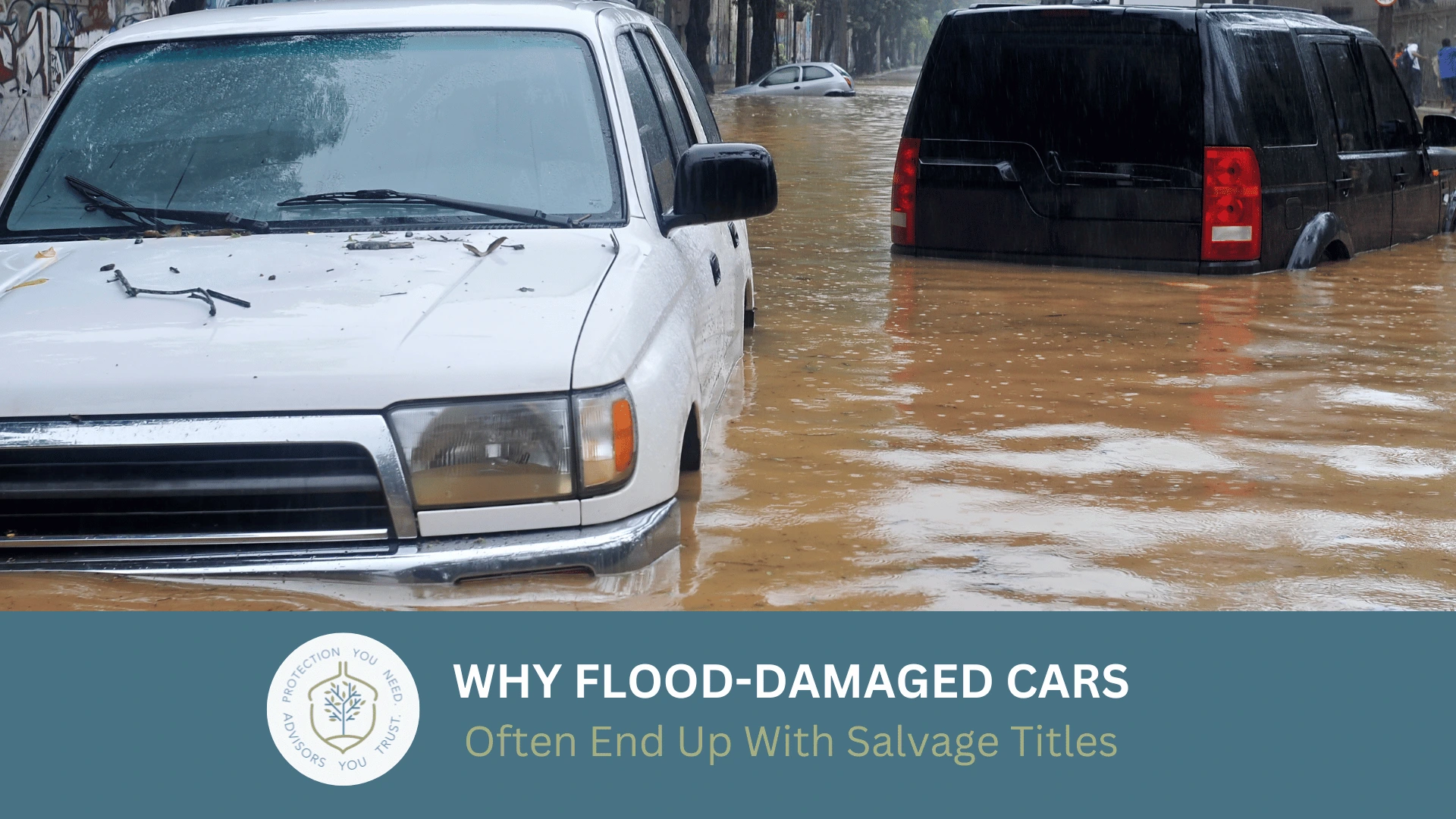
- "It was only a theft recovery": While theft recoveries are generally better than flood or crash vehicles, they are often stripped of modules, wiring harnesses, and interior components. Replicating the factory wiring loom is a monumental task that often leads to chronic electrical gremlins.
- "I can just use aftermarket parts": While aftermarket parts are cheaper, they often do not meet the safety specifications of OEM parts. For structural components, aftermarket parts can result in a vehicle that is literally held together by inferior steel or improper weld points.
- "My mechanic said it looks fine": Unless your mechanic is specifically certified in structural body repair and ADAS calibration, their opinion is based on visual observation. Hidden damage—such as micro-fractures in the chassis or bent suspension pick-up points—is frequently invisible to the naked eye.
Frequently Asked Questions
Can I get a loan for a salvage title vehicle? Most traditional lenders will not provide financing for a vehicle with a branded title. Because the vehicle's history is compromised and its long-term value is highly volatile, it does not meet the underwriting requirements for most auto loans. You should expect to pay for the vehicle entirely in cash.
Will my insurance cover a salvage vehicle if I crash it? Most insurers will only offer liability coverage for a vehicle with a salvage or rebuilt title. Because the vehicle's market value is difficult to ascertain and the risk of recurring mechanical failure is high, they will generally not provide collision or comprehensive coverage, leaving you exposed to the total loss of your investment in another accident.
What is the difference between a salvage title and a rebuilt title? A salvage title indicates the vehicle is currently declared a total loss and is not road-legal. A rebuilt title is issued after a salvage vehicle has been repaired and successfully passed a state-mandated inspection. While a rebuilt title allows the vehicle to be registered, it remains permanently branded as a "totaled" vehicle in its history.
Are all salvage vehicles equally bad? Not necessarily, but the risk is universally high. Some vehicles labeled "salvage" due to minor hail damage or cosmetic theft might be functional, but these are exceptions that are usually snapped up by professional rebuilders who have the connections and tools to process them profitably. For the average consumer, the time and effort required to find a "good" salvage vehicle far outweigh the potential savings.
Final Recommendation
The allure of a discount is powerful, but when it comes to auto insurance salvage, the hidden variables are simply too numerous for the average buyer to manage safely and profitably. The time, labor, and capital required to effectively restore a modern vehicle to OEM safety standards represent a project for professional body shops, not a cost-saving measure for personal transportation.
If you are looking for a reliable vehicle, the most financially sound path remains purchasing a clean-title vehicle with a verifiable maintenance history. The "savings" associated with a salvage vehicle are almost always consumed by the compounding costs of repairs, the unavailability of affordable insurance, and the extreme difficulty of liquidating the asset in the future. Avoid the salvage market unless you are a professional with the specialized equipment and technical training to mitigate the inherent risks.

Image Gallery
Select an image to open it in a new tab.


Mateo Castillo
Decentralized Finance and E-Payments Strategist
