Understanding the ATP Meaning in Aviation: The Airline Transport Pilot Certificate

In the field of aviation, ATP stands for Airline Transport Pilot. It represents the highest level of aircraft pilot certification issued by civil aviation authorities worldwide. An ATP certificate is the mandatory qualification required for pilots who intend to act as pilot-in-command for scheduled air carriers, such as major commercial airlines, and certain types of commercial operations.
The Significance of the ATP Certificate
The Airline Transport Pilot certificate is not merely a license; it is a professional designation that signals a pilot has met the most rigorous standards of aeronautical knowledge, experience, and flight proficiency. While a Private Pilot Certificate allows a person to fly for pleasure or personal business and a Commercial Pilot Certificate allows one to be paid for certain flying tasks, the ATP is the pinnacle of the career path.
In the United States, under Federal Aviation Administration (FAA) regulations, holding an ATP certificate is essential for anyone serving as the pilot-in-command (Captain) of an aircraft operating under 14 CFR Part 121 (scheduled commercial airlines). While First Officers (co-pilots) in these operations were historically required only to hold a Commercial Pilot Certificate with an Instrument Rating, current regulations mandate that they also hold an ATP certificate—specifically the Restricted ATP or the full ATP. This requirement was reinforced by safety legislation to ensure that every flight deck crew member possesses a high level of operational experience.
Eligibility Requirements and Prerequisites
Obtaining an ATP certificate is a significant undertaking that requires a combination of strict age, medical, and flight experience benchmarks. Unlike initial pilot licenses, which can be completed in a few months of intensive training, the ATP is a cumulative goal that builds upon years of flight time.
Age and Medical Standards
To be eligible for an ATP certificate, an applicant must be at least 23 years of age. This age requirement ensures that the pilot possesses the maturity and judgment required for the immense responsibility of transporting passengers commercially. Additionally, applicants must hold a First Class Medical Certificate. This is the most stringent medical standard in aviation, requiring an examination by an Aviation Medical Examiner (AME) to ensure the pilot has no disqualifying physiological or psychological conditions that could compromise safety during flight operations.
Aeronautical Experience
The flight time requirements are the most substantial hurdle. Generally, an applicant must have a minimum of 1,500 hours of total flight time. This total is comprised of several specific subsets of experience, which may include:
- 500 hours of cross-country flight time.
- 100 hours of night flight time.
- 75 hours of instrument flight time.
- 50 hours in the specific class of airplane for which the rating is sought.
These hours are typically accrued while working as a flight instructor, flying cargo, or performing other commercial aviation roles before an airline hires a pilot.
The Pathway to the Restricted ATP (R-ATP)
To assist aspiring airline pilots in entering the workforce sooner, regulators created the Restricted ATP (R-ATP). This certificate allows pilots who have not yet met the full 1,500-hour requirement to serve as a First Officer at a Part 121 air carrier.
The R-ATP provides an accelerated path for individuals who graduate from approved collegiate aviation programs or those with military experience. For instance, a pilot graduating from an FAA-approved university aviation program may be eligible for an R-ATP with as little as 1,000 or 1,250 hours, depending on the specifics of their curriculum and degree. This bridge allows qualified candidates to gain the necessary experience under the supervision of a captain in a structured airline environment, provided they meet all other certification requirements.
ATP Certification Process
The process of obtaining an ATP certificate is broken down into two distinct components: the written knowledge examination and the practical flight test, commonly referred to as the "checkride."
1. The ATP Knowledge Test
Candidates must first pass a comprehensive knowledge examination administered by the FAA (or the relevant national authority). This test covers advanced topics, including complex aerodynamics, high-altitude meteorology, international flight regulations, and crew resource management (CRM). The exam is rigorous and requires significant preparation to ensure the pilot understands the complexities of operating heavy, turbine-powered aircraft.
2. The Practical Test (Checkride)
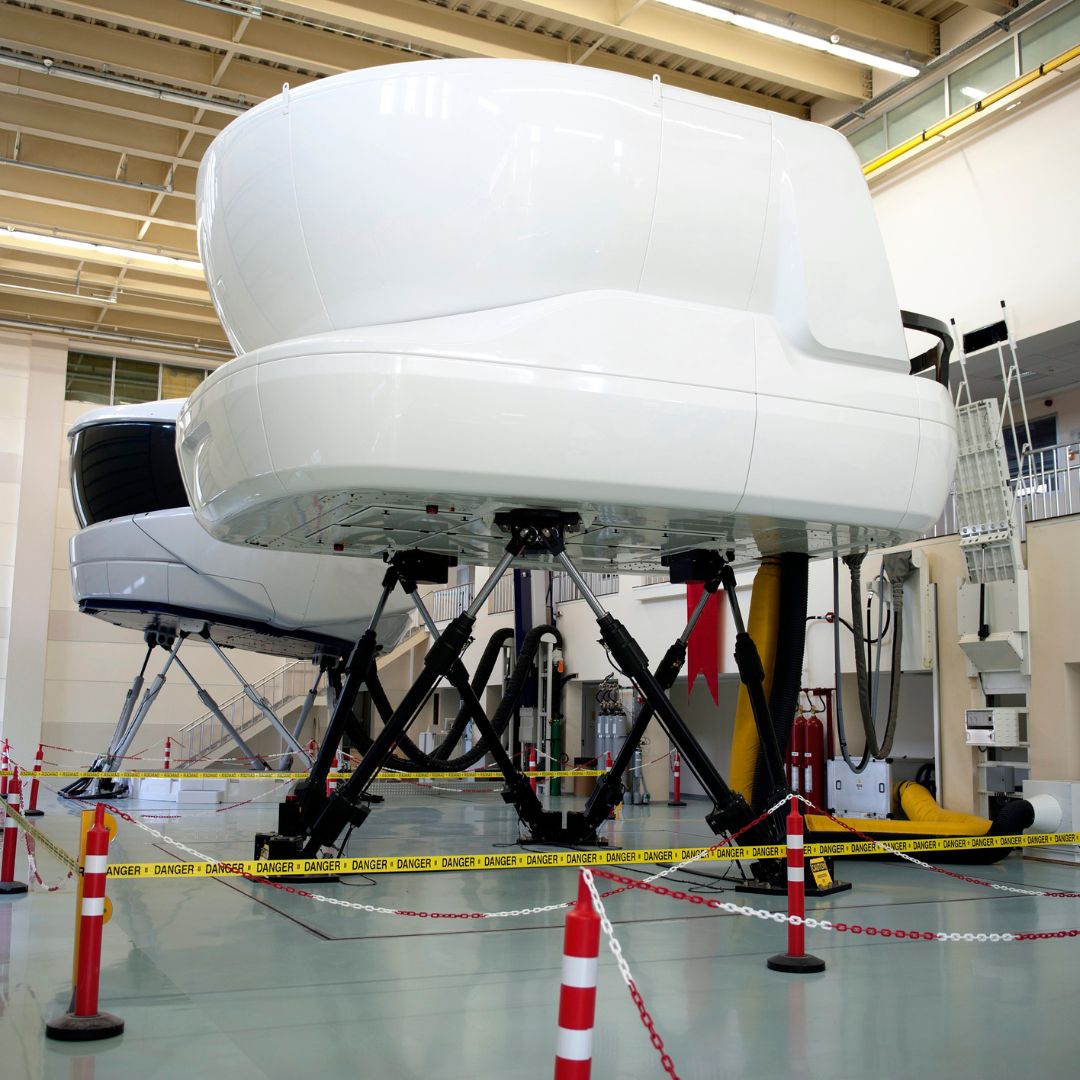
Once the knowledge requirement is satisfied and the flight time minimums are met, the candidate must pass a practical test with a Designated Pilot Examiner (DPE) or an authorized instructor. This test is conducted in a multi-engine aircraft (or a high-level flight simulator approved for the purpose). The examiner assesses the candidate’s ability to perform maneuvers at a level of precision far exceeding that of a private or commercial pilot. Key areas of focus include:
- Precision instrument procedures.
- Emergency procedures (engine failures, fire, electrical loss).
- High-altitude stall recognition and recovery.
- Complex multi-engine systems management.
Comparison of Pilot Certificate Levels
| Feature | Private Pilot | Commercial Pilot | ATP Certificate |
|---|---|---|---|
| Primary Goal | Personal flying | Career-focused flying | Airline command |
| Min. Age | 17 | 18 | 23 |
| Total Hours | ~40-60 hours | 250 hours | 1,500 hours (or R-ATP) |
| Career Role | Recreational | Instructor, Charter, Air Tour | Airline Captain/First Officer |
The Role of Type Ratings
In many cases, the ATP certificate is issued alongside or is followed by a "Type Rating." A type rating is a formal authorization to fly a specific make and model of aircraft (e.g., Boeing 737, Airbus A320, Embraer 175) that requires specialized training. For pilots operating large commercial aircraft, the ATP is the "base" certification, while the type rating is the specific "key" to the aircraft they fly for their employer. Airlines provide this specialized training as part of their hiring and transition process, ensuring that the pilot’s ATP-level skills are tailored to the unique systems of the aircraft they will command.
Challenges and Considerations for Aspiring Pilots
The journey to an ATP certificate is physically, mentally, and financially demanding. Most pilots spend years as Certified Flight Instructors (CFIs), building the required 1,500 hours while operating small aircraft in various weather conditions. This period is critical for developing the "stick and rudder" skills that serve as the foundation for the automated systems encountered in commercial jets.
Financial planning is also vital. The cost of flight training, combined with the time investment, can be significant. However, the aviation industry often provides pathways such as cadet programs, where major airlines partner with flight schools to provide a structured curriculum, and in some cases, financial incentives or mentoring, to guide students directly from their first flight to the flight deck of a commercial airliner.
Maintaining Currency and Proficiency
Earning an ATP is not a one-time event that guarantees lifelong privileges. Pilots must maintain proficiency through regular training cycles. Under Part 121 operations, airline pilots participate in "recurrent training" every few months. This includes simulator sessions where they practice abnormal and emergency procedures that are rarely encountered in daily line operations. This system of continuous evaluation ensures that the "ATP" title remains a meaningful indicator of safety and competence.
Frequently Asked Questions
Can I get an ATP certificate without a college degree? Yes. While some restricted ATP pathways require a degree from an approved collegiate aviation program, you can obtain a full, unrestricted ATP certificate with 1,500 hours of flight time regardless of your educational background, provided you meet the age, medical, and flight experience requirements.
Does the ATP certificate expire? The certificate itself does not expire; however, the privileges of the certificate require that a pilot remains current and qualified. This involves maintaining a valid medical certificate and meeting the recent flight experience requirements defined by aviation regulations.
What is the difference between a multi-engine rating and an ATP? A multi-engine rating is an endorsement added to a pilot certificate, allowing the holder to fly aircraft with more than one engine. An ATP is the license level itself. Most professional pilots hold a multi-engine rating long before they reach the experience level required for their ATP.
Can I use flight simulator hours toward my 1,500-hour requirement? Yes, but with strict limitations. The FAA allows a portion of flight time to be credited through approved flight training devices or full-motion flight simulators. However, these hours are capped, and the majority of the 1,500 hours must be accrued in actual aircraft.
What happens if I lose my First Class Medical? If a pilot loses their First Class Medical, they cannot exercise the privileges of an ATP certificate. Depending on the reason for the medical issue, a pilot may be able to obtain a special issuance or a lower-class medical, which might allow them to continue flying in different capacities, but they would be grounded from acting as a pilot in commercial airline operations.
Next Steps for Your Career
If you are currently pursuing your pilot career, the most effective next step is to log your flight hours consistently while focusing on quality, not just quantity. Seek out diverse flying experiences—such as night flying, instrument conditions, and mountain operations—which will prepare you for the demands of the ATP practical test. If you are a student, research FAA-approved university programs to see if you qualify for the R-ATP, which could shorten your transition time to the airlines. Always maintain an accurate and well-organized logbook, as you will eventually need to present this documentation to verify your eligibility for the final ATP evaluation.

Image Gallery
Select an image to open it in a new tab.


Lars Thomsen
Global Labor Markets and Economic Strategy Editor
