
O positive blood is the most common blood type in the human population, and it is uniquely valuable because it can be safely transfused into any patient with a positive Rh factor, regardless of their specific ABO blood group. As the most frequently occurring type, it serves as the essential baseline for emergency medicine, trauma care, and routine surgical procedures where rapid blood replacement is required.
The Significance of Blood Type Distribution
To understand why O positive blood is highly sought after by medical facilities, one must first look at the distribution of blood types. In most global populations, O positive is the most prevalent blood type. Because approximately 37% to 40% of the population holds this specific antigen profile, the sheer volume of patients requiring it is higher than any other type.
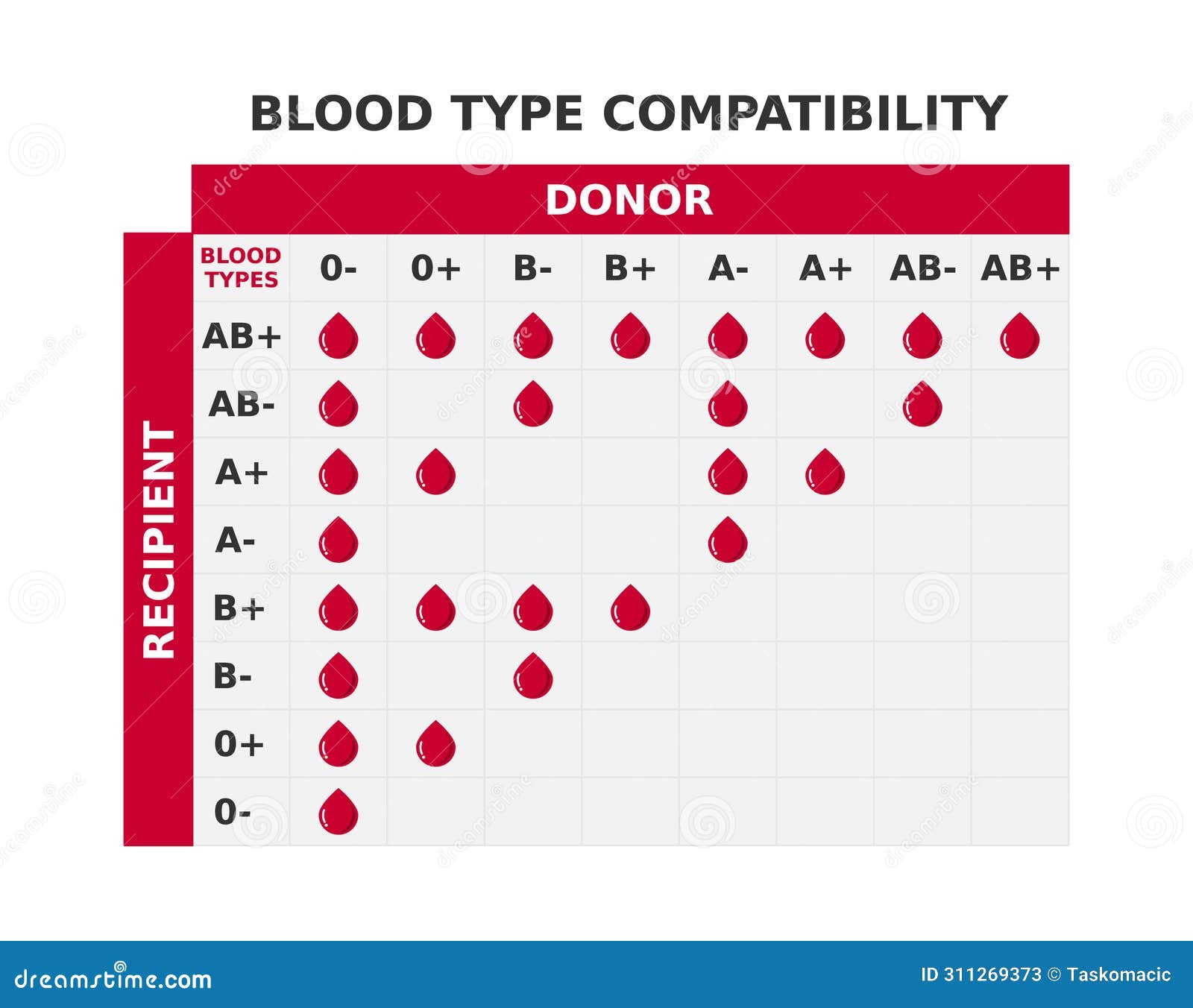
When a blood center manages its inventory, it must balance supply and demand based on these percentages. Because the patient pool for O positive blood is so large, a shortage of this type can quickly lead to localized crises in hospital stocks. Unlike O negative blood—which is the "universal donor" for all patients—O positive is a "universal positive donor," capable of being transfused into any patient who is A+, B+, AB+, or O+.
Why O Positive Blood is Essential in Emergencies
In high-stakes medical environments, such as emergency rooms and Level 1 trauma centers, physicians often do not have the time to perform a "type and cross-match." This is a laboratory process that takes time to ensure the donor blood perfectly matches the patient’s blood to avoid adverse reactions.
When a patient arrives with massive blood loss due to a motor vehicle accident, gunshot wound, or surgical complication, they are in a state of hemorrhagic shock. In these "massive transfusion protocol" scenarios, clinicians need immediate access to blood. Because O positive blood lacks the A and B antigens, it is less likely to trigger a severe immune reaction in a large portion of the population. While O negative is technically the universal donor for all, it is significantly rarer (only about 7% of the population). Consequently, hospitals reserve O negative for infants and women of childbearing age, using O positive as the standard "go-to" for the majority of the adult population during life-saving interventions.
The Role of the Rh Factor
The "positive" in O positive refers to the presence of the Rhesus (Rh) factor, specifically the D antigen. A patient who is Rh-positive can receive both Rh-positive and Rh-negative blood. A patient who is Rh-negative must generally receive Rh-negative blood to prevent the development of antibodies that could cause future complications.
Because O positive blood is Rh-positive, it cannot be given to a person who is Rh-negative, as their immune system would recognize the D antigen as a foreign invader and mount an attack. This is why O positive is not a true "universal" donor, but rather a "universal positive" donor. Understanding this distinction is critical for medical staff, as it highlights that while O positive is incredibly versatile, it is not interchangeable with O negative in every medical context.
Comparing Blood Type Compatibility
The following table outlines the compatibility of O positive blood in relation to other major blood types, illustrating why it is so frequently utilized in clinical settings.
| Recipient Blood Type | Can Receive O Positive? | Why or Why Not? |
|---|---|---|
| O Positive | Yes | Same ABO/Rh group. |
| O Negative | No | Contains the D antigen (Rh+), which is incompatible. |
| A Positive | Yes | Recipient possesses A and Rh antigens. |
| A Negative | No | Recipient lacks Rh factor; D antigen is incompatible. |
| B Positive | Yes | Recipient possesses B and Rh antigens. |
| B Negative | No | Recipient lacks Rh factor; D antigen is incompatible. |
| AB Positive | Yes | Recipient possesses A, B, and Rh antigens. |
| AB Negative | No | Recipient lacks Rh factor; D antigen is incompatible. |
The Impact of Ongoing Blood Donation
Because O positive blood is used more frequently than any other type due to the high volume of positive-type patients, blood banks constantly require replenishment of this specific supply. If donations of O positive blood drop, hospitals must dip into their reserves of rarer types to fill the gap, which creates a dangerous instability in the blood supply chain.
In 2026, the demand for blood remains consistent. Regular donation intervals—typically every 56 days for whole blood—allow the body to regenerate its red blood cells while helping to maintain a safe threshold for national and local blood inventories. For the average donor, providing O positive blood is one of the most effective ways to contribute to public health, as it ensures that the most common patient needs are met without depleting the limited stocks of universal O negative blood.
Common Medical Uses and Requirements
Beyond trauma and surgery, O positive blood is used for:
- Chronic Anemia Management: Patients suffering from conditions like sickle cell disease or thalassemia may require regular transfusions.
- Cancer Treatments: Many chemotherapy regimens can lead to bone marrow suppression, causing anemia that necessitates blood support.
- Obstetrics: Complications during childbirth, such as postpartum hemorrhage, often require the immediate availability of O positive blood for the mother if she is Rh-positive.
To donate blood, individuals must meet specific health criteria. As of 2026, standard requirements include being in good general health, meeting minimum weight requirements (usually at least 110 pounds), and passing a brief health screening to check blood pressure, pulse, and hemoglobin levels. These precautions ensure that the donation process is safe for both the donor and the eventual recipient.
FAQ: Frequently Asked Questions
1. Is O positive the most important blood type?
While every blood type is essential, O positive is considered the most "high-demand" type because it is the most common. Its ability to serve the majority of the population makes it the backbone of routine hospital blood inventory.
2. Can I donate O positive if I have never donated before?
Yes. First-time donors are always encouraged. You will need to bring a valid form of identification, answer a series of questions regarding your health history, and undergo a quick mini-physical at the blood donation center to ensure you are eligible.
3. Does O positive blood offer any health benefits to the donor?
Donating blood is a voluntary act of altruism. While it is not a "treatment" for the donor, some studies suggest that regular donation may help manage iron levels in the blood, though this should not be considered a medical intervention. The primary benefit is to the recipient whose life depends on the transfusion.
4. Why can't O positive patients receive O negative blood?
They actually can. O negative blood is the universal donor, meaning it can be given to anyone, including those with O positive blood. However, because O negative is rare, blood banks prefer to save it for patients who cannot receive any other type (such as Rh-negative patients or newborns).
5. How long does donated O positive blood last?
Stored red blood cells generally have a shelf life of approximately 42 days when refrigerated under strict, temperature-controlled conditions. This is why a constant cycle of donations is required to keep the supply fresh and viable.
Next Steps for Prospective Donors
If you know your blood type is O positive, you are in a unique position to help a significant portion of the patient population. The most proactive step is to locate a local blood donation center or a mobile blood drive hosted by organizations like the American Red Cross or local hospital networks. By scheduling an appointment, you help these facilities predict their inventory needs and prevent potential shortages. When you arrive for your appointment, ensure you are well-hydrated and have eaten a healthy meal, as these factors significantly improve your experience and the quality of the donation.
Image Gallery
Select an image to open it in a new tab.




Vivian Cho
Executive IT and Emerging Technologies Reporter
