The Truth About the Karamo Brown Statement: Context, Backlash, and Media Reality
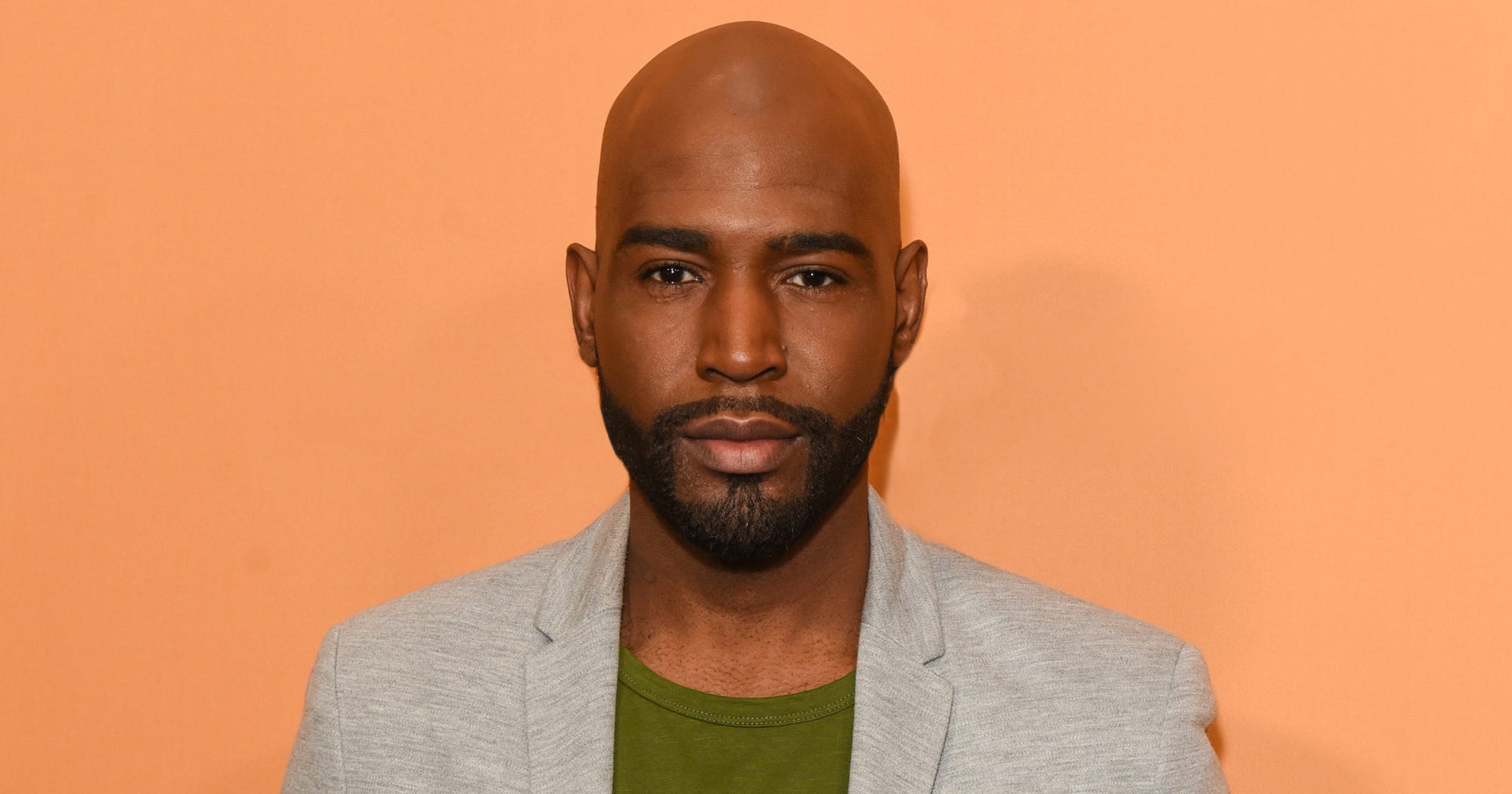
The controversy surrounding Karamo Brown’s 2019 statements about former White House Press Secretary Sean Spicer stemmed from an interview during the Dancing with the Stars Season 28 cast announcement. Brown referred to Spicer as a "sweet guy" and expressed a desire to build bridges, sparking immediate backlash from fans and activists who viewed the comments as normalizing political harm.
What Was the Karamo Brown Statement?
In August 2019, ABC announced the contestant lineup for Season 28 of Dancing with the Stars. Among the cast members were Karamo Brown—best known as the culture and lifestyle expert on Netflix’s critically acclaimed reboot of Queer Eye—and Sean Spicer, who served as the White House Press Secretary under President Donald Trump in 2017.
During a promotional red carpet interview with Access Hollywood shortly after the cast reveal, Brown was asked about competing alongside Spicer. Brown responded warmly, stating:
"Sean Spicer and I have been talking. I was super excited to meet him. I’m a lover of all people... He’s a sweet guy, yeah, he’s a good guy. He’s a good guy."
Brown went on to explain that he saw the show as an opportunity to engage in meaningful dialogue with someone whose political views and background differed drastically from his own. As a Black gay man and a licensed social worker, Brown expressed hope that sitting down with Spicer could demonstrate how people with opposing viewpoints could find common ground.
However, the comment "he's a sweet guy" was instantly clipped, shared across social media platforms, and featured prominently in news headlines. For many viewers, hearing a prominent LGBTQ+ advocate describe a political figure who had defended policies targeting marginalized communities as a "sweet guy" was alarming and unacceptable.
The Immediate Public Backlash and Political Context
To understand why Brown's statement generated such intense outrage, it is essential to examine the political atmosphere of late 2019 and Sean Spicer’s public legacy.
As Press Secretary, Spicer was the official voice of an administration that implemented several policies widely opposed by LGBTQ+ advocacy groups, civil rights organizations, and immigration reform advocates. These included the ban on transgender individuals serving in the military, the rescinding of federal guidance protecting transgender students in public schools, and strict immigration enforcement measures. Furthermore, Spicer's tenure was marked by contentious press briefings in which he repeatedly made demonstrably false assertions to the media.
When Brown publicly called Spicer a "good guy," critics argued that he was engaging in the public rehabilitation of a figure who had actively participated in harm against vulnerable communities. Critics pointed out several key concerns:
- Normalization of Political Actions: Calling a controversial political figure "sweet" converts public political accountability into personal friendliness, obscuring the impact of their official actions.
- The Illusion of Civility: Critics argued that advocating for "civility" and "conversations" places an unfair burden on marginalized groups to negotiate their basic rights with those who actively campaigned against them.
- Platform Leverage: As one of the most visible Black queer men in media, Brown held significant cultural influence. Viewers felt his platform was being used to grant unearned social legitimacy to Spicer.
Prominent figures and commentators weighed in online. Author Roxane Gay and numerous civil rights activists noted that personal warmth does not erase political consequences. What Brown intended as an expression of personal empathy was interpreted by the public as institutional amnesia.
How Karamo Handled the Fallout: Deactivation and Clarifications
The online response to Brown's interview was swift and harsh. Within hours of the interview airing, Brown faced thousands of critical comments on X (formerly Twitter) and Instagram. While many comments offered constructive critique regarding political accountability, a significant volume devolved into personal abuse and harassment.
Initially, Brown tried to defend his position on Twitter, tweeting that his intention was to use his platform to create transformational conversations rather than practice exclusion. However, as the digital harassment escalated to include violent threats, Brown took several immediate steps to protect his mental health:
- Social Media Deactivation: Brown deleted his Twitter account and disabled comments on his Instagram posts.
- Co-Star Involvement: His Queer Eye co-stars faced secondary pressure from fans. Bobby Berk initially posted a tweet defending Brown’s character and suggesting ABC forced cast members to be friendly, though Berk later deleted those posts after acknowledging the issue was more complex.
- Public Re-evaluation: Brown temporarily stepped back from press interactions to process the community's reaction.
In September 2019, Brown addressed the situation directly during an appearance on Andy Cohen’s Watch What Happens Live. During the broadcast, Brown admitted that the situation had been deeply painful but served as a critical learning experience.
He explained that while his intention was rooted in his lifelong work of bringing opposing sides together, he failed to recognize how his words would feel like a betrayal to members of the LGBTQ+ community who were actively suffering under political decisions Spicer supported. Brown clarified that he did not support Spicer's political actions or ideology, acknowledging that describing Spicer as "sweet" in a brief media soundbite was a poor choice of words that minimized real political harm.
Social Work Framework vs. Celebrity Public Relations
A primary source of the disconnect between Karamo Brown and the public lies in his professional background as a licensed social worker and psychotherapist prior to his television career.
In clinical social work, practitioners are trained in principles such as unconditional positive regard, person-centered therapy, and meeting people where they are. Social workers are taught that personal transformation rarely happens through alienation; instead, it requires establishing rapport to facilitate self-reflection and change.
| Clinical Social Work | Celebrity / Public Relations |
|---|---|
| Focuses on individual growth | Focuses on optics & symbolism |
| Assumes private rapport | Operates on a national stage |
| Prioritizes bridge-building | Demands public accountability |
When Brown entered the Dancing with the Stars environment, he applied his clinical social worker framework to a high-stakes celebrity environment. However, public political accountability operates under vastly different mechanics than private therapeutic interventions:
- Private Engagement vs. Public Endorsement: In a therapy room, finding common ground with a client is a tool for personal growth. On national television, declaring a controversial figure "a good guy" acts as an endorsement, conveying to millions of viewers that the individual's past actions are excused.
- Power Dynamics: Clinical frameworks assume an intention to engage in self-reflection. Critics pointed out that political figures participating in entertainment television often do so to soften their public image rather than engage in personal growth.
- Impact Over Intention: While Brown's intention was transformational dialogue, the impact was the perception that a prominent advocate was giving a pass to anti-LGBTQ+ political campaigns.
Understanding this tension helps clarify the truth of the statement: Brown was not endorsing Spicer’s political platform, but rather attempting to apply therapeutic bridge-building to a commercial media environment that was fundamentally ill-suited for it.
Chronology of the Controversy and Subsequent Events
The following timeline outlines the key milestones of the statement, the resulting public reaction, and the subsequent resolutions over time.
| Date | Event / Milestone | Key Statement or Action | Public & Media Outcome |
|---|---|---|---|
| August 21, 2019 | DWTS Season 28 Cast Announcement | ABC announces Karamo Brown and Sean Spicer among the new cast members. | Initial public surprise over political casting decisions by ABC. |
| August 21, 2019 | Access Hollywood Interview | Brown calls Spicer "a sweet guy" and expresses eagerness to have dialogue. | Immediate viral backlash across social media platforms. |
| August 22, 2019 | Initial Social Media Defense | Brown tweets defending his stance on dialogue; co-star Bobby Berk posts support. | Backlash intensifies; critics dispute the "civility" argument. |
| Late August 2019 | Twitter Deactivation | Brown deactivates his Twitter account following intense harassment and threats. | Media coverage shifts to digital toxicity and accountability debates. |
| September 2019 | Watch What Happens Live Appearance | Brown publicly reflects on the comments, expressing regret for the hurt caused. | Clarified his opposition to Spicer's politics while explaining his background. |
| September–October 2019 | Dancing with the Stars Airing | Both contestants compete on Season 28; Brown is eliminated in Week 7, Spicer in Week 9. | Media attention shifts back to dance performances and voting dynamics. |
| September 2022 | Launch of The Karamo Show | Brown launches his syndicated daytime talk show focused on conflict resolution. | Standardized his talk-show format around empathetic mediation. |
Subsequent Statements and Media Clarifications
Beyond the 2019 Dancing with the Stars incident, Karamo Brown’s name has occasionally been linked to other statement-based media controversies. Evaluating these occurrences provides a complete picture of how media reporting interacts with public statements.
1. Queer Eye Cast Relations
In late 2023 and early 2024, reports surfaced regarding workplace tension among the Queer Eye cast members ("Fab Five"). Media outlets published quotes from past interviews, suggesting fractured relationships between cast members, including Brown, Jonathan Van Ness, Tan France, Antoni Porowski, and Bobby Berk (who exited the show after Season 8).
When addressing these reports, Brown clarified that while the cast members are colleagues with distinct personalities who do not always hang out outside of filming, the sensationalized claims of hostility were exaggerated by tabloid reporting. Brown emphasized that professional boundaries are normal in long-running ensemble shows and that mutual respect remains intact.
2. Comments on Daytime Talk Host Dynamics
Following the launch of his syndicated daytime program, The Karamo Show, in September 2022, Brown frequently discusses interpersonal conflict, family estrangement, and relationship challenges. Media snippets occasionally extract intense moments from his show out of context for clickbait headlines.
In subsequent interviews, Brown has consistently maintained that short video clips often erase the resolution phase of therapeutic discussions. He has urged viewers to evaluate full broadcast segments rather than isolated social media soundbites.
Lessons for Media Literacy and Public Discourse
The controversy surrounding the Karamo Brown statement offers critical insights into how public figures, media platforms, and audiences interact in an era of rapid digital communication.
The Mechanics of Soundbite Journalism
Modern digital media relies heavily on short, emotionally charged clips designed to maximize user engagement. When Access Hollywood aired the quote "He's a sweet guy," the surrounding context—Brown’s intent as a social worker to initiate transformational conversation—was largely omitted in secondary reporting. Consumers of media must recognize that short video clips often strip away necessary nuance.
Intention vs. Impact in Public Advocacy
For advocates and public figures, good intentions do not insulate actions from harmful consequences. Brown’s primary goal was reconciliation, but the real-world impact of his statement was the perceived validation of a political administration's policies. Effective public advocacy requires assessing how words will be received by communities affected by political decisions.
Evaluating Online Outrage Constructively
The online reaction to Brown highlighted a growing divide in public discourse between accountability and disposable culture. While legitimate critique of Brown's statement was necessary and productive, the swift escalation to death threats demonstrated how digital platforms can turn political critique into online toxicity.
Frequently Asked Questions
What did Karamo Brown actually say about Sean Spicer?
During an August 2019 interview with Access Hollywood, Karamo Brown called Sean Spicer a "sweet guy" and a "good guy." He expressed excitement about sitting down with Spicer during their time on Dancing with the Stars to engage in open dialogue despite their differing political views.
Did Karamo Brown apologize for his statement?
Yes. In September 2019 on Watch What Happens Live with Andy Cohen, Brown acknowledged that his words caused pain to the LGBTQ+ community and marginalized groups. He explained that while his goal was to build bridges using his background as a social worker, describing Spicer in those terms was a mistake that minimized the impact of harmful political policies.
Why did Karamo Brown deactivate his Twitter account in 2019?
Brown deactivated his Twitter account due to intense public backlash and digital harassment, which included violent threats directed at him following his comments about Sean Spicer. He chose to step back from social media to protect his mental health and reflect on the situation privately.
Was Karamo Brown endorsing Sean Spicer’s political views?
No. Brown explicitly stated on multiple occasions that he did not support Sean Spicer’s political stance or the policies of the Trump administration. His initial comments were intended to express a desire for interpersonal dialogue and reconciliation, not an endorsement of Spicer’s political record.
How did the rest of the Queer Eye cast respond to the controversy?
Initially, cast member Bobby Berk posted tweets defending Brown and pointing out that contractually, cast members on television shows are expected to remain professional and friendly toward co-stars. However, Berk later deleted those tweets after acknowledging the valid pain felt by fans regarding Spicer’s political history.
Practical Action: How to Evaluate Public Controversies Critically
When encountering viral controversies surrounding celebrity statements, viewers can apply a structured approach to separate clickbait from truth:
- Locate the Primary Source: Seek out the full, unedited video or transcript of the interview rather than relying on secondary social media commentary or sensationalized headlines.
- Analyze the Context: Determine the setting of the statement (e.g., promotional press junket, private podcast, live broadcast) and the professional background of the speaker.
- Separate Intention from Impact: Evaluate both what the speaker aimed to accomplish and how those words practically affect the communities involved.
- Identify Platform Incentives: Recognize that social media algorithms prioritize extreme reactions, which can amplify conflict while burying constructive resolution.
Image Gallery
Select an image to open it in a new tab.
Lars Thomsen
Global Labor Markets and Economic Strategy Editor
