
The celebrity tequila boom has fundamentally reshaped the spirits market by accelerating the "premiumization" of the category, shifting consumer focus toward lifestyle-driven brands, and placing immense pressure on agave supply chains. By leveraging massive digital audiences, celebrities have bypassed traditional marketing barriers, forcing legacy producers to innovate while simultaneously triggering a wave of high-value corporate acquisitions and a renewed industry-wide debate over production transparency and additives.
The Genesis of the Celebrity Tequila Gold Rush
To understand why the tequila market looks the way it does in 2026, one must look back at the pivotal moment that transformed a regional Mexican spirit into a global luxury asset. While celebrities have endorsed spirits for decades, the 2017 sale of Casamigos—founded by George Clooney, Rande Gerber, and Mike Meldman—to the global spirits giant Diageo for up to $1 billion served as the ultimate proof of concept.
Before this landmark deal, tequila was often perceived by the mass market as a low-quality "party" spirit, frequently associated with harsh aftertastes and ritualistic salt-and-lime consumption to mask the flavor. The Casamigos exit proved that a celebrity-backed brand could not only achieve massive scale in a short period but also command a premium price point and a staggering valuation multiple. This event triggered an unprecedented influx of A-list talent, venture capital, and marketing muscle into the Jalisco region of Mexico.
In the years following, we saw the launch of brands like Teremana (Dwayne "The Rock" Johnson), 818 Tequila (Kendall Jenner), Cincoro (Michael Jordan), and Dos Hombres (Bryan Cranston and Aaron Paul). By 2026, the market has matured to a point where a celebrity name is no longer a novelty; it is a standard entry requirement for new high-volume brands seeking to capture the "aspirational" consumer segment.
How Celebrity Influence Drives Premiumization
The most significant structural shift caused by the celebrity boom is premiumization. In the spirits industry, this refers to the trend of consumers "drinking less but drinking better." Celebrity brands have played a central role in moving tequila from the "well" of the bar to the top shelf.
Redefining the "Sipping" Category
Celebrity involvement has successfully rebranded tequila as a sophisticated sipping spirit, comparable to high-end Cognac or Scotch whisky. By marketing Extra Añejo and Cristalino (charcoal-filtered aged tequila) expressions, celebrity brands have justified price points ranging from $60 to over $200 per bottle.
Lifestyle Integration
Unlike traditional brands that focus on the heritage of the agave or the specific volcanic soil of the Highlands, celebrity brands market a lifestyle. When a consumer buys a bottle of 818 or Teremana, they are not just buying a spirit; they are buying an association with the glamour, health-conscious image, or rugged success of the founder. This emotional connection creates brand loyalty that traditional advertising struggles to replicate.
The Demographic Shift
The celebrity boom has also diversified the tequila consumer base. Influence from figures across sports, music, and fashion has expanded the market's reach into younger demographics (Gen Z and Millennials) and broader global markets. In 2026, tequila consumption in Europe and Asia has surged, largely driven by the cultural "cool factor" imported from American celebrity culture.
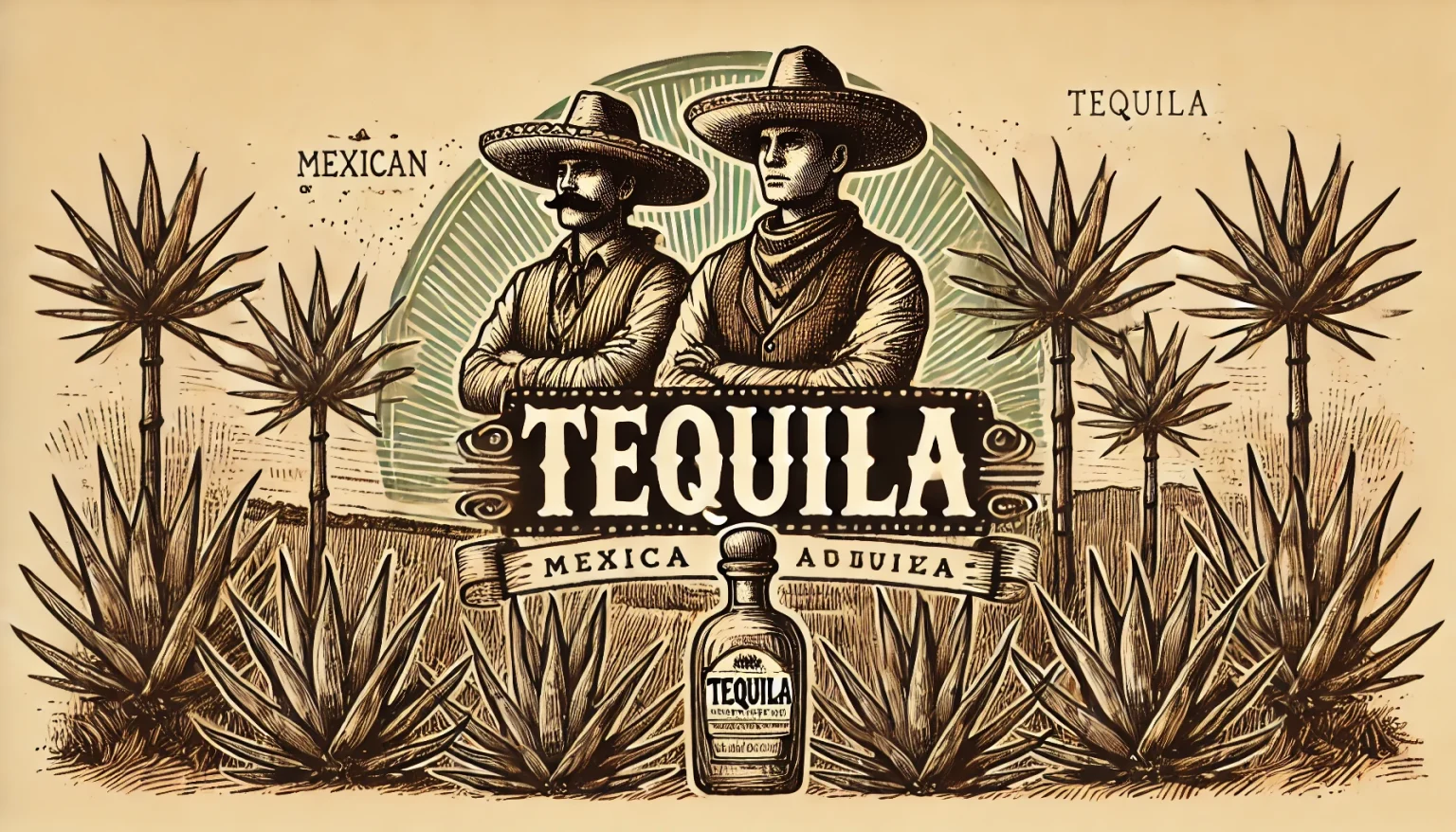
The Economic Impact on Agave and Production
The sheer volume required by celebrity brands has had a profound impact on the physical and economic landscape of Jalisco. Tequila can only be produced from the Blue Weber Agave plant within specific regions of Mexico, as mandated by the Consejo Regulador del Tequila (CRT).
The Agave Supply Chain Strain
Agave is a biological product that takes five to seven years to reach maturity. The sudden explosion of demand from massive celebrity brands has often led to "agave crises," where the price per kilogram of agave skyrockets due to scarcity. In 2026, the industry is still grappling with the cyclical nature of agave planting. Large-scale celebrity brands often have the capital to secure long-term contracts, which can sometimes squeeze out smaller, family-owned distilleries that cannot compete with the rising costs of raw materials.
The Rise of the Contract Distillery
Most celebrity brands do not own their own distilleries. Instead, they partner with large-scale "contract distillers" like Casa Maestri (NOM 1438), which produces dozens of different brands under one roof. This has led to a standardization of flavor profiles designed to appeal to the widest possible audience—often resulting in sweeter, smoother tequilas that some purists argue lack the complexity of traditional methods.
The Additive Controversy and the Quest for Authenticity
As the market has become saturated with celebrity labels, a counter-movement has emerged among connoisseurs. This tension has reshaped the market by creating a clear divide between "industrial/celebrity" tequila and "artisanal/additive-free" tequila.
Understanding Additives
Under Mexican law, tequilas (specifically those not labeled as 100% agave, but increasingly even 100% agave versions) can contain up to 1% by weight of additives without disclosing them. These include:
- Glycerin: For a smoother mouthfeel.
- Caramel Coloring: To provide a consistent "aged" look.
- Oak Extract: To mimic the flavor of long barrel aging.
- Jarabe (Sugar Syrups): To increase sweetness.
Many celebrity brands utilize these additives to create a "vanilla" or "cake batter" flavor profile that is highly palatable to the mass market. However, in 2026, savvy consumers are increasingly looking for the "Additive-Free" verification provided by independent bodies like Tequila Matchmaker. This push for transparency has forced celebrity brands to either clean up their production processes or double down on their "lifestyle" marketing to distract from production shortcuts.
Comparing Market Segments: Celebrity vs. Traditional
The following table illustrates the key differences in how celebrity brands and traditional artisanal brands operate within the 2026 market landscape.
| Feature | Celebrity-Backed Brands | Traditional Artisanal Brands |
|---|---|---|
| Primary Marketing | Social media, influencer networks, star power. | Heritage, terroir, family history, production process. |
| Production Method | Often high-efficiency (Autoclave/Diffuser). | Often traditional (Tahona, Brick Oven). |
| Price Point | $45 - $150+ (Premium/Ultra-Premium). | $35 - $90 (Mid-range to Premium). |
| Flavor Profile | Sweet, smooth, consistent (often via additives). | Earthy, vegetal, complex, variable by batch. |
| Market Reach | Global, mass-market retail, high-end clubs. | Niche, boutique liquor stores, craft cocktail bars. |
| Exit Strategy | Acquisition by major spirits conglomerates. | Long-term family ownership or heritage preservation. |
M&A Trends: Why Big Alcohol Loves Celebrities
The celebrity boom has reshaped the market's corporate structure through Mergers and Acquisitions (M&A). For conglomerates like Diageo, Pernod Ricard, and Constellation Brands, acquiring a celebrity brand is not just about the liquid in the bottle; it is about acquiring a Customer Acquisition Machine.
- Lower Marketing Costs: A brand like Teremana comes with the built-in marketing reach of Dwayne Johnson’s 300+ million followers. This reduces the "Customer Acquisition Cost" (CAC) significantly compared to building a brand from scratch.
- Instant Distribution Scale: When a major player buys a celebrity brand, they can instantly plug it into their global distribution network, moving it from a few thousand cases to millions of cases within years.
- Risk Mitigation: By the time a celebrity brand reaches a $500 million or $1 billion valuation, it has already been "de-risked." The consumer demand is proven, making it a safer bet for a large corporation than launching a new internal brand.
Potential Market Corrections in 2026
As we navigate through 2026, the "celebrity fatigue" phenomenon has started to manifest. The market is becoming so crowded that simply having a famous face is no longer enough to guarantee success. We are seeing a "shakeout" where brands with poor quality or lackluster engagement are failing, while those that have invested in actual distillery partnerships or sustainable practices are surviving.
Furthermore, environmental sustainability has become a critical market driver. The intensive farming of agave required by massive celebrity brands has led to soil depletion and biodiversity loss. Brands that prioritize "bat-friendly" agave (allowing some plants to flower to encourage pollination) and water recycling are beginning to win over the environmentally conscious 2026 consumer.
Frequently Asked Questions
Is celebrity tequila actually higher quality than traditional brands?
Not necessarily. In many cases, celebrity brands prioritize "consistency" and "smoothness," which are often achieved through modern industrial methods like diffusers and the use of additives. Traditional brands, which focus on slow-roasting agave in brick ovens and using volcanic stone wheels (tahonas) for crushing, often produce a more complex and authentic spirit. Quality is subjective, but "traditional" is rarely synonymous with "celebrity-backed."
Why is tequila the spirit of choice for celebrities over vodka or whiskey?
Tequila offers a unique combination of high profit margins, a relatively fast turnaround (compared to aged whiskies), and a "health-conscious" aura. It is often marketed as being "lower calorie" or "cleaner" than other spirits. Additionally, the cultural association of tequila with celebration and luxury makes it a perfect fit for a celebrity's personal brand.
How can I tell if a celebrity tequila uses additives?
Look for the NOM (Norma Oficial Mexicana) number on the bottle. This four-digit code identifies the distillery where the tequila was made. You can use resources like the Tequila Matchmaker database to see if that distillery is known for using additives or if the specific brand has been verified as "Additive-Free."
Has the celebrity boom made tequila more expensive for everyone?
Yes. The surge in demand has kept agave prices high and increased the cost of glass, logistics, and labor in the Jalisco region. While there are still budget-friendly options, the "floor" price for a quality 100% agave tequila has risen significantly over the last decade.
Will the celebrity tequila trend eventually end?
The market is currently in a phase of consolidation. While the "gold rush" era of every celebrity launching a brand is slowing down, the established celebrity brands have become permanent fixtures in the global spirits landscape. The trend isn't ending, but it is becoming more professionalized and quality-dependent.
Practical Recommendations for Consumers and Investors
If you are a consumer navigating the 2026 tequila market, the most effective way to ensure you are getting value for your money is to look past the label.
- Prioritize the NOM: Research the distillery. If one distillery is churning out 60 different celebrity brands, the tequila is likely mass-produced and homogenized.
- Seek Transparency: Support brands that are open about their cooking methods (hornos/autoclaves), extraction methods (tahona/roller mill), and use of additives.
- Explore the "Valley" vs. "Highlands": Learn the flavor differences. Tequila from the Valleys tends to be earthier and spicier, while Highlands (Los Altos) tequila is often fruitier and sweeter.
For those interested in the business side, watch for the shift toward sustainable agave cultivation. The next winners in the tequila space will likely be those who can solve the environmental and supply chain challenges created by the massive growth of the last ten years.
Image Gallery
Select an image to open it in a new tab.
Mateo Castillo
Decentralized Finance and E-Payments Strategist
